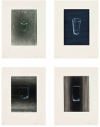
Tropical
Fish
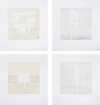
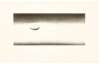
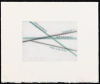
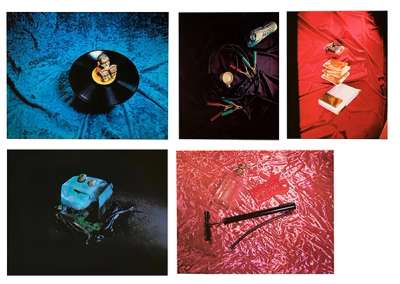
Ed Ruscha's Tropical Fish series, a vibrant series of five screenprints created in 1975, showcases the artist's adeptness at transforming everyday objects into captivating still lifes. Set against vividly coloured backdrops, the series captures objects in a manner that breathes life into the mundane, reflecting Ruscha's roots in West Coast Pop Art and his influences from Conceptual Art, Surrealism, and Dadaism.
Ed Ruscha Tropical Fish For sale

Tropical Fish Value (5 Years)
Sales data across the Tropical Fish series by Ed Ruscha varies by print. While standout works have sold at auction for up to £5909, other editions in the series remain rare to market or have yet to appear publicly for sale. Of those tracked, average selling prices have ranged from £5228 to £5228, with an annual growth rate of 2.96% across available data. Collectors should note the discrepancy in performance between more visible and lesser-seen editions when considering value potential in this series.
Tropical Fish Market value
Auction Results
| Artwork | Auction Date | Auction House | Return to Seller | Hammer Price | Buyer Paid |
|---|---|---|---|---|---|
 Closed Ed Ruscha Signed Print | 10 Jun 2026 | Bonhams Los Angeles | £4,250 | £5,000 | £6,500 |
 Tropical Fish (complete set) Ed Ruscha Signed Print | 18 Dec 2024 | Wright | £5,100 | £6,000 | £7,500 |
 Open Ed Ruscha Signed Print | 16 Sept 2021 | Christie's New York | £935 | £1,100 | £1,450 |
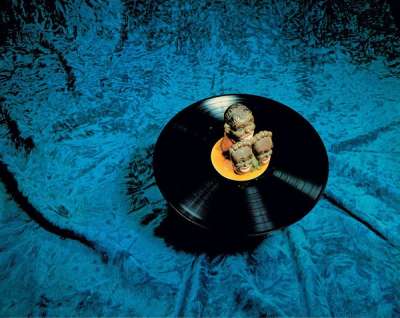
 Music Ed Ruscha Signed Print | 25 Oct 2006 | Christie's London | £340 | £400 | £550 |
Sell Your Art
with Us
with Us
Join Our Network of Collectors. Buy, Sell and Track Demand
Meaning & Analysis
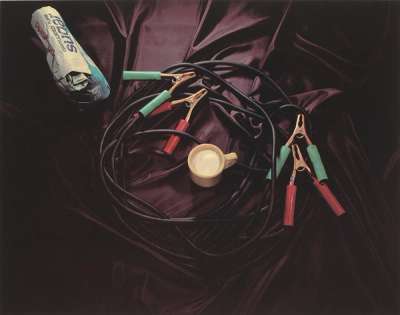
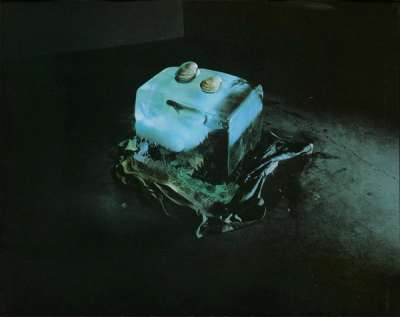
Ed Ruscha, a seminal figure in the development of West Coast Pop Art, has demonstrated a remarkable versatility across various mediums, ranging from painting and drawing to printmaking and photography. In 1975, Ruscha unveiled the Tropical Fish series, a compelling exploration into screenprinting that marked a significant departure from his iconic word pictures. This series, consisting of Open, Closed, Music, Air, Water, Fire, and Sweets, Meats, Sheets, stages everyday objects against a backdrop of dynamic, colourful gradients, transforming them into vibrant and emphatic still lifes.
While this series is firmly rooted in the principles of Pop Art, characterised by its embrace of everyday objects, Ruscha also draws upon the framework of Conceptualism, the dream-like juxtapositions of Surrealism, and the anti-establishment ethos of Dadaism. These influences are evident in the way Ruscha plays with perception and context in Tropical Fish, using his considered composition to elevate the status of banal objects.
Ruscha's stylistic technique, which juxtaposes high and low cultural references, is particularly pronounced in this series. Through the medium of screenprint, he achieves a striking visual design aesthetic characterised by its clarity, simplicity, and vivid use of colour. The Tropical Fish series not only showcases Ruscha's technical prowess but also his philosophical engagement with the objects that populate our daily lives, inviting viewers to reconsider their significance and the ways in which they inform our cultural identities.