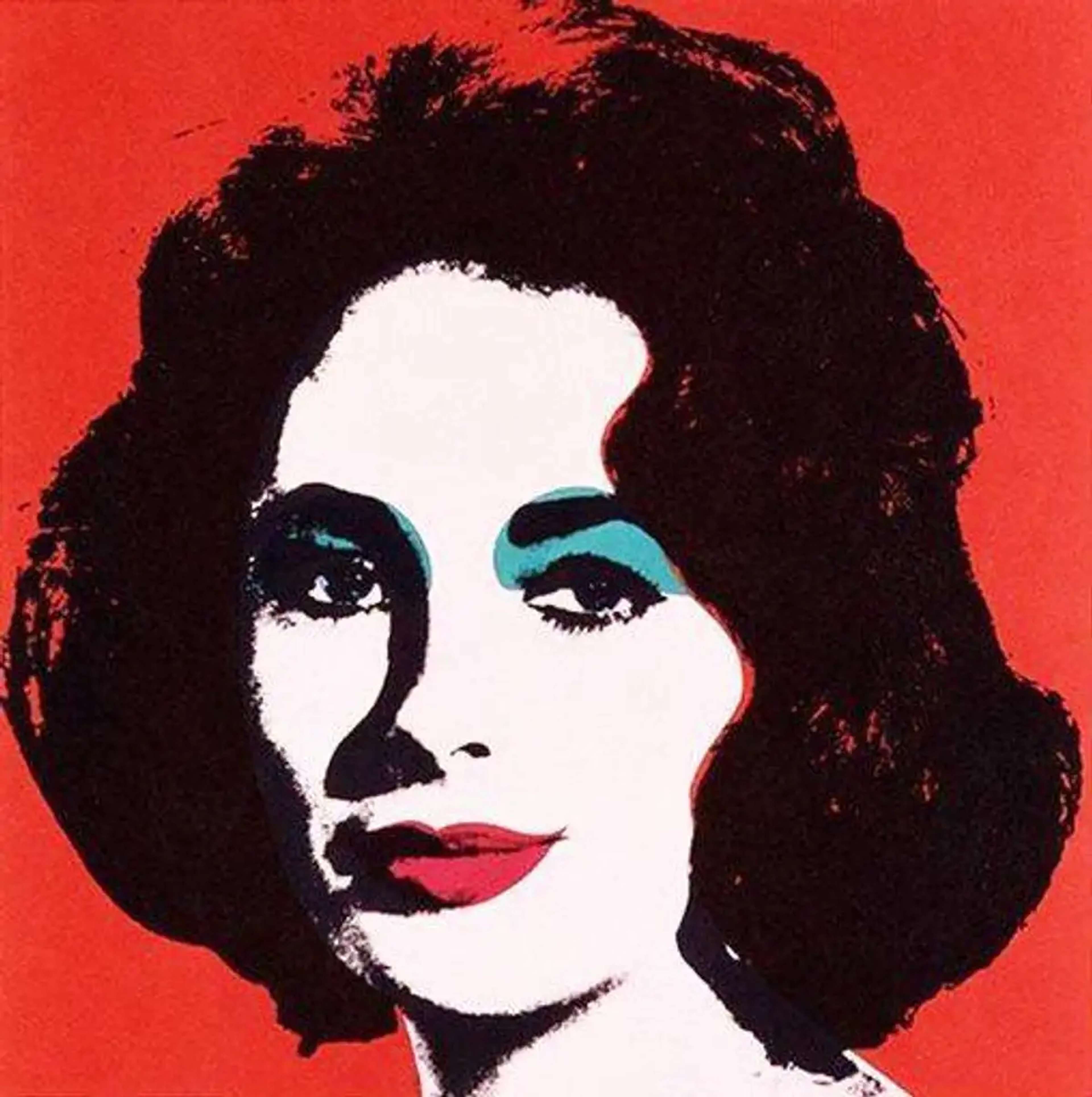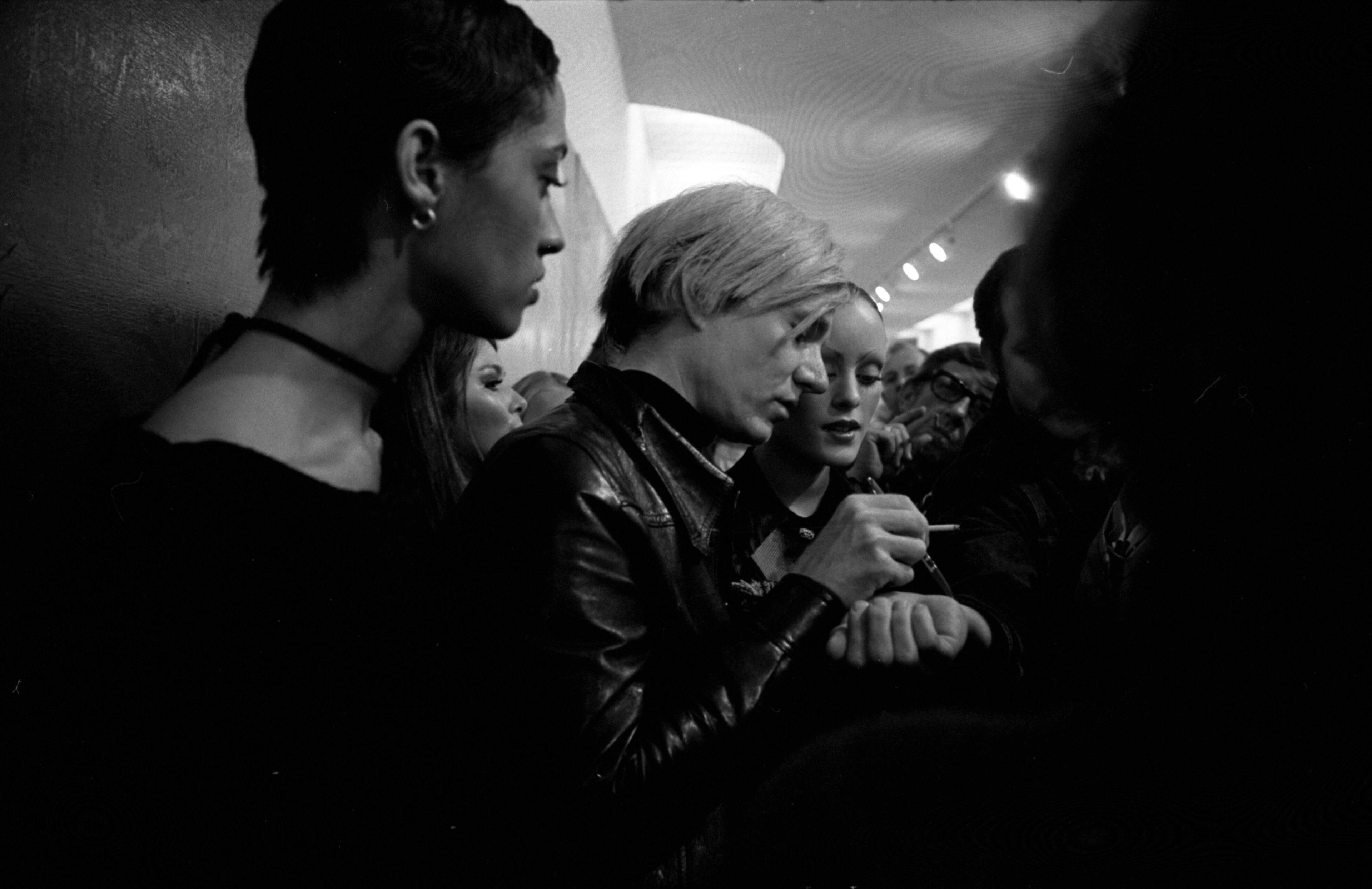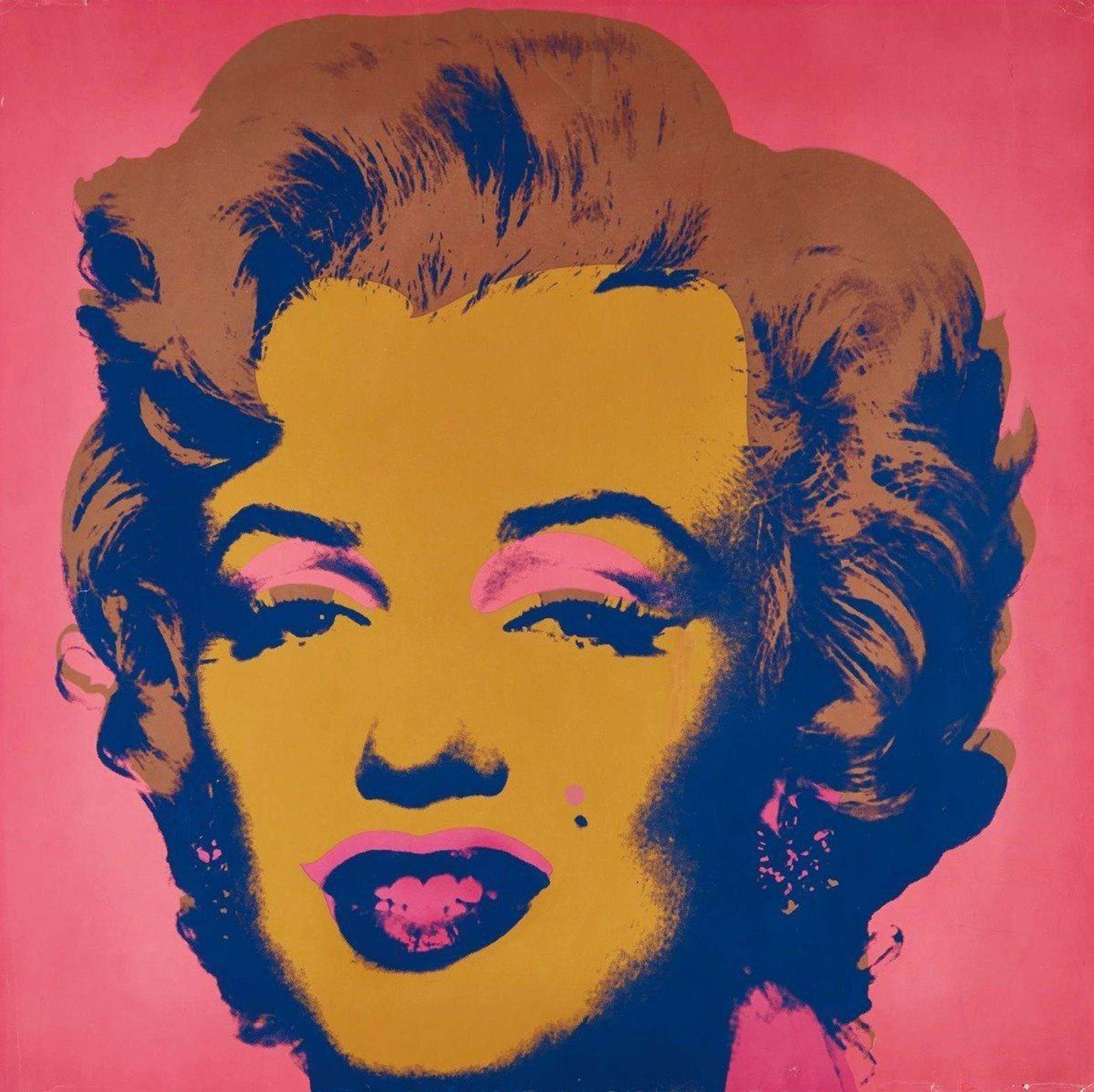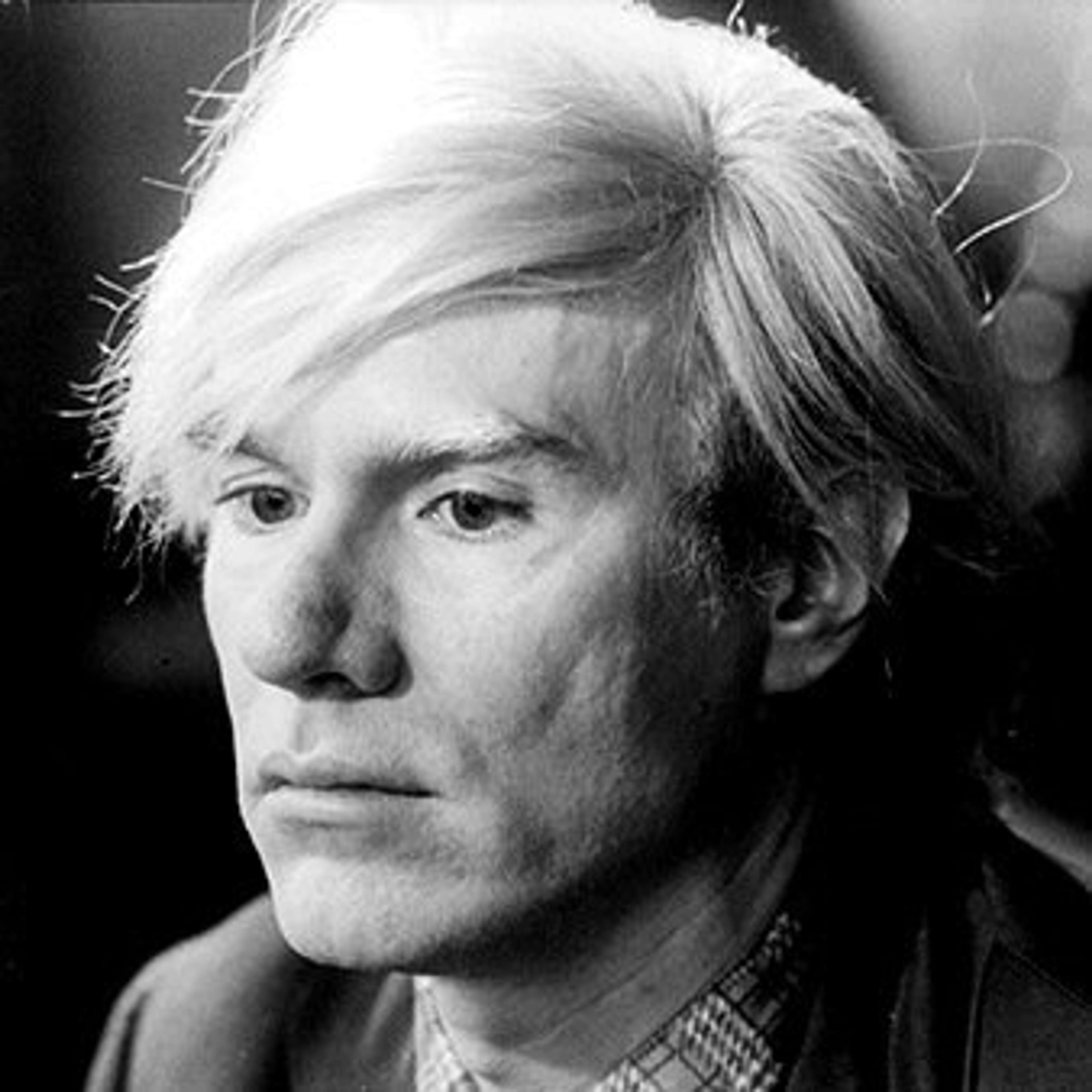


Andy Warhol’s Ingrid Bergman (1983) is a late-career series that recasts Sweden’s screen idol as a Pop icon. The three silkscreens draw on Bergman's films The Bells of St. Mary’s, Casablanca and a studio publicity portrait, reimagined in Warhol’s recognisable colour blocks and contour lines. Made in the orbit of his Marilyns and Liz Taylors, the series converts the actress into a reproducible emblem, fitting into Warhol’s broader inquiry into how mass media manufactures, markets and endlessly recycles celebrity.
Andy Warhol’s Ingrid Bergman series was commissioned by Galerie Börjeson in Malmö in 1983
Initiated by Galerie Börjeson, Malmö, the project resulted in a tightly focused portfolio honouring Sweden’s “national sweetheart”. Printed in New York by Rupert Jasen Smith and issued shortly after, the commission underscores how Warhol’s studio system could translate a local cultural tribute into globally legible Pop iconography, transforming Scandinavian subject matter through the Factory’s international reach.
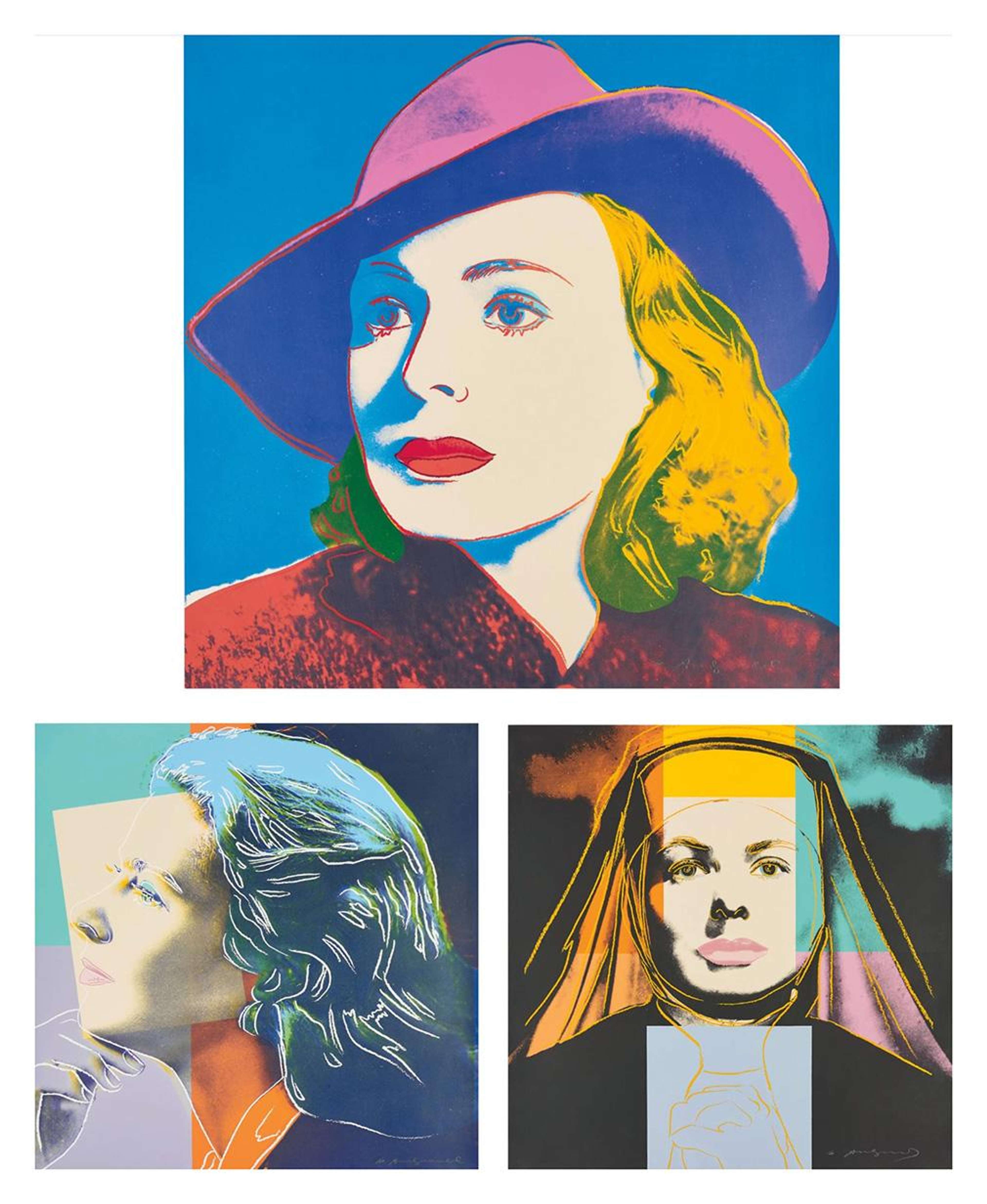
The Ingrid Bergman portfolio comprises three silkscreen prints
Warhol distilled Bergman’s star image into three prints: The Nun and With Hat cite recognisable film frames, while Herself returns to the studio headshot. Through these three stills, they show how celebrity is built across roles, publicity and memory. By naming each print with matter-of-fact titles, Warhol demonstrates how Pop Art’s devices - repetition, bright colours and sharp contour - help fame circulate.
The Nun reworks a still from The Bells of St. Mary’s (1945)
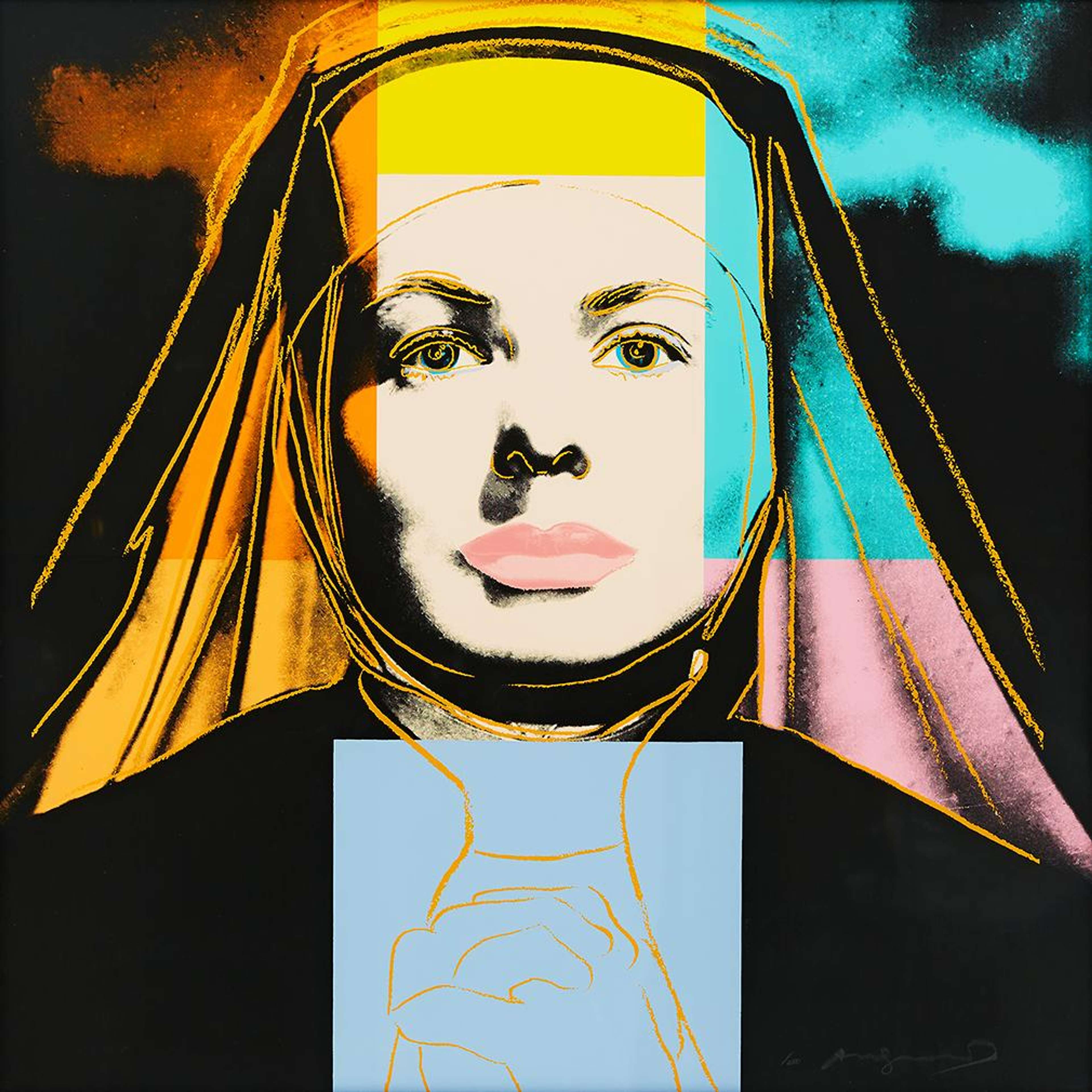
The Nun is based on a still from The Bells of St. Mary’s. Bergman’s face is framed by the lines of a nun’s wimple, but Warhol undercuts that austerity with bold blocks of saturated colour. Delicate outlines pick out her cheekbones and lips, while the dramatised background sky adds theatrical intensity. These choices turn the religious garments into a contemporary costume, hinting at the iconic blend of sainthood and stardom that appears in Warhol’s late portraits.
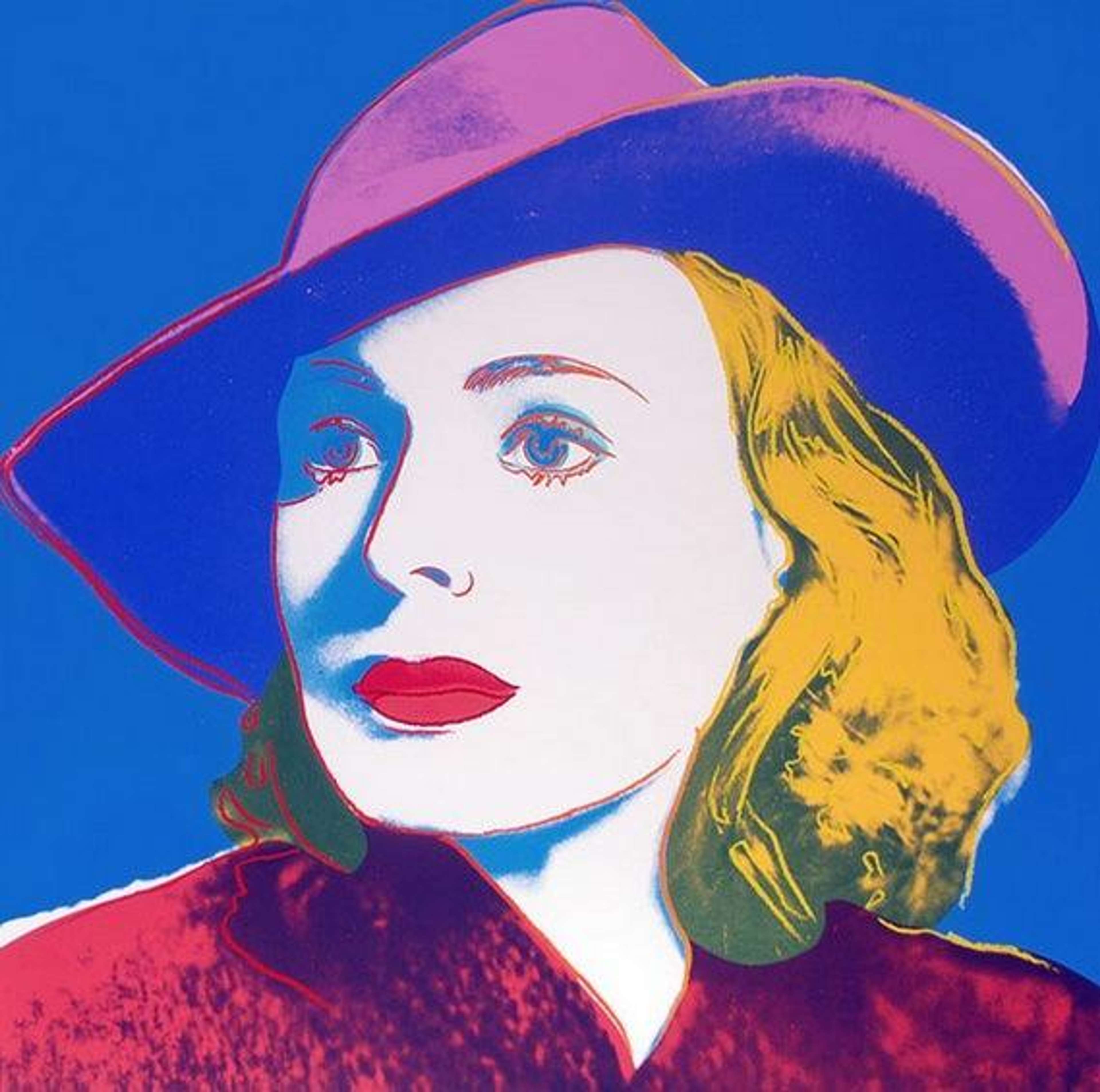
With Hat transforms a Casablanca film still into a glamour icon
With Hat comes from a still from Casablanca (1942). Bergman’s hat brim casts a shadow across her face, while flat, high-contrast colour fields make her eyes and lips stand out against a dark ground. By titling the print simply (and omitting the character name, Ilsa Lund) Warhol shifts attention from role to star, underscoringWarhol’s broader meditation on how mass media manufactures celebrity.
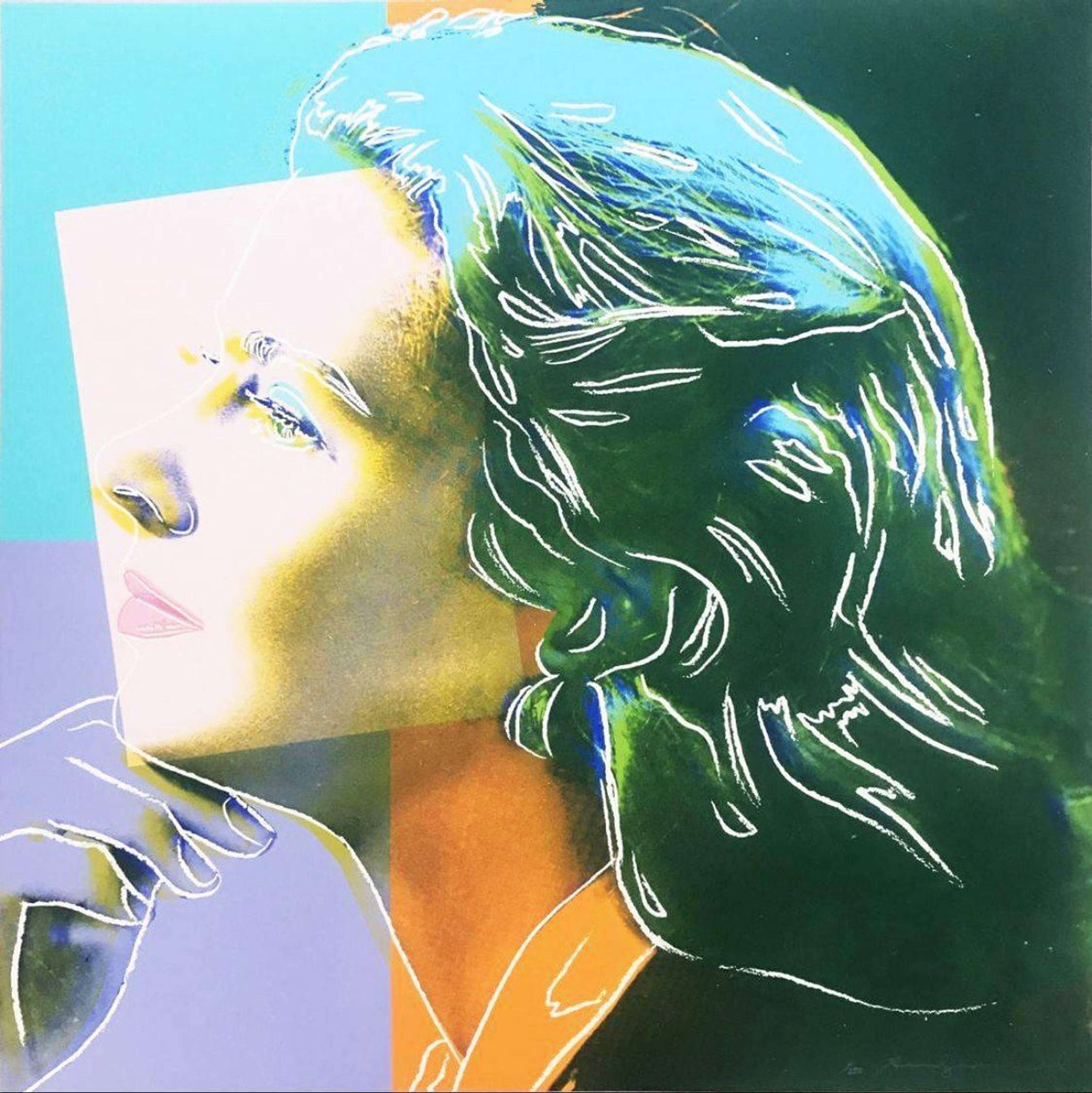
Herself transforms a studio publicity portrait into an introspective mediation

Based on a studio publicity photograph, Herself is the series' quietest plate, departing from the performance of the other images and delivering a thoughtful, contemplative headshot. Warhol overlays coloured shapes and hues with delicate outlines, softening Bergman’s gaze and creating form without traditional shading.
Ingrid Bergman’s award-winning screen legacy made her an ideal subject for Pop Art celebrity portraiture
Winner of three Academy Awards and two Emmys, and famed for Casablanca, Bergman embodied international stardom with intellectual grace. Her face—ubiquitous in newspapers, posters and television—already functioned as a global logo. Warhol’s suite recognises that built-in circulation: by appropriating film stills and publicity images into silkscreen, he translates her career into the visual economy he chronicled—where culture, commerce and icon-making converge.
Rupert Jasen Smith printed the Ingrid Bergman silkscreens in New York
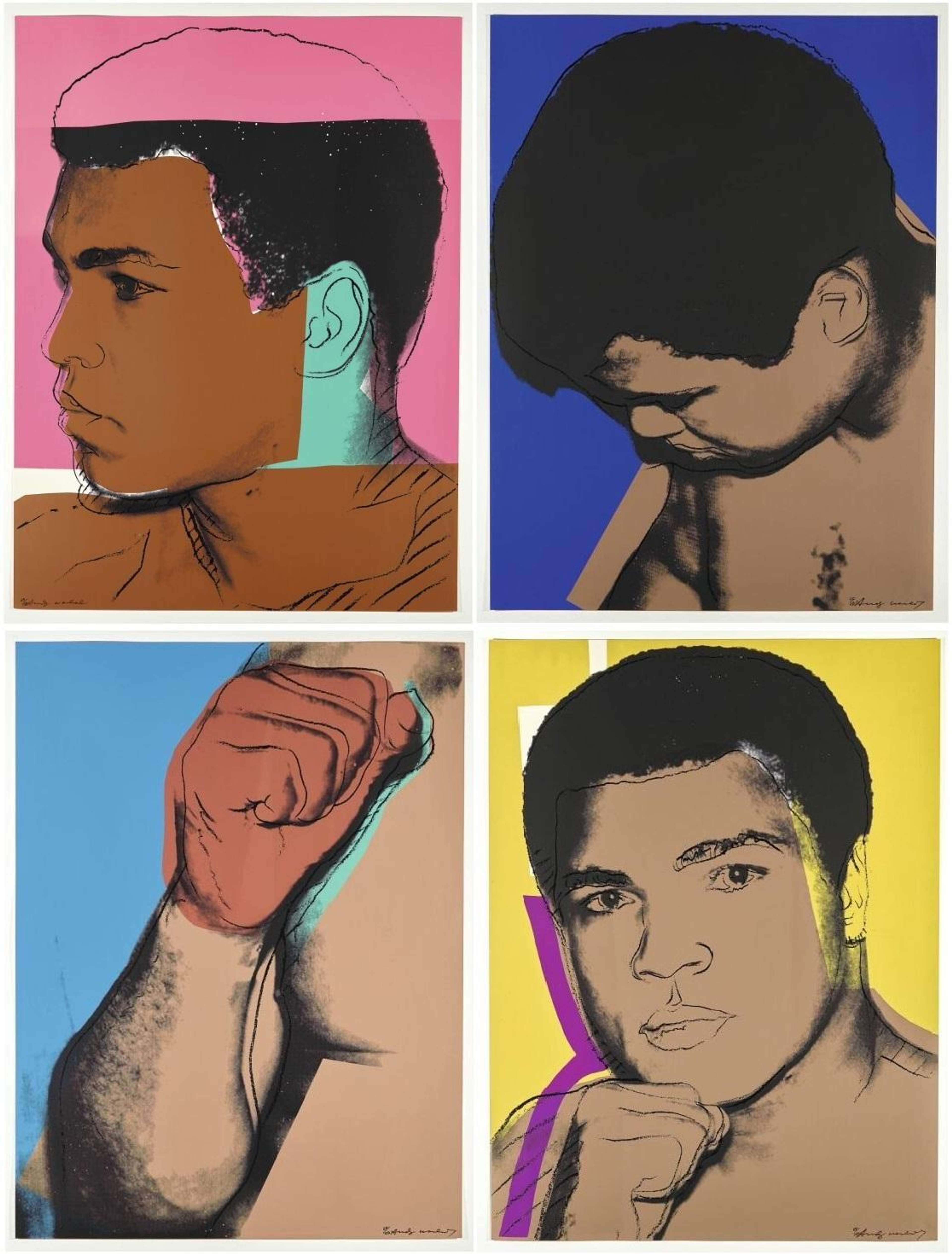
Executed at Rupert Jasen Smith’s workshop, the portfolio followed Warhol’s established production model: photographic source, screen separation, then iterative colourways across an edition. With Hat is known with a corresponding trial proof, revealing the artist’s process of fine-tuning palette and registration to achieve a precise emotional result.
Warhol’s colour blocks and geometric structure recast Bergman’s image as a modern icon
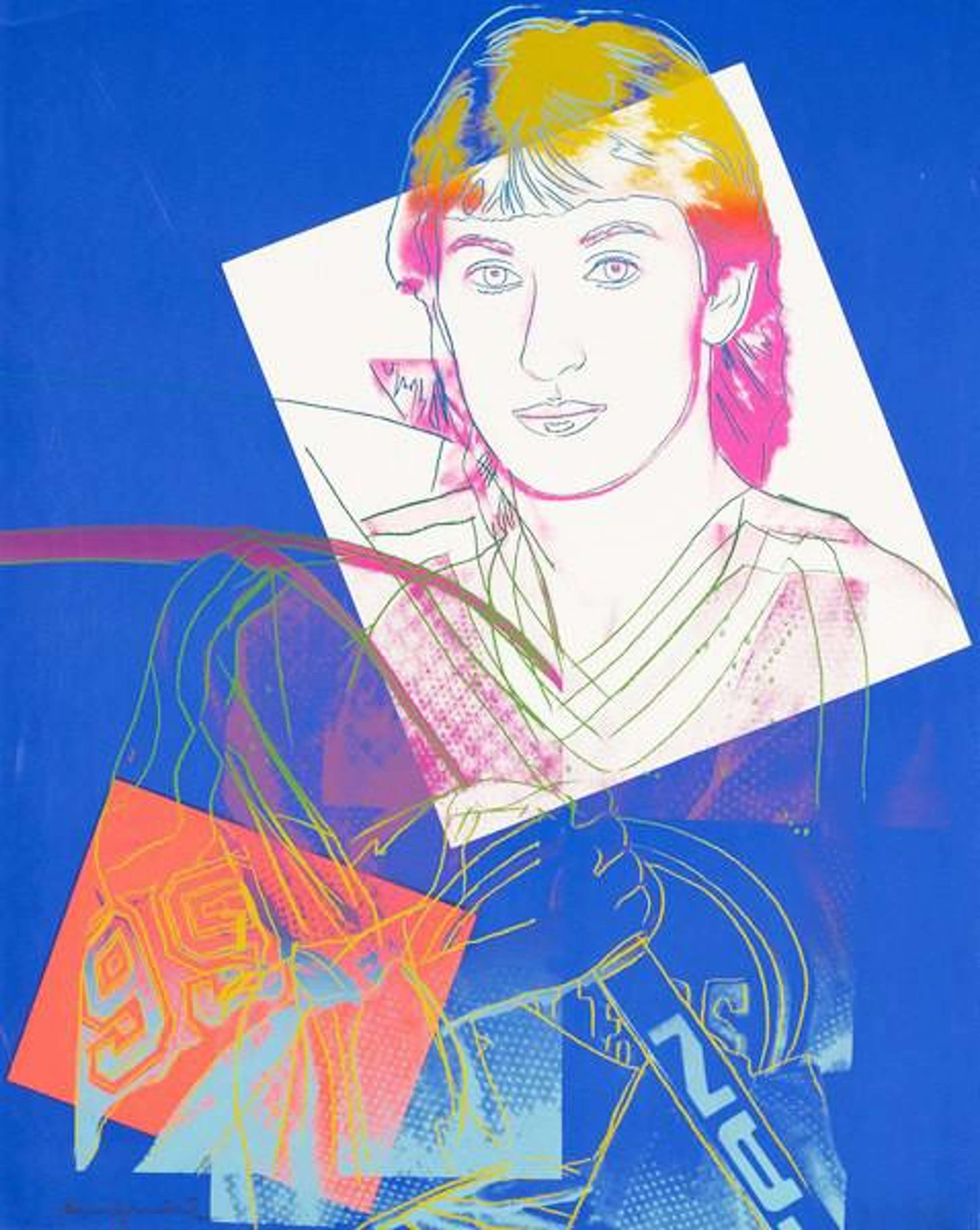
Across all three plates, Bergman never meets the viewer’s eyes. The averted gaze, highlighted by rectangles of bright colour, cultivates reverence and mystery - qualities associated with classic Hollywood publicity. Warhol leverages this distance, using Pop Art devices to suggest a modern image updated for a screen-saturated age.
The Ingrid Bergman portfolio is part of Warhol’s classic movie-star portraiture
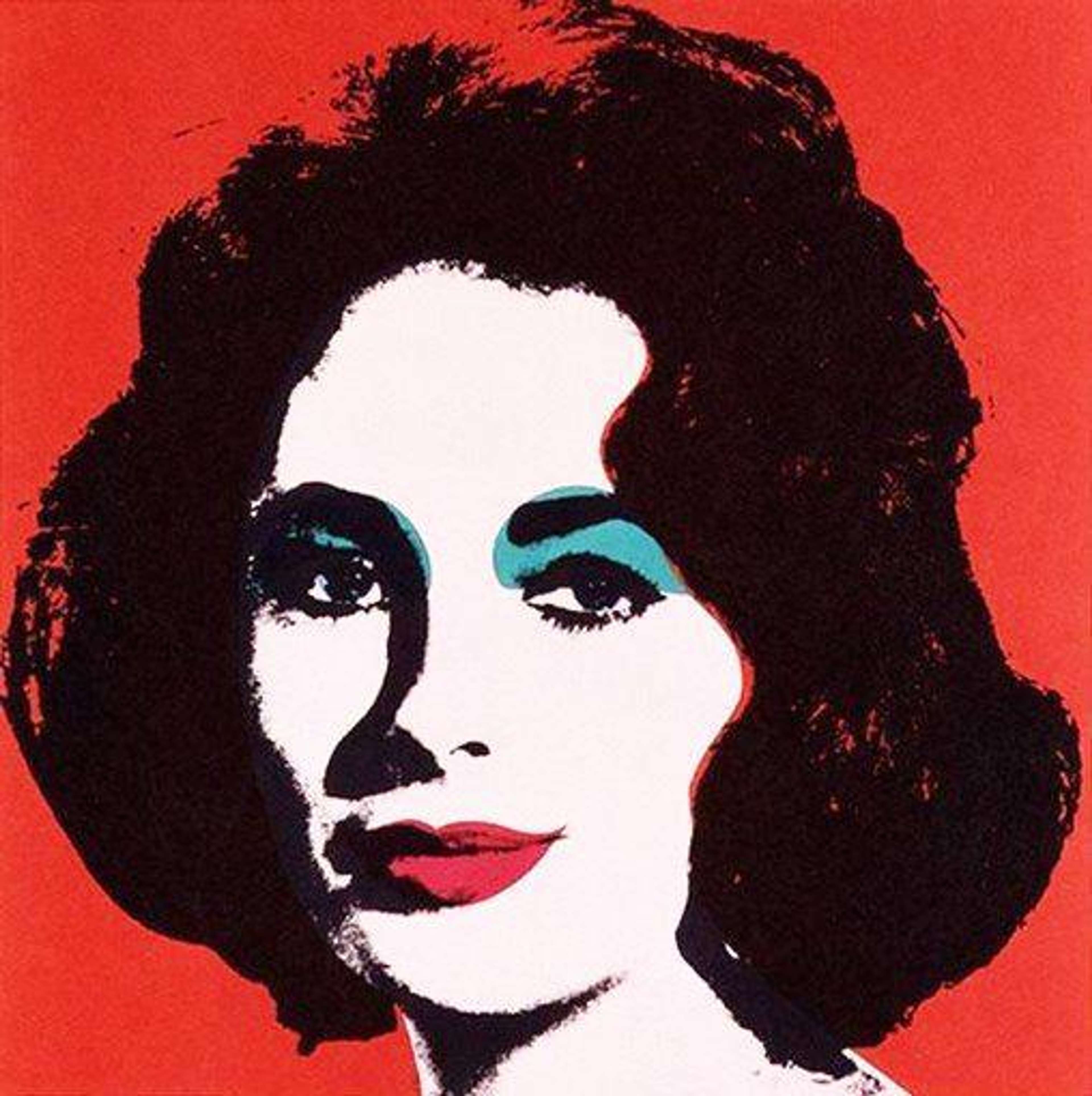
Beginning in the early 1960s with Marilyn Monroe, Elizabeth Taylor and Elvis Presley, Warhol turned celebrity into a modern genre. Ingrid Bergman revisits that theme two decades later with greater restraint: fewer panels and subtler palettes. This series reads as the continuity and evolution of Warhol’s obsession with celebrity culture, a late statement that continues to treat fame as both subject and system.
The Ingrid Bergman series was created one year after Bergman’s death and four years before Warhol’s
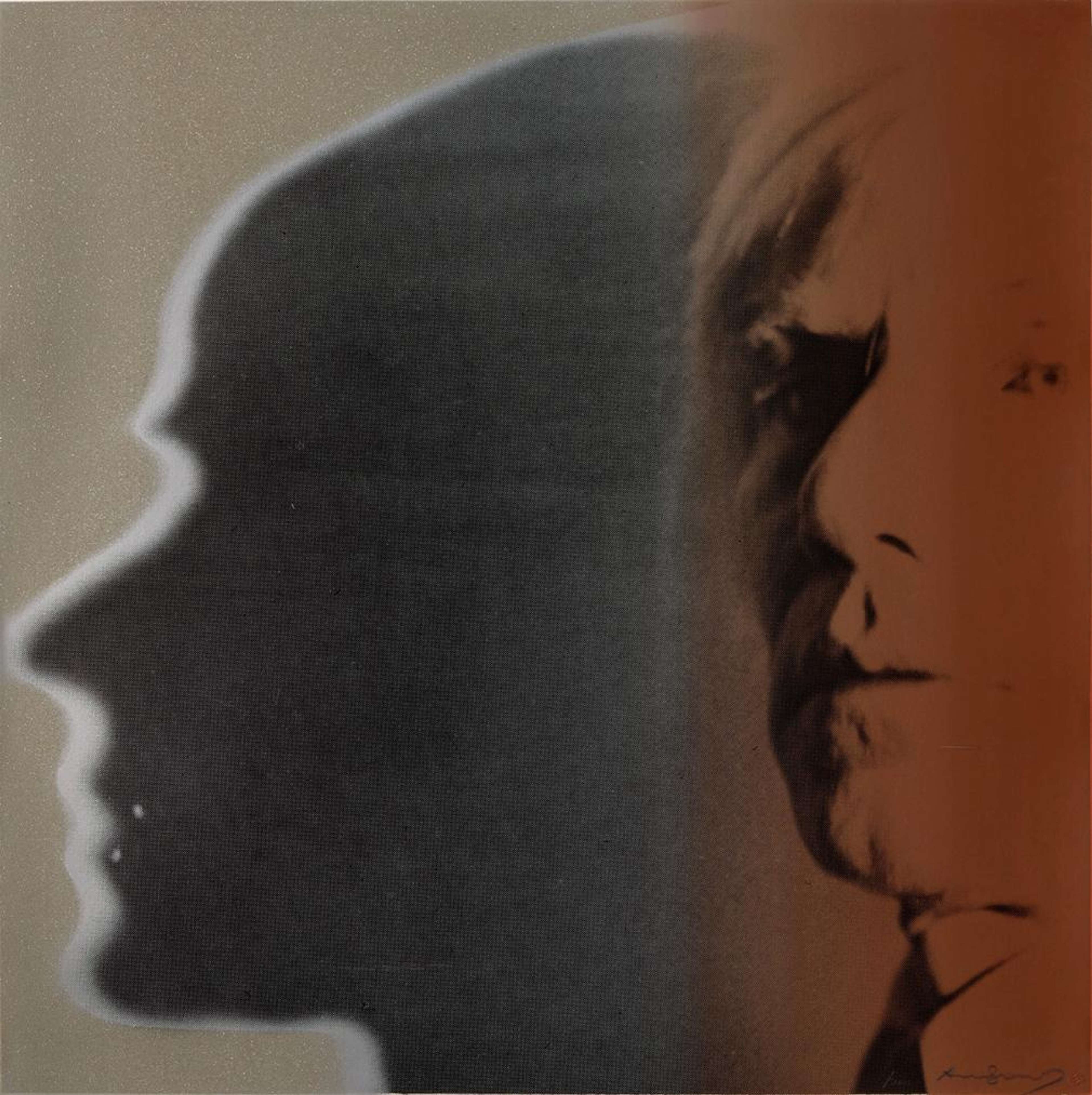
Completed in 1983, the portfolio arrived as an elegiac tribute (Bergman had died in 1982 of Lymphoma) while also being created close to Warhol's own death (d. 1987). This framing lends the suite a reflective tone, and communicates Warhol’s respect for the actress whilst contributing to the celebrity-icon genre he helped redefine.