Points
Of Contact - Linear Developments
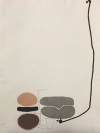
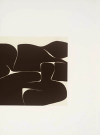
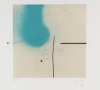
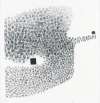
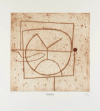
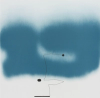
In the Points Of Contact - Linear Developments series, produced between 1970 and 1971, Victor Pasmore explores the rhythmic cadence of line and form through eight screenprints. This series exemplifies his abstract approach, focusing on the essence of linear dynamics to express movement within a static medium.
Victor Pasmore Points Of Contact - Linear Developments For sale
Points Of Contact - Linear Developments Value (5 Years)
Sales data across the Points Of Contact - Linear Developments series by Victor Pasmore varies by print. While standout works have sold at auction for up to £800, other editions in the series remain rare to market or have yet to appear publicly for sale. Of those tracked, average selling prices have ranged from £750 to £750, with an annual growth rate of 3.12% across available data. Collectors should note the discrepancy in performance between more visible and lesser-seen editions when considering value potential in this series.
Points Of Contact - Linear Developments Market value
Auction Results
| Artwork | Auction Date | Auction House | Return to Seller | Hammer Price | Buyer Paid |
|---|
Sell Your Art
with Us
with Us
Join Our Network of Collectors. Buy, Sell and Track Demand
Meaning & Analysis
Victor Pasmore's Points Of Contact - Linear Developments represents a pivotal exploration in his oeuvre, where the focus shifts towards the interaction between line, form and space to create visual narratives that transcend their simple geometric origins.
Each print in the series, from Linear Development A through to Linear Development 7, utilises a minimalist colour palette and defined lines to explore the visual impact of linear continuity and interruption. Pasmore employs these elements not just to define space but to suggest motion and progression within each composition.
Pasmore's placement of intertwined lines and geometric shapes across the series creates a visual rhythm. This rhythmic quality is enhanced by the repetition and variation of forms, which echo musical phrasing and thematic development in a visual context. The simplicity of the individual elements contrasts with the intricate relationships they form, embodying the boldness yet balance of his artistry.