
Andy Warhol remains one of the most sought-after artists in the prints and editions market. While exceptional works continue to achieve record prices, buyers have become increasingly selective, placing greater emphasis on rarity, edition type, signature status and provenance. Understanding how these factors influence value is essential for anyone considering selling a Warhol print in 2026.
Is Now A Good Time To Sell An Andy Warhol Print?
For sellers, 2026 is a favourable time to seek a Warhol print valuation or consider bringing a work to market, particularly if you own a rare edition or one of the artist's most iconic images.
The global prints and editions market is up 16% year-on-year, according to ArtTactic, reinforcing renewed confidence in blue chip editioned works. Within that market, Warhol remains one of the most liquid and internationally recognised artists. As confidence has returned, collectors have become increasingly selective, competing most strongly for exceptional examples with rarity, provenance and strong condition.
Warhol is also benefiting from renewed institutional and cultural attention. The centenary of Marilyn Monroe's birth is expected to bring fresh focus to one of his most celebrated print portfolios, while his continued presence across the worlds of art, fashion and luxury reinforces his relevance with both established and emerging collectors.
Sellers looking to compare the long-term performance and market consistency of Warhol's most sought-after collections can explore our latest Most Investable Collections Report.
How Much Is My Andy Warhol Print Worth In 2026?
The value of Warhol print depends on several factors, including the series, image, edition type, colourway, condition and provenance. While his most recognisable works continue to attract the strongest demand, buyers have become increasingly selective, rewarding rarity and exceptional examples rather than lifting prices across entire series.
Warhol’s market has remained resilient through 2025 and into 2026. Complete portfolios, rare proof formats and colourways continue to command significant premiums, while well-preserved main editions from the artist’s strongest series remain highly sought after.
Value of Andy Warhol Marilyn Prints
Marilyn remains one of Warhol's strongest-performing print series, but recent auction results show that value can vary significantly between colourways and proof types. In April 2026, the black Marilyn (F. & S. II.24) achieved two record prices within weeks of each other: a main edition sold for £423,294 ($572,000)at Doyle Auctioneers, while an proof realised £299,568 ($406,400) at Christie's New York. Both exceeded the previous auction record for the colourway, demonstrating sustained demand for exceptional examples and reinforcing the importance of rarity, provenance and edition type when valuing a Warhol print.
Value of Andy Warhol's Most Popular Prints
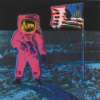
Demand remains strongest for Warhol’s most recognisable series, proven by recent auction results. In April 2026, the hot pink impression of Moonwalk (F. & S. II.405) achieved £207,164 ($280,000) at Sotheby’s. The pink hue is the most sought-after colourway, and the result showed that demand remained strong following several high-value sales for the series in 2025.
Warhol’s Queen Elizabeth II also continued to attract strong demand. In June 2026, a Royal Edition Printer’s Proof sold for £276,148 ($374,000) at Ketterer Kunst, showing the premium buyers continue to place on rare proof impressions.
What Determines The Value Of An Andy Warhol Print?
No two Warhol prints are valued in exactly the same way. While the series a work belongs to is an important starting point, collectors also consider factors such as edition type, colourway, rarity, condition and provenance when determining value. As a result, two impressions from the same portfolio can achieve very different prices.
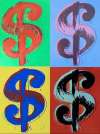
Much of Warhol's market is driven by the themes that defined his career. His portraits of celebrities, explorations of consumer culture and reinterpretations of everyday objects remain some of the most recognisable images in contemporary art, helping to sustain long-term collector demand. Series such as Marilyn, Campbell's Soup, Ads, Dollars, each represent different aspects of his wider artistic practice. Understanding where your print sits within that broader context can help explain why certain collections consistently outperform others.
Collectors also place increasing emphasis on the characteristics of an individual print rather than the portfolio alone. Rare proof impressions, desirable colourways, complete portfolios and exceptional provenance can all command significant premiums, while condition remains one of the most important factors influencing value.
What Is Andy Warhol Print Value by Edition Type?
Edition type is one of the biggest factors influencing Andy Warhol print values. Signed editions, unsigned editions, Artist's Proofs, Trial Proofs and complete portfolios each occupy different parts of the market, with rarity and collector demand determining the premiums buyers are willing to pay.
Signed vs Unsigned Andy Warhol Print Value
Signed Warhol prints generally achieve stronger prices than unsigned examples, supported by greater buyer confidence and clearer provenance. Between 2025 and the first half of 2026, over 800 signed Warhol prints sold at auction compared with just under 100 unsigned examples. However, unsigned prints should not automatically be viewed as less desirable. Certain editions were legitimately issued unsigned, meaning catalogue inclusion, provenance and demand for the image can add value without a signature.
Andy Warhol Main Edition Print Value
Main editions account for the vast majority of Warhol prints sold at auction each year, making them the most liquid segment of the market. While rare proofs often command premiums because of their scarcity, exceptional main editions can compete closely when collector demand is strong and supply is limited.
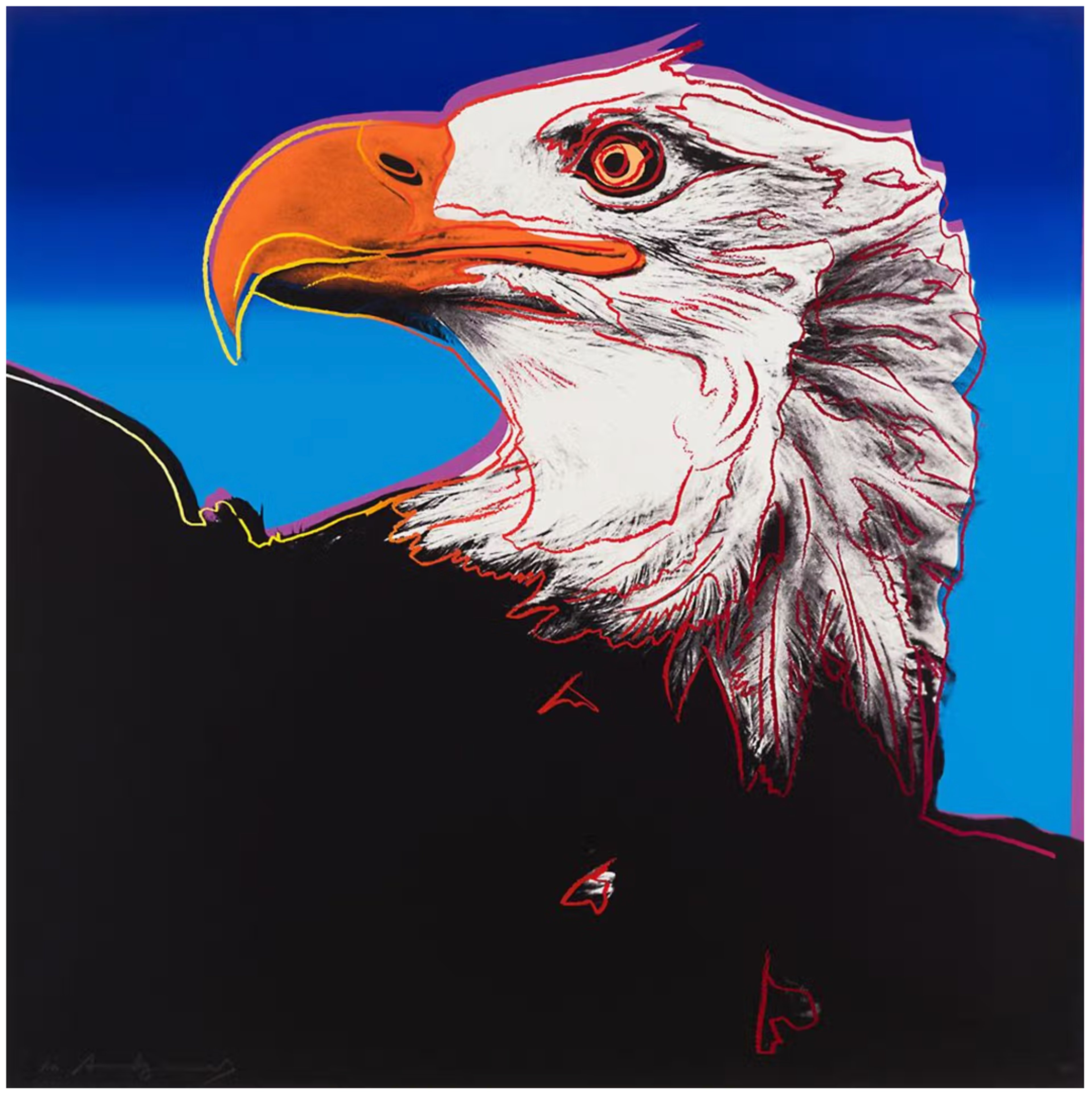
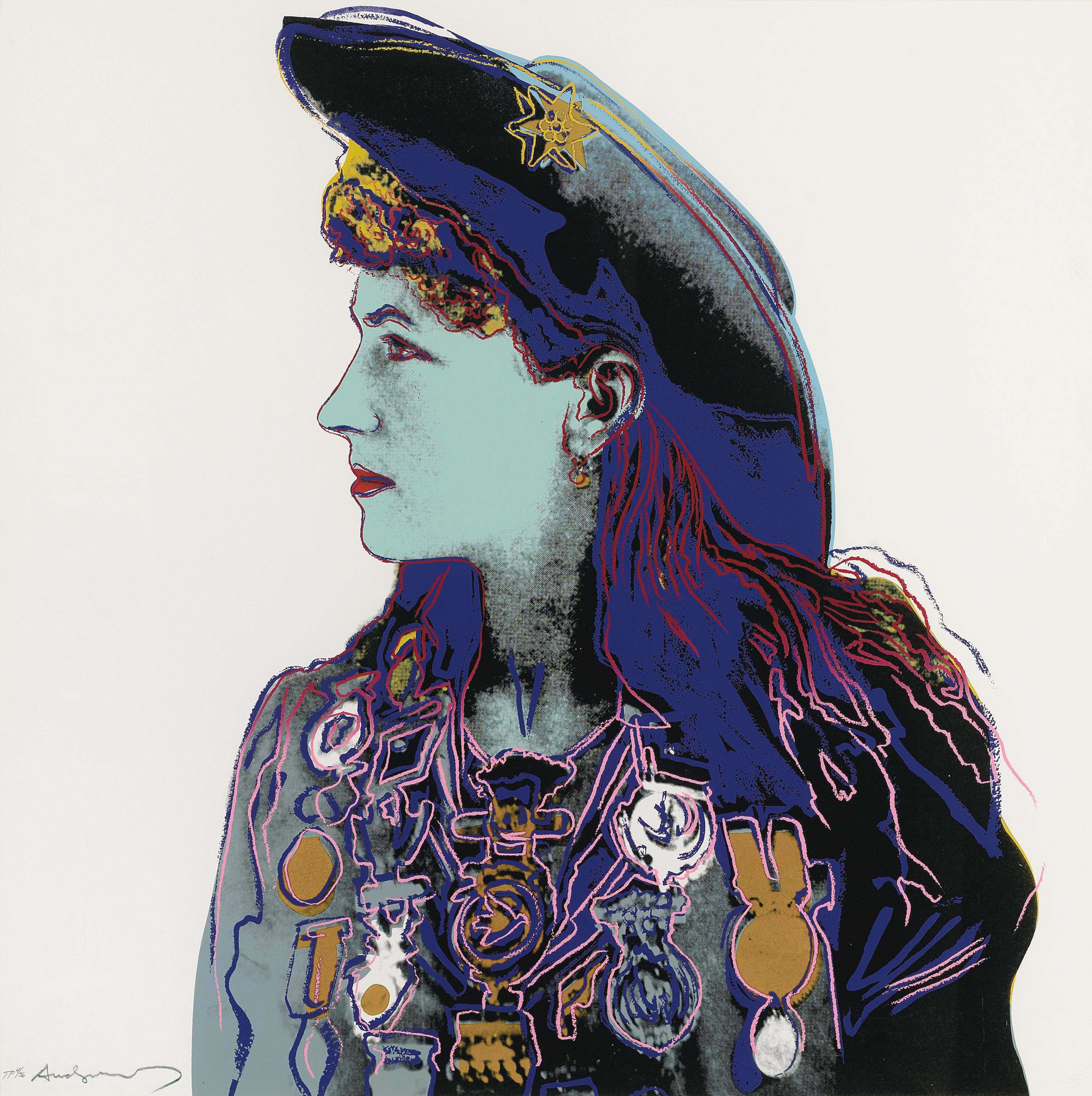
Some of Warhol’s highest-value main editions come from collections including Marilyn, Endangered Species, Mick Jagger and Reigning Queens. Their value depends not only on the image or series, but also on condition, provenance and how often comparable impressions are available.
Certain main editions are themselves highly individual. In series such as Sunset and Double Mickey Mouse, each impression was printed in a unique colourway rather than repeated across a standard palette. This means that even works from the same numbered edition can differ considerably in appearance and value.
Andy Warhol Artist Proof Print Value
Artist's Proofs are generally produced in much smaller numbers than the standard edition and often command premiums over comparable main editions. That premium, however, is never guaranteed and the value of top-tier results are determined by factors such as condition, provenance and the availability of comparable works.
The most frequently traded Artist's Proofs come from collections such as Marilyn and Mick Jagger, where they provide collectors with a rare alternative to the standard edition. Notably, no Trial Proofs from either series have yet appeared at public auction, making Artist's Proofs the rarest publicly traded proof format for these collections.
Andy Warhol Trial Proof Print Value
Trial Proofs represent one of the rarest categories in Warhol's print market. Produced during the printing process to test colours and compositions, they often feature unique colour combinations that never appeared in the published edition.
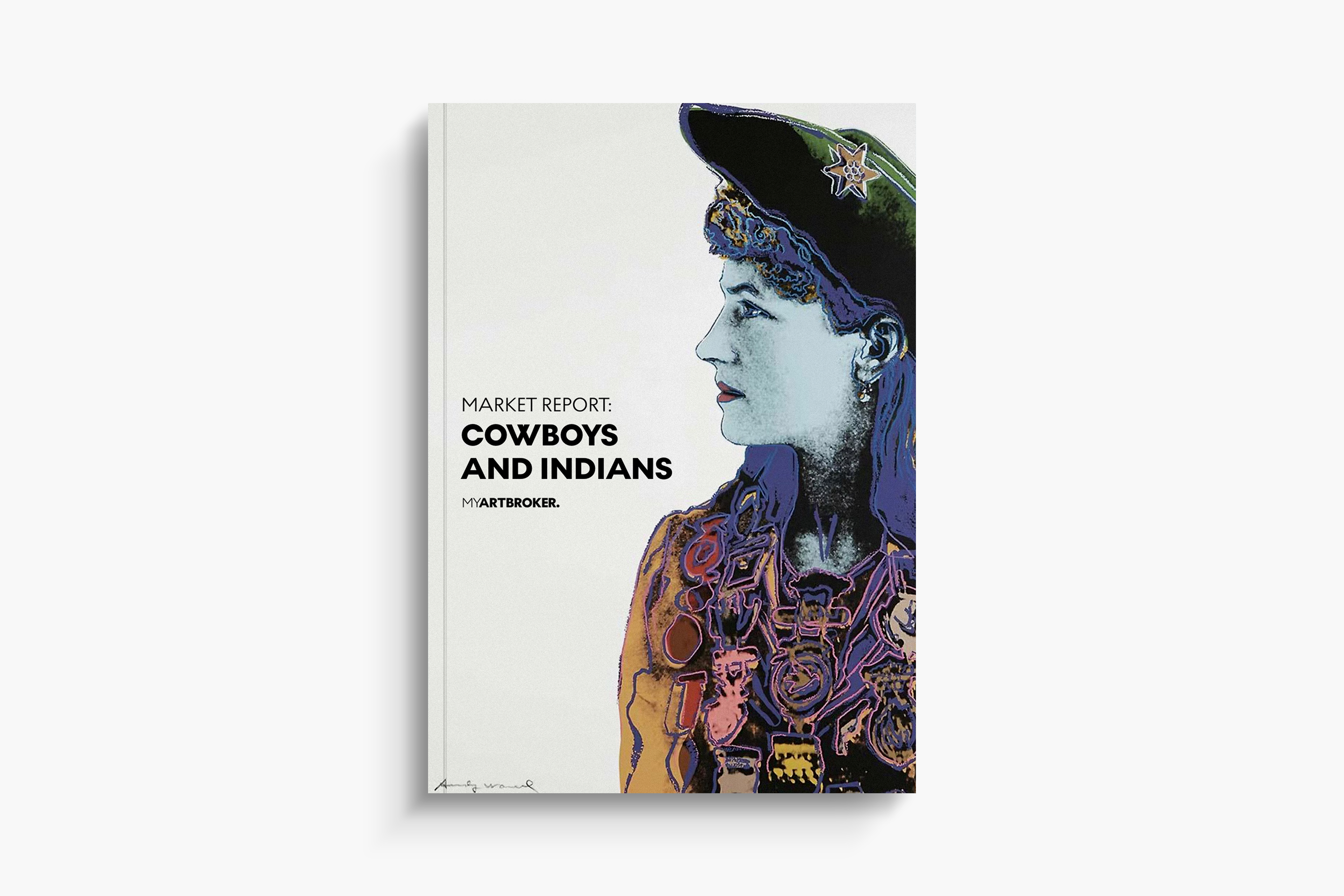
They are most commonly encountered in portfolios comprising multiple images rather than repeated versions of a single composition. Endangered Species has become one of the strongest-performing Trial Proof markets, with a complete set matching the standing auction record in the May 2026 New York sales, achieving £3,332,002 ($4,467,000). Other portfolios including Ads, Myths and Cowboys and Indians have also produced record Trial Proof results in recent years, reflecting sustained demand for Warhol's most experimental works.
Andy Warhol Complete Set Value
Complete portfolios occupy a distinct tier of Warhol's market. By preserving an entire series, they offer collectors a level of rarity and completeness that individual prints cannot replicate, and they consistently achieve some of the artist's highest auction prices.
The complete Marilyn portfolio is the auction record for a Warhol print, selling for £4,070,148 ($4,980,000) in 2022. More recently, the complete Ads portfolio achieved £2,194,719 ($2,926,000) during the May 2026 New York sales, continuing the series' upward trajectory. Complete portfolios of Flowers, Mick Jagger and Mao have also achieved multi-million-pound results, demonstrating sustained demand across Warhol's most celebrated collections. While many collectors associate Warhol portfolios with editions of ten, several were issued in smaller formats, with some comprising just two or four prints.
Request a free instant valuation to compare your Warhol print against recent auction results and private sale demand.
How to Authenticate an Andy Warhol Print Before Selling
Authenticating a Warhol print is an essential step before bringing it to market. Buyers expect works to be supported by recognised catalogue references, publisher records and a clear ownership history. Without this documentation, even genuine prints can be more difficult to value and sell with confidence.
The first step is to confirm that the print corresponds with the Feldman & Schellmann Catalogue Raisonné, the definitive reference for Warhol's prints. The catalogue entry should match the image, dimensions, edition size, publisher and any proof designation. Sellers should also verify whether the work was issued signed or unsigned, as both formats exist within Warhol's print market.
Supporting provenance can further strengthen buyer confidence. Gallery invoices, previous auction records, certificates, exhibition history and other documentation help establish a clear ownership history and support the work's authenticity.
The Andy Warhol Foundation for the Visual Arts no longer authenticates works or issues certificates of authenticity. As a result, buyers and specialists rely on the catalogue raisonné, publisher information and documented provenance when assessing authenticity. If there is any uncertainty about a print's edition, signature or history, it is advisable to seek advice from a Warhol print specialist before offering the work for sale. Resolving these questions early can help avoid delays and give buyers greater confidence when the print reaches the market.
Andy Warhol Print Condition & Conservation – How to Protect Value Before Selling
Condition is one of the most important factors affecting the value of a Warhol print. Collectors pay particularly close attention to colour vibrancy, paper quality and overall presentation, meaning even relatively minor condition issues can influence both auction and private sale results.
Many of Warhol's prints were produced using bold, highly saturated screenprinted colours that are especially susceptible to fading if exposed to prolonged sunlight or poor environmental conditions. Handling marks, paper discolouration, undulation, foxing and damage caused by acidic mounts or unsuitable framing can all reduce buyer confidence, particularly for high-value editions and rare proofs.
Professional conservation can be appropriate in some circumstances, but unnecessary restoration may do more harm than good. Collectors generally prefer original condition with fully documented age-related wear to aggressive cleaning, bleaching or undocumented repairs that alter the original work.
Before bringing a Warhol print to market, it is advisable to obtain a professional condition assessment. Clear condition reporting, appropriate storage and transparent disclosure of any conservation work will help buyers assess the print with confidence and can contribute to achieving the strongest possible sale price.
Where Can I Sell My Andy Warhol Print?
When selling a Warhol print, the two primary routes are auction and private sale. The best option depends on the rarity of your work, current market conditions and whether there is likely to be competitive demand. If you're unsure whether the timing is right, our guide on Is Now a Good Time to Sell Your Print? explores the latest market trends and what they mean for sellers.
Selling an Andy Warhol Print at Auction: Fees & Risks
Auction can be an effective route for rare proofs, complete portfolios and exceptional examples that have the potential to attract competitive bidding and establish a new price benchmark. It can also be appropriate for works that rarely appear on the market, where public demand is difficult to predict.
However, sellers should also consider auction costs, including seller's commission and marketing fees, fixed sale calendars, public estimates and the possibility of an unsold lot. Comparable main editions are often more sensitive to competing supply and estimate strategy, meaning a poorly timed auction or an unrealistic estimate can affect the final outcome.
Selling an Andy Warhol Print Through Private Sale
Private sale allows sellers to price a work against recent auction results while avoiding public estimate exposure and maintaining greater control over the sale process. It also offers greater flexibility over timing and enables works to be matched directly with collectors actively seeking a particular series, colourway or proof type.
This approach can be particularly effective for high-value Warhol prints where discretion, pricing control and access to targeted buyers are priorities. To understand the differences between the two routes in more detail, read our guide to Auction vs Private Sale.
Why Sell Your Andy Warhol Print With MyArtBroker
Selling a Warhol print involves more than securing the highest price. Understanding current demand, identifying the right buyers and choosing the most appropriate route to market can all have a significant impact on the final outcome. Our specialists combine live market data with years of experience in Warhol's print market to help sellers make informed decisions at every stage of the process.
Speak To An Andy Warhol Print Specialist
Whether you're ready to sell or simply want to understand what your print is worth, our specialists can provide a confidential valuation based on recent auction results, private sale activity and current collector demand. You can request a free instant valuation or speak directly with our sales team to discuss the best strategy for your print.
Access an International Network of Warhol Collectors
Through our Trading Floor and global private collector network, we connect Warhol prints directly with active buyers looking for specific series, colourways, proof types and complete portfolios. This targeted approach can be particularly effective for rare works that benefit from being introduced to the right collector rather than waiting for the next auction season.
0% Seller's Commission
Unlike the traditional auction model, MyArtBroker charges sellers 0% commission. Our fee is agreed with the buyer, providing a transparent selling process while allowing sellers to retain more of the final sale price.
A Fully Managed Selling Process
From valuation and buyer matching to condition guidance, documentation and logistics, our team manages every stage of the transaction. Whether your print is best suited to auction or private sale, we work with you to achieve the strongest possible result while making the process straightforward and confidential.