Space
Fruit
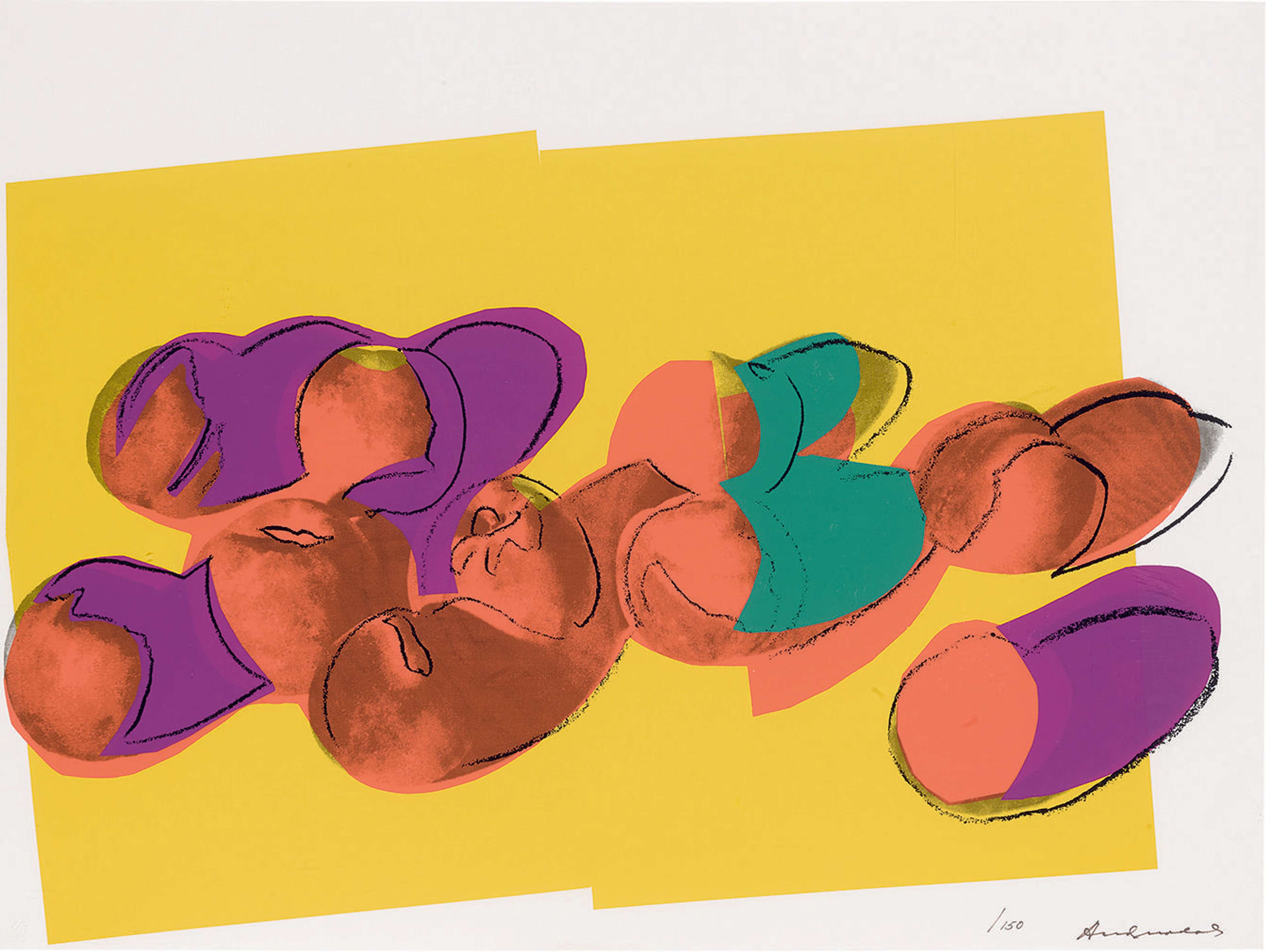
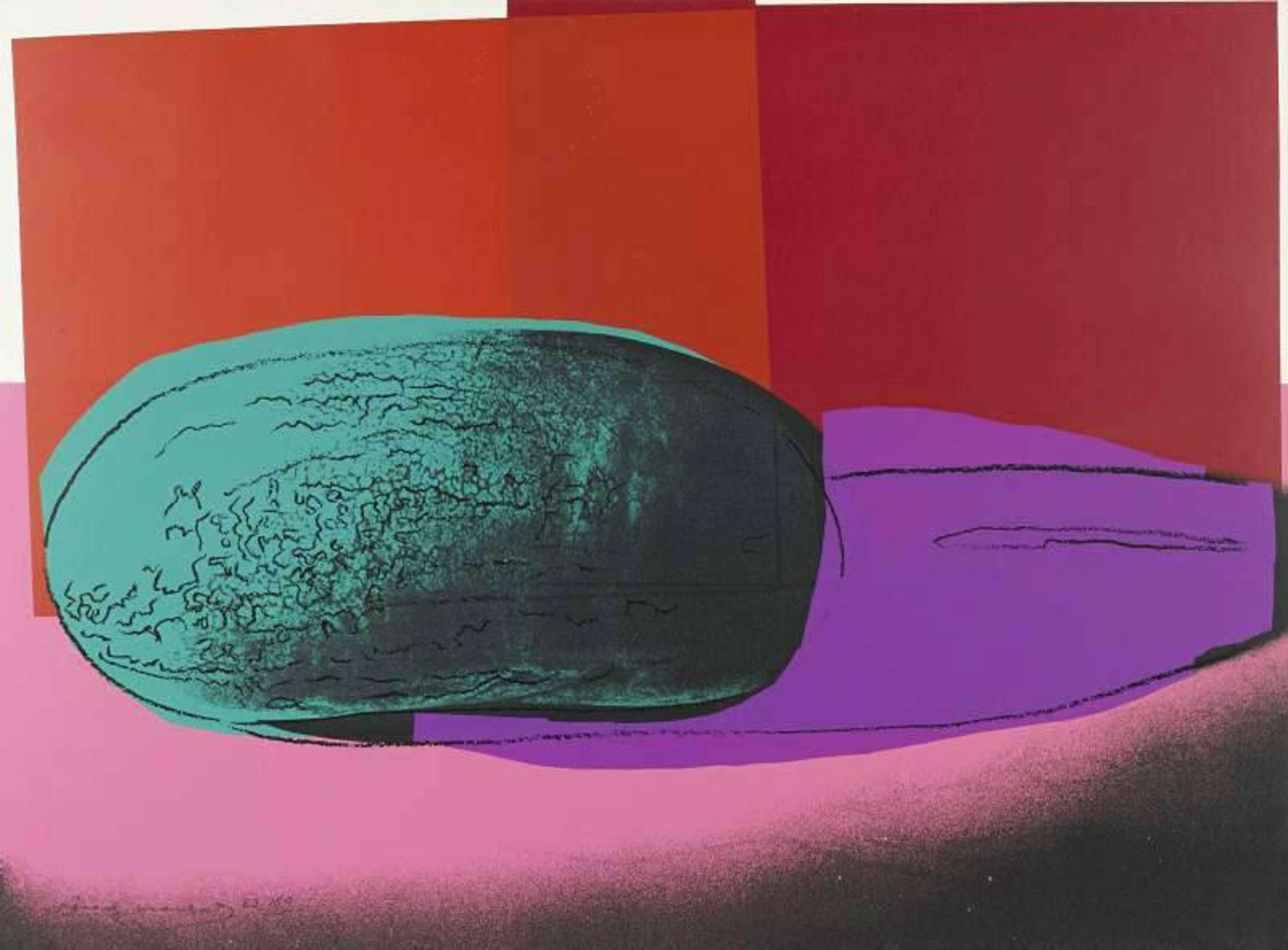
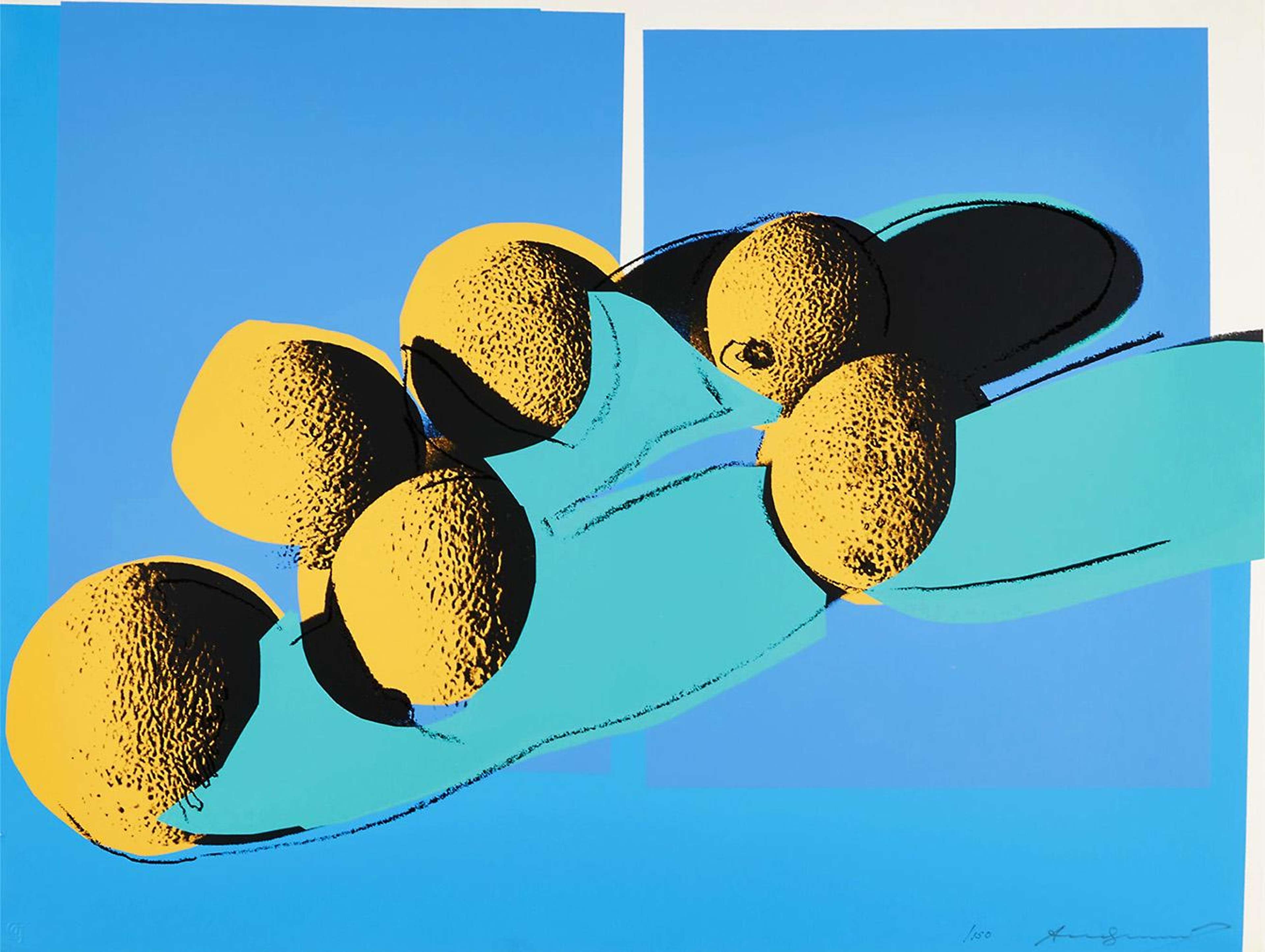
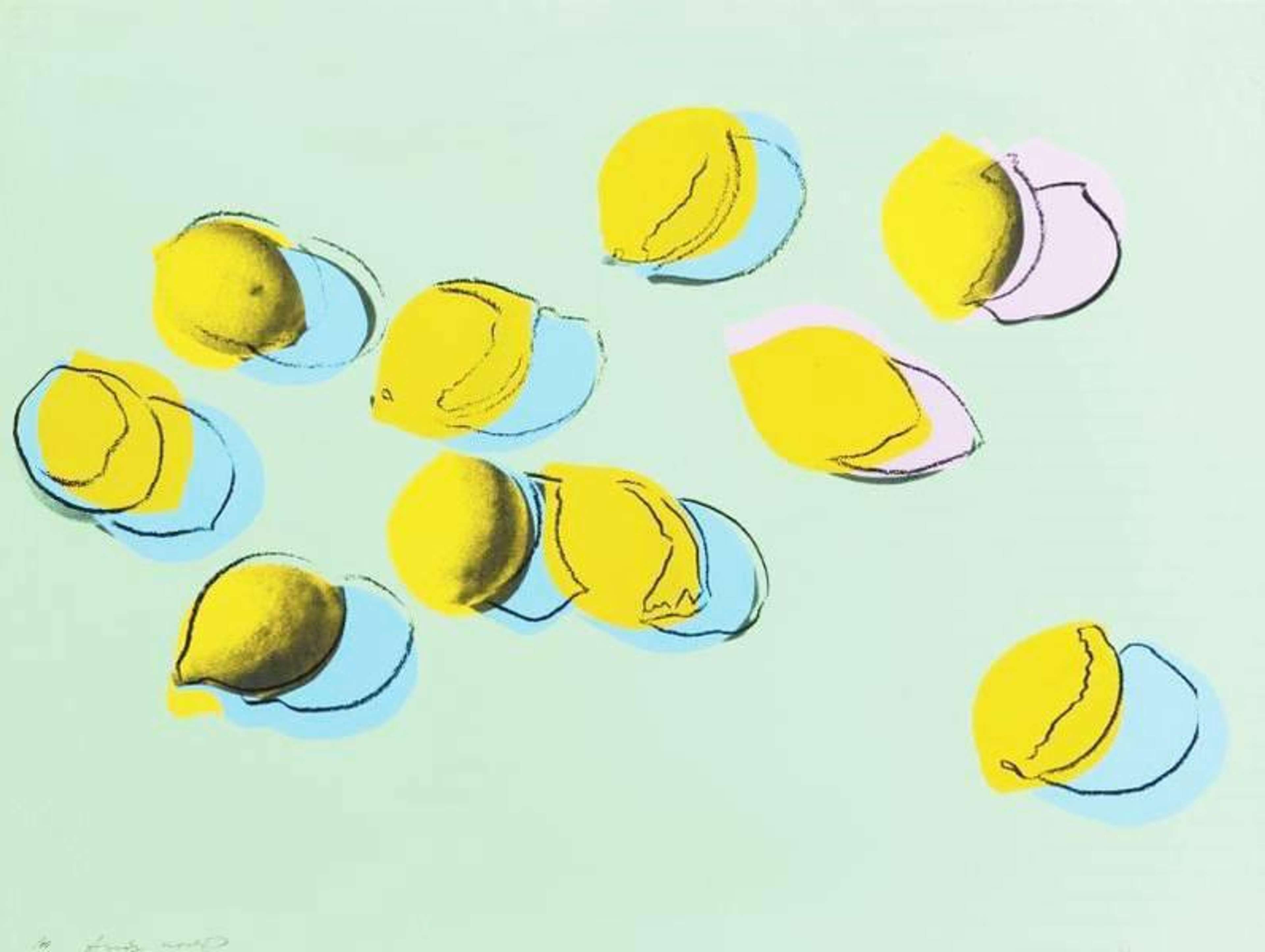
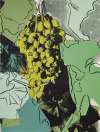
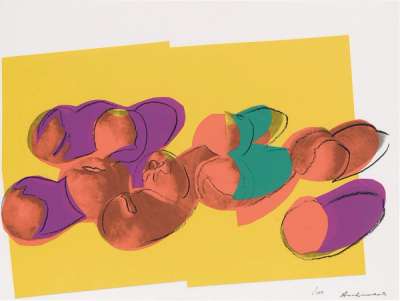
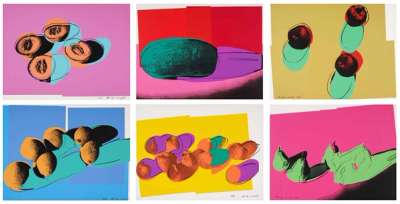
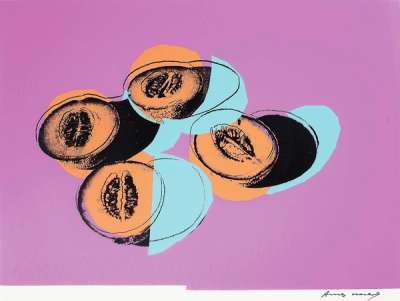
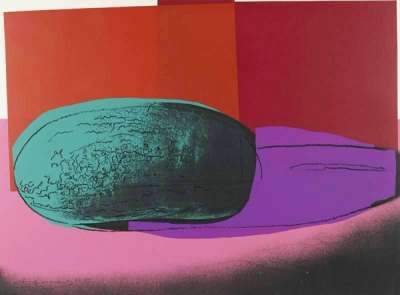
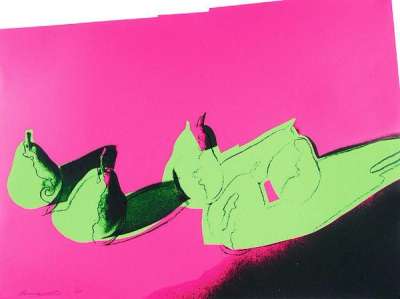
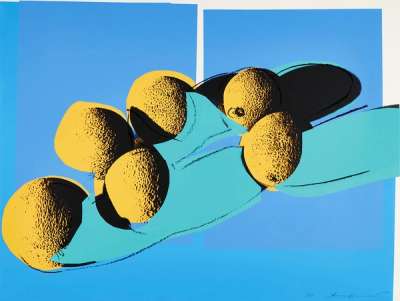
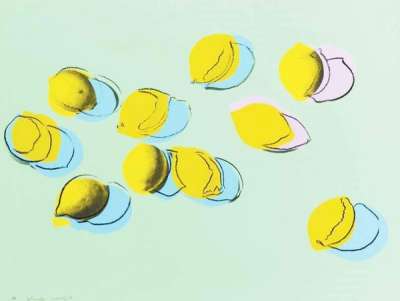
Among few still life series Andy Warhol created, his Space Fruits were begun in 1979, with the rarest editions: the citruses, which exist in edition sizes of just 10. The subsequent portfolio of the other fruits was released in an edition of 150 on the same paper, and 30 on board.
Andy Warhol Space Fruit For sale
Space Fruit Value (5 Years)
Works from the Space Fruit series by Andy Warhol have a strong market value presence, with 93 auction appearances. Top performing works have achieved standout auction results, with peak hammer prices of £90031. Over the past 12 months, average values across the series have ranged from £4889 to £70000. The series shows an average annual growth rate of 2.43%.
Space Fruit Market value
Auction Results
| Artwork | Auction Date | Auction House | Return to Seller | Hammer Price | Buyer Paid |
|---|---|---|---|---|---|
 Peaches (F. & S. II.202) Andy Warhol Signed Print | 19 May 2026 | Lama | £5,950 | £7,000 | £9,500 |
 Cantaloupes I (F. & S. II.201) Andy Warhol Signed Print | 19 May 2026 | Lama | £4,165 | £4,900 | £6,500 |
 Watermelon (F. & S. II.199) Andy Warhol Signed Print | 19 May 2026 | Lama | £3,868 | £4,550 | £6,000 |
 Apples (F. & S. II.200) Andy Warhol Signed Print | 24 Sept 2025 | Sotheby's London | £5,525 | £6,500 | £9,000 |
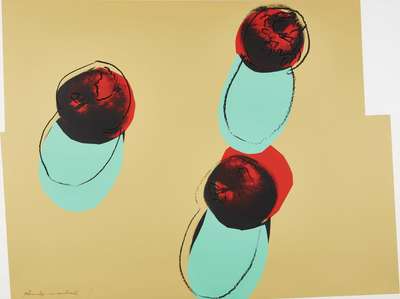
 Pears (F. & S. II.203) Andy Warhol Signed Print | 23 Jan 2025 | Phillips London | £8,500 | £10,000 | £14,000 |
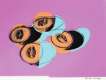 Cantaloupes II (F. & S. II.198) Andy Warhol Signed Print | 13 Dec 2024 | Mainichi Auction, Osaka | £11,900 | £14,000 | £17,000 |
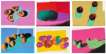 Space Fruit (complete set) Andy Warhol Signed Print | 27 Oct 2022 | Sotheby's New York | £68,000 | £80,000 | £110,000 |
Sell Your Art
with Us
with Us
Join Our Network of Collectors. Buy, Sell and Track Demand
Meaning & Analysis
Despite being one of his rare still life studies, Warhol’s Space Fruit portfolios from 1979 depict oranges and lemons in a style that can only be his. It includedSpace Fruit: Lemons and Space Fruit: Orange, in 1979 a portfolio called Space Fruit Still Lifes representing further still life images of fruits were also produced. Still lifes are remarkable within Warhol’s oeuvre for their rarity as the artist is better known for his pop culture imagery, iconography from movies and advertising.
Space Fruit: Lemons and Space Fruit: Orange are works printed in colour and published as a small limited edition of 10 and one printer’s proof on Strathmore Bristol paper made from cotton. The Space Fruit: Still lifes portfolio consisted of six screen prints in colour which Warhol chose to print on Strathmore Bristol paper once again. Each print from the portfolio was signed and numbered from a limited edition of 150 plus one printer’s proof with another 30 numbered in Roman numerals on Lenox Museum Board.
Warhol initially placed his images of fruits against a white background and used concentrated light aimed at the subjects with various angles to intensify and play with shadow, composition and the intensity of colour. This approach was then photographed and used as a reference when creating the screen prints.
The son of Slovakian immigrants born in Pittsburgh, Pennsylvania, Warhol became the founder and a leading advocate of the Pop Art movement in the United States from the early 1960s to the end of his career. His understanding and relationship with the reproduced image were the basis for his astounding success. In the visual culture of the time, with movies, advertising and celebrity booming, Warhol drew attention to these defining images of American culture. Andy Warhol once said that “I guess I’ve been influenced by everybody. But that’s good. That’s Pop”.