
The Changing Landscape of the 2025 Art Market
The global contemporary art market finds itself at a crossroads. By the end of 2024, global art sales had contracted by 12% to about $57.5 billion, marking the second year of decline at the high end. Auction turnover for trophy works slowed dramatically - only one painting breached the $100 million mark in 2024, versus several in prior years. Yet beneath these headline numbers lies a different story. Transaction volume actually grew by about 3%, reaching 40.5 million individual sales. In other words, more art traded hands even as total value fell. The growth came almost entirely from the lower and middle market: works priced under $50,000 saw expanded activity, bringing a “broader and more diversified base” of buyers” into the fold.
This contrast signals a turning point in art market dynamics. The ultra-wealthy paused their nine-figure trophy hunts, but new collectors and more modest buyers stepped up with gusto. As Scott Reyburn of The Art Newspaper quipped, if you want to find growth in a down market, “don’t look up at the top, look further down the price scale.” Indeed, auction sales under $5,000 rose 7% in 2024, and small dealers (with an annual turnover of <$250k) reported a 17% jump in sales. Even in contemporary art, the number of recently made works selling under £50k at auction surged by 20%, indicating that collectors “shifted towards more affordable art” as speculators dropped out. Far from collapsing, the accessible segment of the market is flourishing. And a large share of this activity is happening in prints and editions - limited-edition artworks that carry blue chip cultural cachet at sub-blue chip prices.
Spiegler’s Warning: Art is Not the FTSE 100
Spiegler recently argued that positioning art as a pure investment asset is a “losing game,” citing the many pitfalls of the past two decades of art market financialisation. He has a point. Treating paintings like stocks - expecting automatic price jumps or comparing returns to the FTSE 100 - is fundamentally misguided. A piece of art isn’t a dividend-paying stock or a liquid commodity. It never has been and it never will be. And direct comparisons to equity indices can be misleading. As Spiegler notes, art lacks the liquidity and transparency of stocks - a sentiment backed up by his interview with Shane Akeroyd, Hong Kong-based collector, who argued: “you sometimes can’t sell it. And the valuation is subjective - you don’t have balance sheets or economic data you can examine. There are much surer and easier ways to invest your money.”
In short, we shouldn’t pit art against the stock market as if they’re equivalent because they simply aren’t. Art’s value is held in intangible qualities - historical significance, aesthetic and emotional resonance, artist reputation - none of which can be translated into a tidy price/earnings ratio. Traditional assets have built-in protections (diversification, cash flow, legal structures) that the art market lacks. So yes, we agree with Spiegler on this: collectors set themselves up for disappointment if they approach art like a day trader chasing the FTSE.

The Perils of Chasing “Wet Paint”
Another Spiegler takeaway: the folly of flipping ultra-contemporary art for quick profit. In the 2000s boom, many newcomers dove in after seeing freshly made paintings double or triple at auction. But chasing these “wet paint” flips is a risky game - and 2024’s downturn reminded us why. When the market cooled, several much-hyped young artists saw demand evaporate, leaving speculators holding the bag. The reality is that emerging art markets can turn on a dime.
Spiegler highlights how many fractionalised art ventures fail for this reason. Art investment funds launched in the 2000s promised hedge-fund-like returns, only to discover how illiquid and unpredictable art can be. The fractional-share platforms have also hit turbulence. And as Spiegler notes, even using high-end art as collateral for loans has proven dicey - lenders issued margin calls when appraisals fell, forcing desperate sales. All this reinforces a crucial lesson: short-term, speculative art investing - especially in ultra-contemporary works with no track record - is inherently high risk.
Prints & Editions: An Overlooked Sweet Spot
So, if art isn’t a stock and flipping fresh paint is too risky, does that mean that investing in art is a fool’s errand? Spiegler implies it is - but here’s where we diverge. The entire art market cannot be painted with one brush. There is a segment of the art market that offers a unique balance of blue chip reliability, accessibility, and data-driven transparency: the prints and editions market.
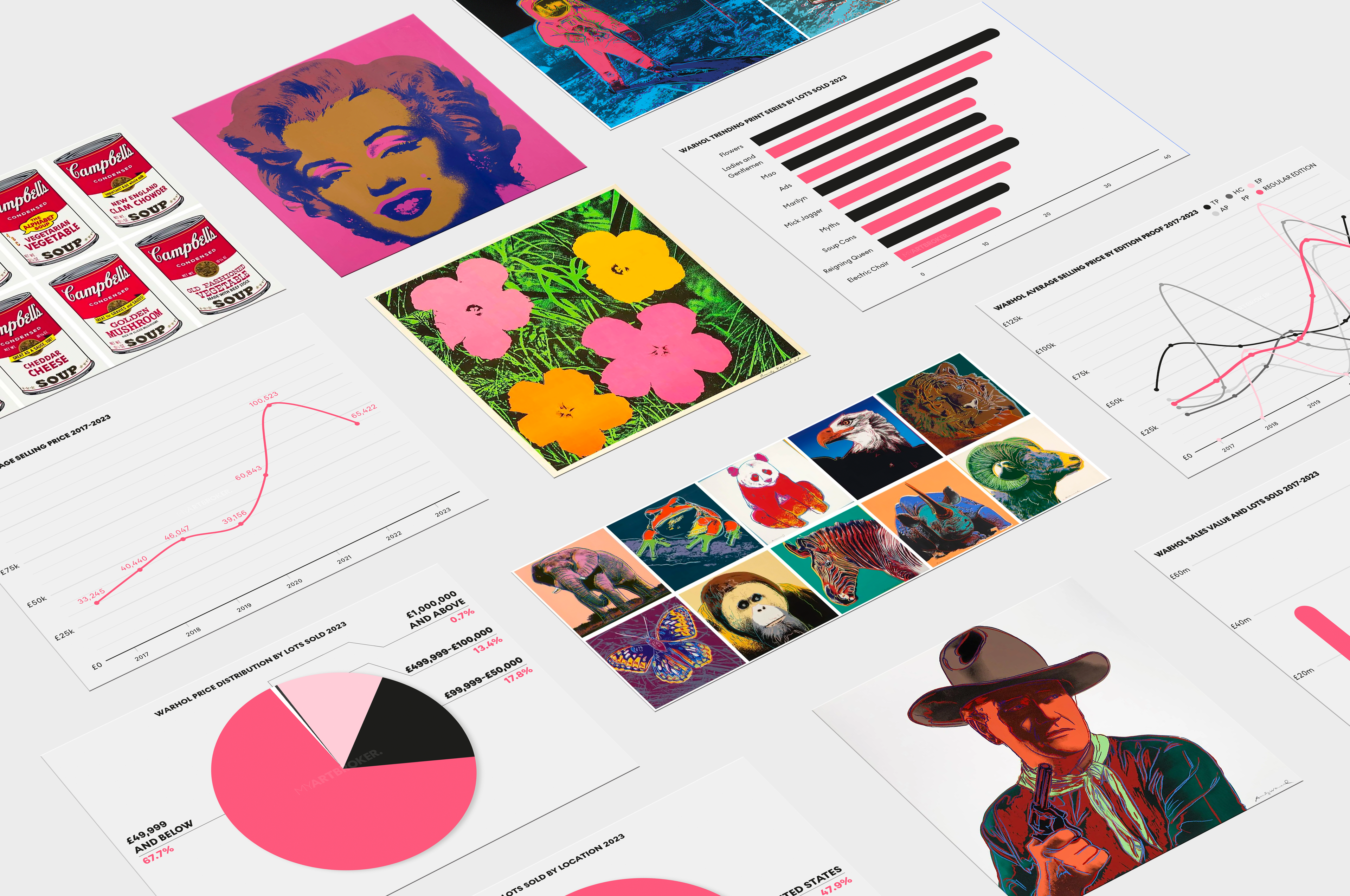
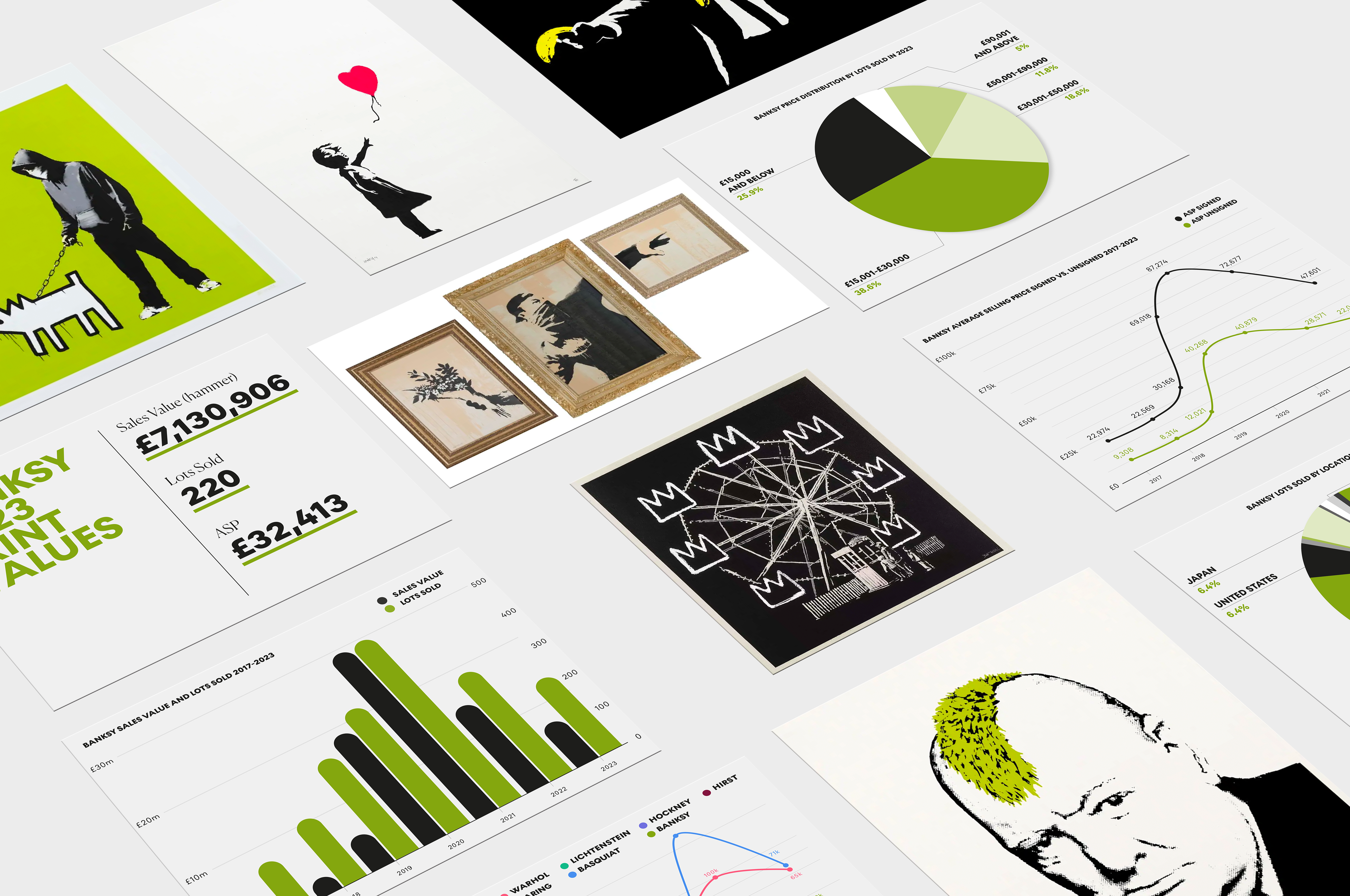
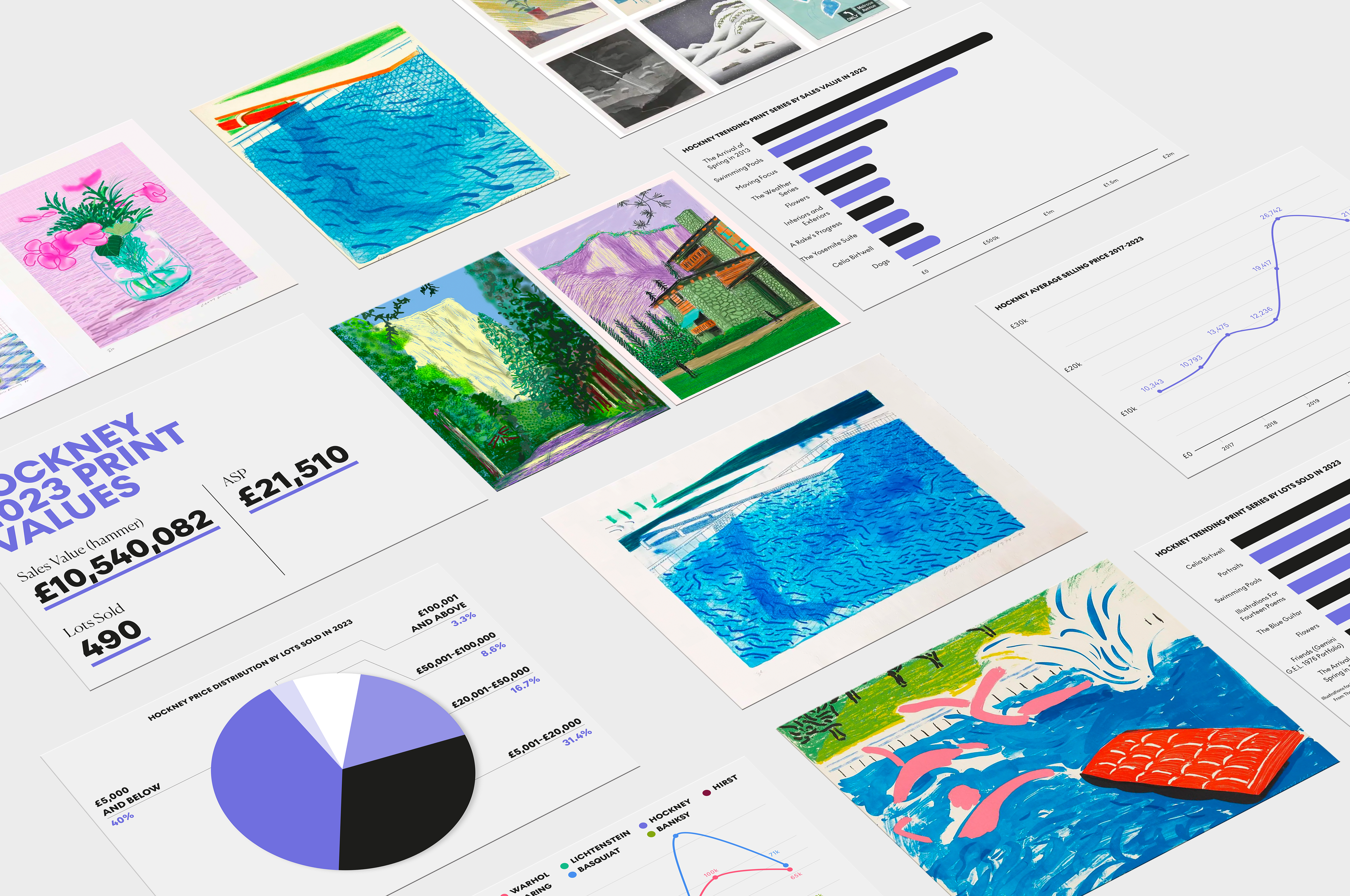
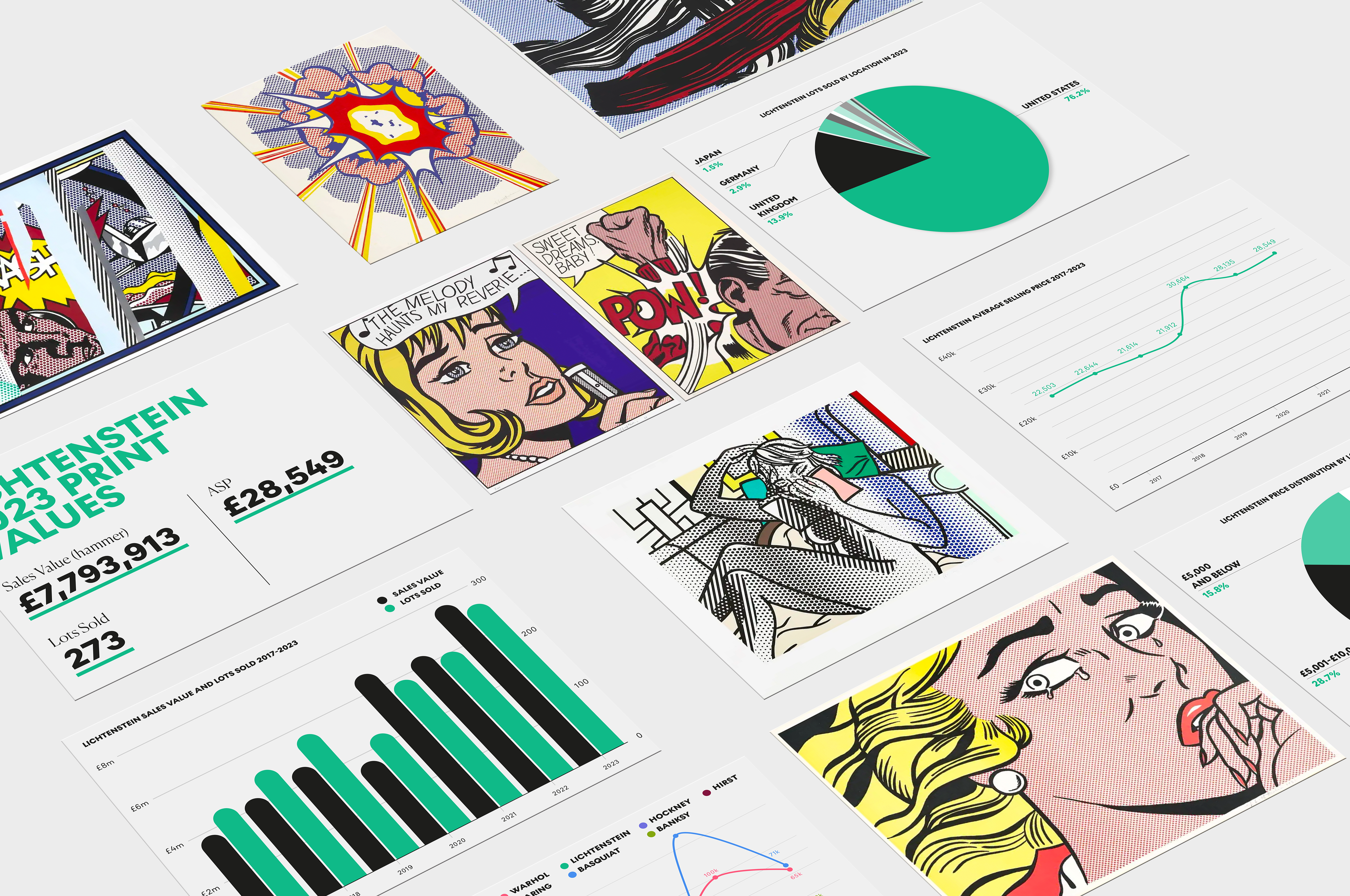
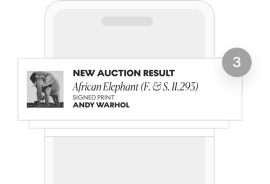
Prints and editions occupy the market’s middle ground - typically priced from the few hundred to tens of thousands of pounds (and into the hundreds of thousands for rare, covetable works and complete sets). This is exactly where today’s momentum is. These works are often by established, blue chip artists (Warhol, Lichtenstein, Banksy, Kusama, Hockney - the list goes on). With cultural weight and proven appeal, and works in varying edition series, these pieces are far more affordable than unique paintings. The result is a vibrant secondary market with high trading volume and rich pricing data. For example, the sales value of the Andy Warhol print market at auction alone stands at £22.6 million for the past 12 month period. According to our proprietary data, the Warhol market has experienced an average annual growth rate of 6% over the past five years, demonstrating steady growth amidst wider art market turbulence.
Crucially, because prints and editions are multiples, they foster comparability that virtually no other category in the art market can. If 100 collectors each own essentially the same Warhol screenprint (each numbered in an edition), and dozens of those have traded in recent years, a would-be buyer or seller can actually chart its price trajectory. Transparency is naturally higher. In plain terms, the prints market behaves a bit more like a true marketplace - with bids, offers, comparable sales - whereas the market for unique six-figure paintings is still based largely on instinct. It’s the only corner of the art world where investors can make data-backed decisions, because identical works trade often and enough to establish reliable benchmarks. It’s the sole reason we’ve been able to build an algorithm that can value a print in seconds.
None of this is to suggest that prints are a shortcut to riches, or should ever be treated as such. But it is true that editioned works by blue chip artists tend not to “jump to zero” overnight the way an over-hyped young artist might. They have broader collector bases and consistent demand. If you own a sought-after Banksy or Haring print, you can be reasonably confident there’s a resale market for it; liquidity is, in relative terms, higher. This extends to the primary market for prints and editions too. During the volatility of 2024, prints actually gained momentum: London-based platform Avant Arte saw sales of prints and sculptures climb 53% in 2024 to $23 million. They sold over 14,000 editioned works that year. Clearly, collectors are voting with their wallets in the prints arena, even as other segments struggle.
Cultural Assets with Upside Potential
A key appeal of prints is that they let people invest in culturally significant art, at accessible price points. Instead of shelling out millions for one original painting, a collector might spend £5-50k each on ten limited edition prints by established artists - building a diversified portfolio that taps into major movements and names.
Importantly, passion and profit are not mutually exclusive in this segment. In our recent Collector’s Survey, print collectors show that while “love of the work” is the number-one motivator for most (over 60% rated this as their top reason to buy), a vast majority still consider their art holdings as an investment for the long-run. In our survey, nearly 80% of respondents see their collection as a long-term investment (especially younger buyers). They’re not buying prints to flip next month; they’re buying with the idea that these artworks will hold or grow in value over years, all while enjoying living with them.
Even at the high end of the prints market, we see evidence of investment logic. Nearly one in 10 print collectors holds a portfolio valued over £1 million, according to the survey - often comprising blue chip editions accumulated over decades. These individuals clearly treat prints as a serious asset class within their broader wealth. Yet notably, even they cite “passion for the art” as the driving force. The prints market, then, exemplifies what the broader art market has long claimed: collecting can be both an aesthetic pursuit and a store of value. The difference is that prints actually have the conditions to make this true, thanks to their comparability and market depth.
A Case for Prints
So, should we stop hyping art as investment as Spiegler demands? When it comes to hype - the get-rich-quick narrative of art flippers and fractional share startups promising big returns - yes, we should be skeptical, even cynical. The last 25 years have shown that if you treat the art market like Wall Street, you’ll get burned by its unique inefficiencies and quirks. But if we redefine “art investment” to mean a strategic and informed collecting of art that carries cultural value, then the prints and editions market makes a compelling case. This niche has proven resilient in these downturns, accessible to new collectors, and increasingly transparent thanks to digital innovation. It allows for a level of analysis and diversification that simply isn’t possible in the trophy-art world of one-off masterpieces.
As the art market continues to evolve, this balanced approach may well be its saving grace. Far from undermining the art world, a bit of investment savvy - applied in the right segments, for the right reasons - can broaden the base of collectors and strengthen the market’s foundation.