
This digital-first approach marks a decisive break from past norms, and the reality in the rest of the art market. High-net-worth collectors still often enlist advisors for seven-figure paintings, but in the realm of prints and editions (typically more accessibly-priced and widely documented), independence is the new default. Collectors now consult about four different platforms on average when making a purchase decision - browsing online marketplaces, viewing rooms, price databases, and social media - assembling their own arsenal of research before deciding to buy. By the time they make their move, these buyers have essentially done the homework an advisor might have done for them in the past.
Transparency and Tech vs. The Gatekeepers
A major driver behind this DIY mentality is the demand for transparency. Many collectors have felt the effects of traditional opaque art channels, prompting them to seek out data for themselves. Artsy’s 2025 Art Market Trends reported that 69% of collectors admitted they’d hesitated to buy art due to lack of transparency - especially in hidden prices or scant information. For those who buy art online, the biggest hurdles cited were “insufficient information about the work” and “lack of visible pricing,” something which aligns with the findings from our own survey - where “budget” and “finding the right work” were the biggest constraints for print collectors.
All these findings underscore why digitally savvy collectors gravitate toward platforms that provide clear details: if an online listing shows comparable sales, a clear indication of price, and trust signals, a buyer is more likely to move forward confidently without needing to call on an advisor. Essentially, data has become baseline infrastructure for the new generation of collectors, and the print market has markedly adapted to meet that expectation in a way that is out of grasp for the masterpieces market.
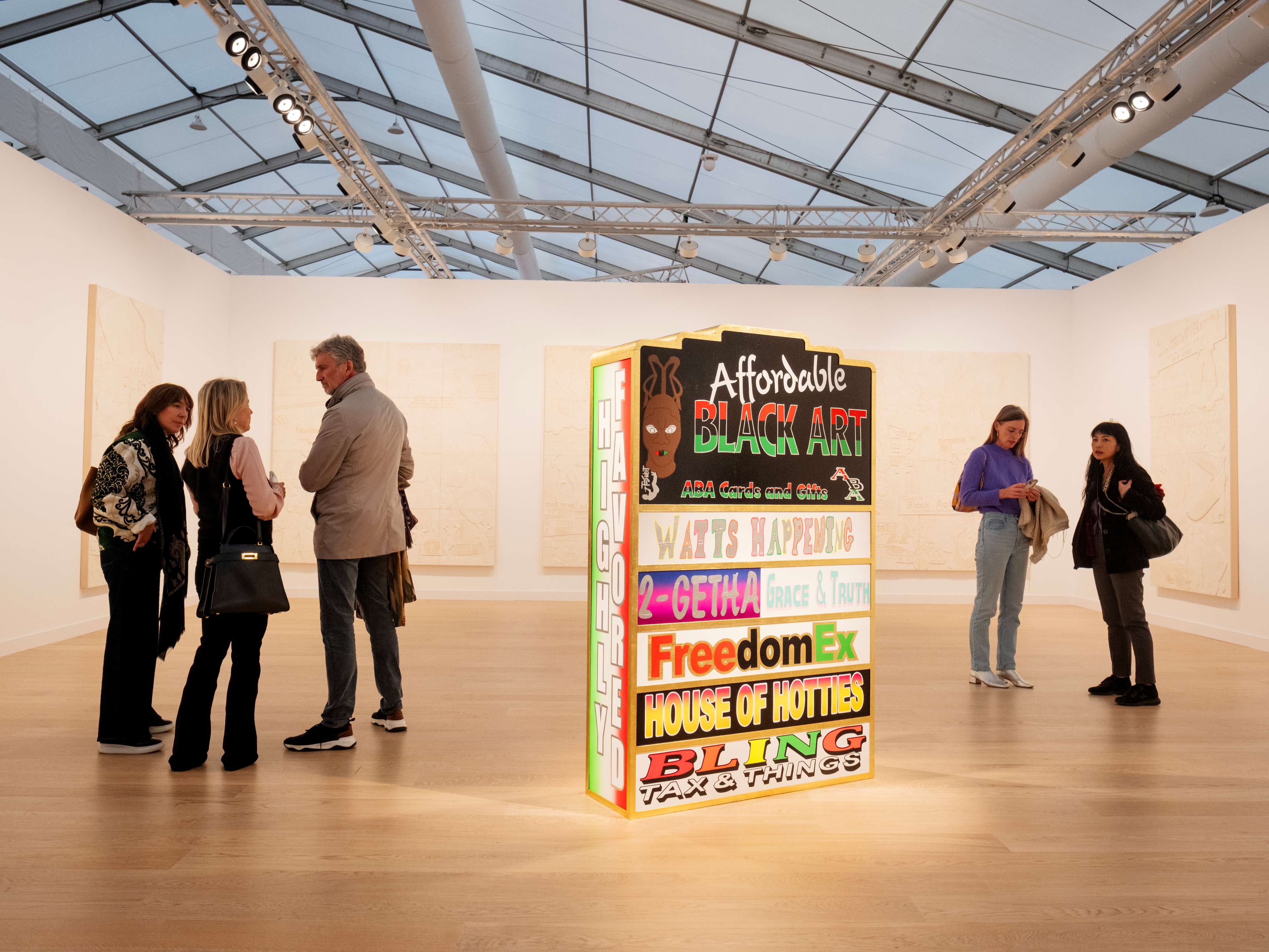
Beyond the print market, the art world at large is slowly catching up to this mandate for transparency. The latest Art Basel & UBS report notes that online sales accounted for 22% of dealers’ total sales in 2024, significantly higher than the 13% back in 2019. Perhaps more telling, nearly half of online dealer sales in 2024 were to brand new buyers (46%, up from 35% in the prior year). These newcomers aren’t ingrained in the old gallery scene - they’re comfortable transacting on websites and apps. Even many established galleries, facing an ageing client base, are pivoting to meet these self-reliant collectors on their terms: in Artsy’s Trends report, 55% of galleries said they plan to create more online content (spanning Instagram content to online viewing rooms) in 2025, far outpacing those prioritising more in-person events. And where in-person events are concerned, galleries are finding far more success in breaking with the norms of the past two decades. You only have to look at the dizzying buzz surrounding hotspots like London’s Saatchi Yates to see how gallery openings that create cultural moments are capturing the next generation of collectors.
The Erosion of Traditional Gatekeepers
Of course, the implications of this shift go beyond just the print niche. We’re seeing a broader transformation in how art is bought and sold, and how it is marketed and treated, mirroring changes in other cultural industries. Even artists are increasingly sidestepping old gatekeeping structures. In a recent column for Business of Fashion, Marc Spiegler observed that many prominent artists now employ independent agents to manage their careers, rather than relying solely on gallery representation. Agencies like New York’s 291 could very well be the new guard of a primary market that has become too global and fast-paced to remain fenced in by 20th century models.
The prints market is one of the first corners of the art world where this power shift is fully evident. With only one in seven print collectors still using an advisor, the traditional gatekeeping model has been fundamentally turned on its head. This doesn’t mean advisors will vanish overnight - or ever. There will likely always be a place for them at the highest ends of the market, where bespoke advisory is part and parcel of the experience of collecting. But it does mean that expertise is becoming more decentralised.
The rise of the self-directed print collector is a bellwether for the art market’s future. It shows that given the right tools and information, collectors are perfectly willing to “bypass the middleman” and take charge of their own portfolios. The result is a more open, meritocratic marketplace – one where knowledge is shared widely and any enthusiastic newcomer with a web browser can participate. Prints are the proving ground for this new reality, and other sectors of the art market are not far behind. The message is clear: adapt to the digitally empowered collector, or be left in the analogue past.