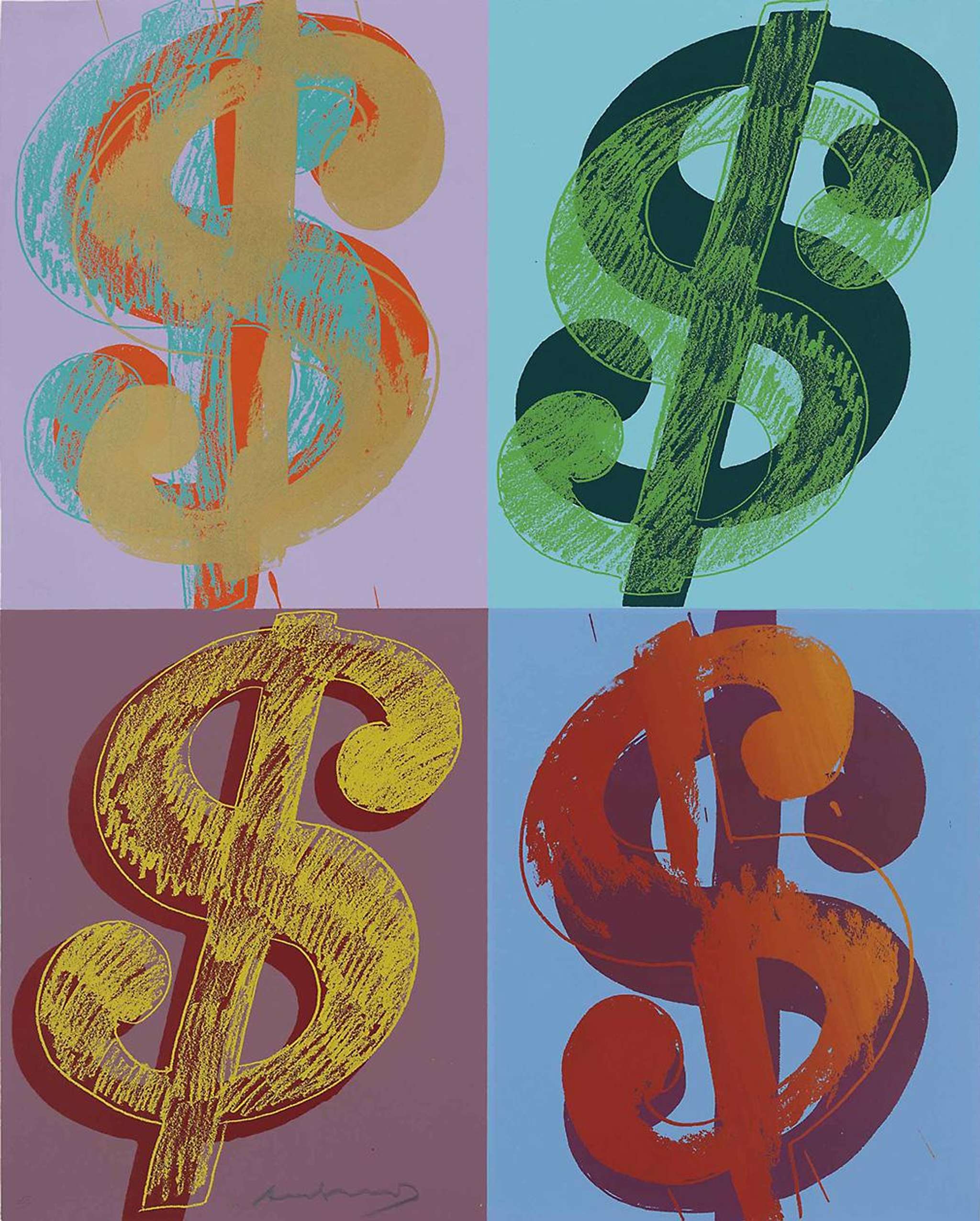

According to the Art Basel & UBS Global Art Market Report 2025, total sales were an estimated $57.5bn, down 12% year-on-year, while auction houses’ combined public and private sales fell 20% to $23.4bn, the lowest level since 2020. And yet, transaction volumes rose 3%, a signal that activity didn’t disappear so much as move: away from the frothiest high end, and toward segments where buyers can still see value, act quickly, and find price evidence.
From our perspective in the prints market collectors haven’t stopped buying. They’ve become stricter. The question now is less “what do I love?” and more “what do I love, and holds up?” in terms of demand, in pricing, and in resale reality.
That’s why more serious collectors are starting to think less like hunters and more like portfolio builders. Not because art should be reduced to finance, but because in a selective market, structure beats intuition. One of the cleanest frameworks is borrowed from traditional investing: the barbell strategy.
The Barbell Strategy, Applied to Art
A barbell portfolio is simple. You place conviction and upside at one end, rare, trophy-level assets you intend to hold very long term. And you place liquidity at the other: assets that trade repeatedly, attract reliable demand, and come with enough pricing evidence to act without guesswork.
In the art market, this translates neatly:
- One end: trophy works, scarce, museum-grade, culturally significant pieces that sit above the noise.
- The other end: liquid works, museum names, repeat-traded, data-trackable works where pricing is anchored by comparables and buyer depth.
Between those two ends sits the dangerous middle: works that are neither truly rare nor truly liquid, where pricing is less transparent and resale can become uncertain.
In a market like 2026, the barbell is about building resilience.
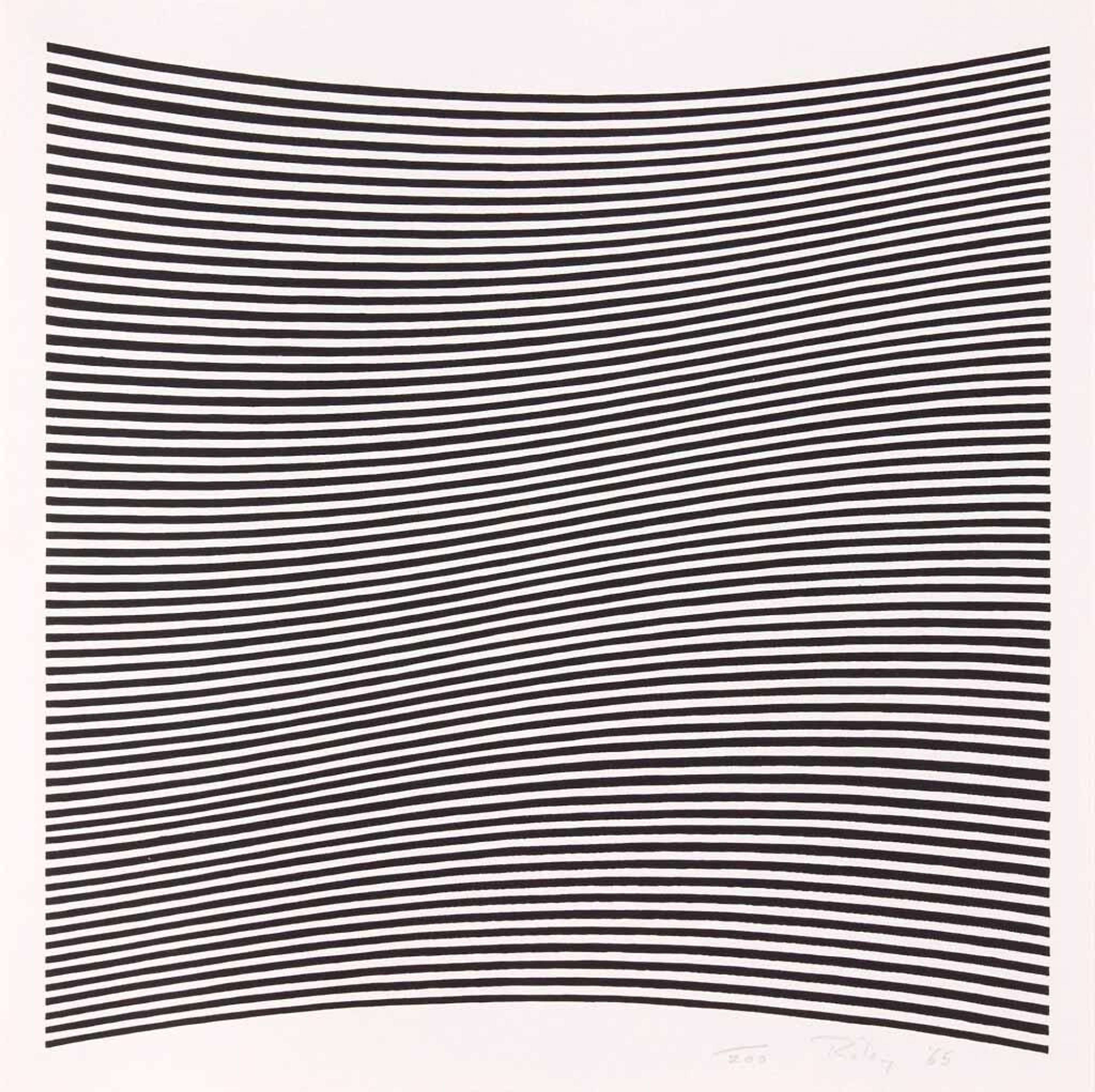
What Liquidity Actually Means in Art & The Art Market
Liquidity is one of the most misunderstood concepts in art collecting. It does not simply mean “popular artist.” It does not mean “expensive work.” And it certainly doesn’t mean “will go up.”
Liquidity means:
- How quickly a work can sell at a fair price
- How deep the buyer pool is for that exact work
- How consistent pricing is across repeat transactions
- How strong the market memory is, ie the availability of real comparables
In other words: liquidity is not about hype. It’s about repeatability.
And that is where prints and editions begin to look less like “entry-level art” and more like the market’s most functional asset class.
The secondary market for modern and contemporary prints has matured into something highly specific: a repeat-traded ecosystem with real pricing history.
Blue-chip editions behave differently from unique works because they generate:
- Multiple transactions over time
- Tighter pricing bands
- Clearer supply visibility
- Faster buyer matching
- Stronger comparables
That doesn’t make them risk-free. But it does make them measurable.
In editions, the image is only half the story. The real market lives in the detail:
- Artist status
- Edition size and rarity of variant
- Condition and paper quality
- Printer and publisher credibility
- Provenance and market timing
Two works that look identical online can trade very differently in practice.
That is why liquidity in prints is not automatic, but when chosen properly, it is one of the most dependable parts of the market.
The Art Market Has Quietly Shifted Toward Private Liquidity
Another structural shift is happening beneath the headlines in 2026, and has been growing momentum in the last 5 years since Covid: is the growing importance of private transactions. Auction remains an extraordinary stage for trophy lots. But in the mid-market, liquidity increasingly shows up through private networks, advisory channels, and specialist-led matching. Public auction has been losing market share for works between £20,000 and £250,000 for years.
Auction houses themselves have leaned more heavily on private deals as public totals softened. Combined auction house sales fell sharply in 2024,and in early 2025 despite a rallying cry for stabilisation, fine art auction sales contracted again continuing a trend of slower demand (one analysis noted an 8.8 % drop in auction sales in the first half of 2025 compared with 2024). Much of the market’s momentum has moved behind closed doors.
This matters because liquidity is not only about whether something can sell, it’s about whether it can sell well. For many works, particularly in editions, the best outcome comes not from theatre but from precision: knowing exactly who the buyer is, what they collect, and where demand is strongest right now. Something that only private sales businesses, such as ours, make their entire mission.
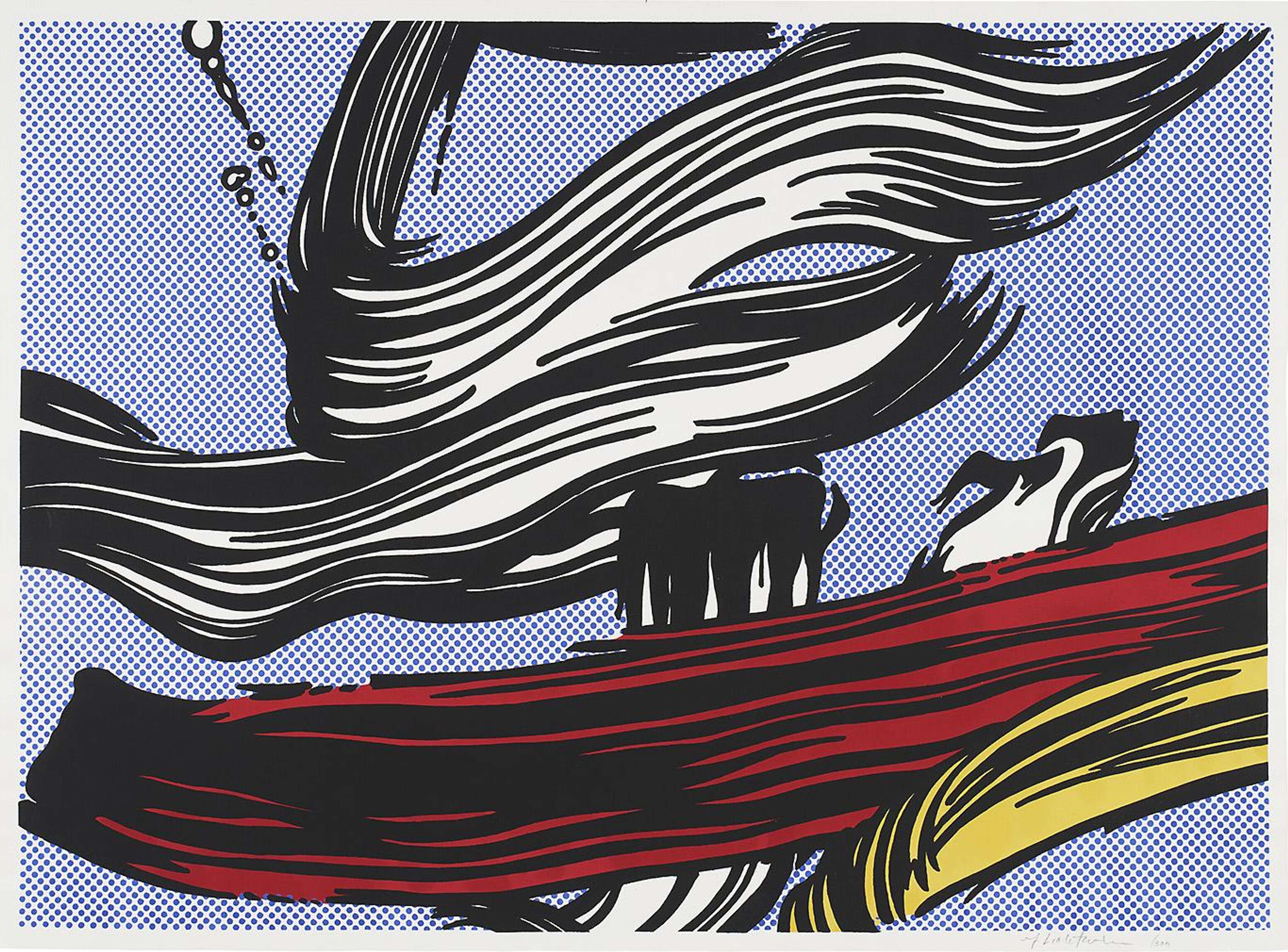
A Practical Barbell Model for Art Collectors
The barbell framework is useful because it forces a question that most collectors avoid:
What portion of my collection is truly long-term conviction, and what portion needs to remain tradeable?
There is no single answer, but there are sensible structures.
A risk-aware collector might look like:
- 70% liquid, repeat-traded works
- 30% trophy, long-hold works
A more conviction-led collector:
- 50% liquid
- 50% trophy
And a passion-first collector may still choose:
- 80% emotional buys
- 20% liquidity anchor
The point is not to “financialise collecting. It is to avoid ‘accidental illiquidity’, ie: being forced to sell in the wrong moment, through the wrong channel, with the wrong pricing expectations.
Liquidity gives you optionality.
The Editions Due Diligence Checklist
For collectors using prints as the liquid layer of a portfolio, the discipline is simple:
- Know the exact edition and variant (standard, AP, PP, etc.)
- Confirm artist status - markets price this sharply
- Check condition properly, not just “looks fine in a photo”
- Understand supply - how often does this work actually appear?
- Anchor pricing in real comparables, not asking prices
- Watch buyer depth: is demand broad or narrow?
- Prioritise institutional, catalogue-backed works
- Be wary of restored or ‘sold framed’ examples
- Choose timing carefully - liquidity is, unfortunately, is seasonal
- Work with specialists who can position the work correctly
These are not abstract rules. They are the difference between a work that trades and a work that sits.
The Art Market Going Forward: Selective, Data-Led, Repeat-Driven
Confidence is returning - but the market is not going back to 2021.
The next phase is defined by:
- fewer speculative buyers
- more repeat collectors
- tighter demand around validated names
- increased emphasis on price evidence
- and a continued shift toward private, specialist-led execution
Collectors who thrive in this environment will not necessarily be the boldest, but they will be the most structured. The barbell portfolio is one of the simplest ways to do that: hold conviction at one end, liquidity at the other, and avoid the soft middle where resale becomes uncertain.
The collectors who do well from here won’t be the loudest - just like the specialists and market infrastructure that quietly supports them. They’ll be the most disciplined.