

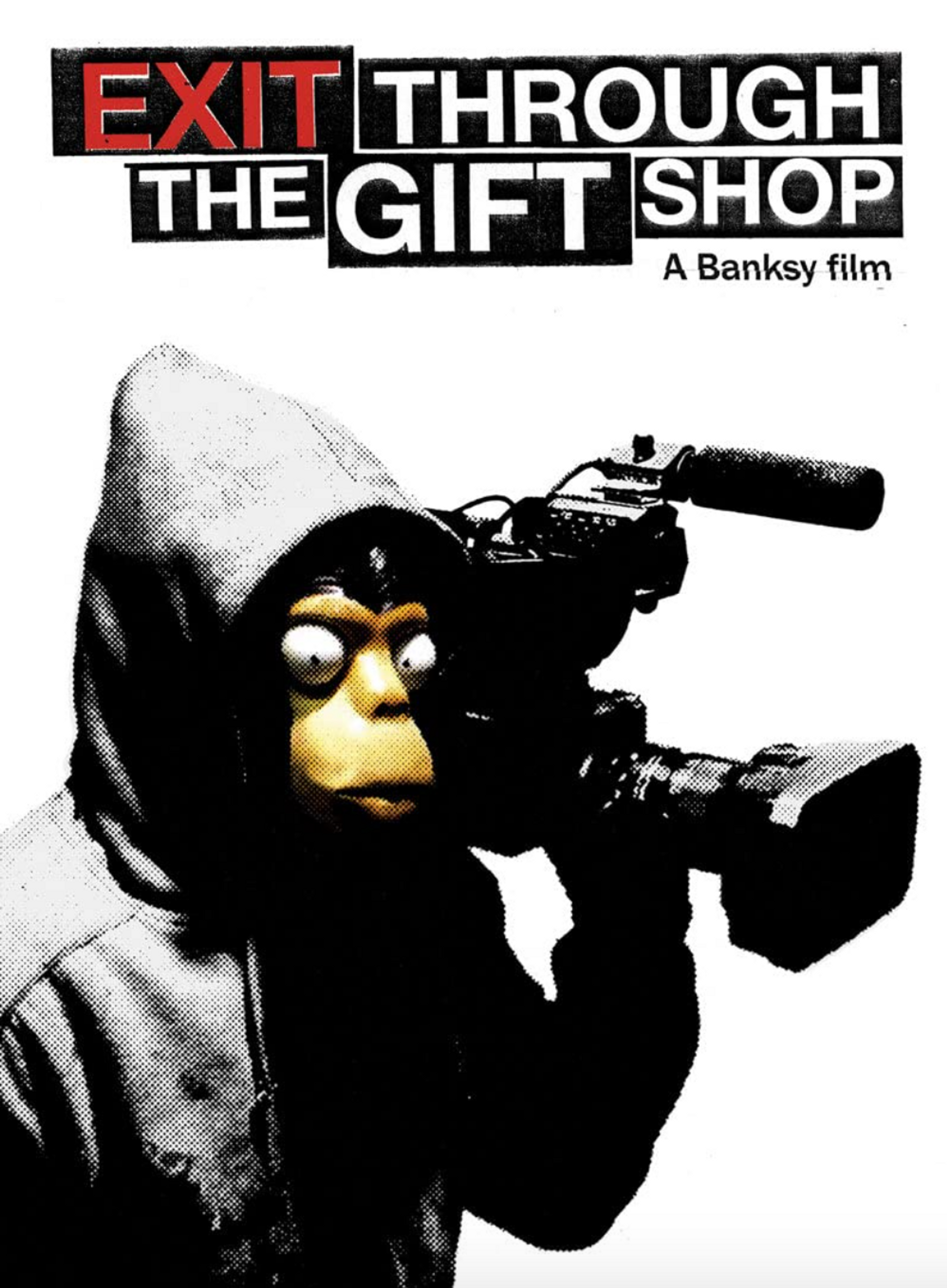
What is Exit Through the Gift shop about?
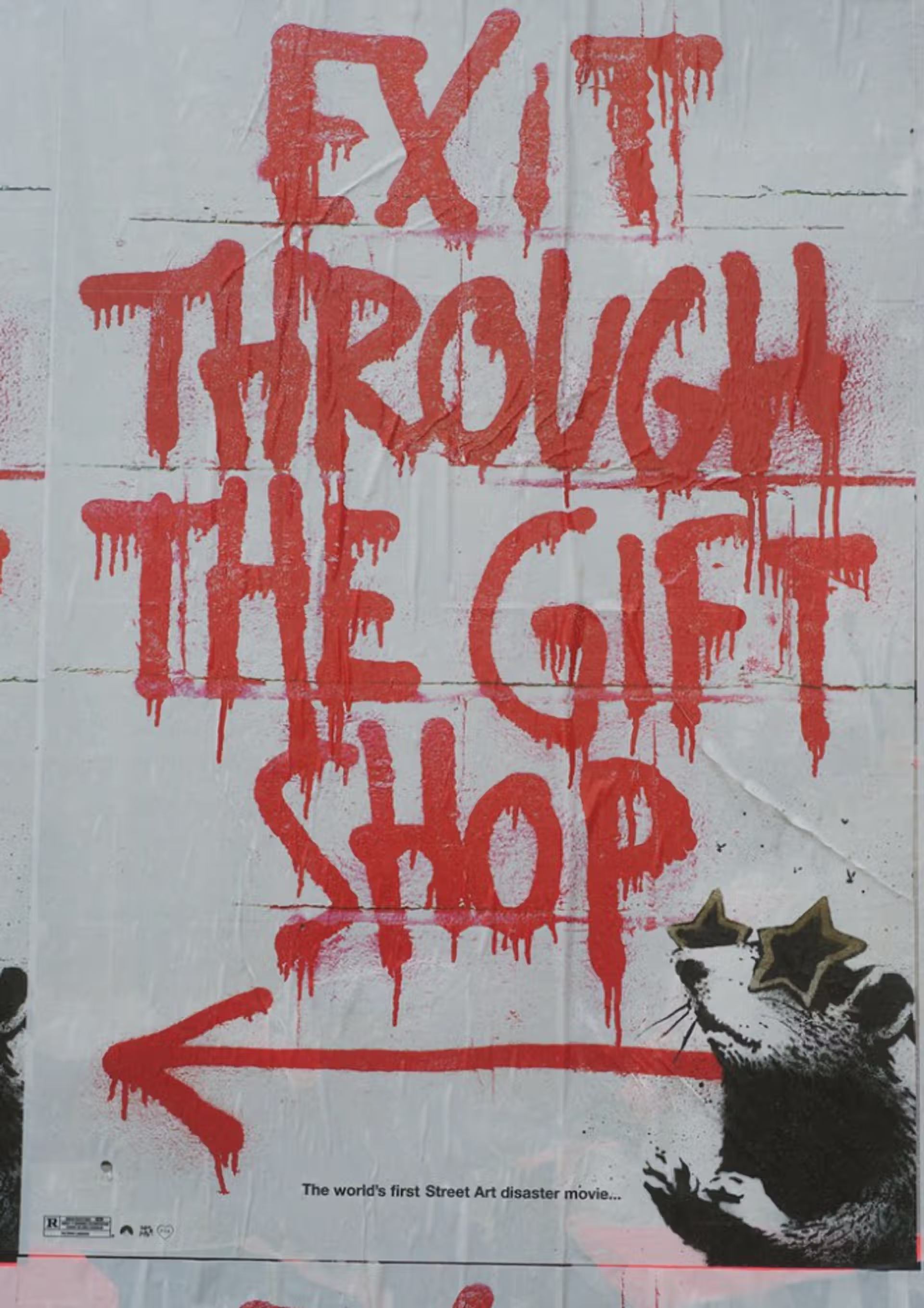
Directed by the famously anonymous Banksy, Exit Through the Gift Shop is a documentary about the risk-taking, law-breaking, and frenzy-instilling nature of street art. The film starts with footage captured by Thierry Guetta, a ‘camera-happy Frenchman’ obsessed with filming everything, especially the graffiti artists of Los Angeles. Interspersed with interviews with Guetta himself, we see how he became swept up in the adrenaline-inducing art of vandalism and addicted to the thrill of branding the city in the dead of night.
It appears Guetta was in the right place at the right time when given the chance to video Banksy himself during a project in LA. While Banksy only let him film his hands, Guetta’s footage provides the most intimate view into his process yet – quite the oxymoron considering Banksy’s desire for absolute obscurity.
Everything begins to change for Guetta when Banksy takes over his documentary project, turning the camera onto Guetta and encouraging him to make his own artwork. And so, ‘Mr. Brainwash’ was born. Under this new pseudonym, Guetta bought a huge studio space and hired a Hirst-eseque army of artists to bring his ideas to life. His first spectacular show – Life is Beautiful – was a massive success against all odds. The documentary ends with a short montage of artists commenting on Guetta’s short but colossal rise to fame which, to their annoyance, they had helped to create.
Where did the Banksy documentary first appear?
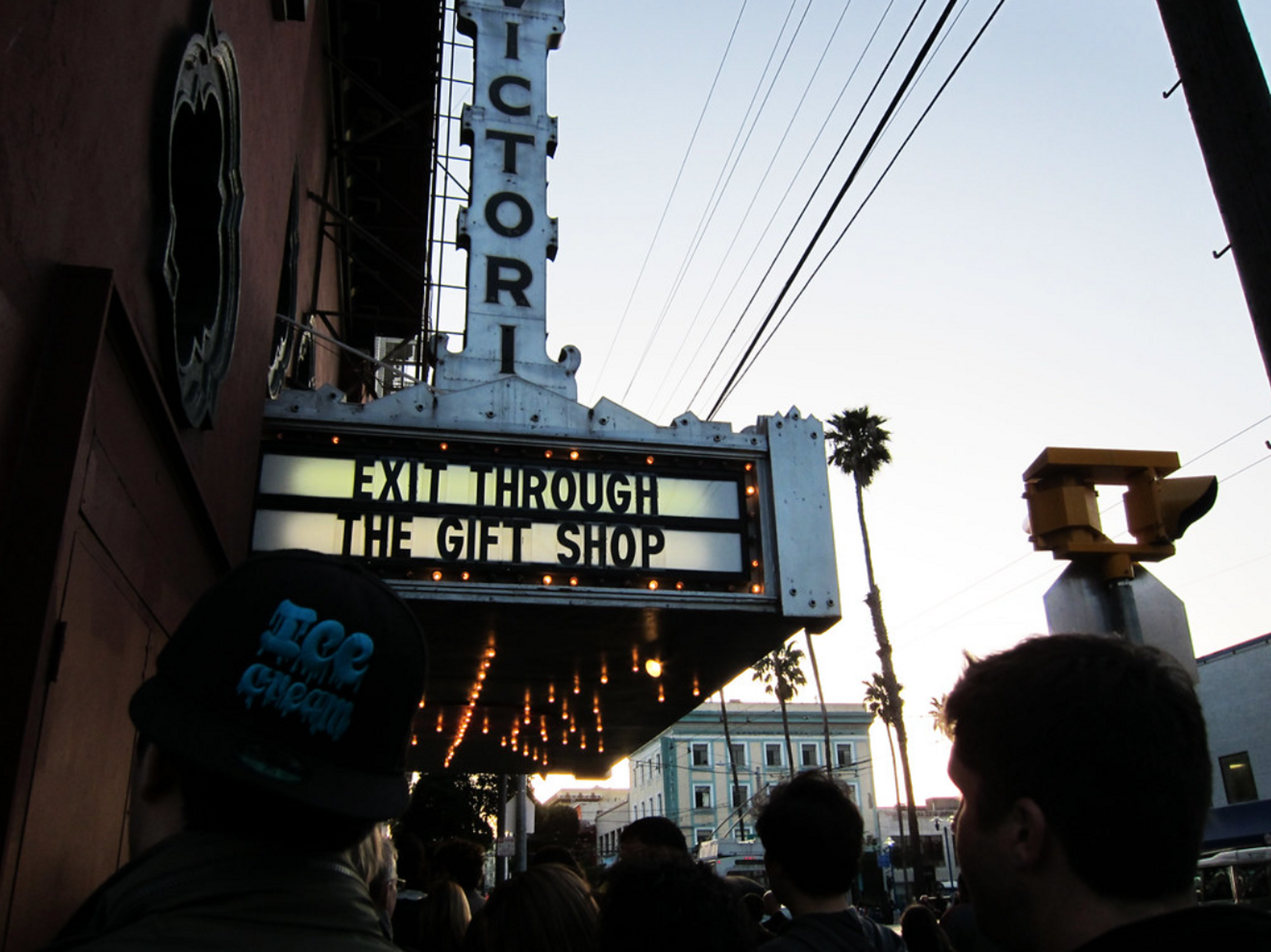
Exit Through the Gift Shop was first premiered at the Sundance Film Festival, Utah, on 24 January 2010. In the lead up to the premiere, Banksy sprayed five works over the city. The pièce de résistance was a dishevelled minibus, installed just outside the movie theatre. It featured a stencilled rat (an instantly recognisable Banksy icon) and the lyrics to Richard Hawley’s Tonight the Streets Are Ours, the theme-tune of the documentary. Celebrity picturegoers were handed cans of spray-paint and encouraged to leave their mark on the walkway.
Likewise, the UK premiere was staged in a makeshift theatre in the Leake Street Tunnel at Waterloo, a popular graffiti destination. Viewers were again handed spray-cans and invited to engage in the illicit activity of street art. Without doing anything himself, Banksy blurred the line between spectator, artist, and vandal.
Who made an appearance in the Banksy film?
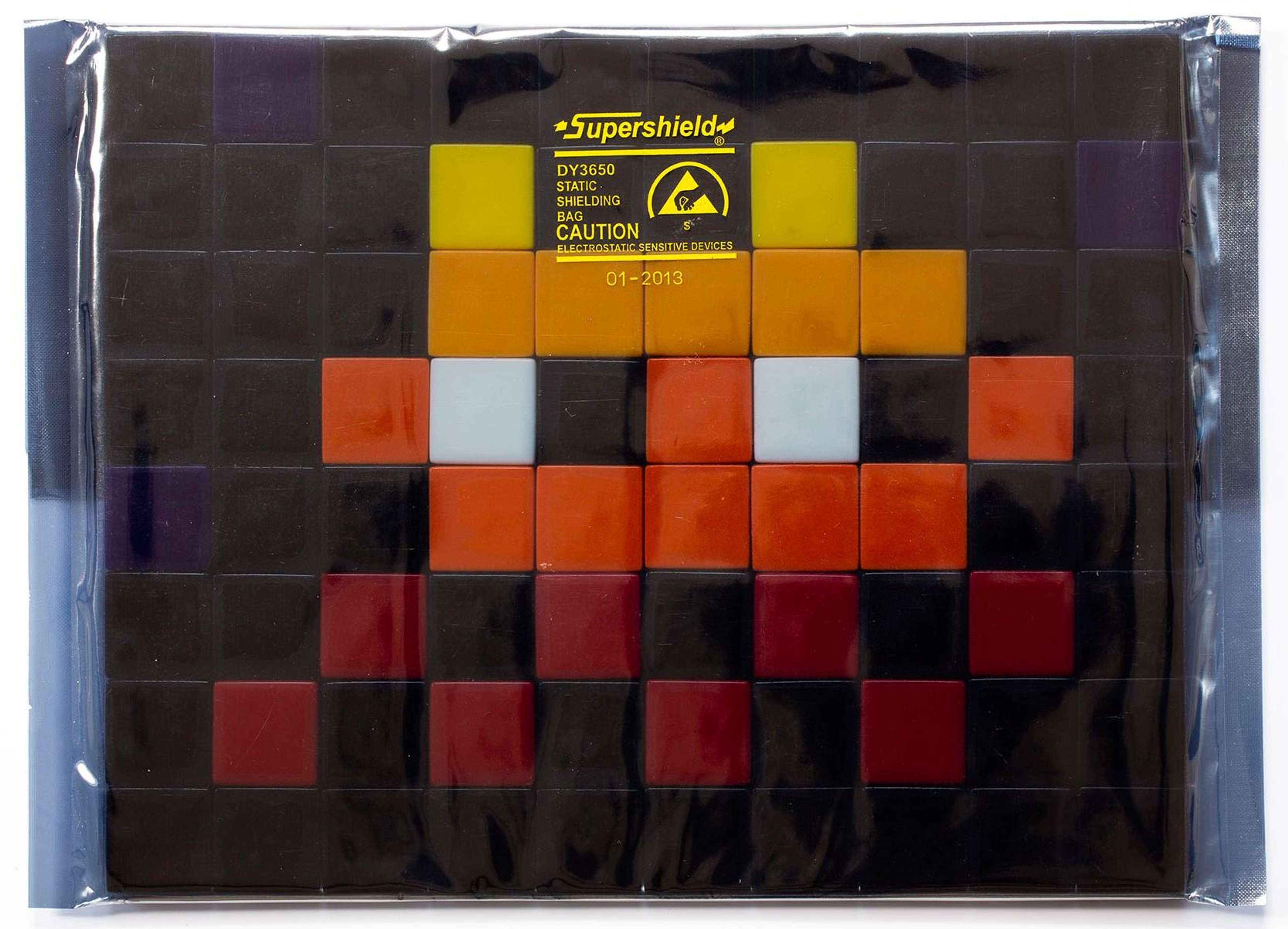
In the first half-hour of the film alone, Guetta’s footage offers a glimpse into the livelihood of some of the most prolific street artists. By persuading them he was filming a documentary about their art, Guetta was able to follow them on their hit-and-run assaults on the city. The catalyst to his obsession was when Guetta filmed his cousin, Invader, who was installing ceramic tiles of video game characters across LA. Through Invader, Guetta was introduced to some of the city’s other infamous artists: Monsieur André, Zeus, Borf and Ron English among their ranks.
The footage reveals, however, that the world of street art is a far cry from the upmarket realm of ‘fine art’ galleries and auction houses. The treacherous underbelly of street art is captured in true time, and run-ins with the police show just how undesirable their art was in its early years.
Guetta also spends a good deal of time following Shepard Fairey, the artist who founded streetwear brand OBEY after his illegally pasted Andre the Giant Has a Posse campaign riveted LA. Fairey now has an estimated net worth of $10 million. It is both ludicrous and impressive that these creators, once run down by the law for their criminal activity, could rise to such celebrity status and shape popular culture. But isn’t that the culture which street art satirises the most? The fact that you can now wear a T-shirt with Andre the Giant as a logo is testament to what Guetta saw as the brainwashing effect of these artists.
Did Exit Through the Gift Shop win an Oscar?
Just like any Banksy stencil that appears overnight, Exit Through the Gift Shop created an immediate buzz. The film was so popular that it was nominated for the ‘Best Documentary’ Oscar at the 2010 Academy Awards. Soon the question arose: if Banksy won the title, how would he receive his award?
The monkey mask that sits behind the evasive artist throughout the documentary might have been the perfect masquerade for the evening, much to the disdain of the Academy. Alas, Banksy was not to win his Oscar, but the stir he caused during the runup to award season captured the very essence of his art: shocking, disruptive, and railing against the system.
How does the film sit within Banksy's wider practice?
The quote above is one of Banksy’s last remarks about Mr. Brainwash, yet it seems he could be talking about himself. Of course, the way that the public latched onto his art involved a certain degree of luck, but it is Banksy’s flare for poking fun at authority which catapulted him into the spotlight.
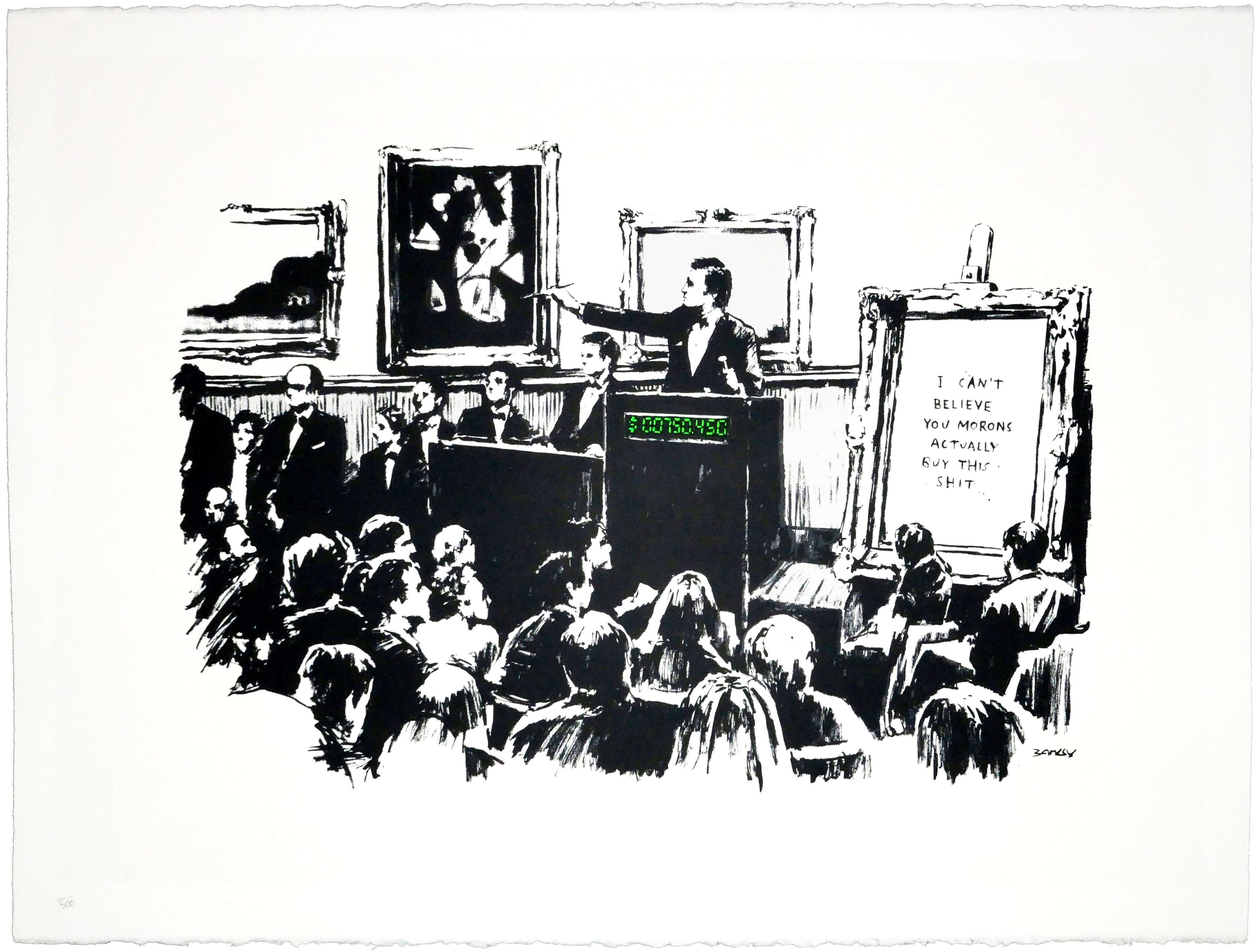
The documentary’s greatest critique is of art itself. Exit Through the Gift Shop makes you question what is serious and what is spoof. Through the wry humour that underscores the documentary we see how absurd it is that fame in the artworld, and all the wealth that comes with it, can be born overnight. After all, if Thierry Guetta could do it, anyone can. Banksy insists that street art was never about the money, but the frenzy around his name created by enthusiasts, dealers and art institutions alike has made Banksy a name that will continue to dominate the artworld. Banksy may have shown us that art is a joke, but art-buyers continue to pay a pretty penny for the punchline.
New Screen Takes on Banksy (2024–2025)
Two recent releases extend the story Exit Through the Gift Shop began, shifting the focus from the birth of a market to the machinery and politics around Banksy’s practice.
Banksy: The Mystery (BBC, 2024)
This 25-minute television special distils what’s known - and what remains deliberately opaque - about the “Banksy empire”: how the work circulates, who benefits, and the uneasy dance between secrecy, commerce and politics. Broadcast in the UK in August 2024, it serves as a journalistic counterpoint to Exit, less interested in myth-making than in following the money and the logistics behind an artist who refuses the usual circuits of celebrity.
Walled Off (dir. Vin Arfuso, 2024)
This feature documentary moves through Banksy’s Walled Off Hotel in Bethlehem and into daily life along the separation barrier, framing the hotel as a living artwork and a hub for creative resistance. Released in May 2024, the film broadens the frame beyond Banksy to the Palestinian artists, hoteliers and residents who animate the project, recasting the project as a platform for sustained cultural work.
Why it matters here
Both titles underscore the tensions that Exit Through the Gift Shop helped crystallise: the spectacle that fuels demand, the ethics of authorship and credit, and the political stakes of where and how an image appears. Taken together, they invite a reading of Banksy’s practice as an evolving ecosystem shaped by media, markets and the communities his work touches.
Quick Questions
Q: Where can I watch Exit Through the Gift Shop?
Currently (late 2022), Banksy's documentary can be found on Amazon Prime to rent or buy.
Q: How long is Banksy's Exit Through the Gift Shop?
The film has a runtime of 1 hour and 22 minutes.
Q: What awards did Exit Through the Gift Shop win?
The film's website treats awards with Banksy's characteristic flippancy, with a header of mock awards. But the film has won some notable (and real) prizes including 'Best Documentary' at the Independent Spirit Awards 2011 and 'Best Nonfiction Feature' from the Cinema Eye Awards, the same year. That is not to mention nominations for prizes; the film could not receive higher commendations than in being nominated for an Academy Award and a BAFTA.
Q: Who narrrated Exit Through The Gift Shop?
In addition to the interviews with Thierry Guetta, the film is narrated by Rhys Ifans, an award-winning Welsh actor who has played roles in an ecclectic variety of films: one Harry Potter film, Notting Hill, The Amazing Spiderman, and, most recently, House of the Dragon.