
David Hockney’s Home Made Prints (1986) series turns an everyday office photocopier into a printing press. The machine allowed him to work at speed, layering colour directly onto paper to create a series of experimental prints. Building on a career involving etching, lithography and photography, the series explores how we see images, proving that even office technology can be used to create fine art.
David Hockney’s Home Made prints were created on an office photocopier
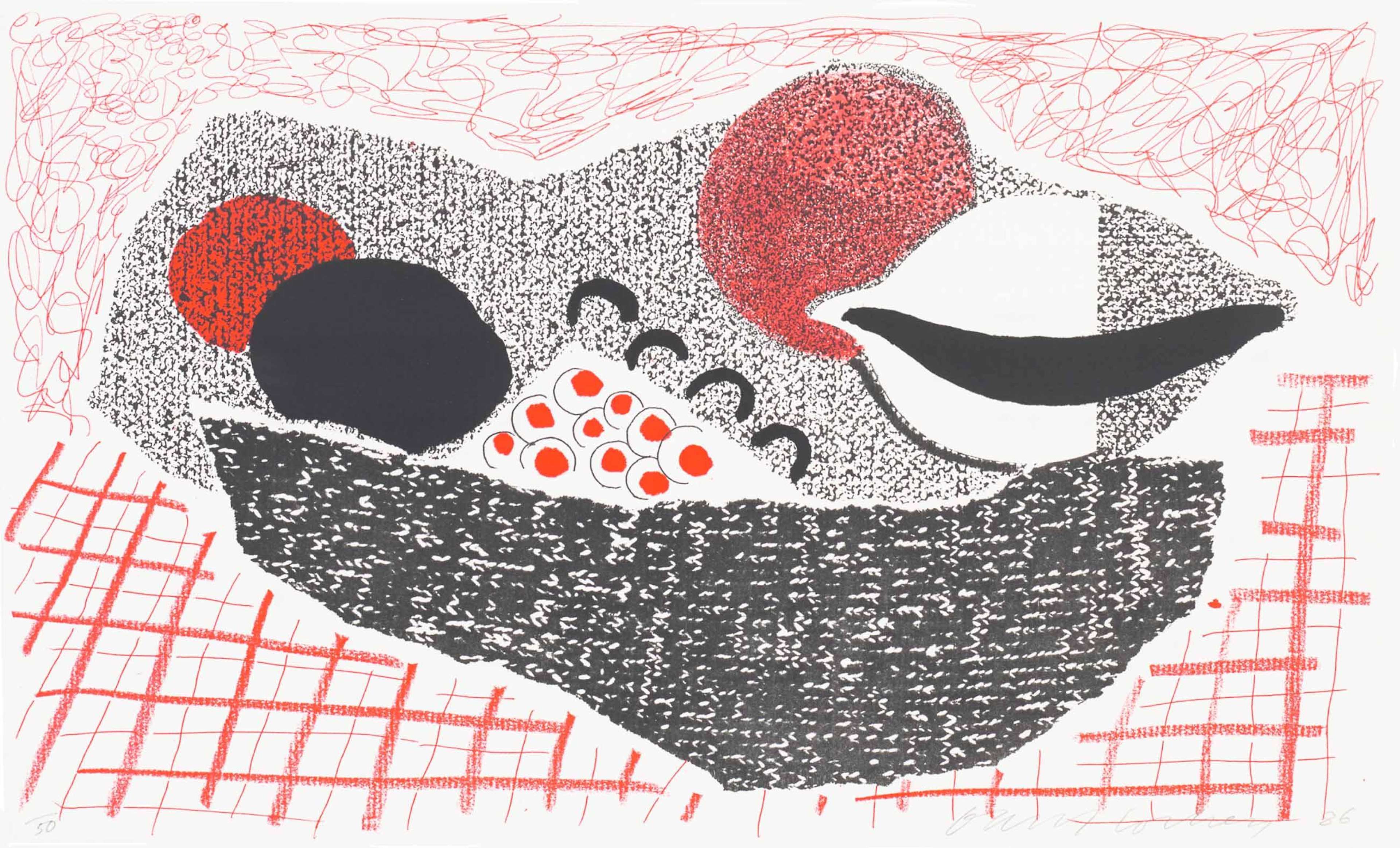
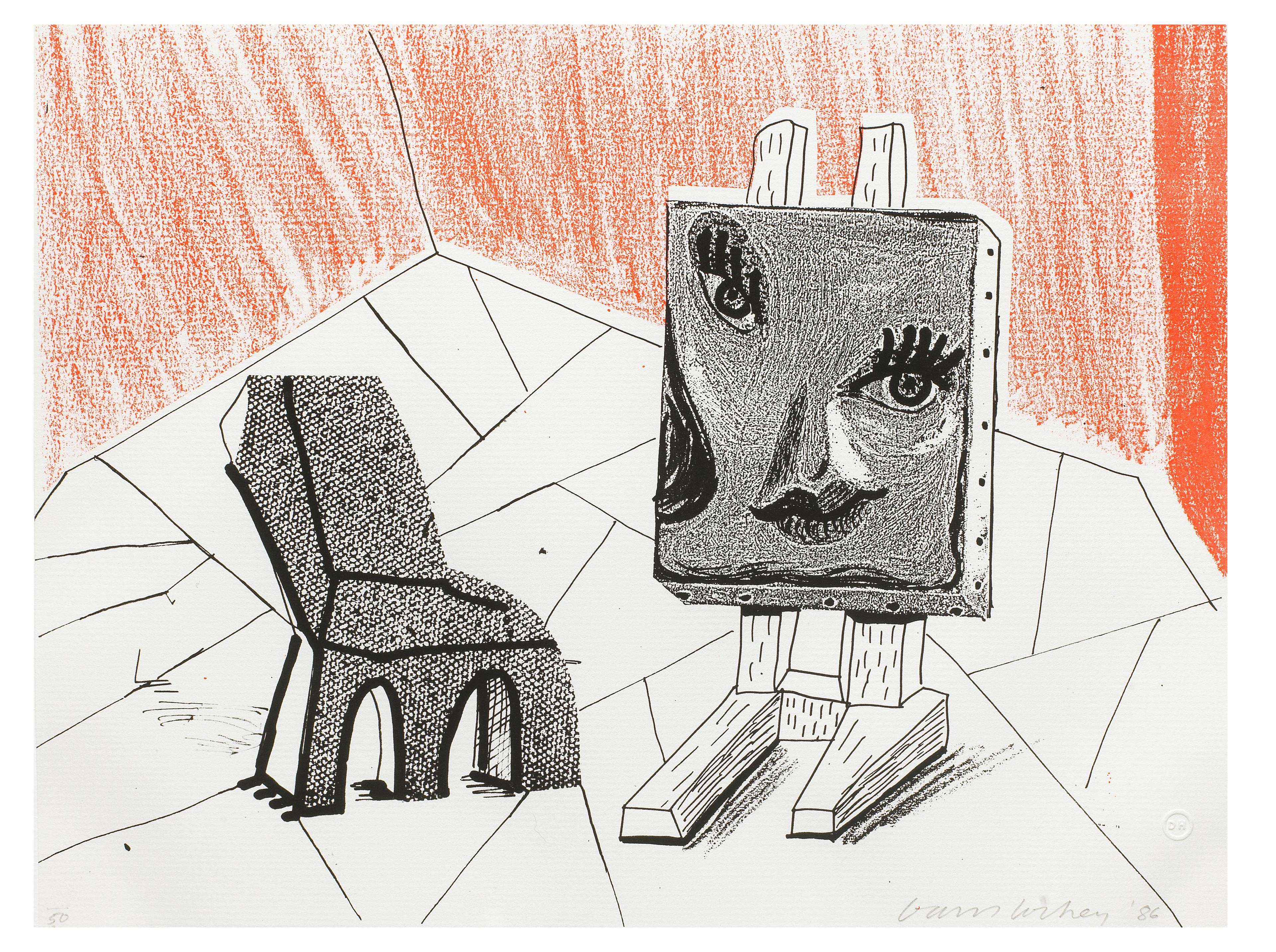
In early 1986 Hockney installed three standard office photocopiers in his studio and began producing what he called his Home Made Prints. The machines let him work quickly, spontaneously and entirely alone. By feeding sheets back through the copier to add further layers, he transformed a banal office tool into a tool for fine art. The series aligns with Hockney’s mid-’80s experimentation, when new technology and immediacy appealed to his printmaking.
The photocopier functioned as both camera and automatic printing press in Hockney’s process
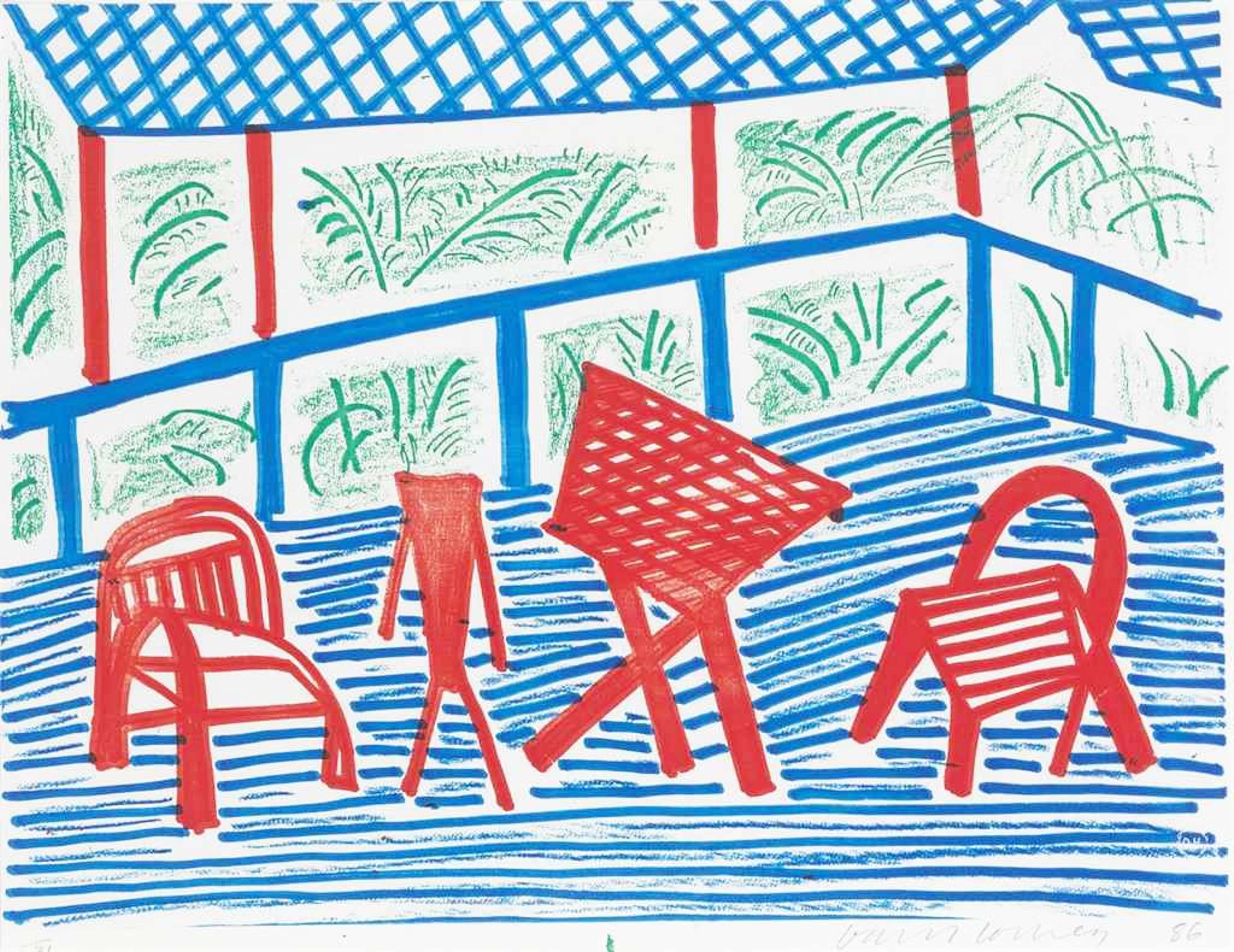
Hockney recognised the copier as a flatbed camera that “never tried to depict space” and also as an automatic printing press. That dual identity shaped his method: drawing on paper, copying them, then re-feeding the sheet to print successive colours. The copier’s optics flattened forms, turning office machinery into a precise tool for building images. This combination of seeing and making suited Hockney’s long-term enquiry into how media shape perception.
Home Made Prints reimagined etching and lithography as solo printmaking
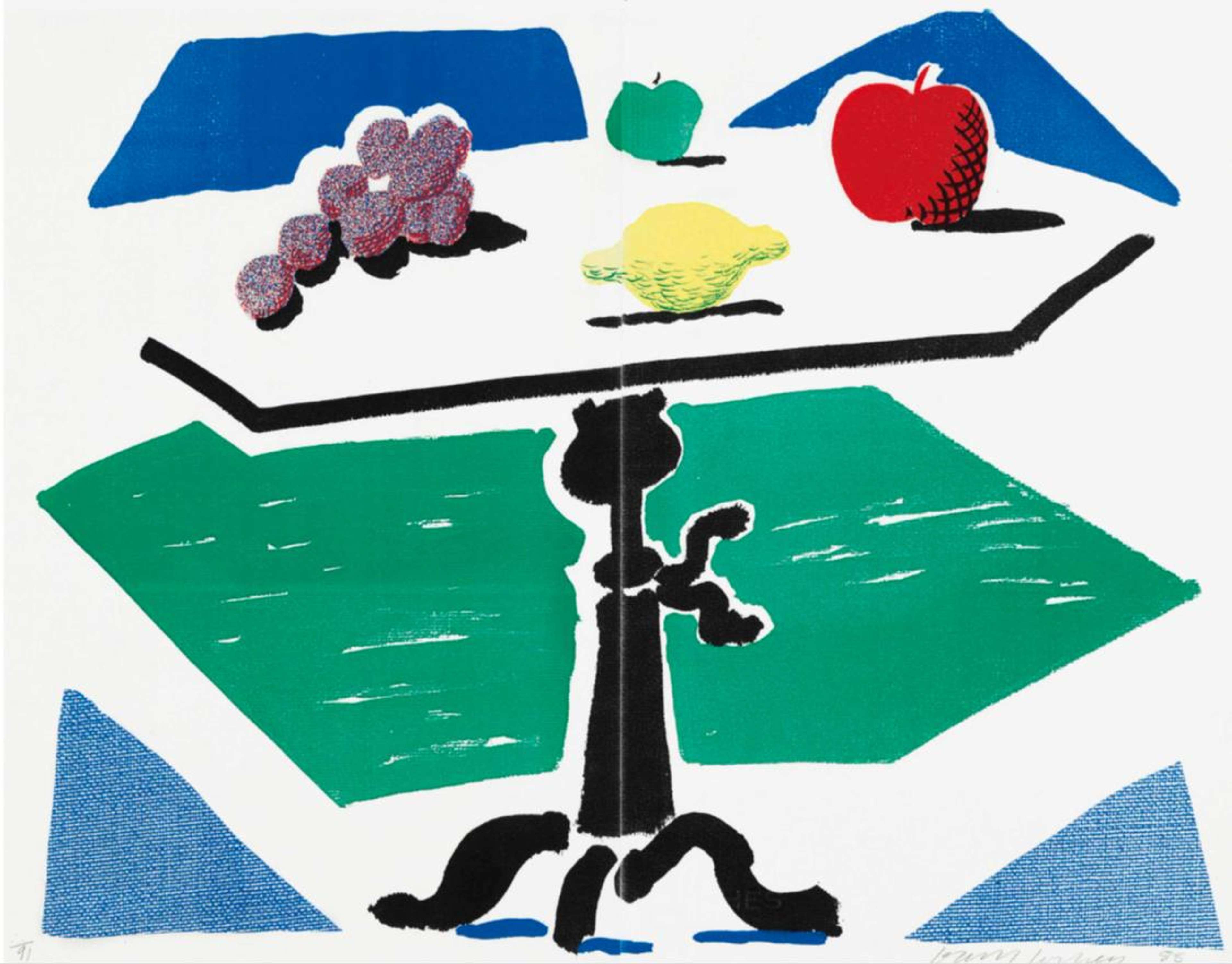
After collaborations in etching and lithography, Hockney wanted the agency of drawing directly without the delays of plate preparation or workshop schedules. Home Made Prints gave him that autonomy while preserving what he loved about print: layering, clarity of mark and the translation of drawing into colour. Hockney could assess, revise and reprint within minutes, keeping the energy of a painter’s studio and translating printmaking logic into a faster, more personal and spontaneous craft.
Hockney achieved depth by layering colour on paper rather than using plates
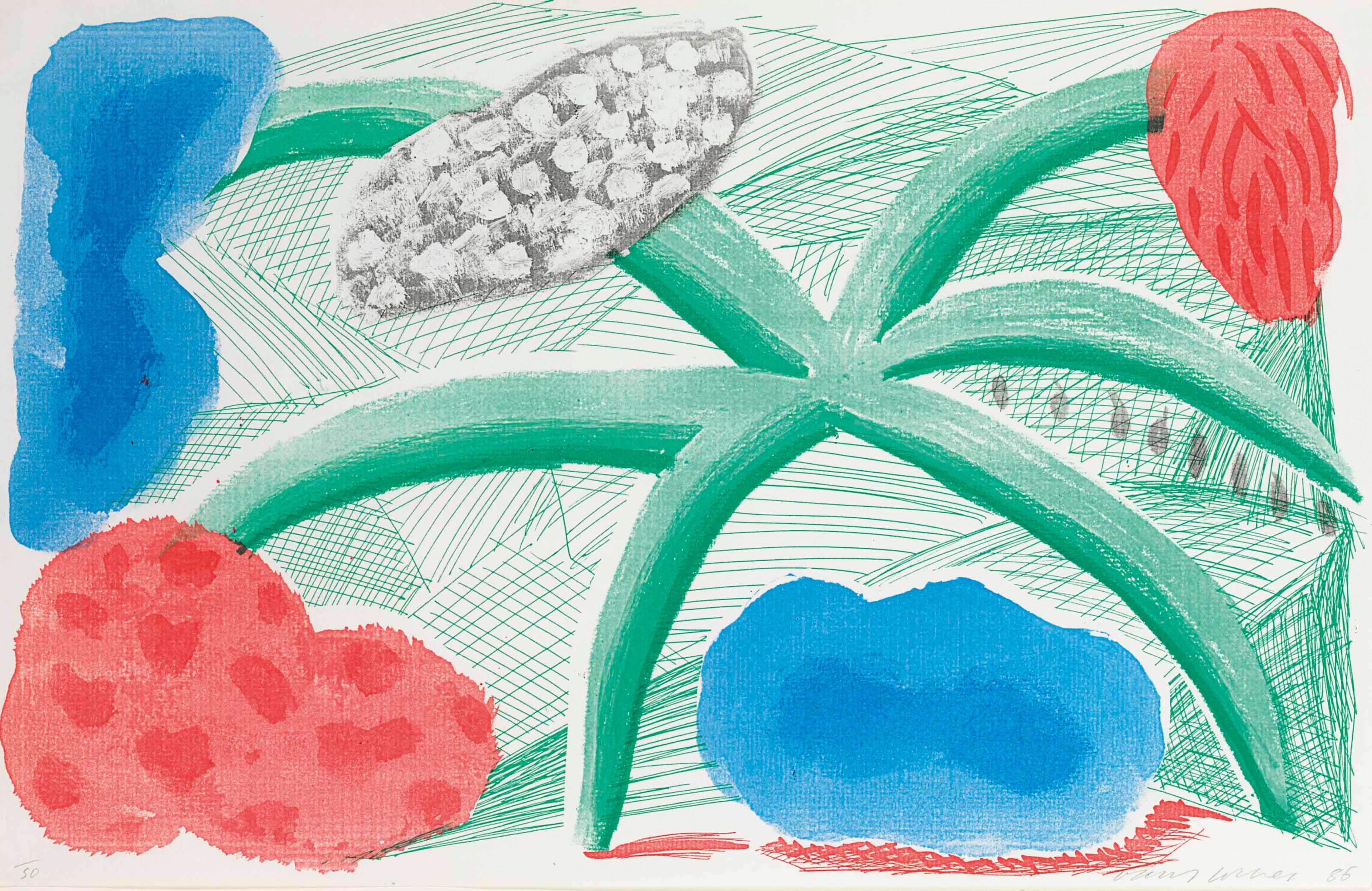
Traditional colour lithography builds images through multiple stones or plates, but this series built them by passing the same sheet through the copier repeatedly. Each pass adds a field of colour or texture, preserving the printmaking principle of layered inks while abandoning the need for heavy apparatus. Print by print, depth came from superimposed layers rather than surface gloss, proving that technical simplicity can still produce rich, dimensional results.
Photocopier toner created a rich black that Hockney described as “like a void”
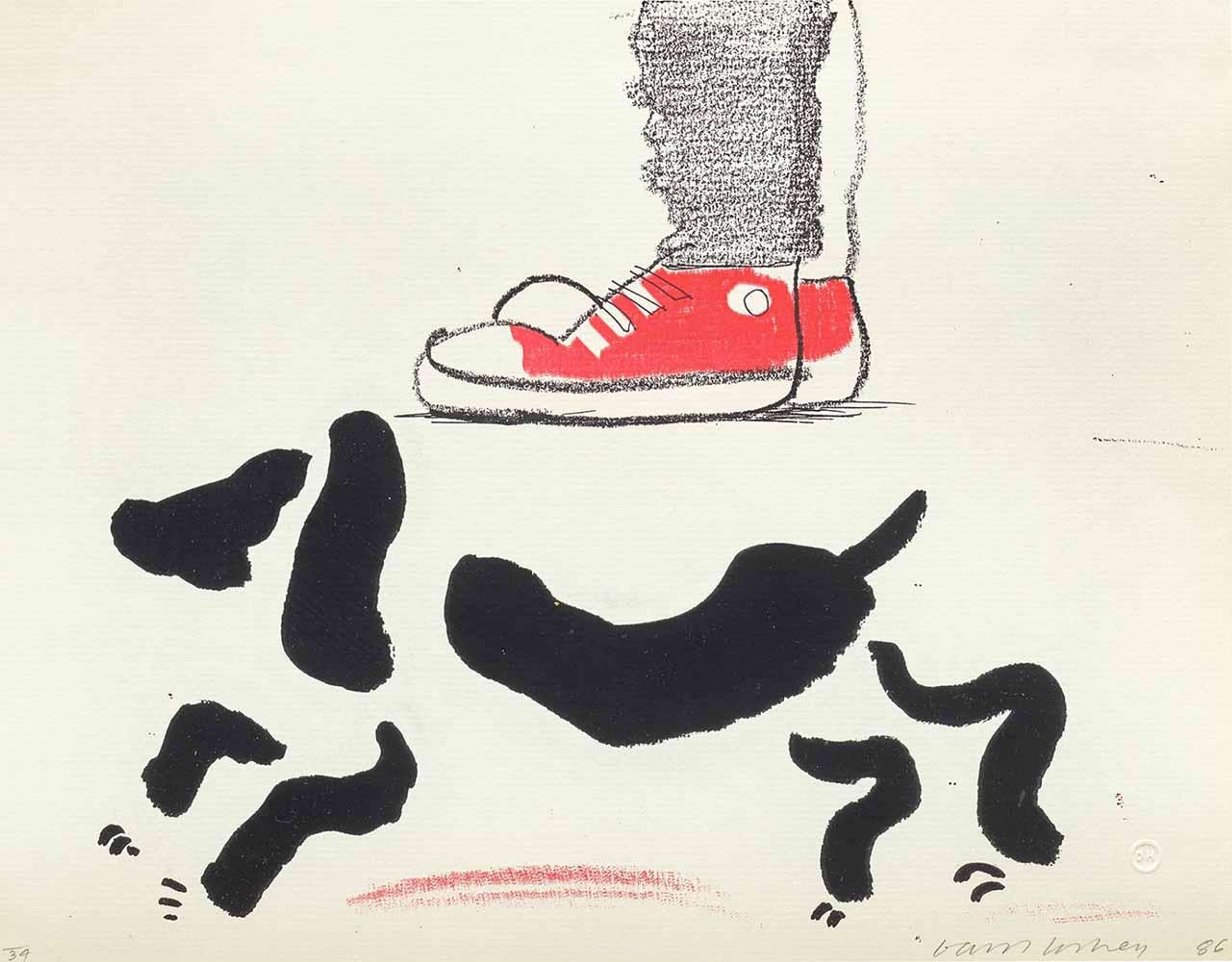
Unlike oil-based printing inks, copier toner bonds to paper with heat. The result is a matte density that Hockney exploited, especially in works such as Grey Blooms. That heat-fused pigment produces blacks that are very deep and without the reflective sheen of oil, heightening contrasts across the Home Made series. The effect of toner became a creative innovation, letting Hockney achieve velvety blacks against bright hues of colour.
Hockney built larger-scale images by assembling smaller photocopied pages
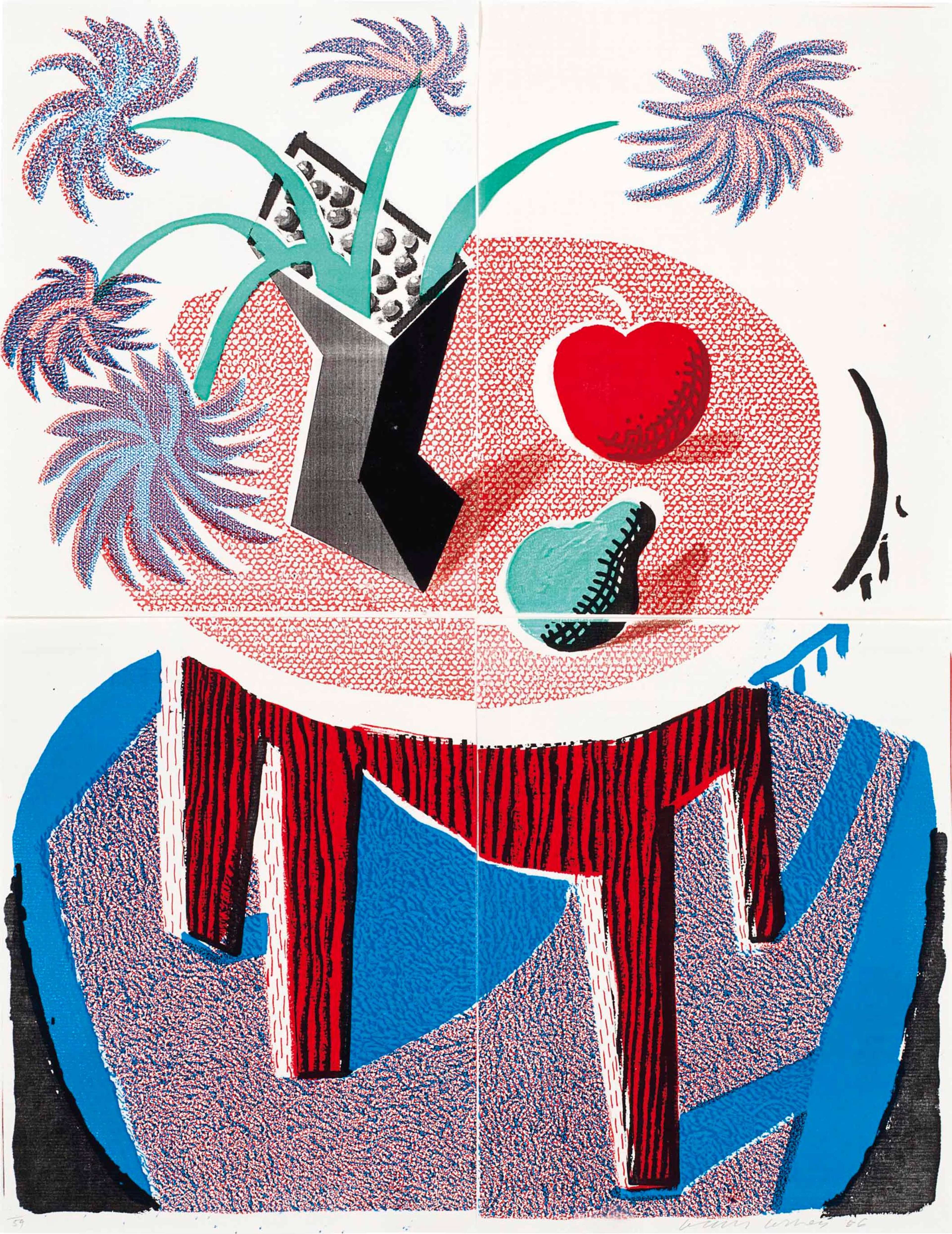
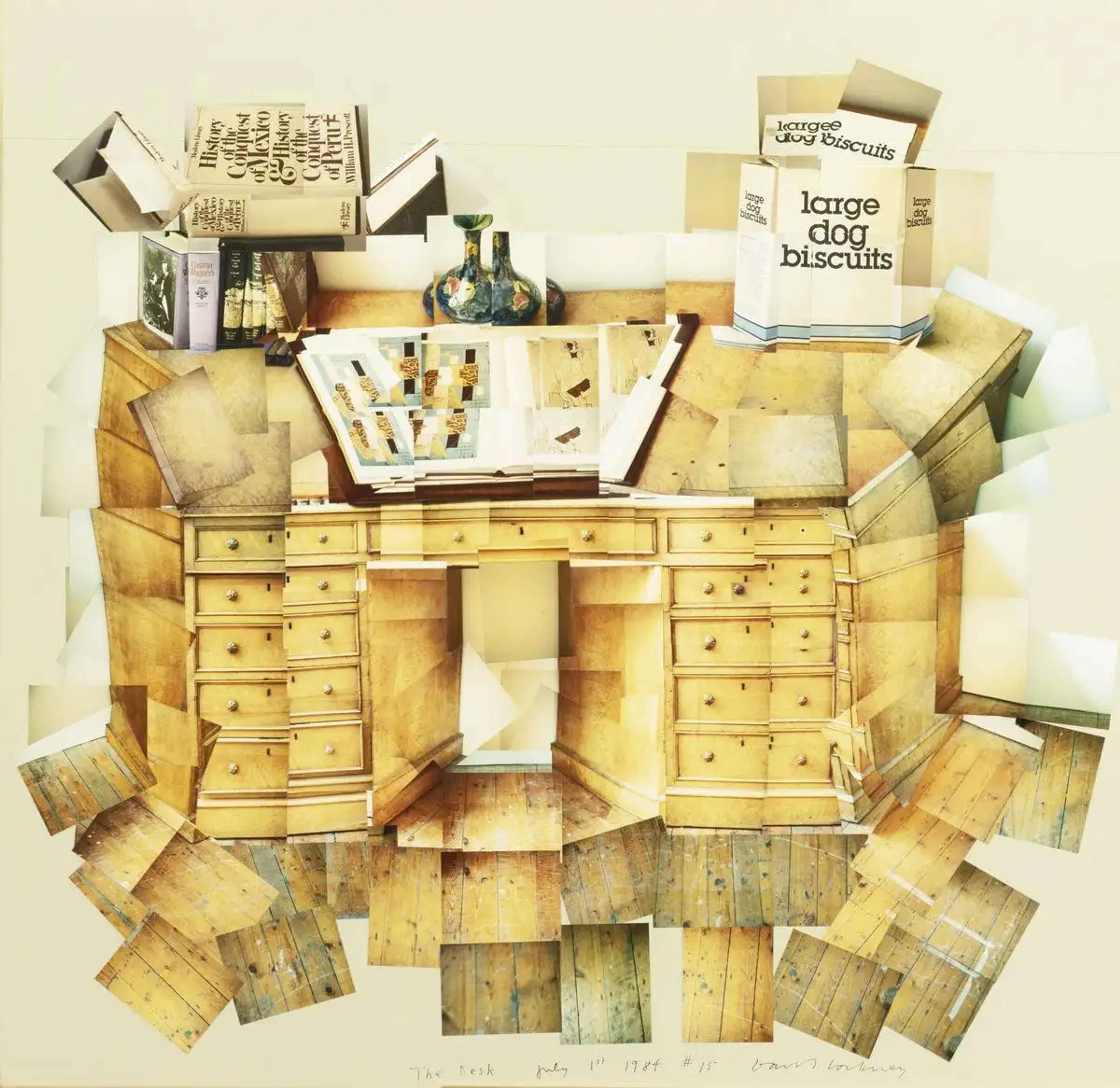
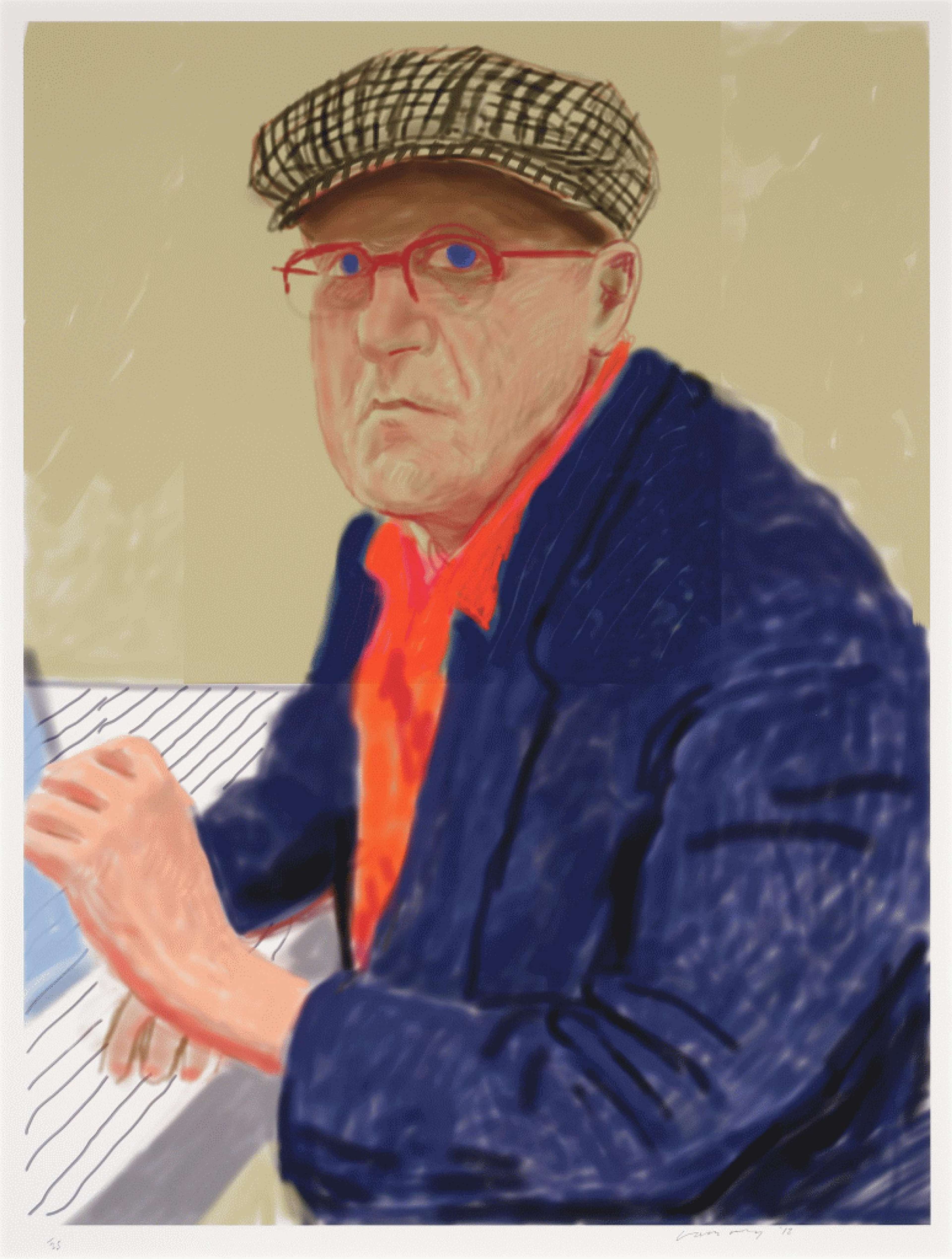
Copiers in the 1980s restricted sheet size, but Hockney found a way around this by assembling multiple printed sheets to create works like Office Chair and Self Portrait. This approach was conceptual, revealing images as constructed things where the viewer can explicitly see unity and the labour of making. The style echoes his earlier Photo Collages series, expanding Home Made Prints into ambitious, large-scale statements.
Quick cartridge changes gave Hockney painterly control over colour
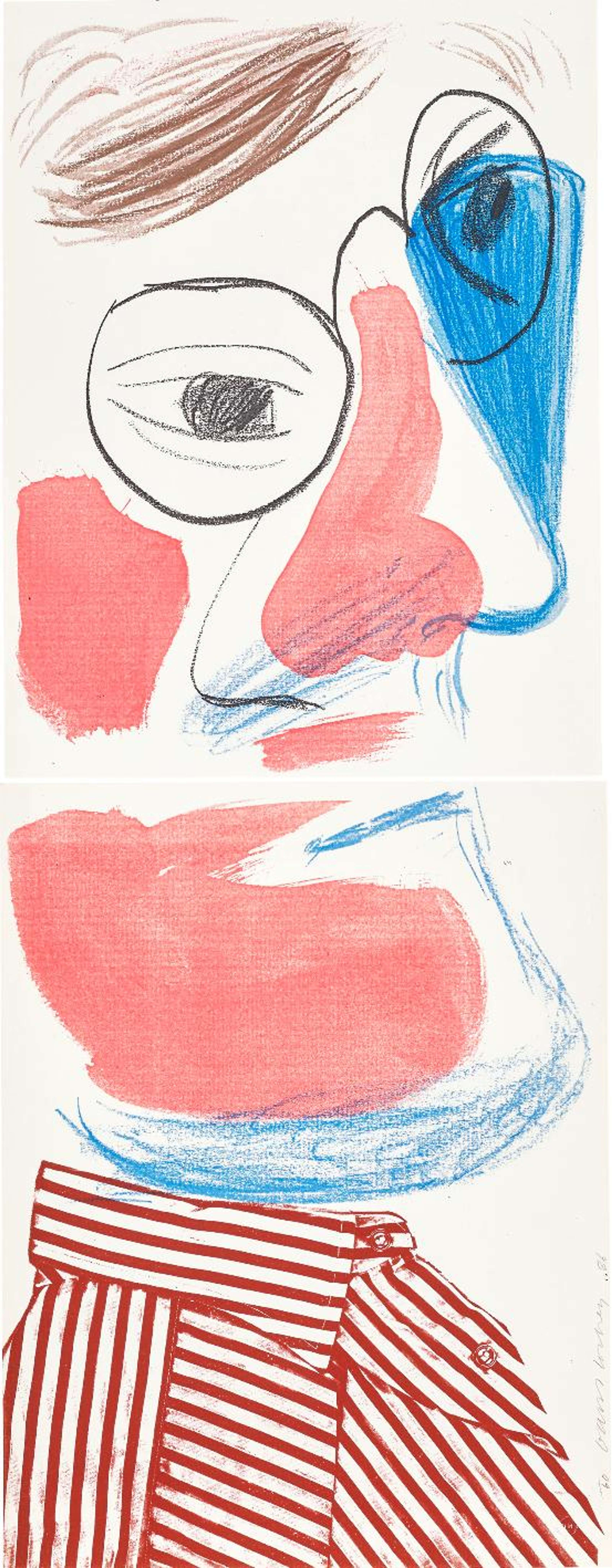
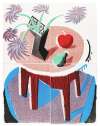
Swapping cartridges and over-printing allowed Hockney to experiment with colours and thicken shadows that mimicked painting but at print speed. Bowl of Fruit shows how saturated primary colours sit beside greys and blacks, and no drying time meant immediate iteration. This responsiveness was central to Home Made Prints - a feedback loop where colour could be experimented, tested and adapted.
Home Made Prints tested how different tools change what we see
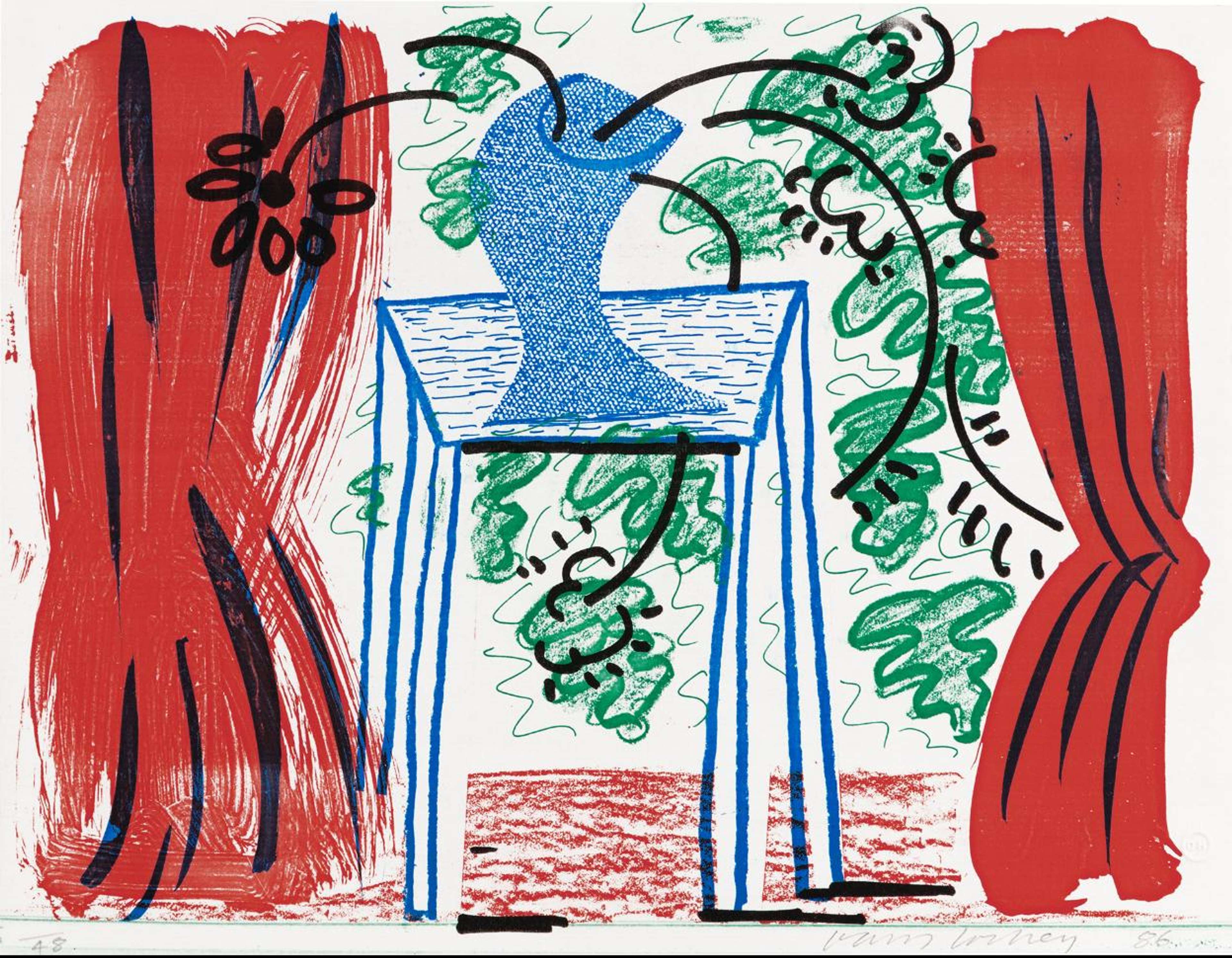
Starting in art school, Hockney began a lifelong exploration of how images describe space. The copier’s flatbed forced objects, drawings and textures into a single plane and compressed perspective while using colour and contour to carry form. The series sits alongside his Joiners and later digital drawings where medium is as central as subject. By adopting a device built for reproduction, Hockney exposed how technologies shape what and how we see, and how artists can use those mechanics to create new meaning.
Home Made Prints helped democratise printmaking
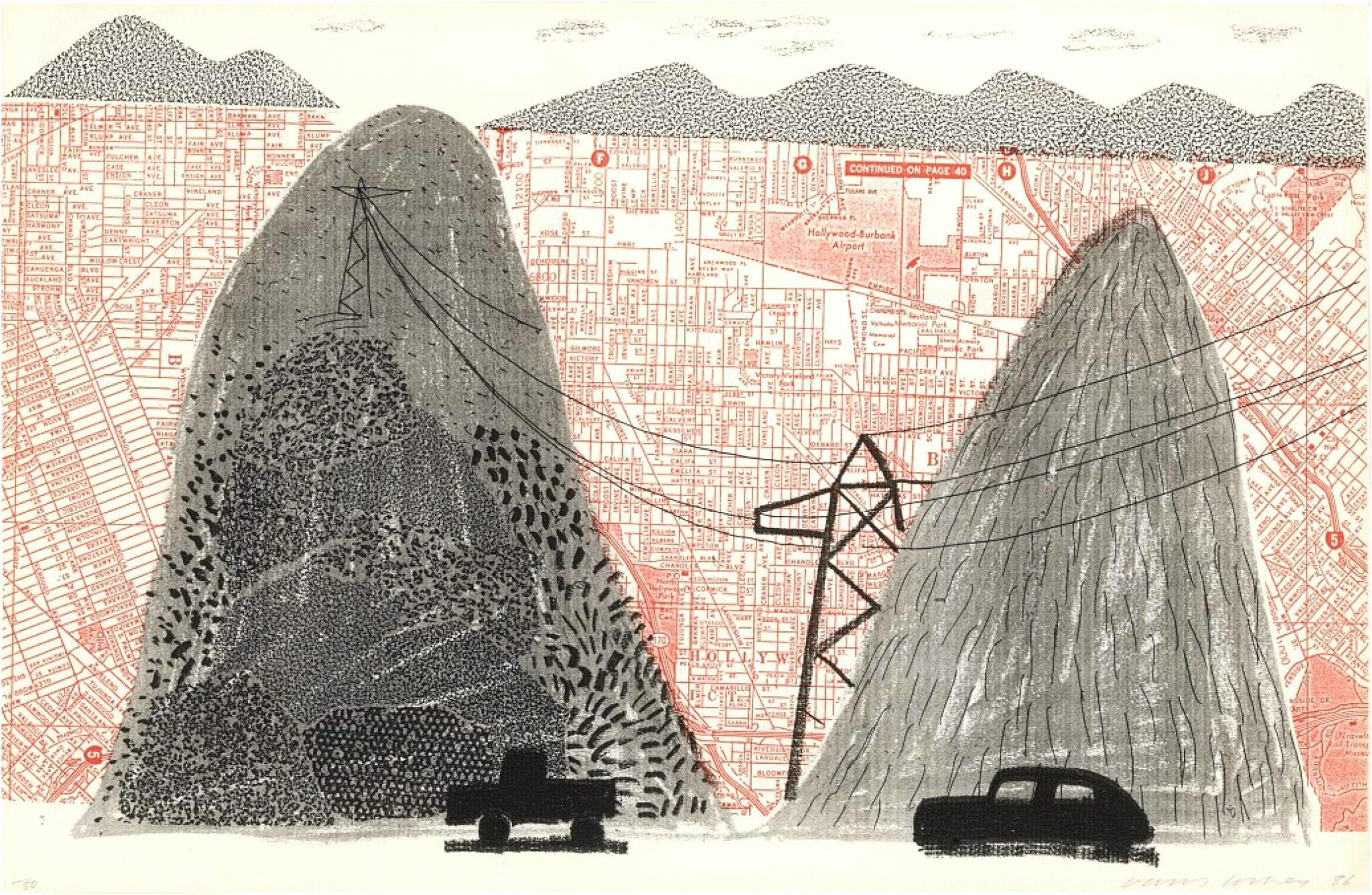
Hockney’s embrace of the photocopier signalled that serious art could emerge from everyday technology, lowering perceived barriers to printmaking. The works were immediately popular, travelling to major centres like New York, Los Angeles, Tokyo and London within a year of their creation. That swift circulation broadened the audience for his editions and underscored the series’ relevance beyond the studio. Home Made Prints functioned as a technical breakthrough and an invitation to innovation.
Gold frames legitimised the series as significant objects within Hockney’s oeuvre
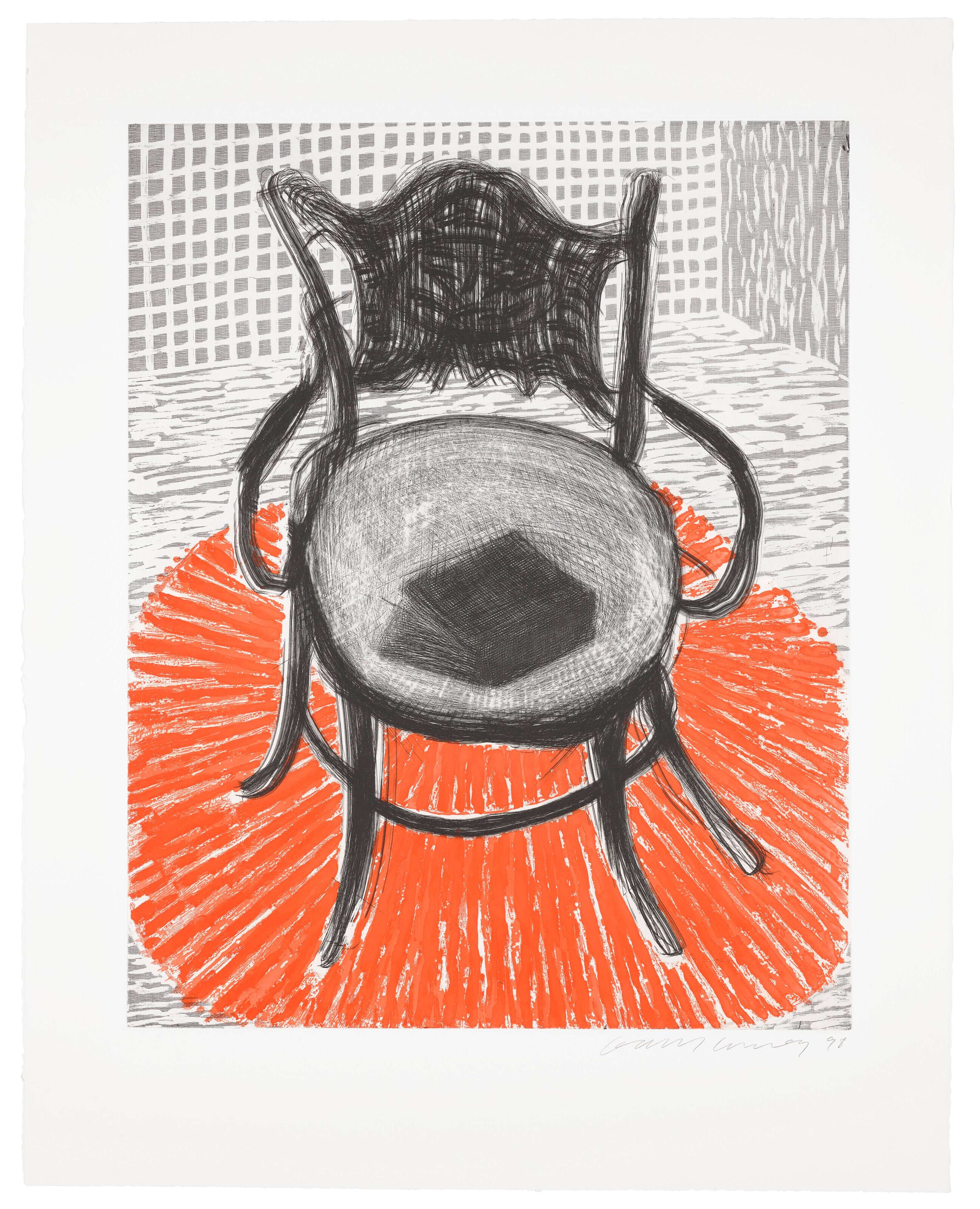
Despite their “home made” origin, Hockney placed the prints in opulent, artist-specified gold frames. The choice intentionally elevated the prints - created using everyday hardware - to the status of “high” art. The frames encourage viewers to look more closely at surfaces that might otherwise be dismissed, revealing the labour of layered printing, the density of toner blacks and the delicacy of over-printed colour.