Mirrors
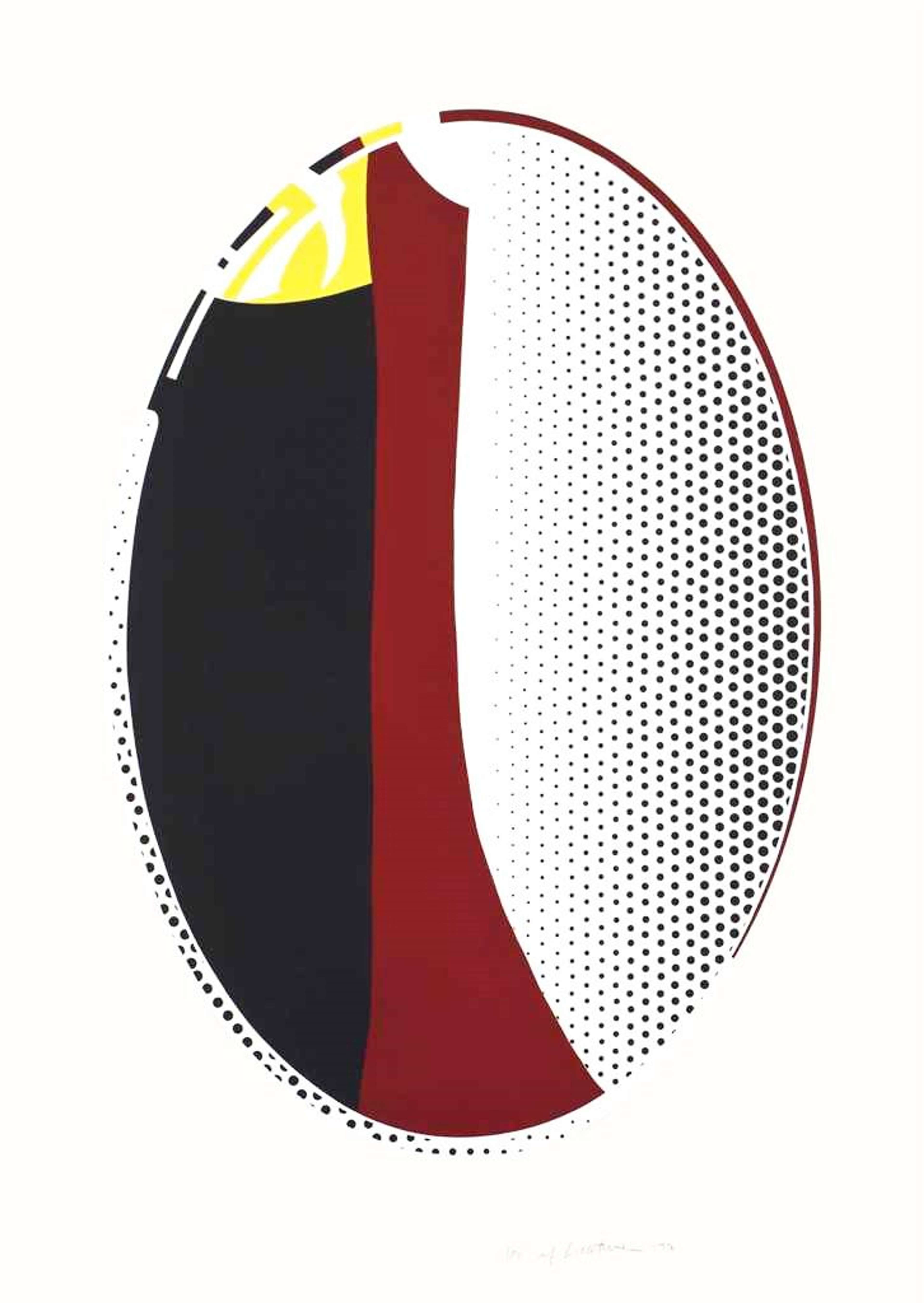
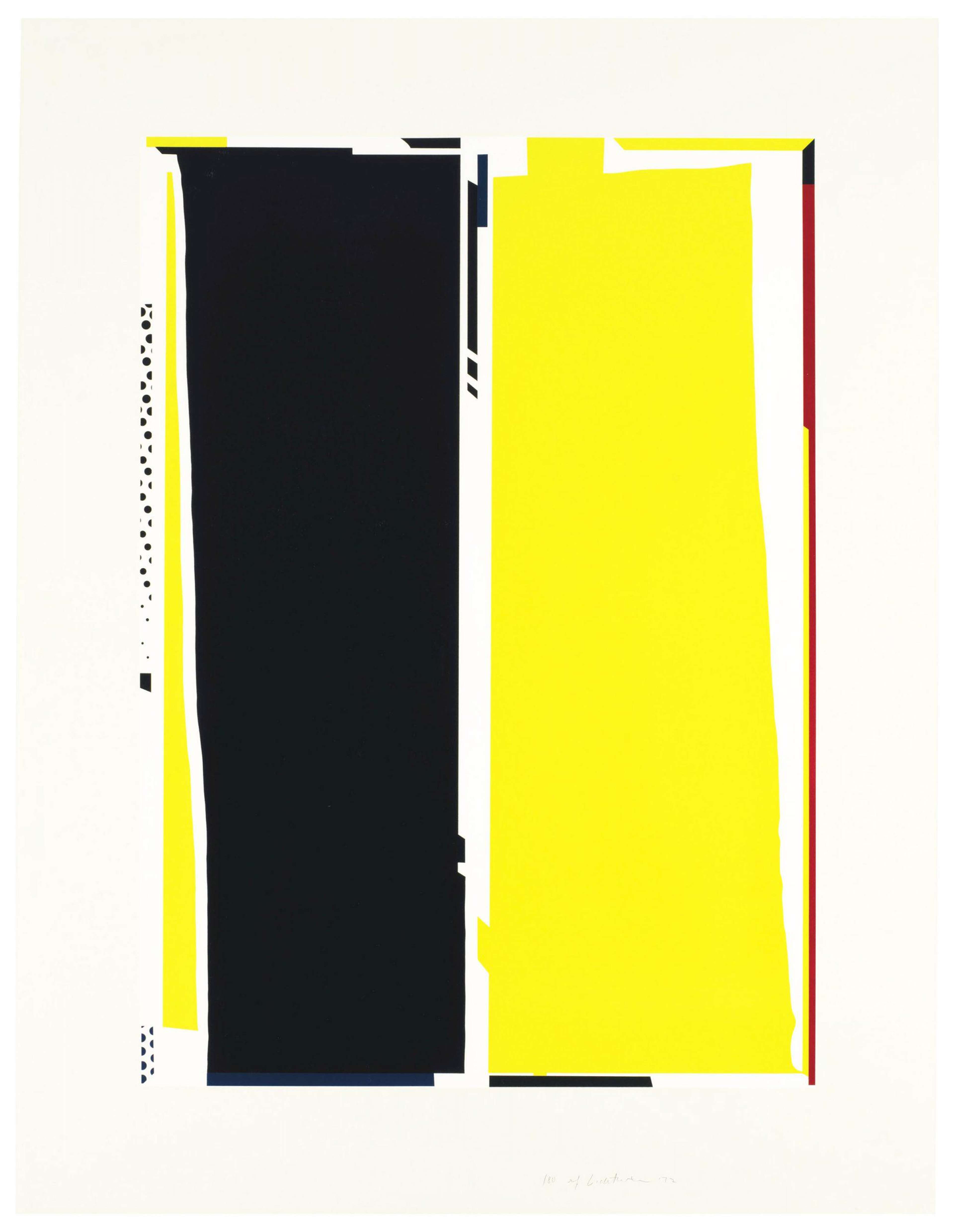
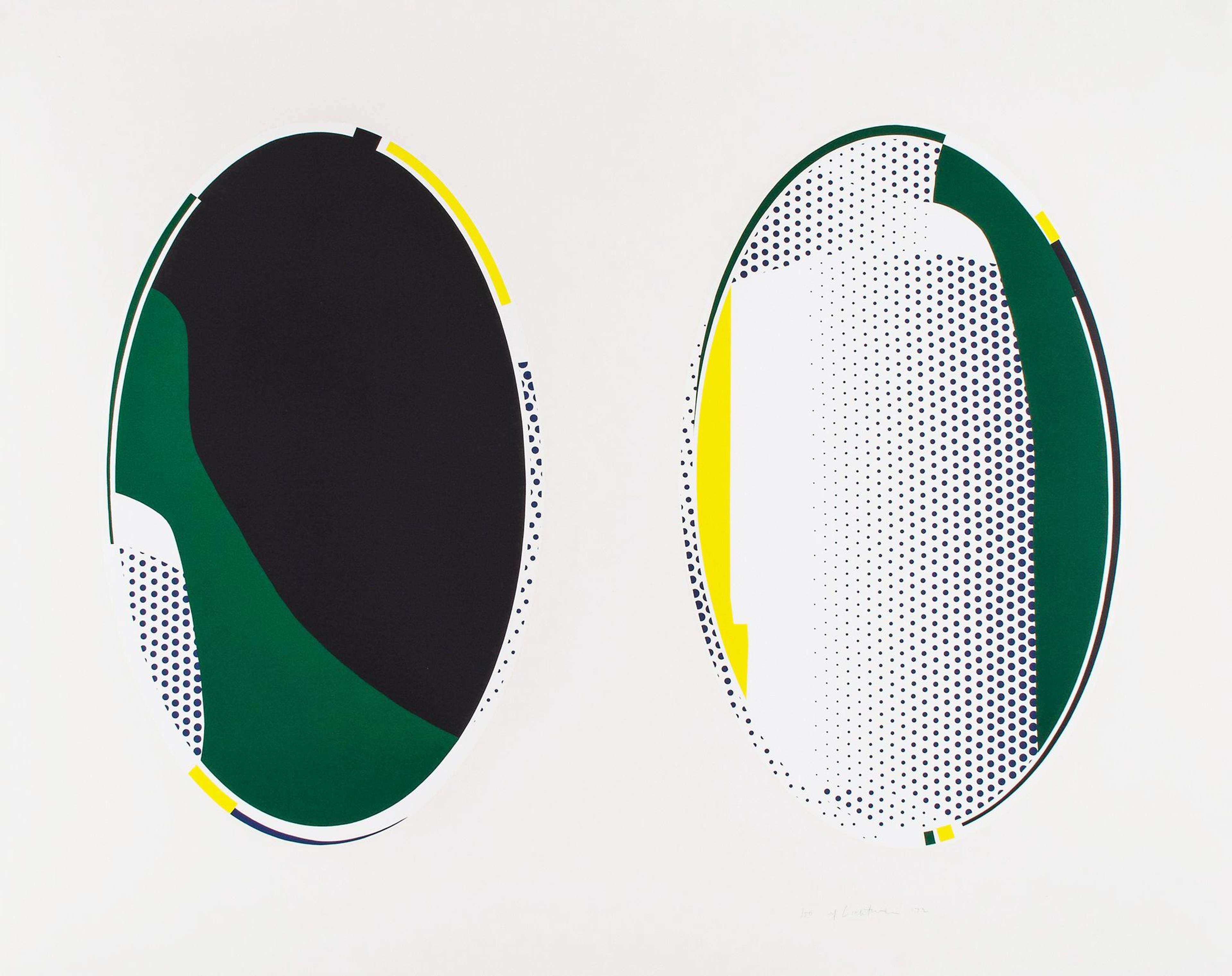
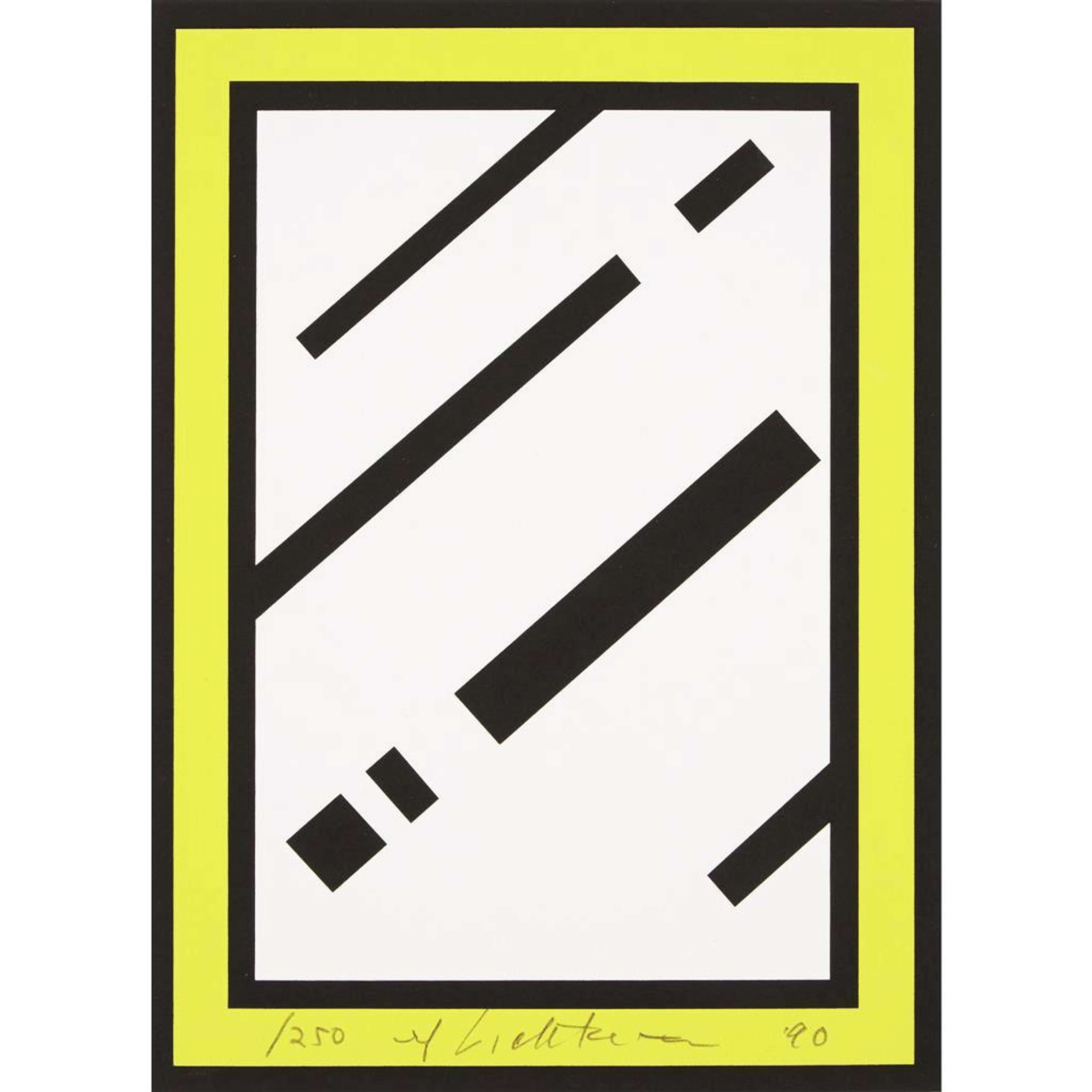
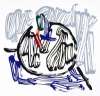
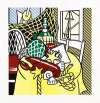
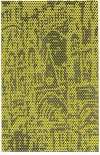
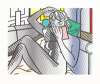
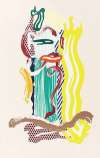
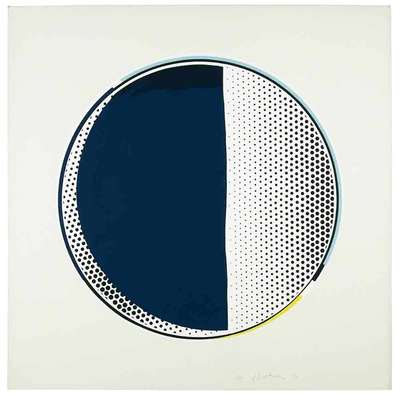
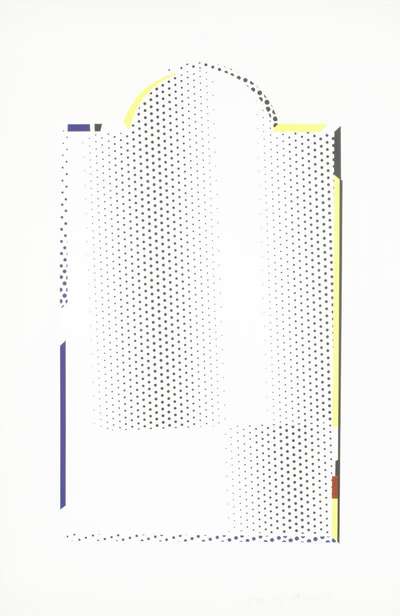
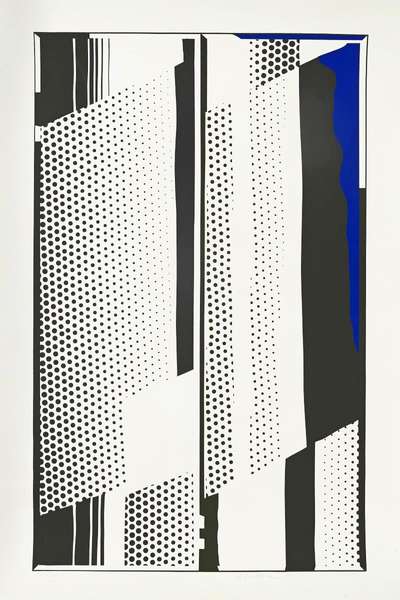
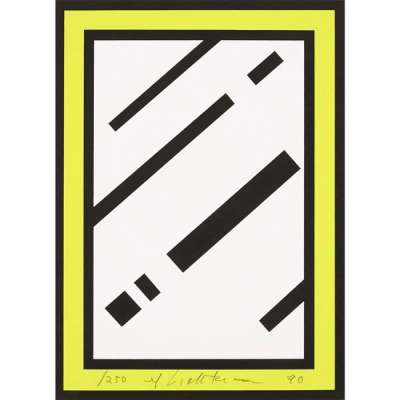
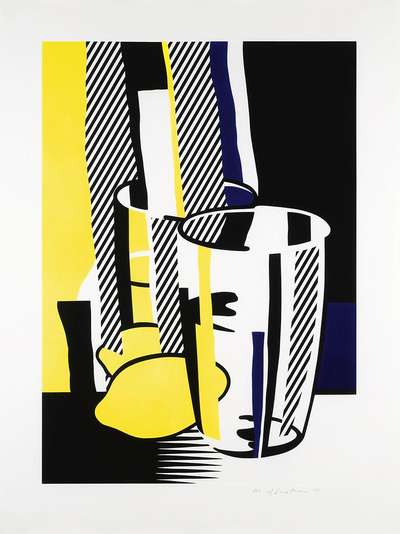
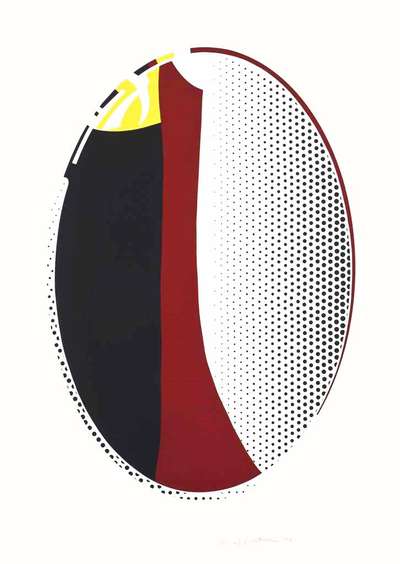
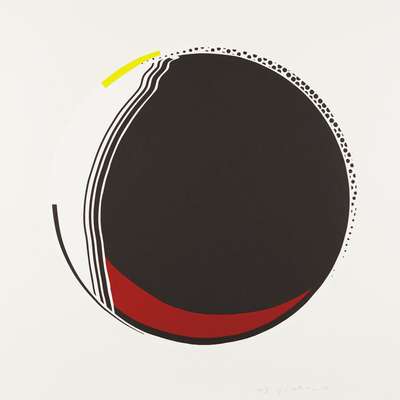
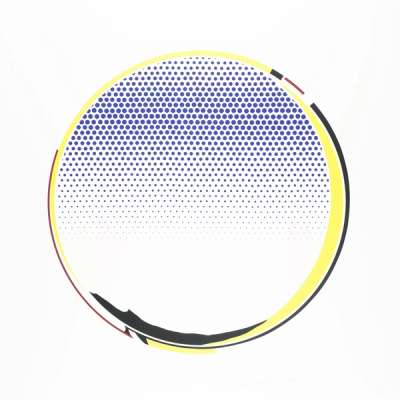
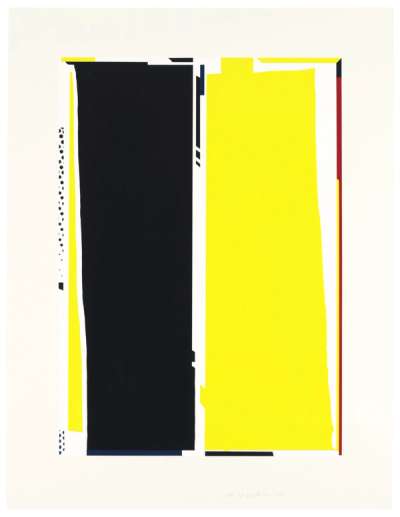
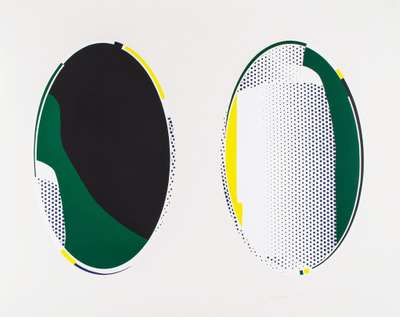
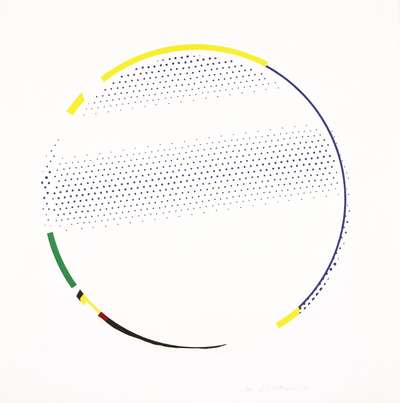
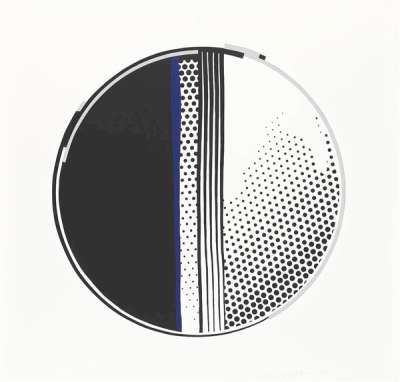
Pop Art icon Roy Lichtenstein's enigmatic Mirrors series experiments with perception and representation in Pop Art. Thanks to Lichtenstein’s masterful rendering— using intricate diagonal shading and gradations of dots— his Mirrors are legible in subject matter but are, of course, completely distinct from a real mirrored surface.
Roy Lichtenstein Mirrors For sale
Mirrors Value (5 Years)
With £111071 in the past 12 months, Roy Lichtenstein's Mirrors series is one of the most actively traded in the market. Prices have varied significantly – from £1857 to £19225 – driven by fluctuations in factors like condition, provenance, and market timing. Over the past 12 months, the average selling price was £8543, with an average annual growth rate of 5.85% across the series.
Mirrors Market value
Auction Results
| Artwork | Auction Date | Auction House | Return to Seller | Hammer Price | Buyer Paid |
|---|---|---|---|---|---|
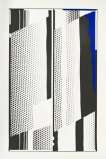 Twin Mirrors Roy Lichtenstein Signed Print | 16 Jul 2026 | Christie's New York | £5,950 | £7,000 | £9,500 |
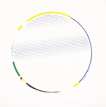 Mirror #2 Roy Lichtenstein Signed Print | 14 Jul 2026 | Sotheby's New York | £7,650 | £9,000 | £12,500 |
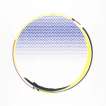 Mirror Roy Lichtenstein Signed Print | 28 Apr 2026 | Doyle Auctioneers & Appraisers | £5,950 | £7,000 | £9,500 |
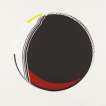 Mirror #4 Roy Lichtenstein Signed Print | 22 Apr 2026 | Bukowskis, Stockholm | £6,800 | £8,000 | £10,000 |
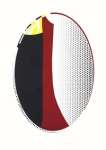 Mirror #6 Roy Lichtenstein Signed Print | 15 Apr 2026 | Sotheby's New York | £6,800 | £8,000 | £11,500 |
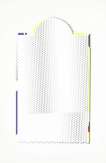 Mirror #7 Roy Lichtenstein Signed Print | 24 Oct 2025 | Christie's New York | £5,100 | £6,000 | £8,000 |
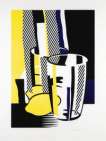 Before The Mirror Roy Lichtenstein Signed Print | 23 Oct 2025 | Bukowskis, Stockholm | £5,100 | £6,000 | £7,500 |
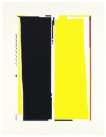 Mirror #5 Roy Lichtenstein Signed Print | 29 Apr 2025 | The Potomack Company | £4,675 | £5,500 | £7,000 |
Sell Your Art
with Us
with Us
Join Our Network of Collectors. Buy, Sell and Track Demand
Meaning & Analysis
Pop icon Roy Lichtenstein's enigmatic works featuring mirrors alternate between the intricate and the simplistic The mirror motif is one of the metaphorical objects the artist delved into in his research concerning perception and representation. Lichtenstein worked on his vast series of oval, circular and rectangular mirrors for over two decades. This abstracted sequence contains fragmented and unified compositions, depicting both single and multi paneled mirrors.
The iconography of mirrors is deeply rooted in history. The symbol has long served classic mythology as a form of moralistic commentary on vanity. In art, the icon has frequently acted as the conveyor of the complex, the hidden and the unconscious. Additionally, mirrors have aided painting in its rivalry with sculpture.
In keeping with the traditions of object painting, Lichtenstein’s Mirrors maintain the conventional appearance of their main motif. As a matter of fact, the artist identifies the whole surface of each artwork with the correct physical form of a mirror. However, Lichtenstein dismisses the object’s intended purposes, removing its metaphorical implications, as well as its functionality.
Instead, Lichtenstein focuses on the unpaintable aspect of mirrors; the play of reflections. Lichtenstein grows his compositions with great geometric precision, utilising the abstract and artificial qualities of his own visual language. Accordingly, his Mirror prints are both constituted and obscured by a pop aesthetic.
The Mirrors series shows studies of centrally placed, enlarged and isolated artefacts. They arrest imitations of uneven, smooth and reflective surfaces. Each mirror is adorned by diversified colours, parallel diagonal lines and a gradation of dots. These dense patterns allude to the optical attributes of luminous glass. Meanwhile, jagged lines at the outer edges of every form denote the beveled framework of real life mirrors.
Lichtenstein portrays his mirrors frontally, displaying the complete absence of any and all concrete reflections. Each item is presented legibly, but is consistently qualified by flatness and a matte finish. The series captures a dialogue between an iconised object and the formal independence emphasised by Lichtenstein’s art. Therefore, these artworks are parodies, sly misrepresentations, disguised by the artist under the pretence of representation. Essentially, the prints in this sequence are as contradictory, as they are illustrative.