
For collectors considering selling, understanding the value of an Emin print depends on several factors, including the medium, edition size, subject matter, and condition of the work. Market visibility, recent auction results, and the artist’s broader career momentum can also influence collector demand.
This guide explains how much Emin prints are worth, what factors influence their market value, how to authenticate and preserve a print, and where collectors can sell Emin prints through auction or private sale. For sellers, understanding these dynamics is essential when deciding how and when to bring a work to market.
How Much Are Tracey Emin Prints & Editions Worth?
The value of an Emin print depends largely on the medium, subject matter, and rarity of the edition.
Tracey Emin Neon Print Value
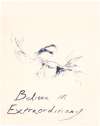
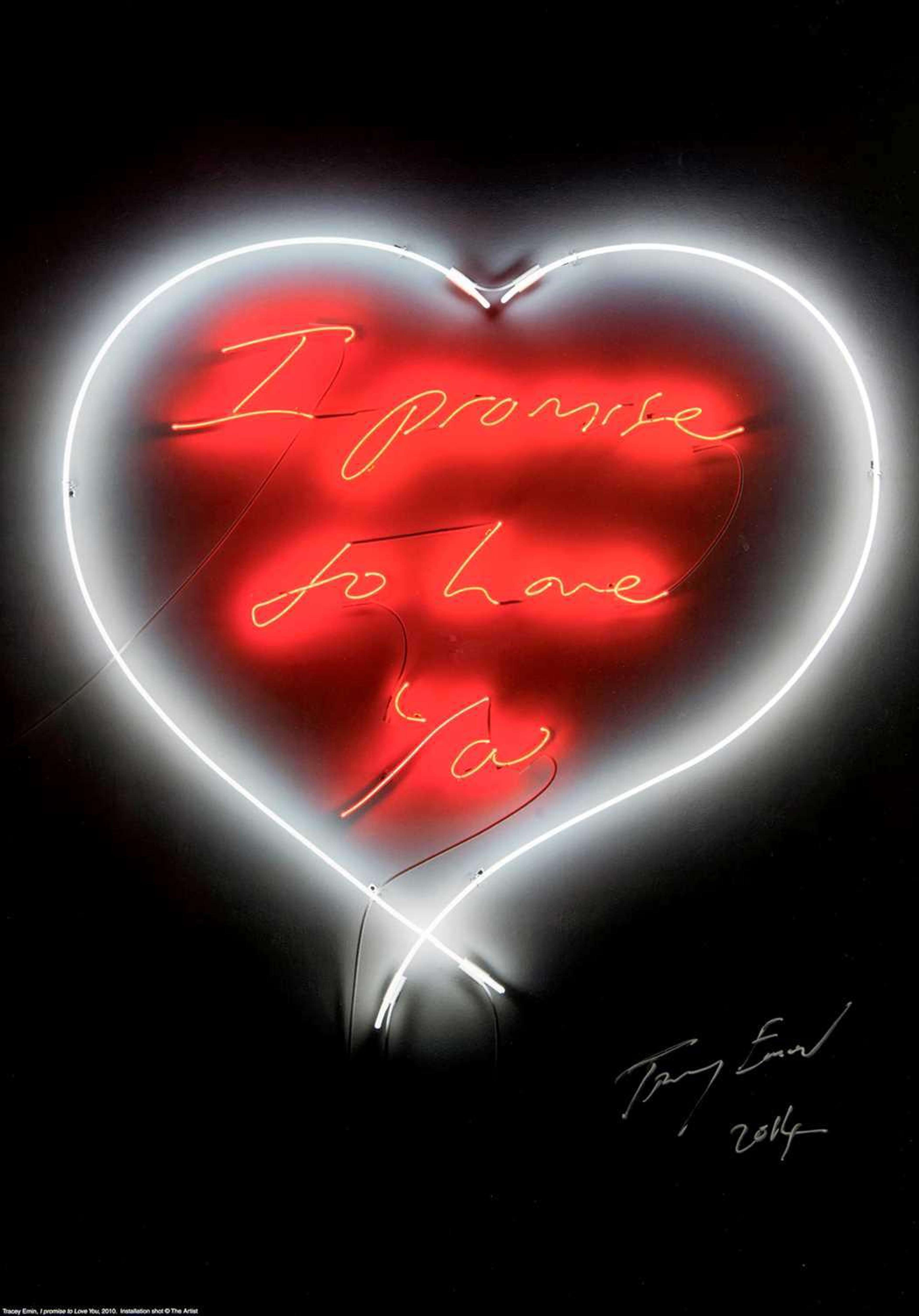
One of the strongest areas of the market is Emin’s neon works, which reproduce the handwritten phrases that have become central to her artistic identity. These prints continue to attract strong demand at public auction. In the London auctions at Sotheby’s in March, Emin’s neon work The Kiss Was Beautiful sold for £166,000 against a high estimate of £100,000, demonstrating the strong collector appetite for these editions. However, the value of neon prints can vary depending on the specific phrase, condition, edition size, and proof.
Tracey Emin Nude and Figurative Print Value
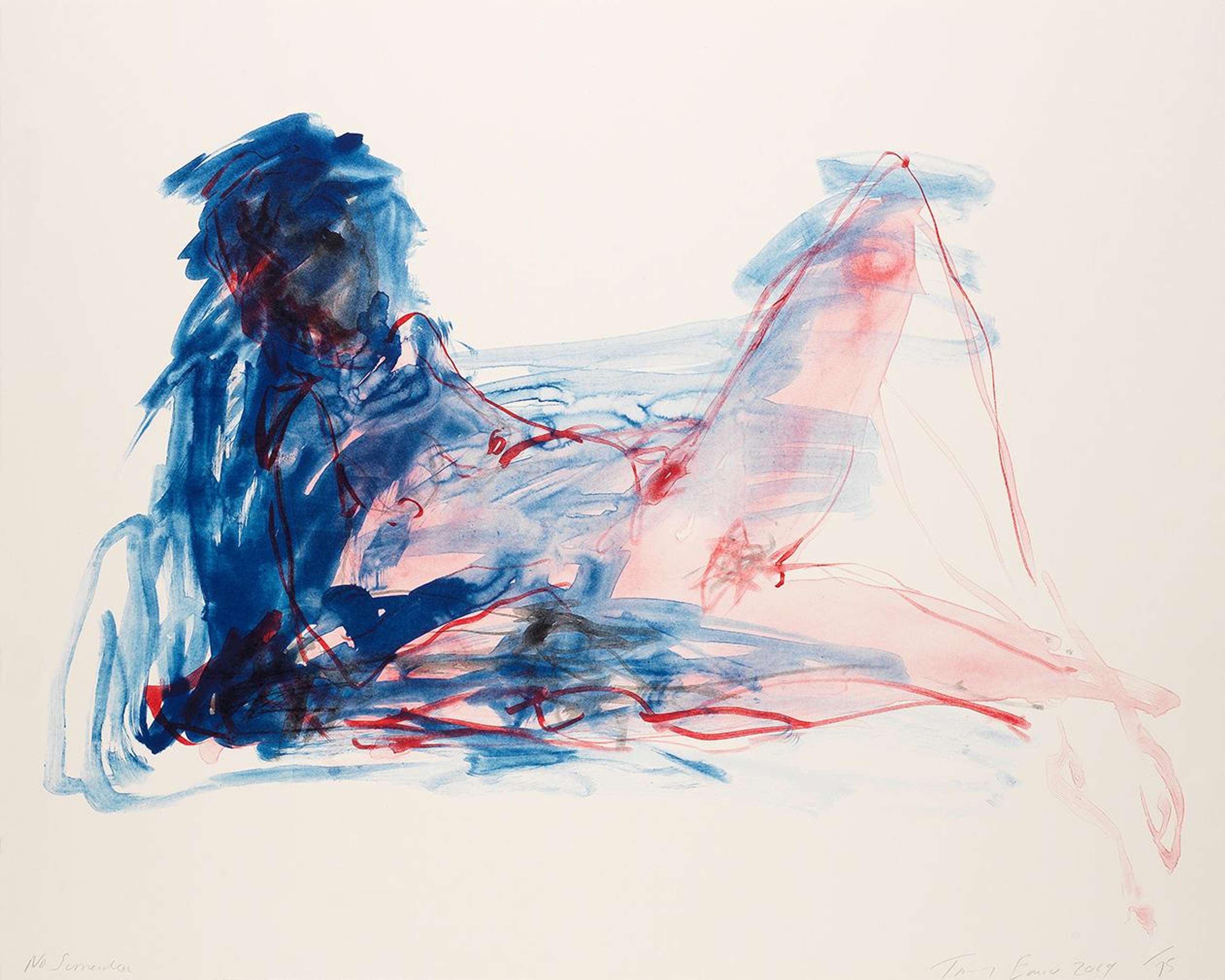
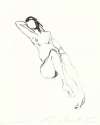
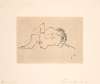
Emin’s figurative works – particularly prints depicting the female body – are among the most recognisable compositions in her print market. These works reflect the loose, expressive drawing style that defines much of her practice and continue to attract strong interest from collectors. Unique monotypes and smaller editions tend to command higher prices because of their rarity, while editioned figurative prints circulate more widely across the market and remain accessible entry points for collectors seeking works closely associated with Emin’s distinctive visual language. Certain works can trade anywhere from £10,000 to £40,000 in the current market.
Tracey Emin Lithographs and Etchings Print Value
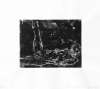
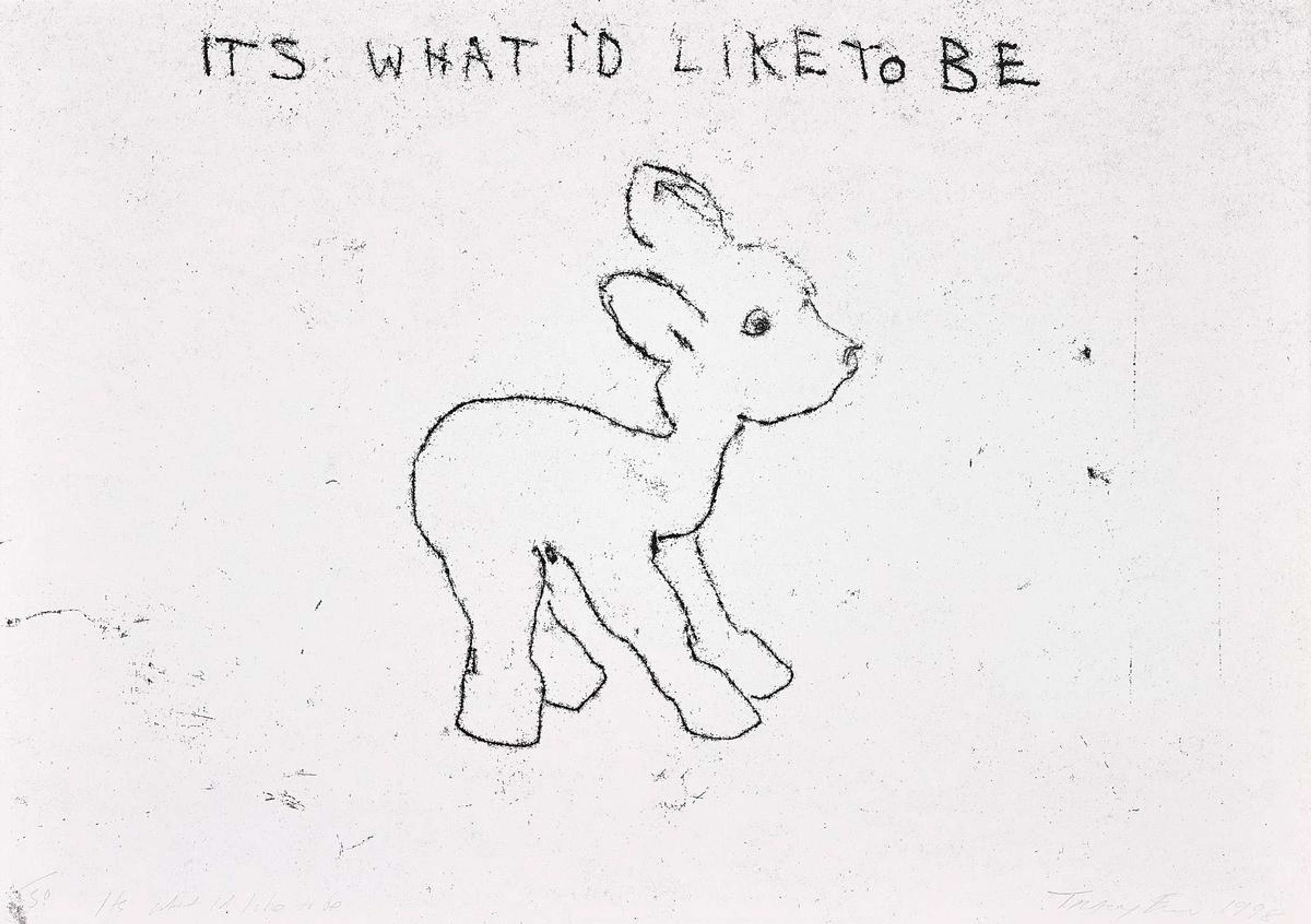
Emin has also produced a wide range of lithographs and etchings, many of which feature the loose figurative drawing style collectors closely associate with her work. Earlier etchings often explore recurring animal motifs – including birds, monkeys, and lambs – which reflect themes present throughout her early printmaking practice and typically trade between £5,000 and £10,000. Bird imagery in particular appears across a number of lithographic editions produced with Counter Editions and has attracted growing collector interest in recent years.
Unique works and small editions generally achieve higher prices, but many editioned lithographs and etchings remain relatively accessible, particularly when they appear at mid-tier auction houses or through private sales.
Other Tracey Emin Editions: Embroidery, Porcelain and Posters Value
In addition to traditional printmaking techniques, Emin has produced embroidered works, porcelain editions, and poster releases, which also circulate within the secondary market. These editions often trade at lower price levels but still attract collectors interested in works connected to Emin’s wider practice.
What Factors Affect the Value of a Tracey Emin Print?
Several factors influence the value of an Emin print, but one of the most significant is the artist’s current visibility within the international art world. Emin has never been more prominent than she is today. In 2023 she was commissioned to design the bronze doors for the National Portrait Gallery in London, a project that was accompanied by the release of dedicated print editions. More recently, her 2026 exhibition A Second Life at Tate Modern, alongside continued international gallery representation and major museum exhibitions, has brought renewed attention to her work across both the primary and secondary markets.
At the same time, Emin’s cultural influence extends beyond her own practice. Through her ongoing work supporting artists in Margate, where she has established studios and educational initiatives, she continues to shape the contemporary art landscape in the UK. This wider visibility reinforces her reputation and keeps demand for her work active among collectors.
Another important factor is Emin’s position within the wider contemporary art market. While many of her prints remain accessible, Emin’s paintings and large-scale works frequently achieve seven-figure prices and regularly appear in evening sales at major auction houses. These high-profile results strengthen confidence in the artist’s market overall and often increase interest in her prints and editions as more accessible entry points for collectors.
The type of imagery represented in a print can also influence demand. Works that reflect Emin’s most recognisable visual language – including handwritten text pieces and figurative compositions – tend to attract the strongest collector interest, particularly when they reference imagery closely associated with her broader body of work.
For sellers, these broader market signals are important. Institutional exhibitions, strong auction results for major works, and continued cultural visibility can all contribute to increased demand for Emin’s prints and editions.
How to Authenticate a Tracey Emin Print
Authenticating an Emin print is an important step before selling, as buyers will want reassurance that the work is genuine and correctly documented. While Emin does not currently have a comprehensive catalogue raisonné dedicated to her print editions, there are several practical ways to verify authenticity.
Tracey Emin Signature and Edition Numbers
Understanding Emin’s signature and edition numbering is an important step when preparing a print for sale. These details help confirm the authenticity of the work and provide buyers with reassurance about how the print was produced.
Most of Emin’s limited-edition prints are hand-signed in pencil, typically along the lower margin of the sheet. The edition number usually appears nearby, often written as a fraction that indicates both the print’s individual number and the total size of the edition. The title of the work may also appear along the lower edge of the sheet, depending on the print.
In prints derived from Emin’s neon text works, the signature can sometimes appear in silver ink, often written as “Tracey Emin X” or accompanied by the year of production. These works reproduce the handwritten phrases that have become one of the most recognisable elements of her practice.
Earlier works and unique prints may show slight variations in how they are signed. Some monotypes or hand-worked prints may include signatures in ink rather than pencil, and in rare cases the signature may appear on the reverse of the sheet.
Tracey Emin Print Publishers and Studios
Confirm the publisher or print studio. Many of Emin’s editions were produced in collaboration with established print studios such as Counter Editions and Paragon Press, both of which have published a significant portion of her prints since the early 2000s. Editions released through recognised publishers are generally easier to verify because their production details are well documented.
Tracey Emin Provenance and Documentation
Supporting documentation can also help confirm authenticity. Original invoices, gallery receipts, or certificates of authenticity can provide a clear record of ownership. Many of Emin’s original works will trace back to White Cube, her long time gallery representation.
Comparing your print with verified examples from reputable galleries, publishers, or specialist platforms can help confirm details such as signature placement, edition numbering, and presentation. Because many of Emin’s editions were produced through established print studios and galleries, these sources can often provide reliable reference points when verifying a work.
If you are unsure about the authenticity of a print, consulting a specialist before bringing it to market is strongly recommended. A specialist can review the print’s edition details, publisher, and documentation to ensure the work is correctly identified and accurately valued before it is offered for sale.
How Condition Affects the Value of a Tracey Emin Print
The condition of an Emin print can have a significant impact on its value when selling. Because Emin works across a variety of printmaking techniques and materials, the type of paper used in the edition often determines how the work ages and what collectors expect when assessing its condition.
Many of Emin’s lithographs and etchings are printed on fine art papers, while some editions – particularly certain figurative works and monotypes – have been produced on Japanese papers, which are prized for their texture and delicacy but can be more sensitive to handling and environmental conditions. These papers require careful storage, as they can show signs of wear more easily if exposed to humidity, light, or repeated handling.
Emin has also produced digital and photographic prints, including editions derived from her neon works. These are often printed on thicker, modern papers designed to support digital printing processes. While these materials are generally durable, they can still show signs of creasing, surface marks, or fading if displayed without proper protection.
Regardless of medium, buyers will look closely for visible condition issues. Common problems include creases, edge wear, foxing (small brown spots caused by age or humidity), paper discolouration, or fading from prolonged exposure to light. Even minor imperfections can affect resale value, particularly for collectors seeking well-preserved examples.
Framing and storage also play an important role. Prints displayed without UV-protective glass or stored in environments with fluctuating temperature and humidity may deteriorate more quickly over time. Works that remain flat, clean, and well-preserved generally achieve stronger results in the market because they require little or no conservation work after purchase.
Before bringing an Emin print to market, sellers should review its condition carefully. Clear photographs of the sheet, margins, and any visible marks help specialists assess the work accurately and advise whether conservation or restoration may be beneficial before selling.
Where to Sell Tracey Emin Prints
The best time to sell an Emin print often depends on the specific work and current collector demand. Monitoring recent sales activity can also help sellers understand when demand is strongest. If similar works are achieving strong results or attracting significant collector interest, this can signal a favourable moment to bring a print to market.
Selling Tracey Emin Prints at Auction
Auction can be an effective route for certain Emin prints, particularly works that are rare, unique, or closely associated with her most recognisable imagery. Public auctions can generate competitive bidding when multiple collectors are interested in the same work.
However, auction results can be unpredictable. Final prices depend on who is bidding on the day of the sale, and sellers must also factor in auction fees and the possibility that a work may sell below expectations if bidding is limited.
Selling Tracey Emin Prints Through Private Sale
Many Emin prints are sold privately through galleries, dealers, or specialist brokers. Private sales allow sellers to set a price in consultation with a specialist and place the work directly with collectors who are actively seeking that edition.
This route also offers greater discretion and flexibility, allowing sellers to avoid the public exposure of an auction result and negotiate a sale based on current demand.
If you are considering both options, our guide to auction vs private sale explains the advantages and potential drawbacks of each route in more detail. Working with a specialist can help determine which approach is most suitable based on the specific print, recent market activity, and the level of collector demand.
How to Sell a Tracey Emin Print with MyArtBroker
MyArtBroker specialises in the private sale of blue chip prints and editions, connecting sellers with a global network of collectors actively seeking works by artists such as Tracey Emin. Our team provides guidance throughout the entire process, from valuation and market advice to negotiating offers and completing the transaction.
A Dedicated Expert
When you sell an Emin print with MyArtBroker, you work directly with a specialist who understands the dynamics of the contemporary print market. Our team assesses the specific characteristics of your print – including medium, edition size, and current collector demand – to determine the most effective strategy for bringing it to market.
Sellers can also use our Instant Valuation tool to receive an immediate estimate based on real market data. This provides a useful starting point before speaking with a specialist about the best route to sale.
0% Seller’s Fees, 100% of the Time
Unlike many traditional selling routes, MyArtBroker charges sellers no commission. We take our fee from the buyer side, allowing sellers to retain the full value of their artwork. This structure helps ensure that sellers receive the strongest possible return when placing a work on the market.
Extensive Network
Through our global collector network and proprietary Trading Floor, MyArtBroker connects sellers directly with buyers who are actively searching for specific editions. This platform allows collectors to signal interest in particular works, giving sellers real insight into current demand before a print is offered for sale.
How a Private Sale Works
Most works sold through MyArtBroker are placed via private sale, where specialists match prints directly with interested collectors. This approach allows sellers to avoid the unpredictability of public auctions while benefiting from discreet negotiations and targeted marketing to qualified buyers.
Once an offer is agreed, our team manages the process from start to finish, including contracts, shipping, and insurance, ensuring a smooth and secure transaction.
Advisory & Recommendations
Not every print enters the market in the same way. If a particular work may achieve a stronger result through a different channel – such as a gallery placement or auction sale – our specialists provide independent advice and recommendations based on the specifics of the artwork and current market conditions.
If you are considering selling an Emin print, you can request a free valuation or speak with one of our specialists to explore the best route to market.