Hats
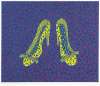
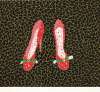
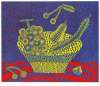
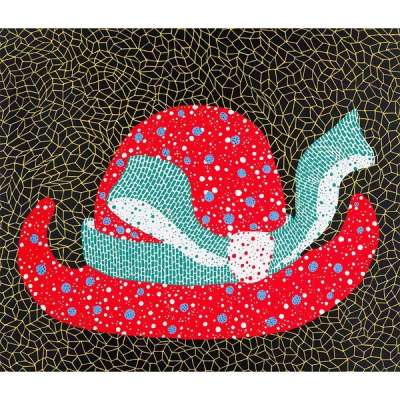
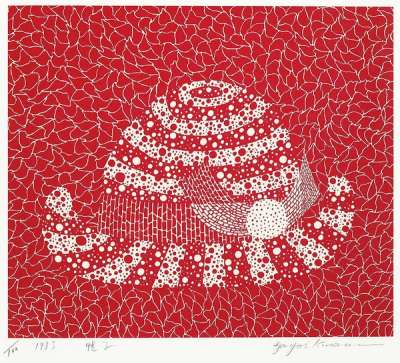
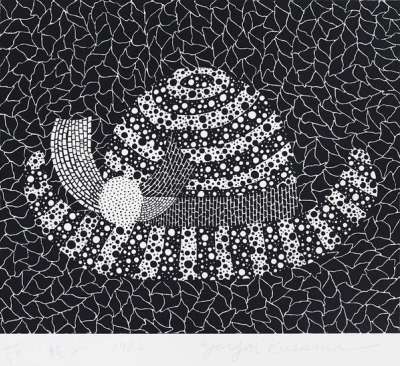
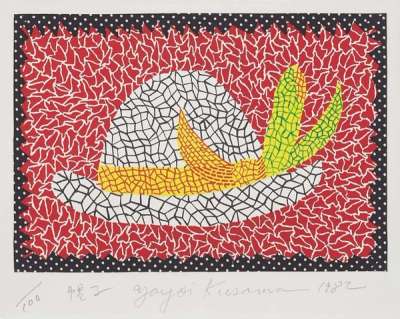
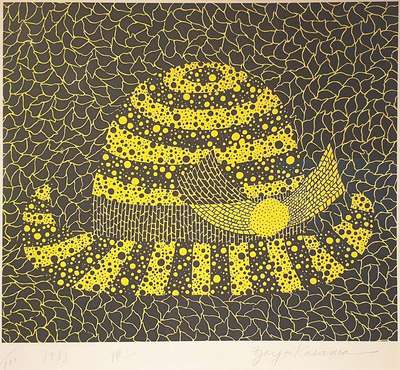
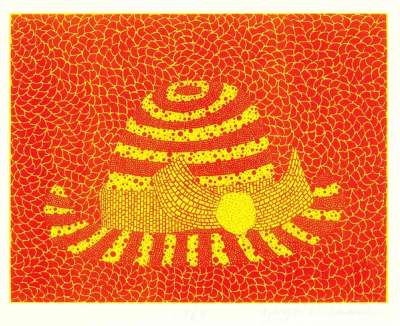
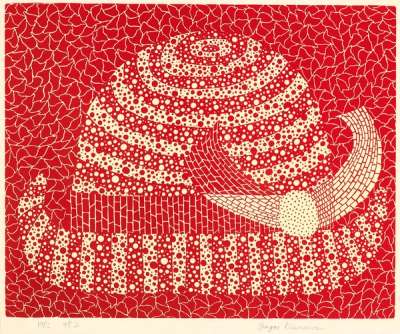
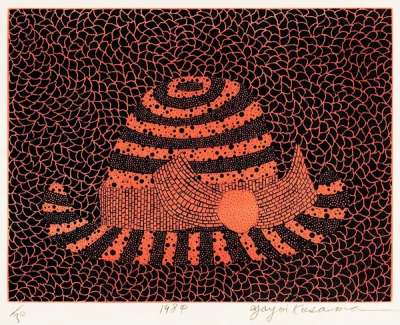
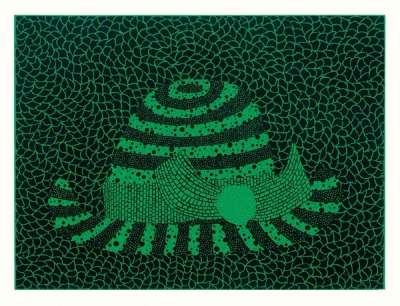
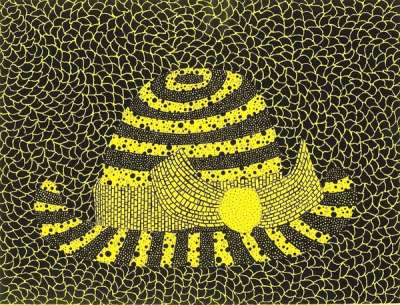
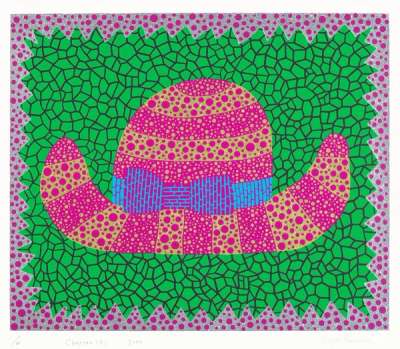
Hats play a vital part in Yayoi Kusama’s signature fashion sense, here, they feature in her prints too. This collection, depicting a range of fetching hats embellished with bows and brooches, digs into the hat’s role as status symbol in Japanese culture, as well as an accessory for self-expression.
Yayoi Kusama Hats For sale
Hats Value (5 Years)
With £43003 in the past 12 months, Yayoi Kusama's Hats series is one of the most actively traded in the market. Prices have varied significantly – from £1131 to £46634 – driven by fluctuations in factors like condition, provenance, and market timing. Over the past 12 months, the average selling price was £10750, with an average annual growth rate of 15.61% across the series.
Hats Market value
Auction Results
| Artwork | Auction Date | Auction House | Return to Seller | Hammer Price | Buyer Paid |
|---|---|---|---|---|---|
 Hat Yayoi Kusama Signed Print | 22 Apr 2026 | Phillips New York | £8,500 | £10,000 | £14,500 |
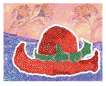 Hat Left Behind In The Field Yayoi Kusama Signed Print | 27 Apr 2025 | iART | £12,325 | £14,500 | £17,000 |
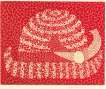 Hat (red) Yayoi Kusama Signed Print | 31 Aug 2024 | New Art Est-Ouest Auctions Co. | £21,250 | £25,000 | £30,000 |
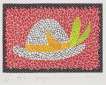 Hat Yayoi Kusama Signed Print | 6 Jul 2024 | SBI Art Auction | £11,475 | £13,500 | £16,000 |
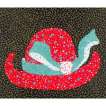 Hat, Kusama 89 Yayoi Kusama Signed Print | 28 Jan 2024 | SBI Art Auction | £15,300 | £18,000 | £21,000 |
 Hat (orange) Yayoi Kusama Signed Print | 7 Oct 2023 | Poly Auction Hong Kong Limited | £13,600 | £16,000 | £19,000 |
 Hat Yayoi Kusama Signed Print | 29 May 2022 | New Art Est-Ouest Auctions Co. | £11,475 | £13,500 | £17,000 |
 Hat (green) Yayoi Kusama Signed Print | 27 Apr 2021 | Seoul Auction | £10,200 | £12,000 | £13,500 |
Sell Your Art
with Us
with Us
Join Our Network of Collectors. Buy, Sell and Track Demand
Meaning & Analysis
Hats play a vital part in Yayoi Kusama’s signature fashion sense, here, they feature in her prints too. This collection, depicting a range of fetching hats embellished with bows and brooches, in numerous signed screen-prints, produced throughout the 80s.
Yayoi Kusama’s unique fashion sense, which sees her frequently don clothing featuring her own patterns, and always with perfectly neat red hair, has always been an extension of her art. In the early days of her career she would often arrive at her exhibition openings in a kimono, perhaps with a parasol too, in a homage to Japanese culture that simultaneously parodied the reductive and fetishized Western version of the former. Her appearance in public referenced the Hollywood version of a geisha, as yet another way of performatively playing with societal versions of who she should be as a Japanese woman, arriving ultimately at her own highly individualised, self-empowered image of herself.
Hats have historically played both functional and status roles across the world. In traditional Japanese culture, they are particularly important: the many varieties of the kasa, a straw hat, abound as the traditional accessory of Samurai, women at festivals, and ashigaru (foot soldiers). These straw hats have humble beginnings, originating as rain, snow and sun cover for farmers working the fields. Yayoi Kusama grew up in an agricultural family, with parents who worked cultivating seeds, thus her celebration of hats nods to both the glamourous heights of her art career and her more modest upbringing.
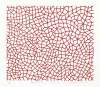
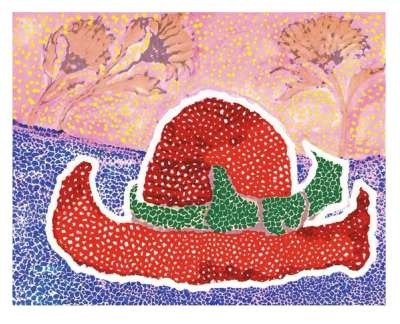
Yayoi Kusama's 1981 screenprint, Hat Left Behind In The Field, makes direct reference to the hat’s humble origins. Yet the bright red hat, replete with green scarf, is no less decorative or fashionable than Kusama’s other hats. Using her classic Infinity Nets pattern, born as Kusama first ventured into the fashion frenzied New York art scene, Kusama evokes the texture of a straw hat. The background, too, is unusually decorative, featuring pink floral motifs that are uncharacteristically loose and figurative for by the artist. Despite being less formally strict than others in the Hats collection—most of which are represented more centrally and 2-dimensionally—this screen-print, released in an edition of 100, is the epitome of the joy-filled unpretentiousness of Kusama’s Hats.