Andy Warhol Print Valuation Guide

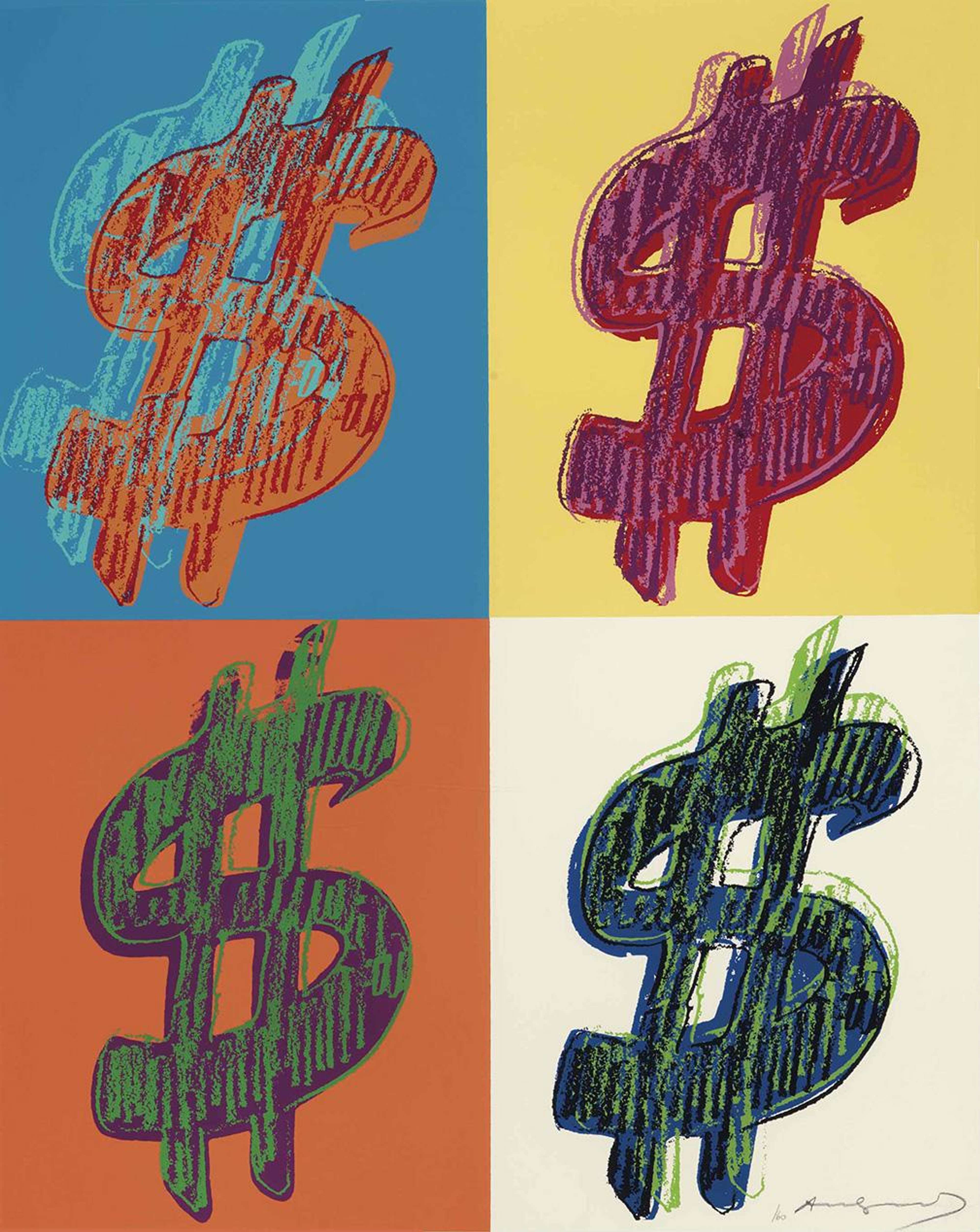 Andy Warhol © Dollar Sign Quad (1982)
Interested in buying or selling a print?

Andy Warhol
495 works
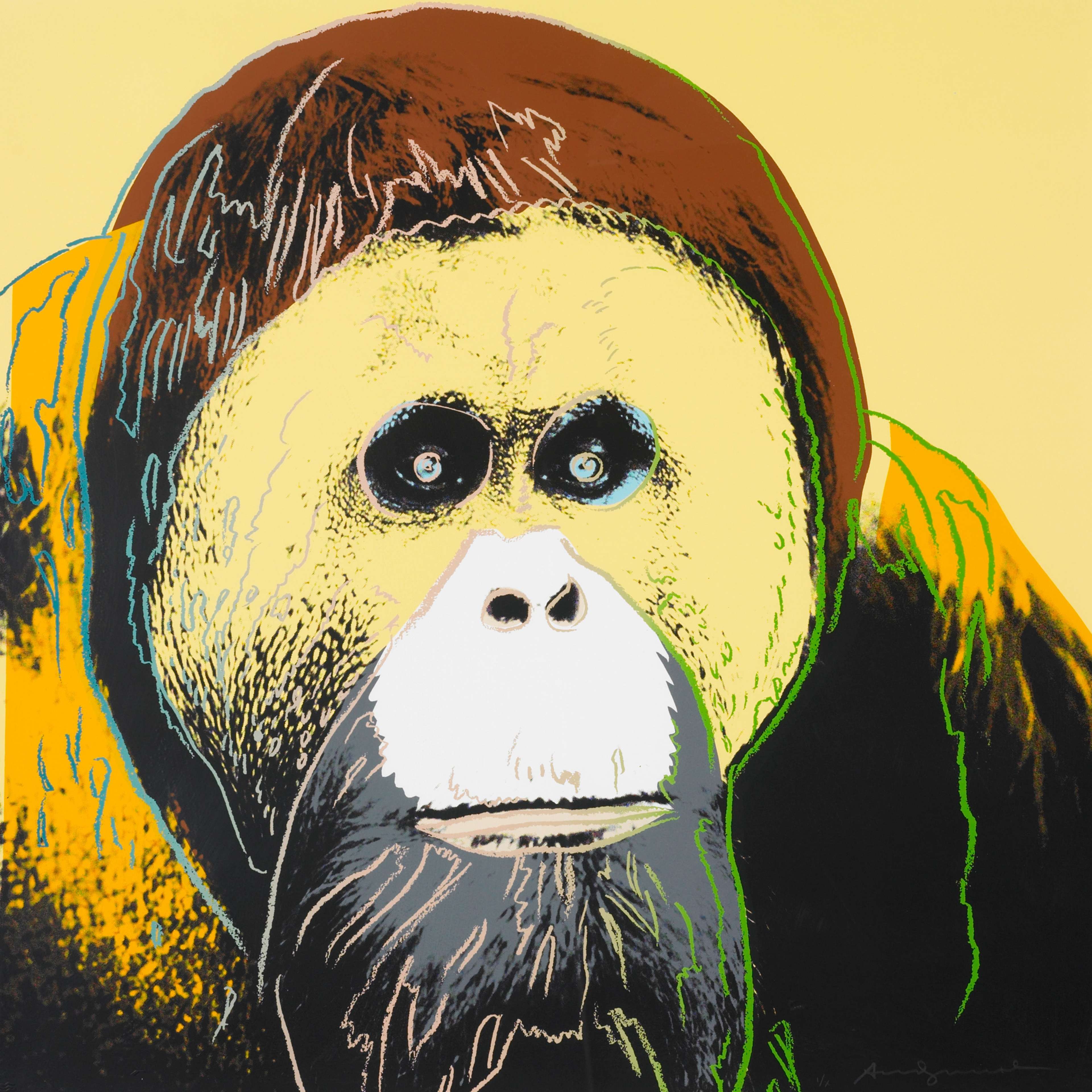
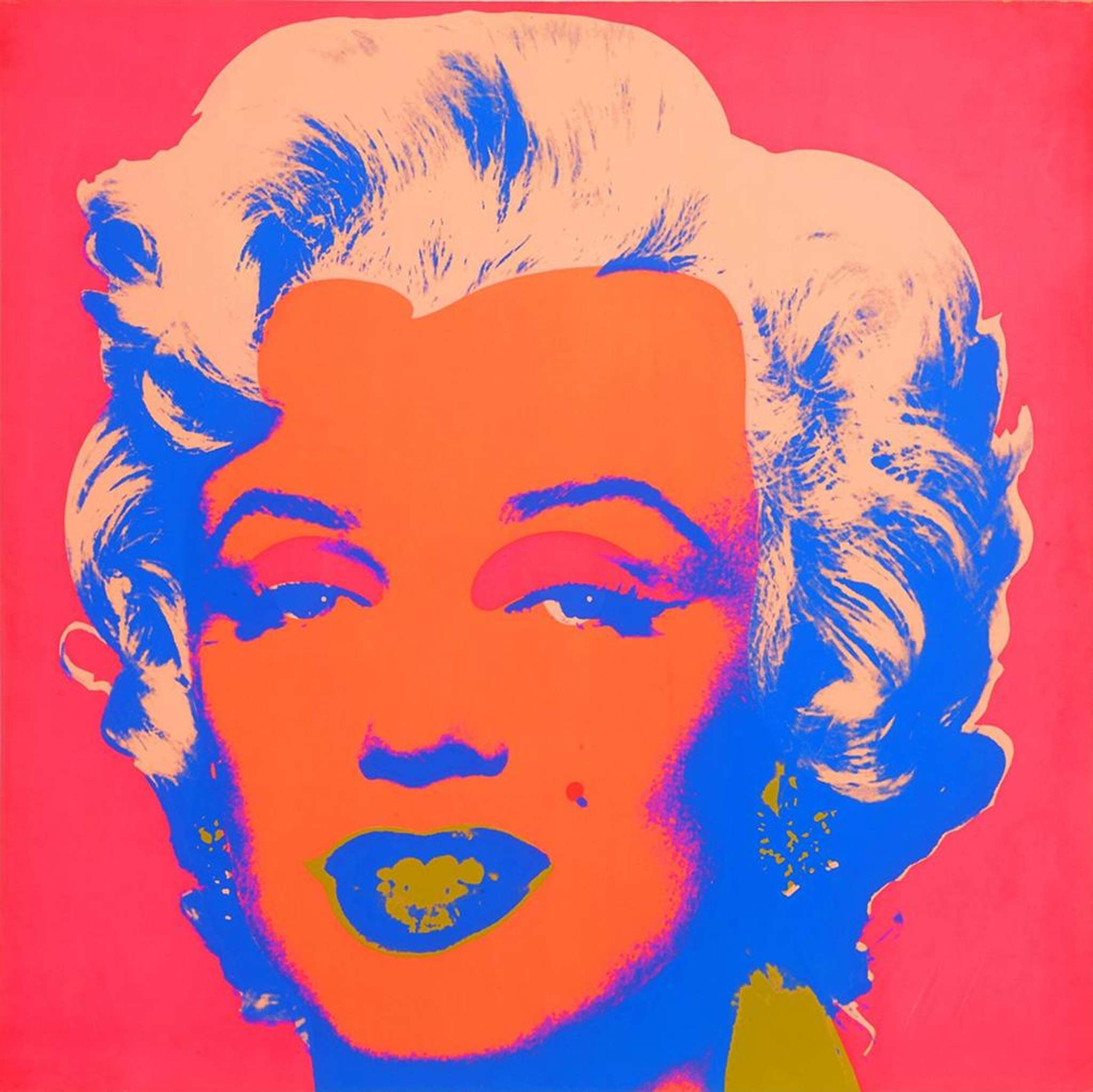
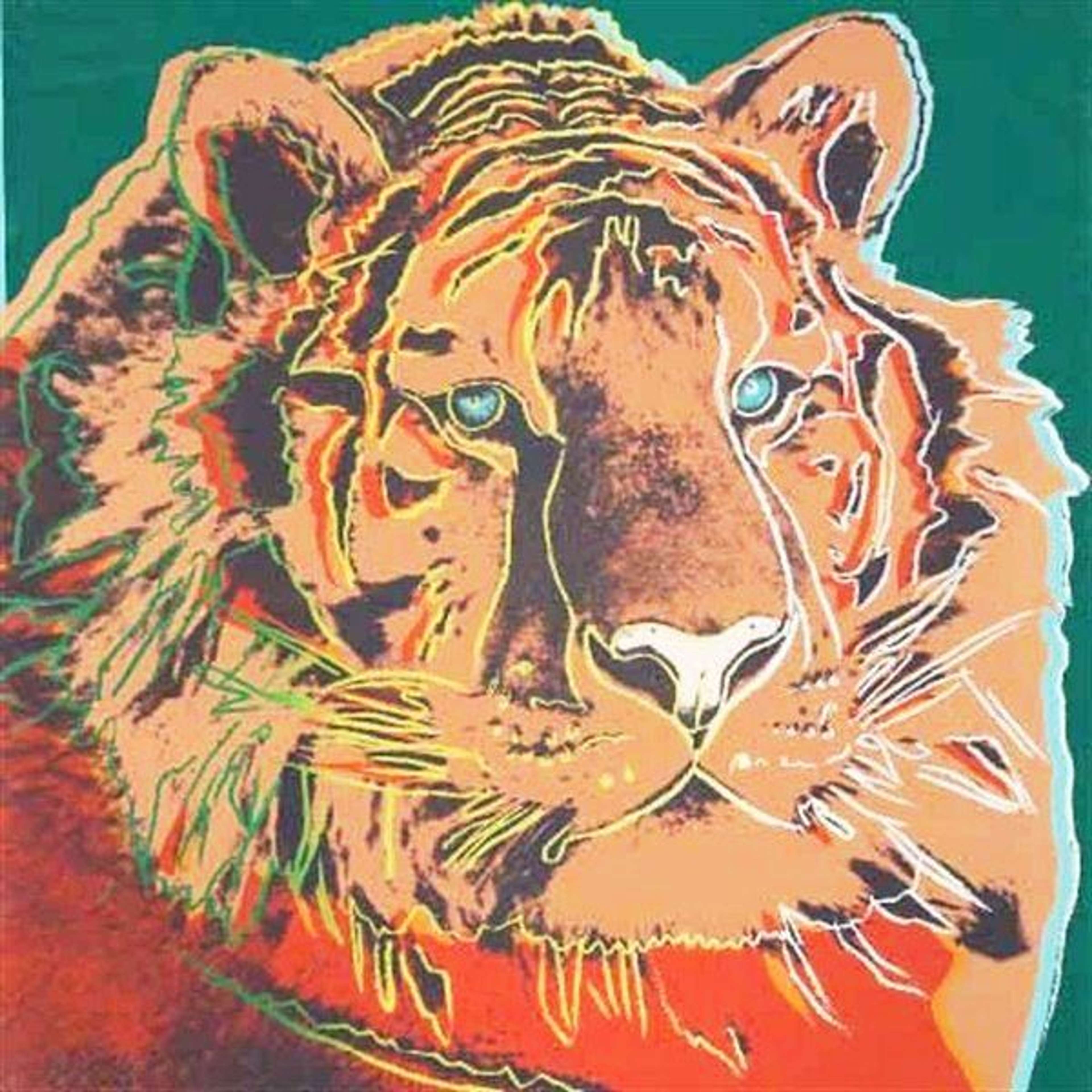
Andy Warhol’s print market is one of the most sophisticated and closely watched segments of the global art market. Few artists combine the same degree of cultural recognition, transaction volume, and international liquidity. His images are among the most familiar of the 20th century, but the market behind them is far more nuanced than their ubiquity might suggest. A signed print from Flowers may trade for tens of thousands of pounds, a rare Trial Proof from Endangered Species or Moonwalk for several hundred thousand, and a complete Marilyn portfolio for millions.
How To Find Out What Your Andy Warhol Artwork Is Worth and Why
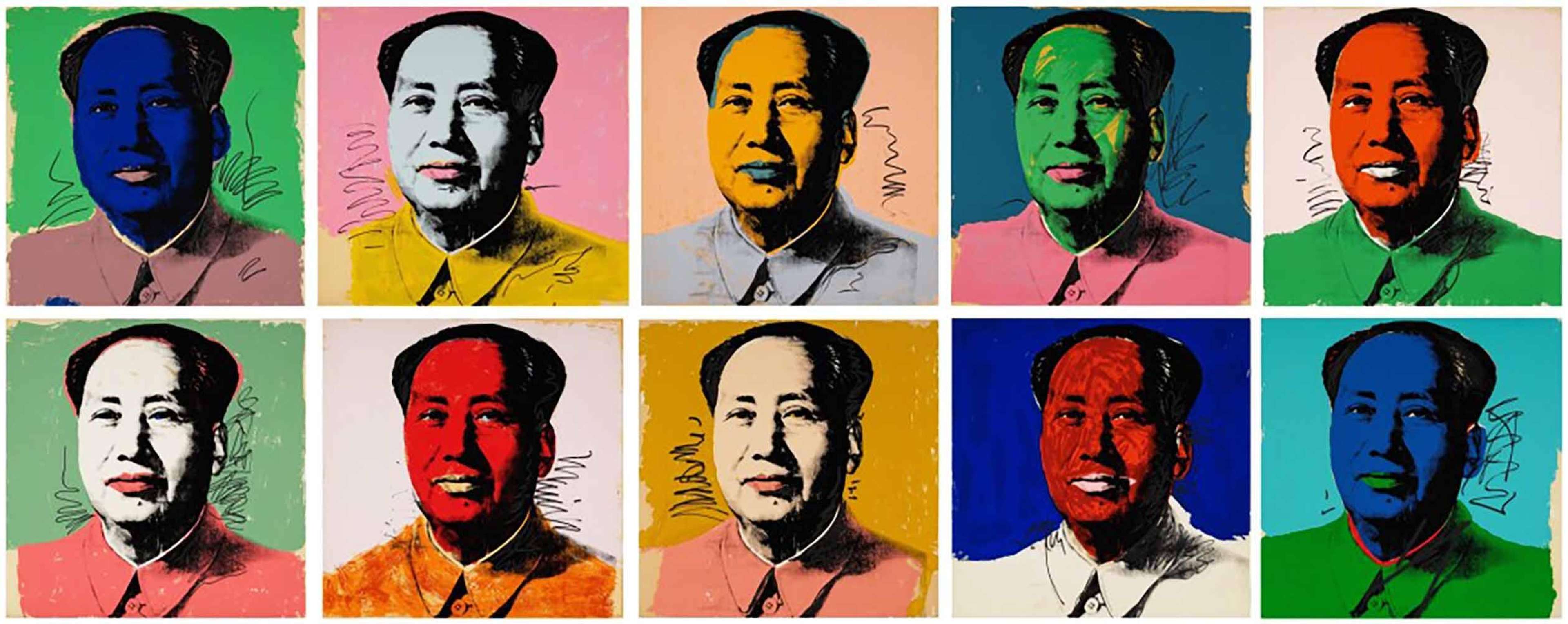
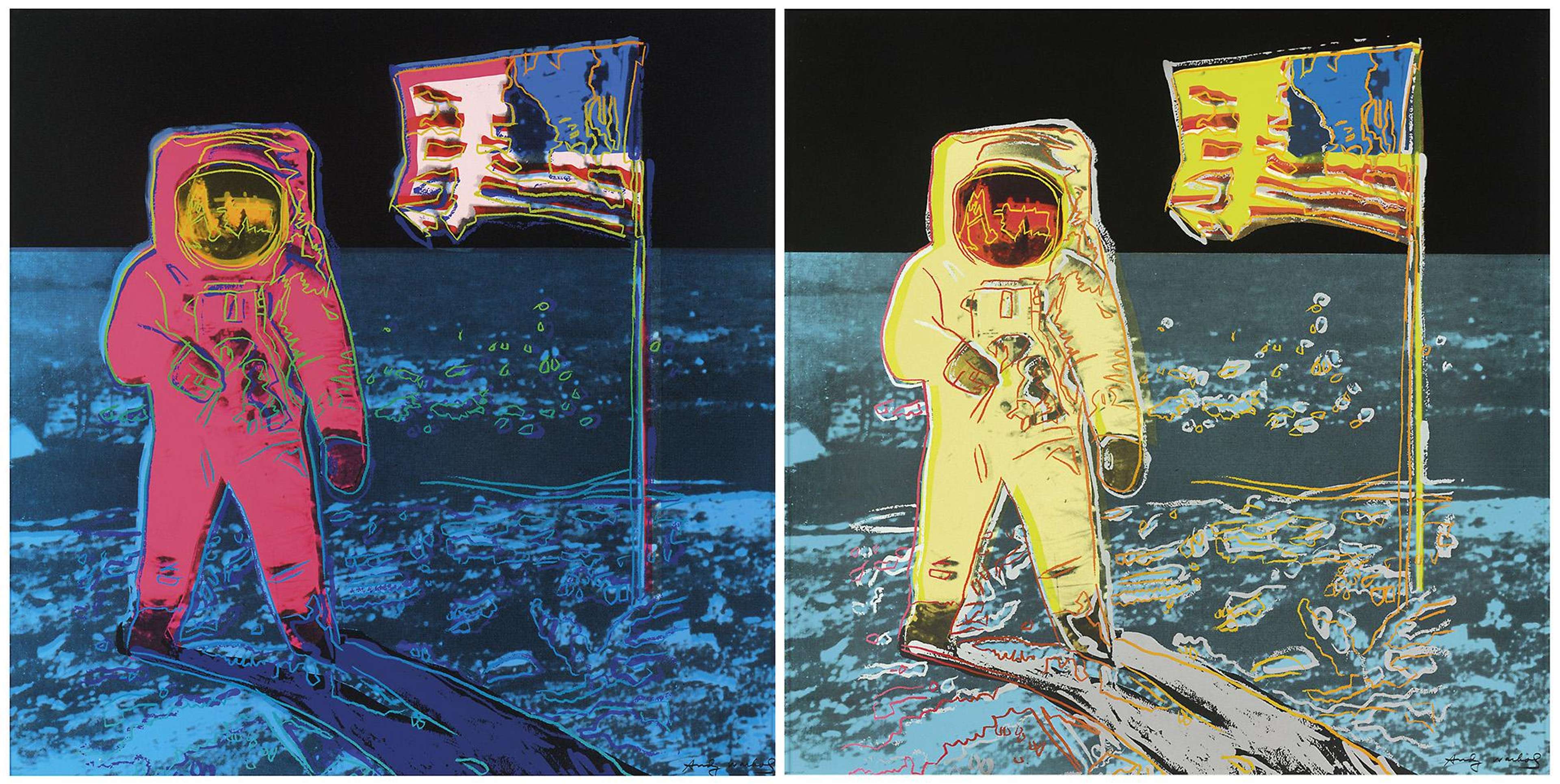
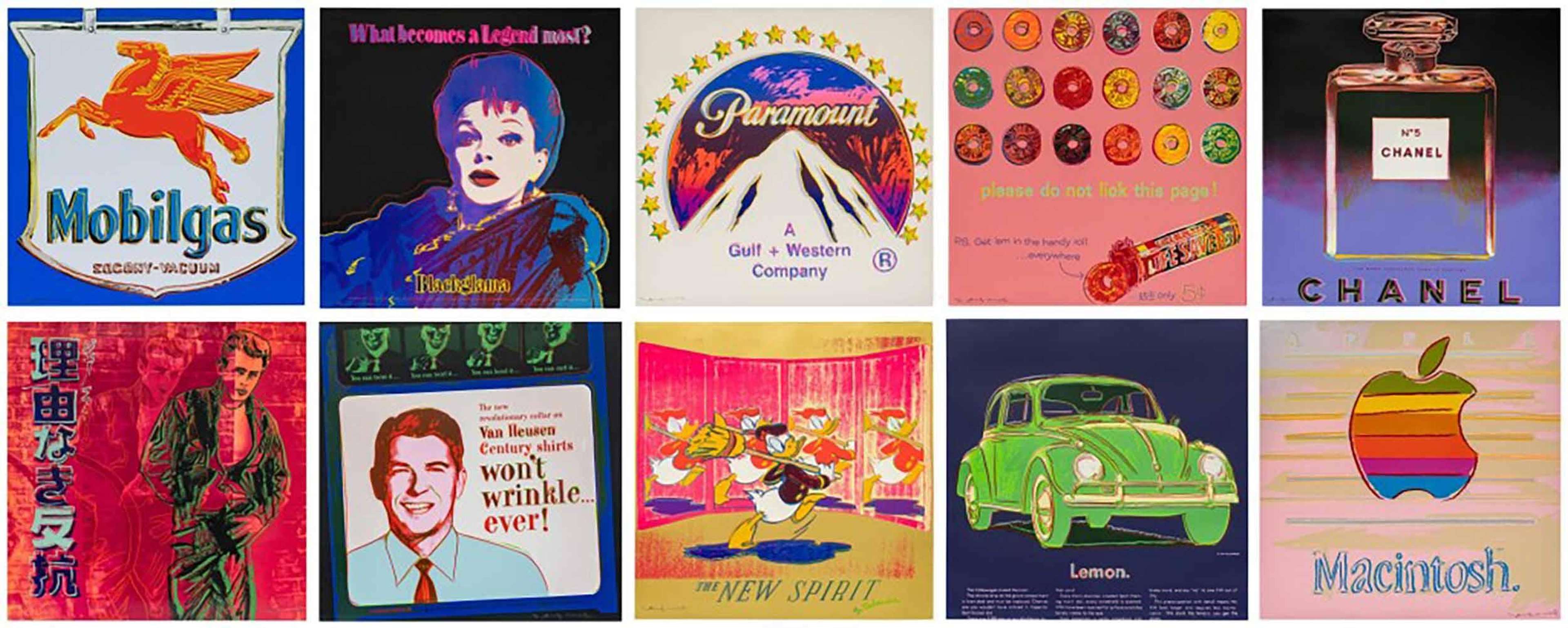
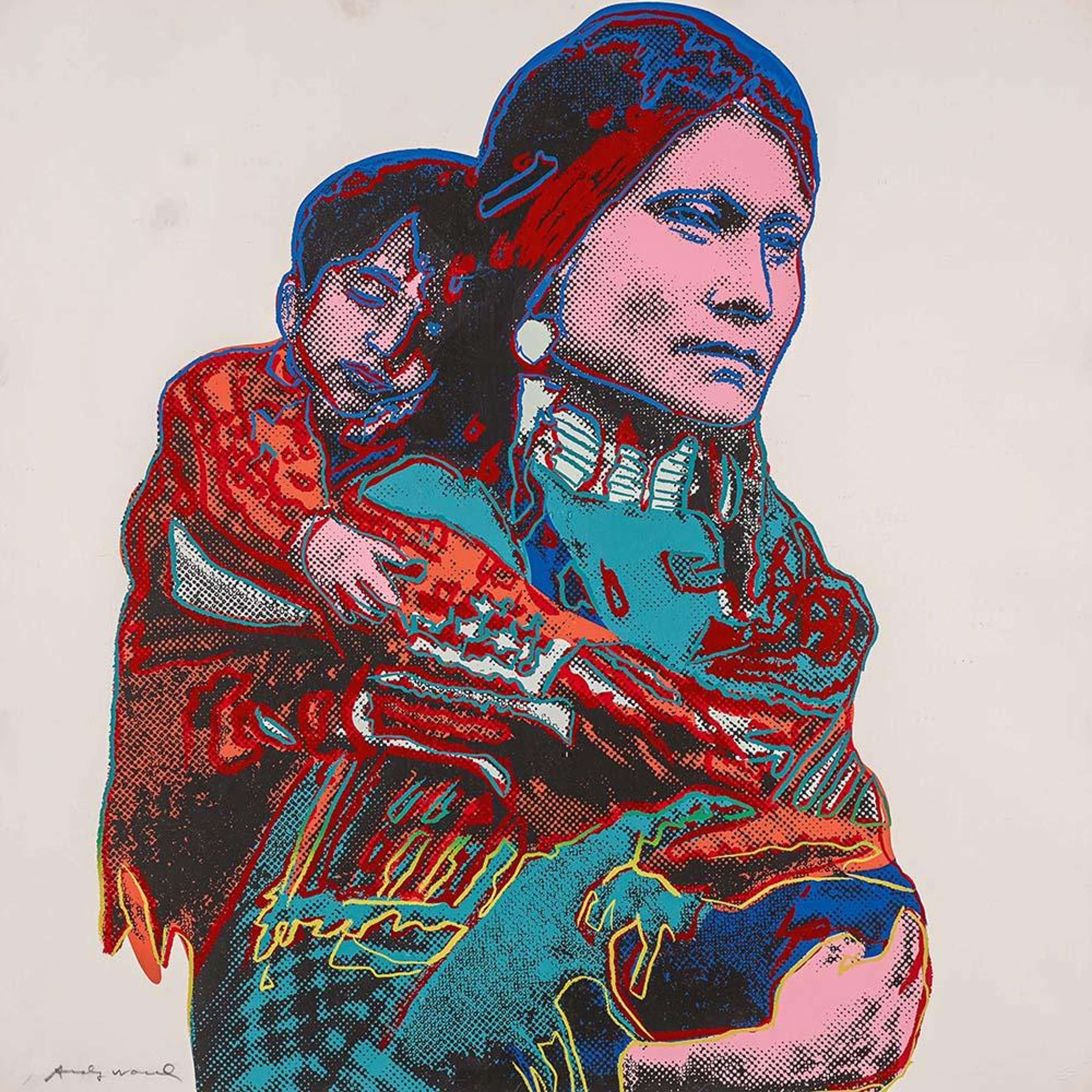
In 2025 and 2026 demand remains particularly strong for benchmark collections including Marilyn, Moonwalk, Endangered Species, Ads, and Mick Jagger. Rare colourways, Trial Proofs, and complete sets continued to command substantial premiums, while highly recognisable series such as Flowers, Mao, and Campbell’s Soup maintained steady transaction volume and broad international appeal.
For collectors, however, headline market performance does not determine what an individual Warhol print is worth. Valuation is a more exact exercise. It requires understanding the specific work: its series, image, colourway, edition type, signature status, condition, provenance, recent comparable sales, and the depth of buyer demand at a particular moment.
Find out what your Andy Warhol print is worth at a glance, using our Instant Valuation tool.
As our American Pop specialist, Louisa Earl explains:
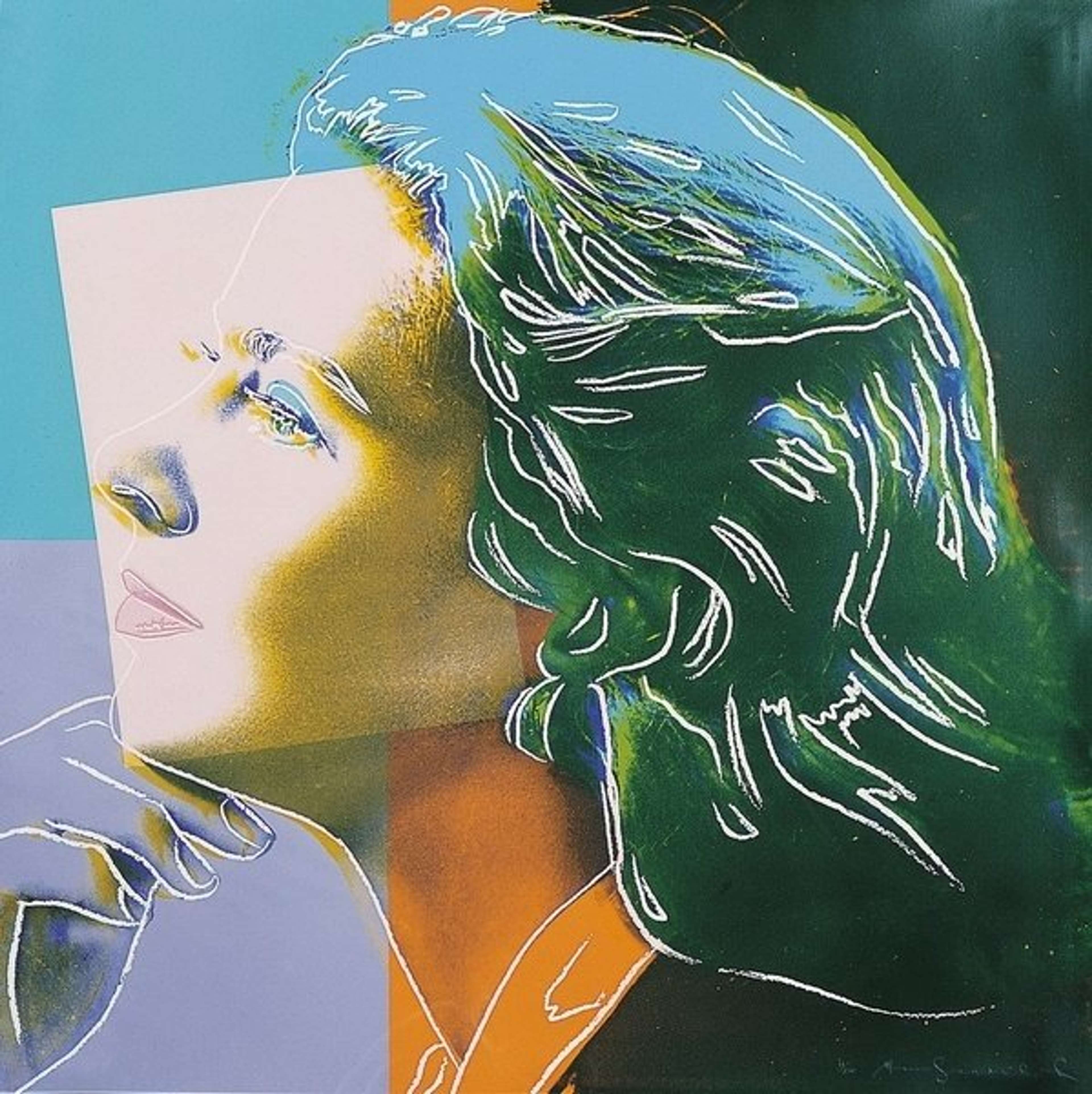
That deceptively simple observation captures the essence of print valuation. The question is not whether Warhol is valuable in general. It is where your specific print sits within one of the deepest and most complex edition markets in modern art.
This guide explains how Andy Warhol prints are valued, why prices vary so dramatically, and how specialists compare auction data, provenance, condition, and live collector demand to arrive at a fair market valuation.
How Much Is My Andy Warhol Print Worth?
Warhol’s print market spans dozens of collections, multiple publishers, different edition structures, and radically different levels of scarcity. Two prints by the same artist can occupy entirely different value bands.
An unsigned studio work may trade in the low thousands. A signed Flowers print in strong condition may command tens of thousands. A rare Trial Proof from Endangered Species can achieve several hundred thousand pounds. Complete portfolios such as Marilyn or Ads sit in a different category altogether, where values extend into the millions.
The real question is therefore:
Where does this specific work sit within Warhol’s wider market?
To answer that, a specialist needs to examine:
- The exact series and image
- Edition size and proof designation
- Signature and numbering
- Colourway and screenprinting characteristics
- Condition and restoration history
- Provenance and supporting documentation
- Recent comparable sales
- Current buyer demand
- Competing supply
When those factors are assessed together, valuation becomes a reasoned interpretation of what informed buyers are likely to pay under current market conditions.
How Is An Andy Warhol Print Valued?
Valuing a Warhol print is a combination of evidence and judgement.
Auction results provide a useful public benchmark, but they are only one part of the picture. Specialists also assess provenance, condition, rarity, and live private demand.
As Louisa notes:
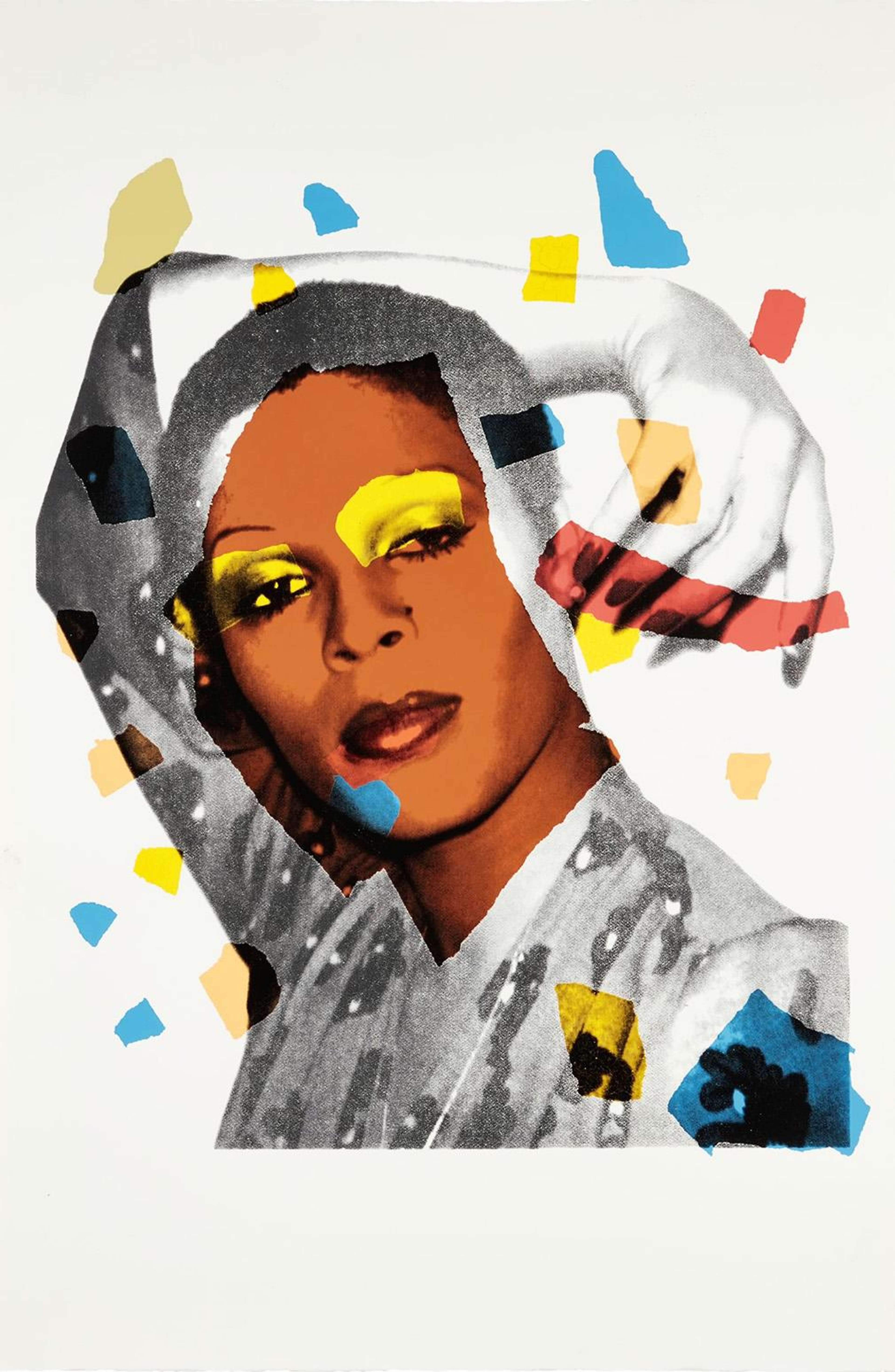
The most important valuation factors are set out below.
Not all Warhol series perform in the same way.
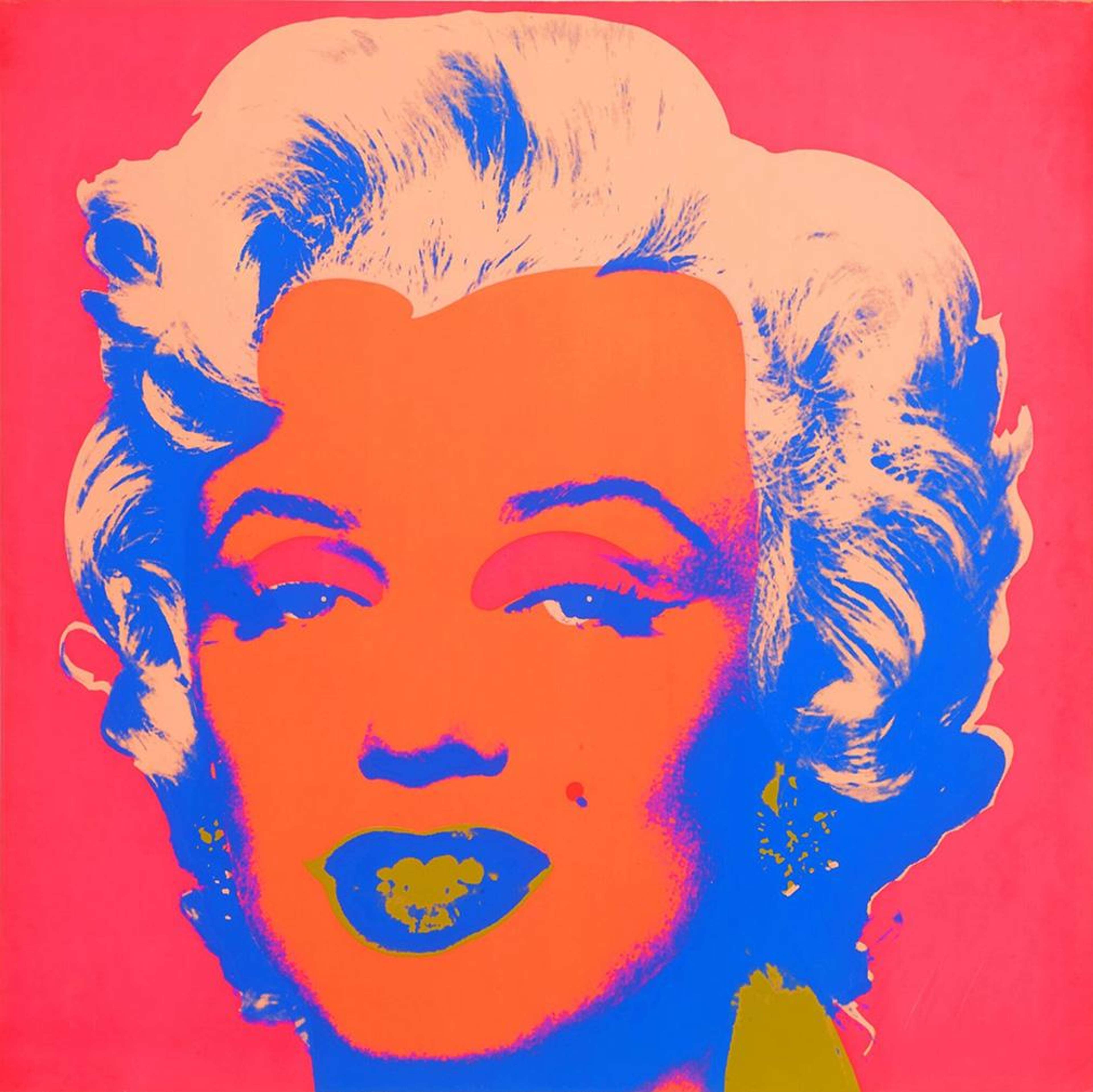
Marilyn remains the benchmark category and works from the series continue to command some of the strongest prices in the entire print market. Complete sets, individual prints, and rare proofs all benefit from extraordinary global recognition.
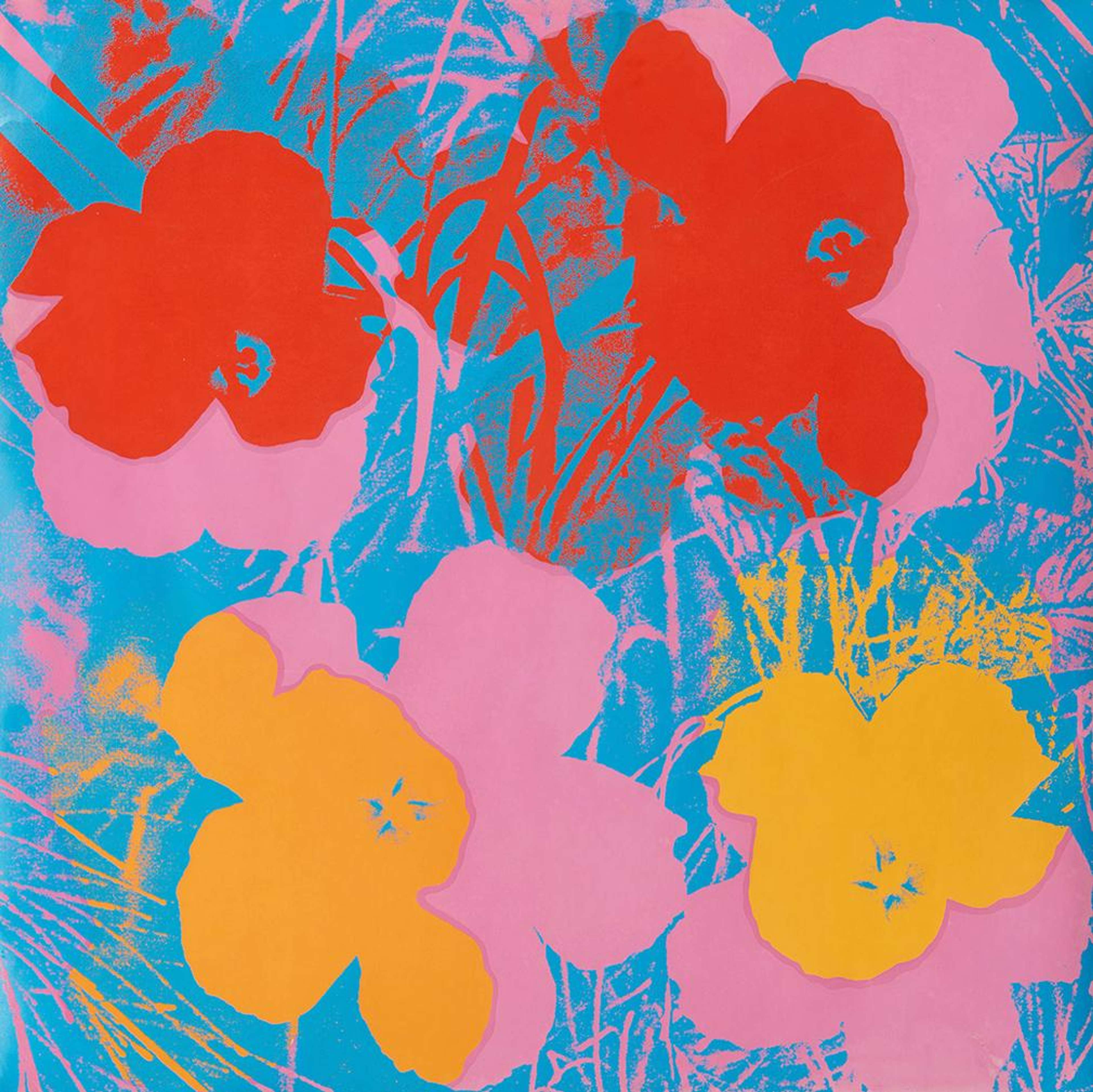
Other highly prized series include Moonwalk, Endangered Species, Ads, Mick Jagger, Reigning Queens, Flowers, Mao, and Campbell’s Soup.
Within each series, image selection matters. Some compositions become canonical. Others trade less frequently or appeal to a narrower collector base.
Find out where your Warhol print sits within its wider series - speak to a specialist today.
As Louisa explains:
In other words, the strongest-performing works tend to be those that distil Warhol’s most recognisable themes and visual language.
Edition Size
Edition size determines how many impressions exist and therefore influences scarcity.
Smaller editions generally support stronger pricing when collector demand is active. Scarcity alone, however, does not create value. A rare work must also be desirable, well documented, and positioned within an established collecting category.
Proof Status
Proof works occupy a distinct and often highly prized segment of Warhol’s market.
Artist’s Proofs (APs) are produced outside the main numbered edition. Although they may be visually identical to standard impressions, the market often treats them differently.
Louisa explains:
Trial Proofs (TPs) are among the most sought-after works in Warhol’s print output. They frequently feature experimental colour combinations and offer collectors a direct insight into the artist’s process.
Printer’s Proofs and hors commerce examples can also carry significant premiums where rarity and provenance are clear.
Signature And Numbering
Signed and numbered impressions form the core of Warhol’s recognised secondary market.
A clear pencil signature and edition number materially increase buyer confidence and make comparison with previous auction and private sale results more straightforward.
Unsigned works can still hold significant value, but they require more careful analysis.
Signed, Unsigned And Estate-Stamped Warhol Prints
Most Warhol prints were published signed and numbered, but unsigned works do exist.
Some works left the studio as unique Trial Proofs or unpublished impressions. Others were later reviewed and recorded by the Andy Warhol estate, with stamps and annotations on the reverse.
These works may be entirely authentic, even without a signature.
As Louisa notes:
At the same time, unsigned works without estate stamps, provenance, or documentary support should be approached with caution.
At the same time, unsigned works without estate stamps, provenance, or documentary support should be approached with caution.
Colourway And Screenprinting Variation
Colour is one of the most important and least understood drivers of Warhol print value.
Collectors often develop strong preferences for particular combinations. In series such as Marilyn, Flowers, and Endangered Species, colourway can materially influence desirability and price.
Louisa explains:
Scarcity can, however, outweigh taste.
In proof works, unusual colour combinations can be one of the principal reasons for significant premiums.
Condition factors
Condition is one of the most important determinants of value.
Because Warhol’s work depends so heavily on colour intensity and surface quality, fading and paper damage can have a significant impact on pricing.
Louisa estimates that:
In severe cases, the impact can be even greater.
Collectors and specialists assess:
- UV fading
- Surface abrasions
- Foxing and staining
- Paper undulation
- Trimming
- Creases through the image
- Mounting to backboards
- Restoration history
Rare works may attract strong demand despite condition issues, but buyers become increasingly selective as price levels rise.
Speak to a member of the team for advice if you're considering consigning a Warhol print.
Conservation And Restoration
Restoration should always be approached with caution.
Louisa is unequivocal:
Reintroducing colour or materially altering the printed surface moves the work away from the artist’s original hand and will almost certainly reduce value.
Minor conservation can be appropriate in certain cases, but any intervention should be undertaken only after a specialist valuation and conservation assessment.
Provenance And Documentation
Provenance can materially affect value, particularly when a work has a compelling ownership history.
Louisa points to a Marilyn once owned by one of Warhol’s subjects, Schumacher, which sold above comparable examples because of that direct personal connection.
Works held in the same private collection since publication can also attract a premium, particularly if they are rare proofs or previously unseen colourways.
Documentation that strengthens valuation includes:
- Original purchase invoices
- Estate letters
- Publisher and printer records
- Dealer labels
- Exhibition history
- Auction records
- Correspondence
As Louisa notes:
While that is often unrealistic, any paperwork connected to the artist’s studio, estate, publisher, or original dealer can significantly increase confidence.
Recent Comparable Sales
Comparable sales are one of the most important valuation tools, but only when they are genuinely comparable.
The strongest references are impressions from the same series with similar colourway, edition type, condition, provenance, and timing.
Auction results are particularly useful because they show what the public market was willing to pay on a specific day.
But as Louisa emphasises:
Current Buyer Demand
Valuation is not solely retrospective. It also depends on who is actively looking for the work today.
Private sale data provides an additional layer of intelligence.
As Louisa explains:
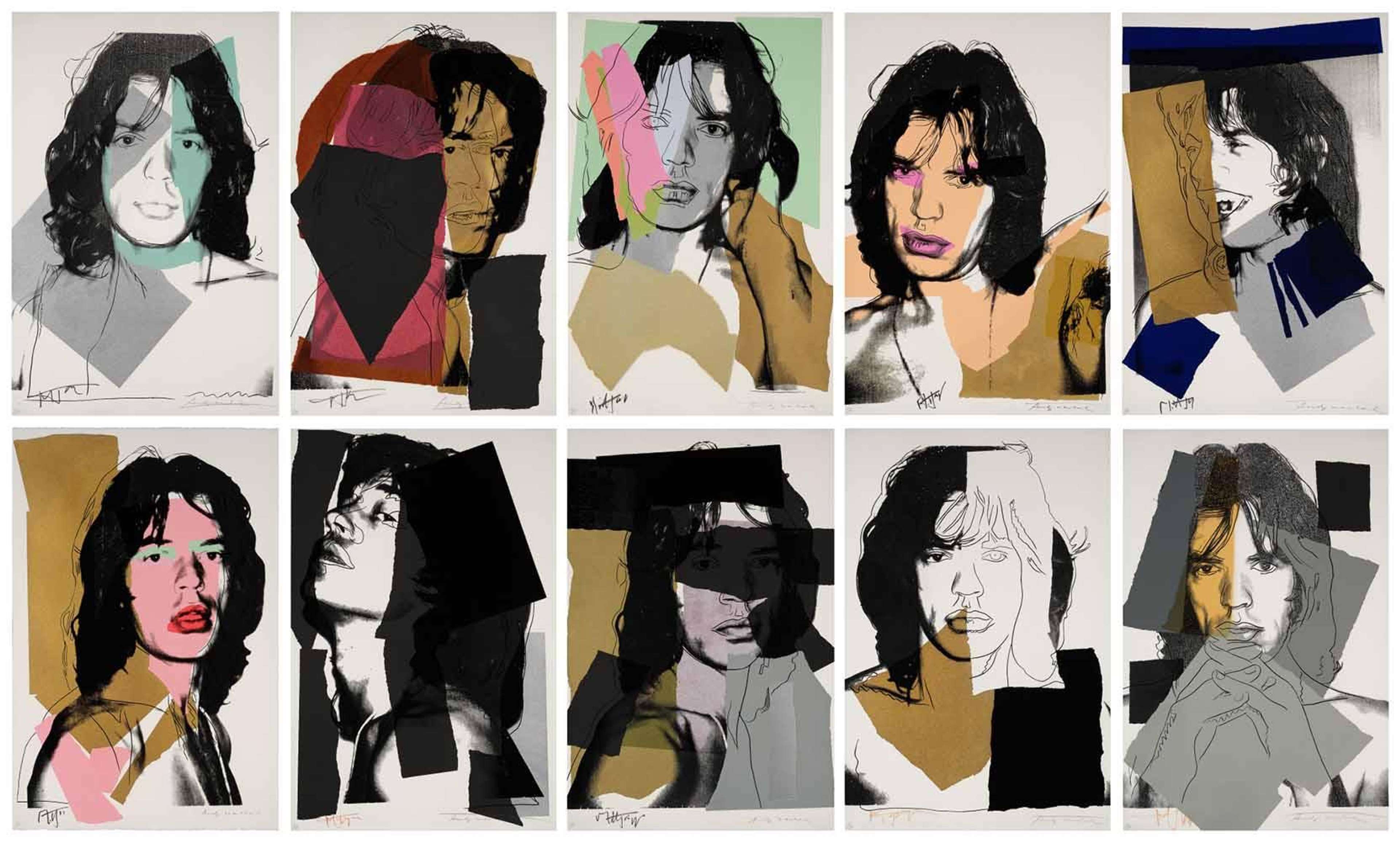
This is especially relevant in Warhol’s market, where private demand for complete sets and exceptional-condition examples can exceed public auction benchmarks.
Why Do Andy Warhol Print Prices Vary So Much?
Andy Warhol print prices vary because his print market is exceptionally broad and highly segmented.
Differences in:
- Series
- Image
- Colourway
- Proof status
- Signature
- Condition
- Provenance
- Market timing
can all materially affect value.
Two Marilyn prints may appear superficially similar but differ substantially in price due to colour retention, ownership history, or scarcity. A complete set with matching numbers will be valued differently from an assembled group of individual prints.
The result is a market in which two works by the same artist can occupy radically different value bands, even when they look similar at first glance.
Andy Warhol Print Value By Edition Type
Edition type can significantly affect value because different structures attract different levels of collector interest.
Standard Editions
The main body of Warhol’s market. These works benefit from the clearest and deepest comparable sales history.
Artist’s Proofs
Typically command a modest premium due to their smaller edition size and conceptual rarity.
Trial Proofs
Among the most desirable formats in Warhol’s market, often featuring unique colourways and substantial premiums.
Printer’s Proofs And Hors Commerce Copies
Less common but potentially highly valuable where provenance and rarity are clear.
Complete Sets And Portfolios
Complete sets with matching numbers can command substantial premiums.
As Louisa explains:
Many sets have been broken up over time, making intact portfolios increasingly scarce.
Where Should I Get An Andy Warhol Print Valued?
Different valuation routes serve different purposes. Auction houses provide estimates designed for public sale. Galleries often quote retail asking prices. Insurance valuations are based on replacement cost. A specialist fair market valuation, by contrast, is designed to answer a more practical question: what is this specific print likely to achieve in the current market, taking into account its condition, provenance, and live collector demand?
At MyArtBroker, our valuations combine public auction data with private sale intelligence and specialist analysis. That means we look not only at what comparable works have sold for, but also at how many collectors are actively seeking the same print today and how condition, colourway, and documentation are likely to affect the outcome.
If you are considering bringing your work to market, read our Seller’s Guide to Andy Warhol.
Insurance Valuations vs Fair Market Value
Not all valuations are designed to answer the same question.
A fair market valuation is intended to estimate what an artwork is likely to achieve in the current secondary market, taking into account recent auction results, private sale comparables, condition, provenance, and current buyer demand.
An insurance valuation, by contrast, is based on retail replacement value: the cost of replacing the work quickly through a reputable gallery or dealer if it were lost, stolen, or damaged.
As a result, insurance valuations are often materially higher than fair market value.
Louisa Earl explains:
Retail replacement values include:
- Gallery and dealer margins
- The premium for immediate availability
- The cost of sourcing a comparable work quickly
- The reputational premium associated with established dealers
This means a Warhol print with a fair market value of £100,000 may carry a significantly higher insurance value if the most readily available replacement examples are offered by leading galleries at substantially higher asking prices.
As Louisa notes:
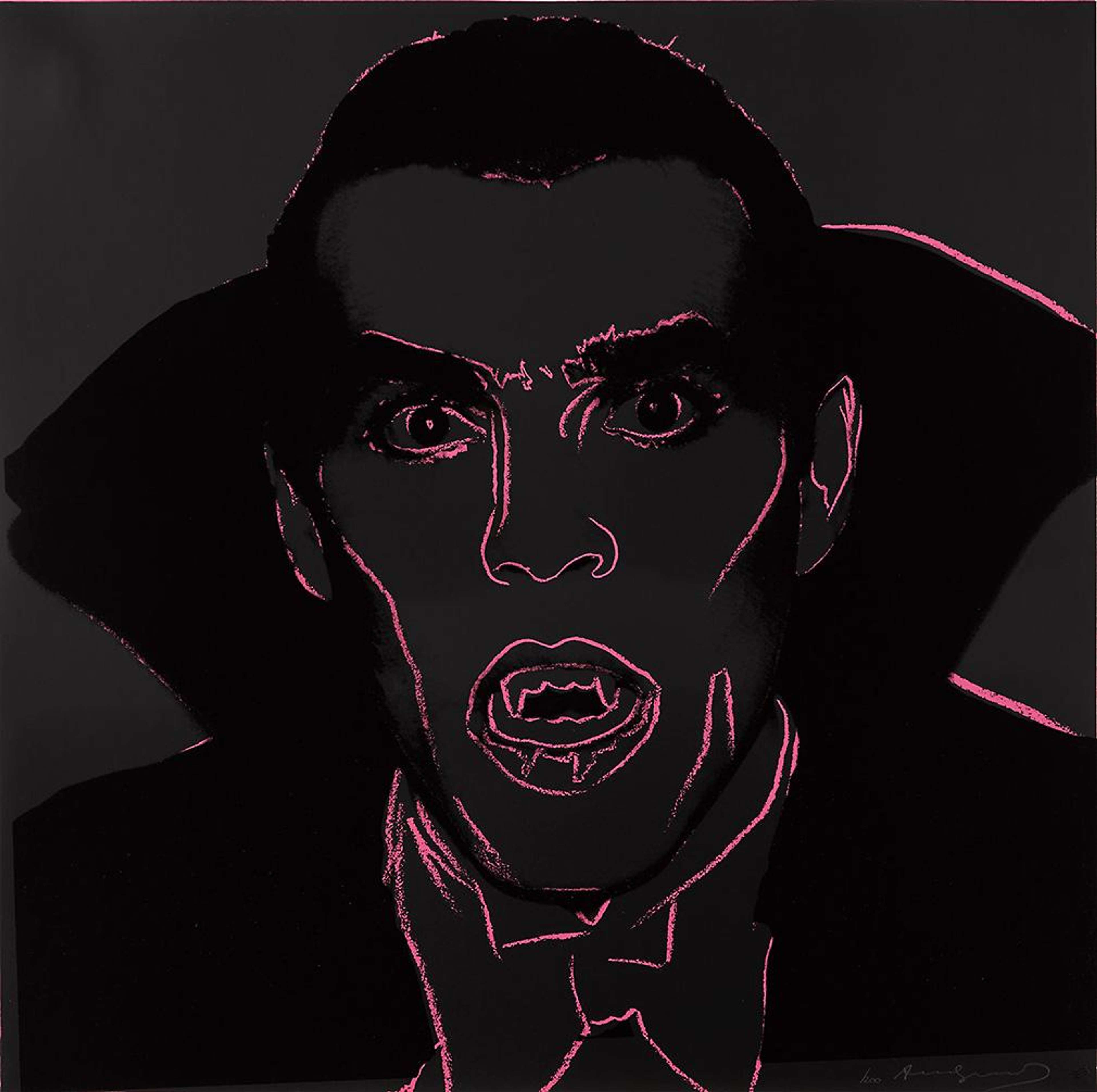
Understanding this distinction is important. A valuation prepared for insurance purposes should not be interpreted as the amount a seller is likely to realise if they bring the work to market. Equally, a fair market valuation may not provide sufficient cover if the objective is to replace the work quickly after a loss.
If you are insuring an Andy Warhol print, make sure the valuation is specifically prepared on a retail replacement basis rather than as a resale estimate.
Valuing Warhol Requires More Than a Headline Number
Andy Warhol’s print market is both transparent and highly nuanced. Auction results provide useful benchmarks, but they do not tell the full story. Two prints from the same series can differ materially in value depending on colour retention, proof status, provenance, and the strength of buyer demand at the moment they come to market.
As Louisa Earl explains, valuation begins with understanding the edition, the imagery, and where the work sits within Warhol’s wider career output. From there, the most accurate assessment combines data with specialist judgement.
Whether you own a signed Flowers print, a rare Trial Proof, or a complete Marilyn portfolio, a meaningful valuation is not simply about attaching a number to the work. It is about understanding its place within one of the most sophisticated and liquid print markets in the world.
Request An Andy Warhol Print Valuation
If you would like to understand what your Andy Warhol print is worth, our specialists can provide a confidential, data-led valuation based on recent auction results, private sale comparables, and live collector demand.
Submit images and any supporting documentation, and our American Pop specialists will assess your work individually and provide a fair market valuation grounded in real market evidence.
Request a free valuation today to find out what your Andy Warhol print is worth.