
Key Takeaways
David Hockney and Roy Lichtenstein have long anchored the secondary print market. Since 2023, however, their markets have intensified in parallel. Institutional reinforcement, structured releases and disciplined supply have aligned – and increasingly, individual prints are crossing price thresholds historically associated with complete portfolios.
David Hockney’s Print Market Enters a New Phase
Few living artists experience institutional reinforcement at Hockney’s current pace.
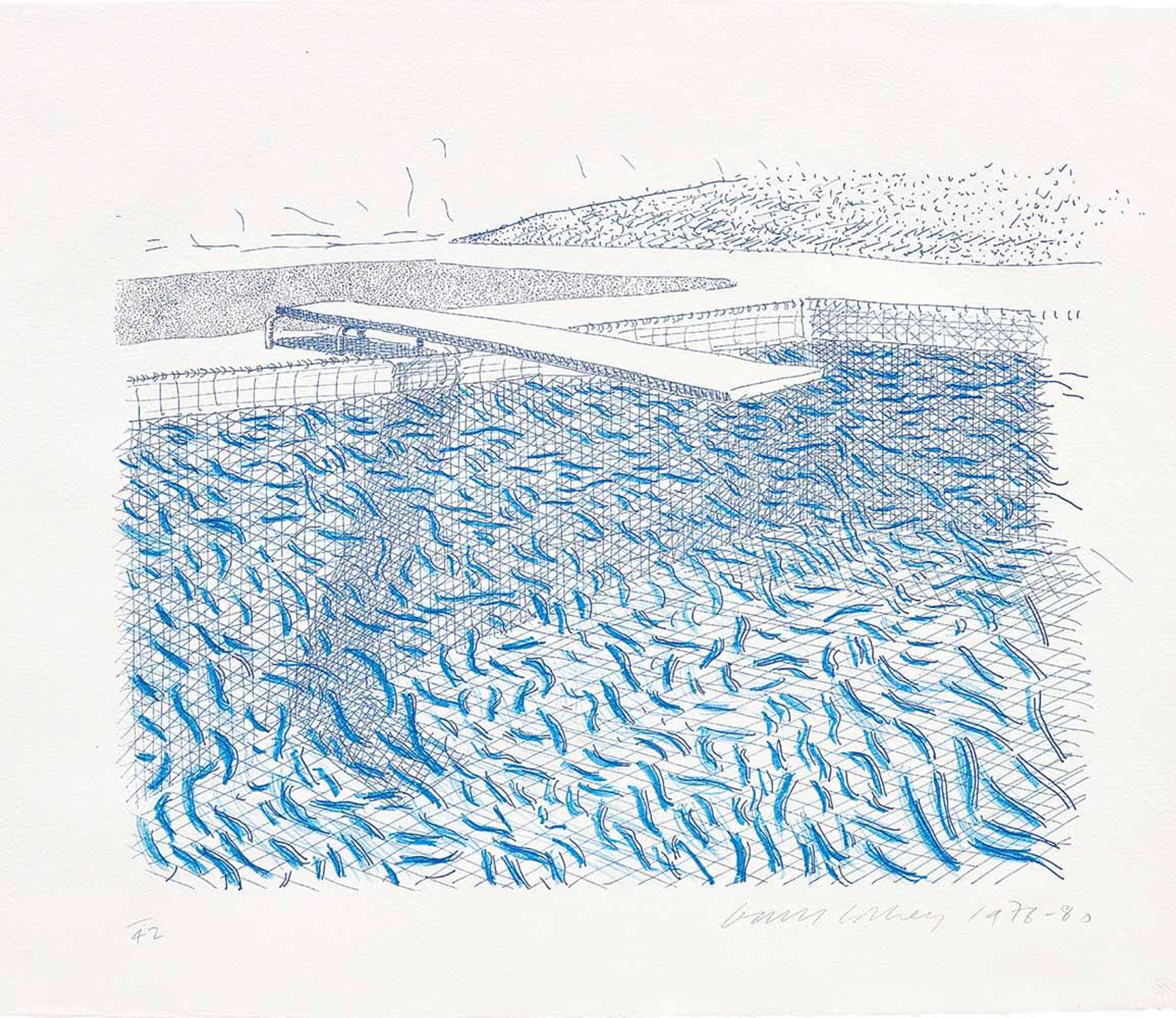
In 2023, the Lightroom immersive exhibition broadened his audience and introduced his work to a digitally native demographic. In 2024, David Hockney: Drawing from Life at the National Portrait Gallery renewed focus on his portrait practice, and a long-anticipated catalogue raisonné is underway reportedly due in 2026.
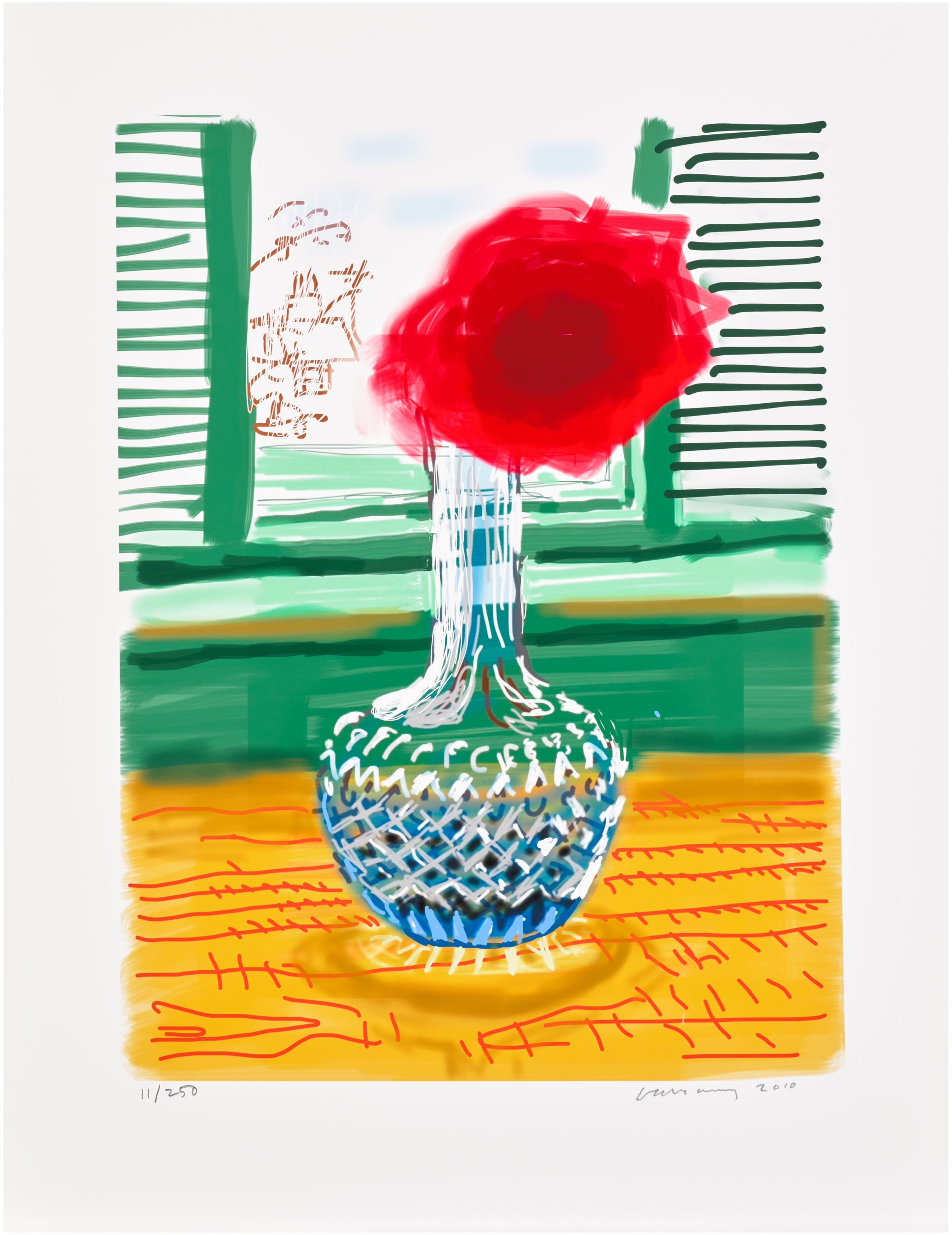
The Fondation Louis Vuitton exhibition positioned Hockney within the luxury cultural sphere, followed by Serpentine's upcoming 2026 focus on his digital iPad works – reframing what were once considered experiments into a central chapter of his practice. Most recently, his Turner Contemporary commission extends his engagement with light and landscape further into architectural space.
Individually, each moment is significant. Taken together, they represent a concentration of different institutional moments within a short window – something you don’t often see at this intensity while an artist is still producing new work.
The Arrival of Spring and the Question of Depth
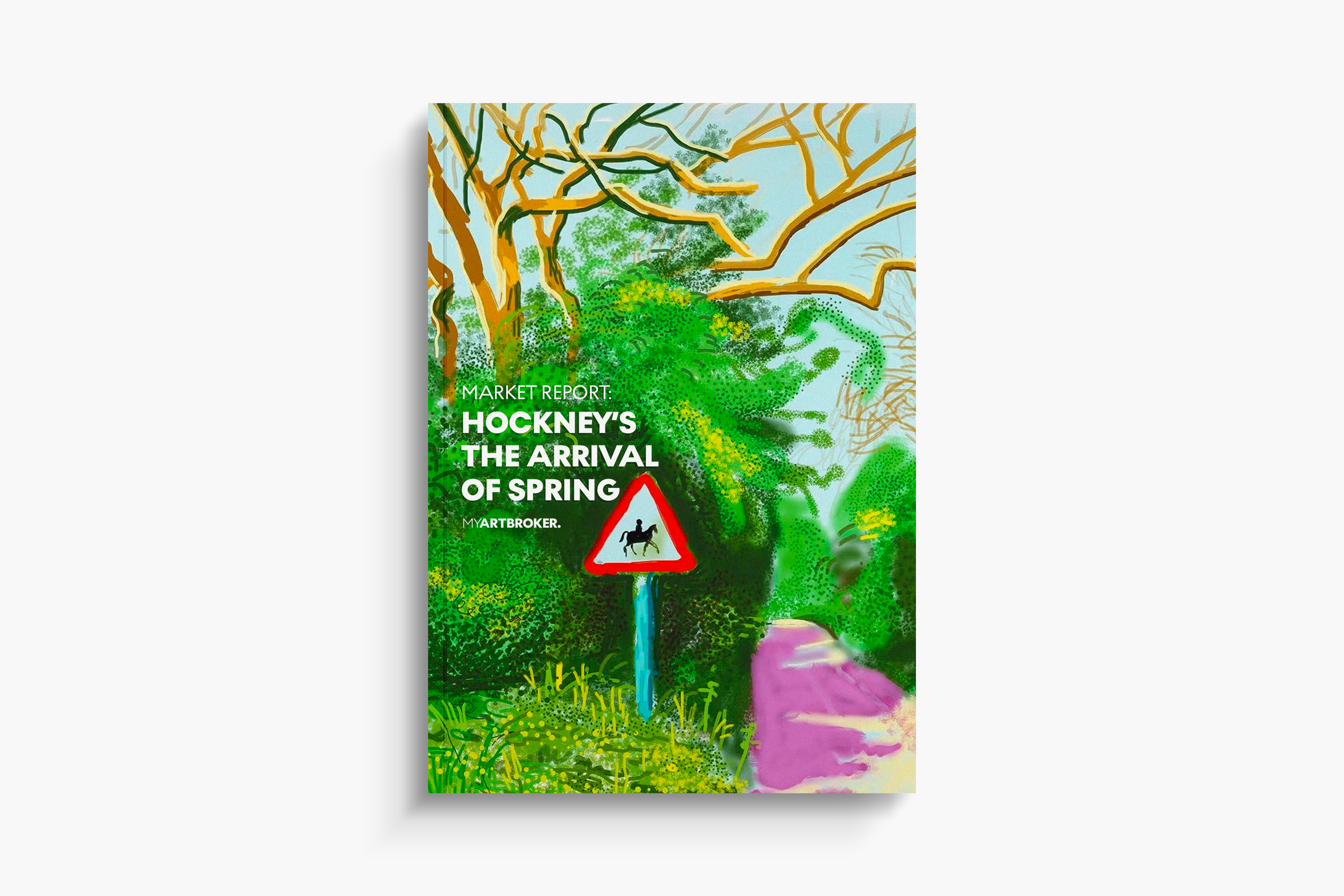
The Hockney print market has responded in parallel. In 2025, Phillips presented its fourth annual David Hockney prints and editions sale. The sale surpassed its presale estimate, though it offered the lowest lot count to date – roughly half the size of some previous editions.
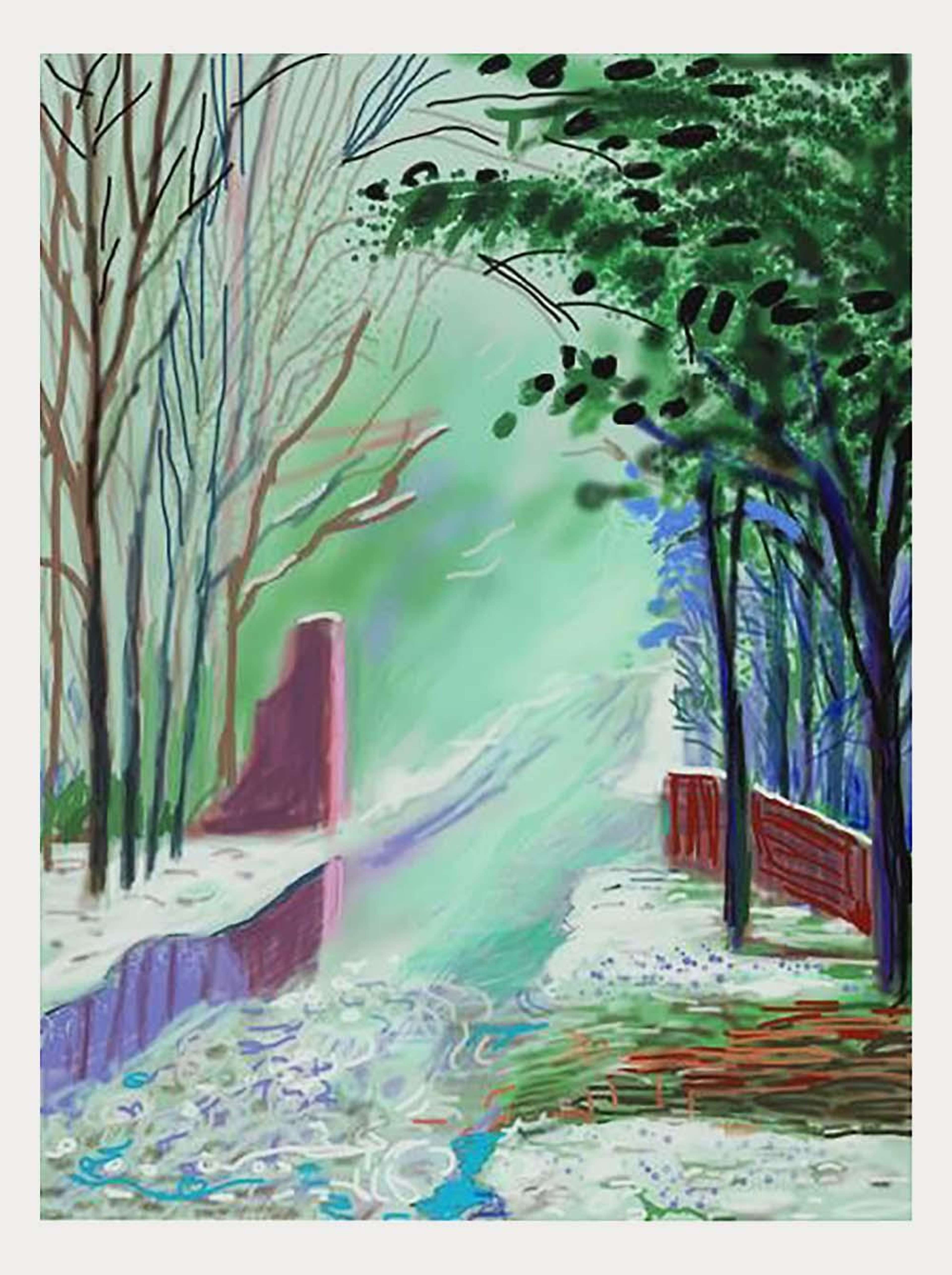
The first two editions of the series achieved 100% sell-through rates, establishing early confidence in the format. By the third sale, nuance entered the narrative when an edition of 10 Arrival of Spring, 16th of May went unsold. This didn’t derail the sale or the broader market, but a high-value pass at public auction inevitably introduces hesitation into a series that had been driving momentum.
That moment prompted commentary. The risk, however, is reading isolated results as structural weakness rather than part of a broader pricing cycle.
That hesitation proved temporary. In June 2025, Arrival of Spring, 4th May (edition of 10) sold at Christie’s for £504,000, matching the previous record set in 2022 for that variation. During the same June sales, Sotheby’s achieved £406,400 for Arrival of Spring, 31st May, No. 1 (edition of 10) – then the second-highest price recorded for the series.
By October, Sotheby’s announced a dedicated sale of 17 Arrival of Spring works (edition of 25) from a single private collection. All shared matching edition numbers, a rare cohesion that created additional collecting incentive. Six variations were fresh to the market and each resale work outperformed its previous transaction, with gains ranging from 7% to over 1200%.
The resulting prices were achieved under highly specific conditions: coordinated release, aligned edition numbers and concentrated attention. Rarely, do those levels automatically, and immediately, replicate outside that framework. Even so, early 2026 examples have continued to transact firmly, indicating that the private collection release has maintained valuation influence.
The more immediate test comes next week, when Sotheby’s offers the final tranche from the same collection. The structure remains consistent – matching edition numbers (15/25), comparable estimates and several fresh-to-market compositions, including examples with distinctive road markings that have historically attracted premiums.
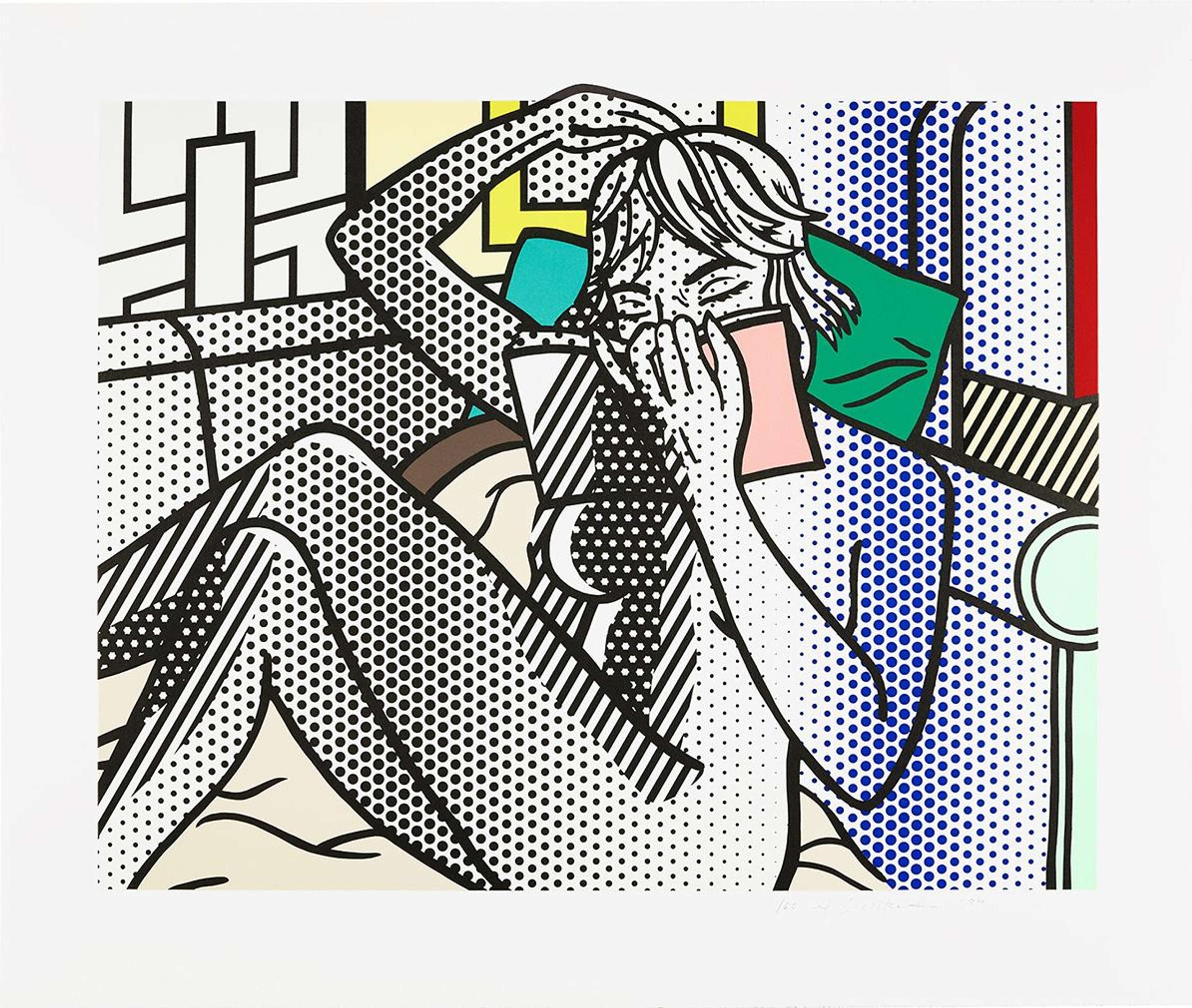
Roy Lichtenstein’s Nudes And The Shift At The Top Of The Market
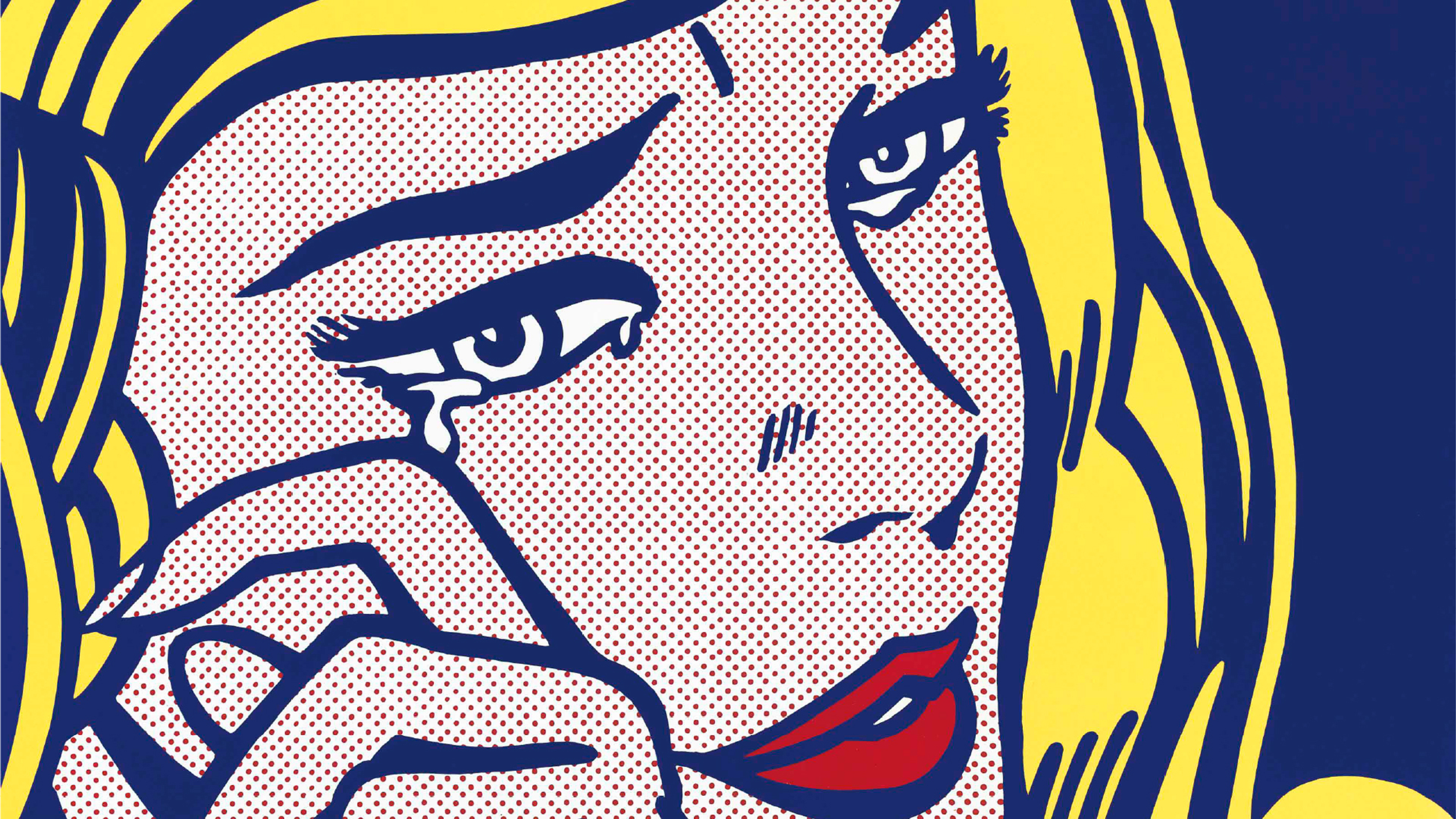
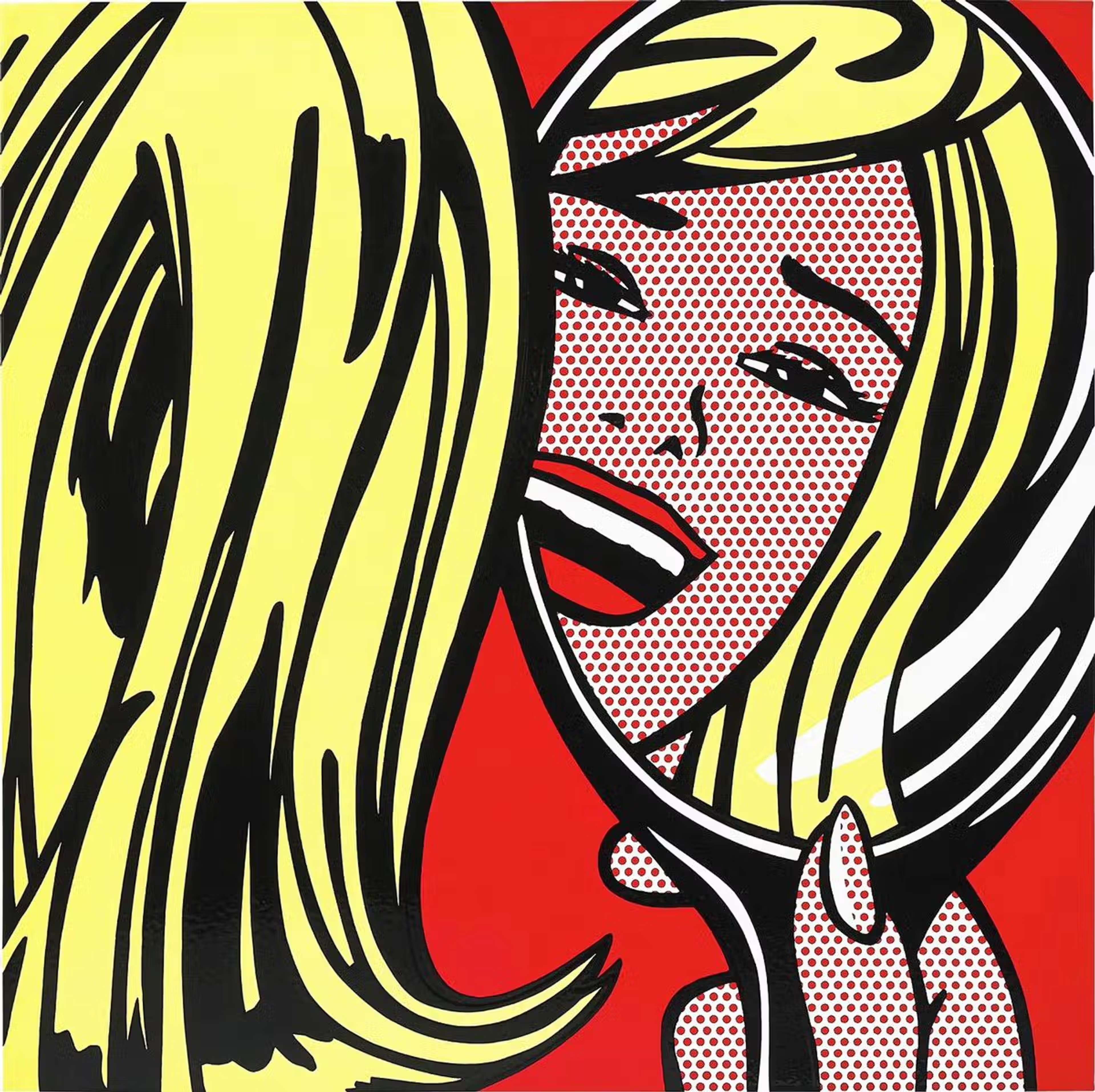
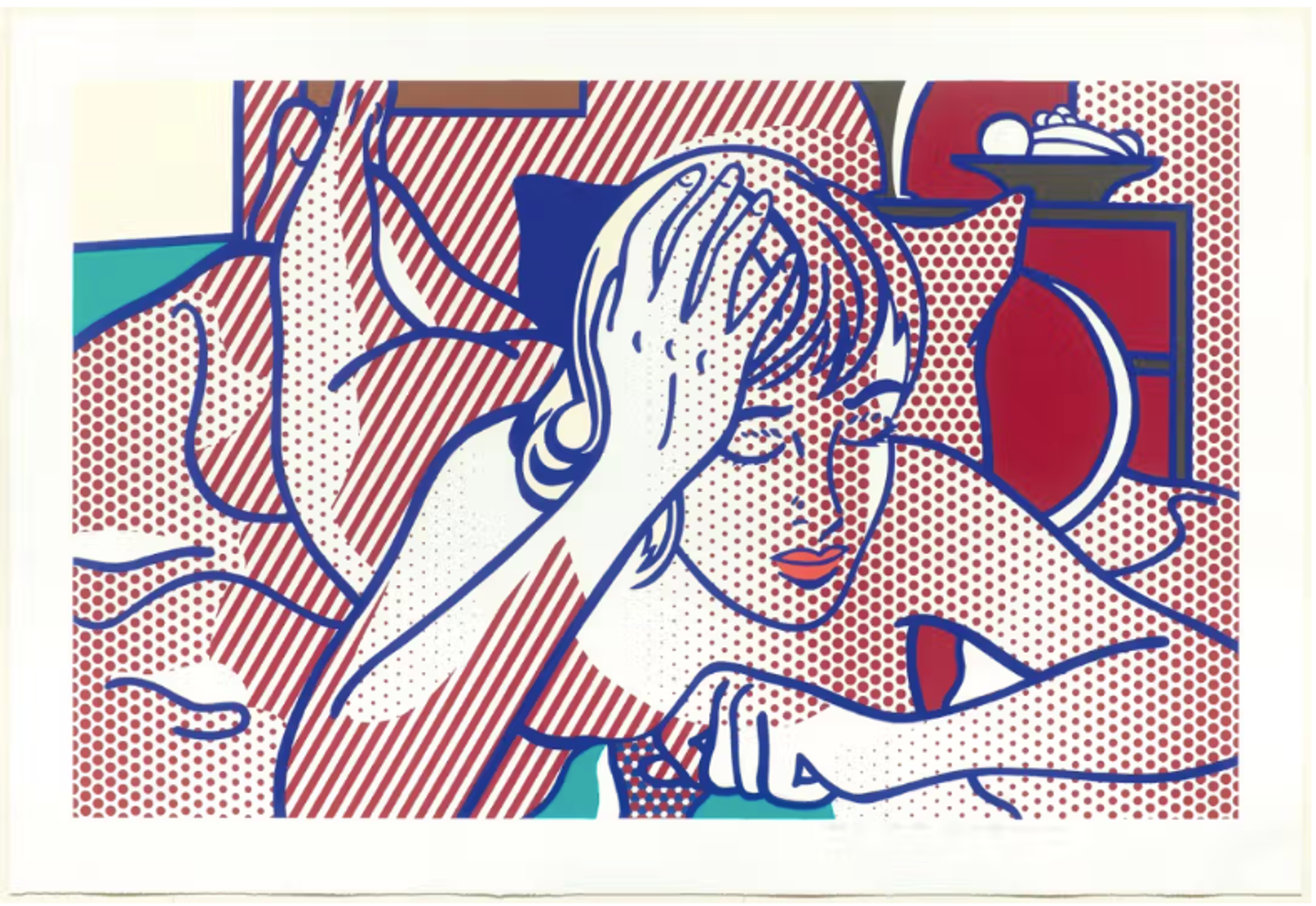
From a market perspective, momentum has concentrated most visibly around the Nudes series. Comprising six primary images issued in varying edition sizes, with certain State I impressions commanding premiums, the collection has emerged as the clearest indicator of upper-tier demand.
In 2023, eight works from the series traded publicly – more than double the prior two-year average. The shift was visible in the data before it became a headline narrative.
The inflection point came in November 2024, when Sotheby’s offered three examples from the artist’s estate in its major evening sale. All achieved new auction records, pushing individual lithographic screenprints into the million-dollar-range – a re-tiering for works that had previously traded in the low-to-mid six figures.
In 2025, fewer examples appeared, yet valuations held. The strength of the Nudes did not dissipate after the initial estate release; it stabilised. At the same time, demand extended beyond the series. Sotheby’s continued measured releases of estate-held prints across its New York sales before staging a dedicated estate sale later in the year. Bidding depth across various works created across Lichtenstein's career suggests that the momentum was not confined to a single collection, but reflected broader absorption across Lichtenstein’s print market.
Importantly, that stability remains anchored in estate provenance. While estate-held works can accrue long-term value in ways comparable to strong provenance in the unique works market, they differ fundamentally from a tightly timed private-collection release. The latter often concentrates attention around a specific moment; estate origin, by contrast, tends to carry forward as an ongoing layer of institutional association. In editions, where comparables remain visible, that distinction can influence how value sustains over time.
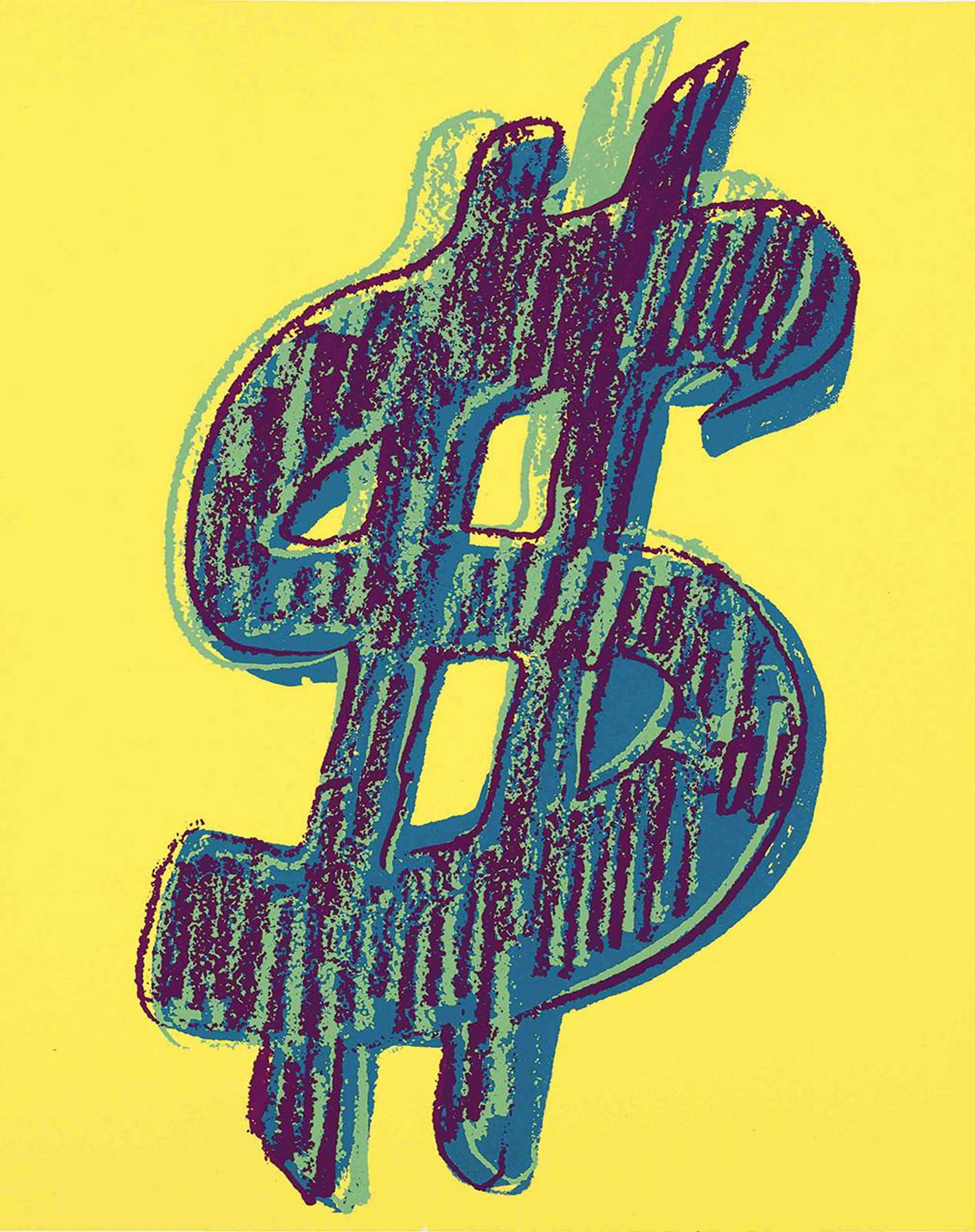
When Prints Cross the Million-Dollar Threshold
Looking across both markets, a consistent pattern emerges: institutional reinforcement has coincided with concentrated release moments at auction, and pricing has then responded accordingly.
At the seven-figure level, that alignment becomes structurally significant.
In most print markets, million-dollar results have historically been associated with complete portfolios. The hierarchy has been relatively stable, where assembled sets and rare formats command premiums, while individual sheets function as more accessible works.
What distinguishes the current moment for Hockney and Lichtenstein is that select individual prints have crossed that threshold. For Hockney, the Arrival of Spring portfolio comprises more than 60 variations, making a complete set structurally unlikely to appear. Yet individual works – particularly editions of 25 – have reached levels previously associated with the rarer editions of 10. That is a shift within the internal hierarchy of the series itself.
For Lichtenstein, million-dollar print results were once largely confined to enamel-on-steel works such as the 1960s Girls and Water Lilies. In 2024, lithographic screenprints entered that range for the first time. That development repositions how those works sit within his broader market structure.
This does not suggest that every edition has repriced, nor that seven-figure prints will become routine. What it does indicate is that the ceiling has shifted. When individual prints breach the million-dollar mark, they recalibrate the internal hierarchy of the market.
That recalibration has been reinforced by institutional momentum and by the disciplined way supply has been introduced, demonstrating pricing power at the top. The next phase – the test of durability – will be defined by repeat performance.