
Fast forward to 2026, and the landscape is shifting. Institutions are actively working to diversify their collections, curators are foregrounding women artists, and academic revisions to art history are spotlighting overlooked careers. Representation in primary market galleries is on the rise, reaching 46% in 2024. Yet, in the commercial secondary art market, female artists are still operating in the shadow of their male peers.
Despite growing recognition, the numbers show that female artists remain undervalued, underrepresented, and under-collected.
The Data Is Unambiguous:
- In 2024, female artists accounted for just 9% of total auction sales among the top 200 artists at fine art auctions.
- Among the top 100 artists at auction in 2024, only 13 were women. Similarly, just 13% of auction results exceeding $1 million were for works by female artists.
- The value gap at the op is staggering. In 2024, the highest-ranking female artist by auction turnover, Yayoi Kusama, generated $158.5 million, placing her sixth overall. The top three male artists - René Magritte, Claude Monet, and Pablo Picasso - generated $312.3 million, $289.5 million, and $223.2 million respectively.
While these figures are sobering, they are not surprising. The art market - unlike museums, galleries, or academic institutions - operates with minimal oversight. It is driven by collectors, dealers, and institutions whose buying patterns often reinforce the status quo.
When an artist’s market is already strong, auction houses set higher estimates, which in turn bolster collector confidence and drive competitive bidding. This cycle reinforces the value of established names while leaving emerging or historically undervalued artists struggling to gain traction. When an artist’s market is fragile, it remains that way until confidence restores. In a world where the vast majority of high-value auction sales still go to men, the system continues to self-perpetuate.

Why the Market Is Still Failing Female Artists
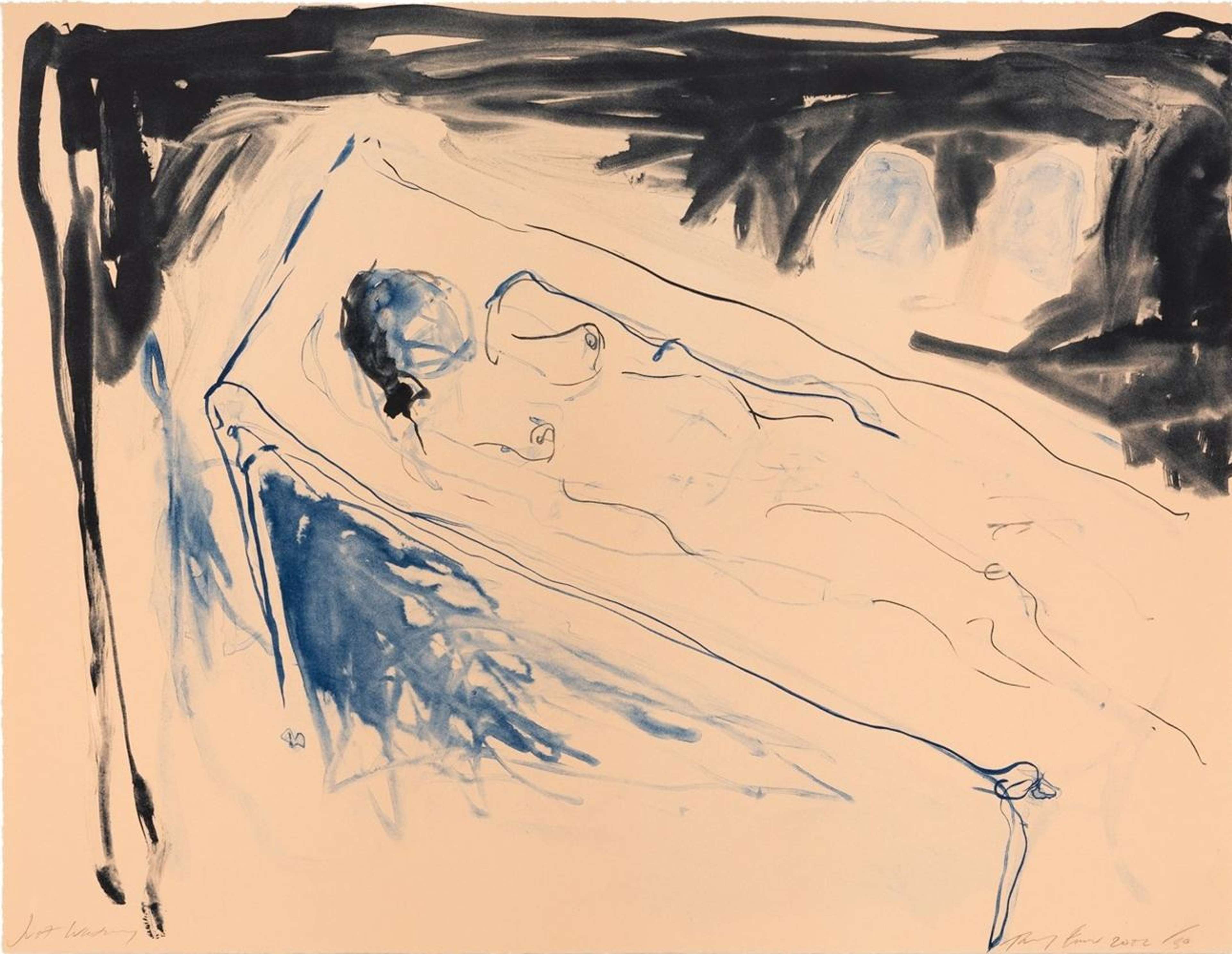
- The Language of Value: The way female artists are discussed differs starkly from their male counterparts. Men’s art is often framed in terms of power, innovation, and commercial success, while women’s art is described as “personal,” “confessional,” or “intimate.” These descriptors shape collector perception and, ultimately, market value. Damien Hirst is praised as a “market disruptor,” while Tracey Emin’s deeply personal work is rarely framed in terms of commercial strength.
- Market Momentum and Scarcity: Female artists often have fewer works in circulation due to historical exclusion from institutional support. This impacts liquidity and price momentum - fewer works lead to fewer high-value resales, keeping price ceilings lower. Kusama’s commercial dominance is an exception, but even her market remains heavily concentrated in Asia, while Western collectors have been slower to embrace her at the same level.
- Investment Bias: The blue-chip art market is controlled by a small number of powerful collectors and investors, most of whom have historically favoured male artists. These collectors set the benchmarks for what is considered valuable. Even when museums acquire female artists’ works, their market prices do not appreciate as quickly as those of their male peers.
Female Artists Rising in the Print Market
Yayoi Kusama
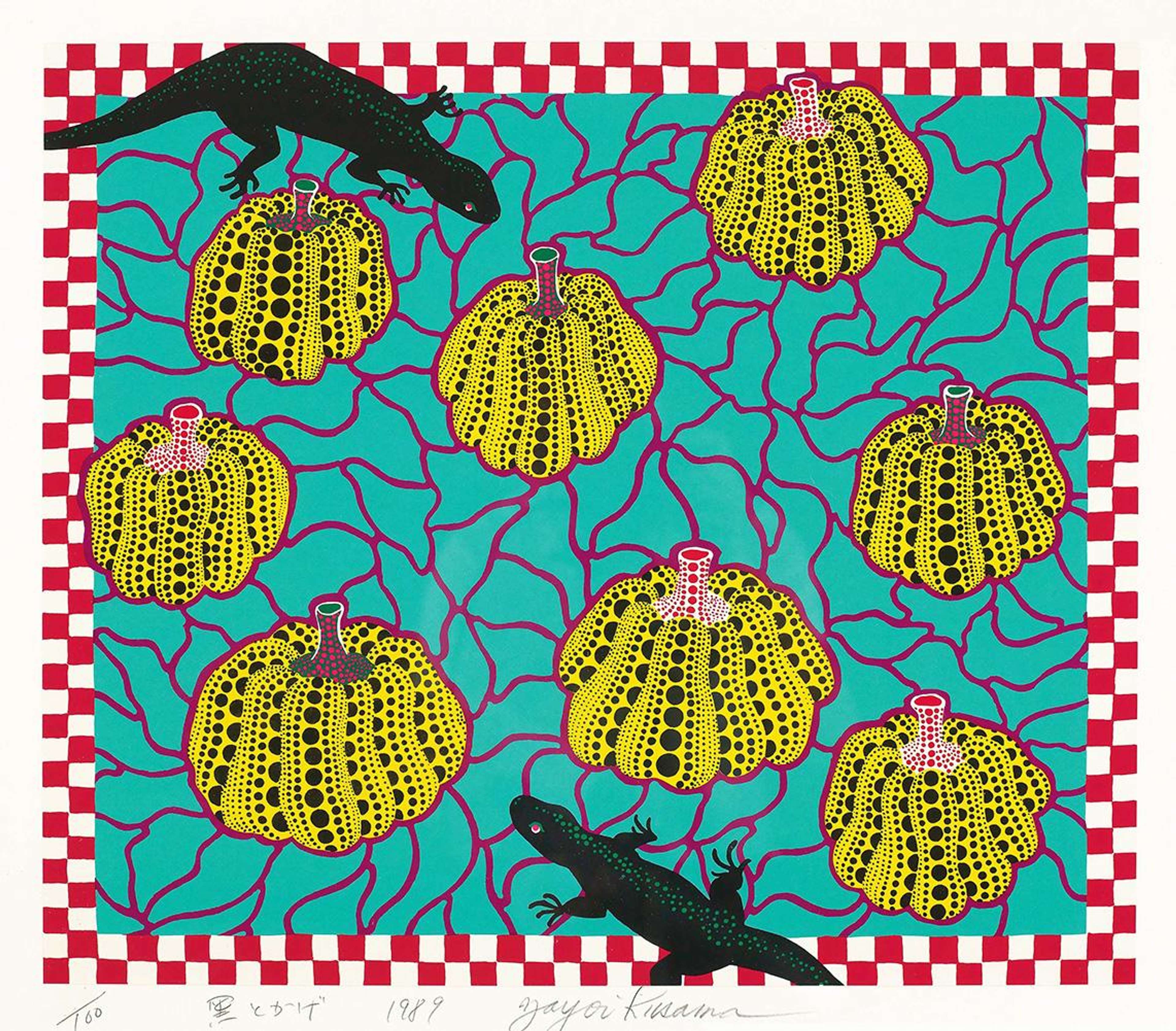
A titan of the contemporary market, Kusama ranked as the sixth highest-grossing contemporary artist in 2024. Her success proves that female artists can dominate the auction market, but her power remains driven almost entirely by Asia, where the majority of her works are sold. Her iconic Pumpkin motif continues to command staggering prices, with a 1991 painting selling for $2.73 million at Christie's Hong Kong in 2025, while another from 1993 fetched $753,500 in Tokyo. Her prints mirror that enduring appeal, with Shanghai Pumpkin achieving £94,321 at Mallet Japan Inc. in December 2025
Bridget Riley
A pioneer of Op Art, Riley’s print market has been consistently strong, but her highest auction price in 2024 was £65,000 - far below comparable male Op Art artists. While her paintings can command millions – Myrrh (1985) sold for over £1.8 million in 2025 - her print market remains an accessibly entry point for collectors.
Helen Frankenthaler
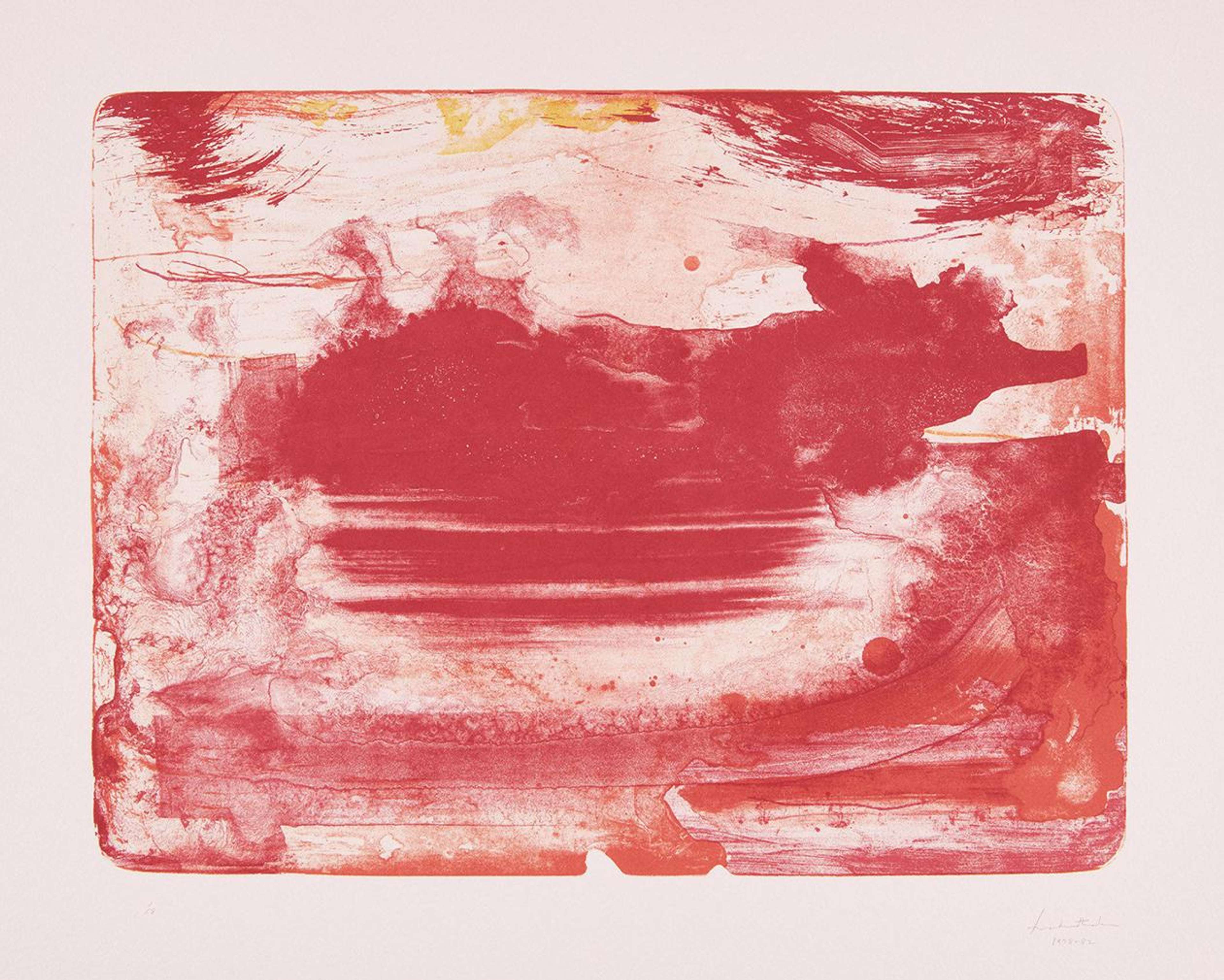
Despite being a major figure in Abstract Expressionism, Frankenthaler’s market is often overshadowed by her male peers. However, demand for her innovative woodcut prints remains strong. In the first half of 2025, 18 of her prints sold for a combined total of £153,352. The top price was achieved by Tales Of Genji V (1998), which sold for £41,500, proving that collector appetite for her work is growing.
Reshaping the Market: What Comes Next for Female Artists
Change is coming, driven by a new generation of collectors. The share of works by women in high-net-worth (HNW) collectors' holdings has reached a high of 44%, up from 33% in 2018 according to Art Basel & UBS. This shift it being led by female collectors, whose collections are comprised of 49% works by women, compared to 40% for male collectors.
Emerging artists like Julie Mehretu, Kara Walker, and Loie Hollowell are gaining traction, and continued institutional support is driving collector interest. However, structural challenges remain.
While pricing structures are never going to change overnight, the work to spotlight these female trailblazers must extend to evaluating their place in the contemporary art market. Until then, the system will keep female artists in a space where their success is celebrated, but not always reflected in financial terms.
The market must move beyond the idea that female artists “lag” behind due to artistic merit. Instead, it must reckon with the historical and systemic forces that have shaped these imbalances - and take active steps to correct them.