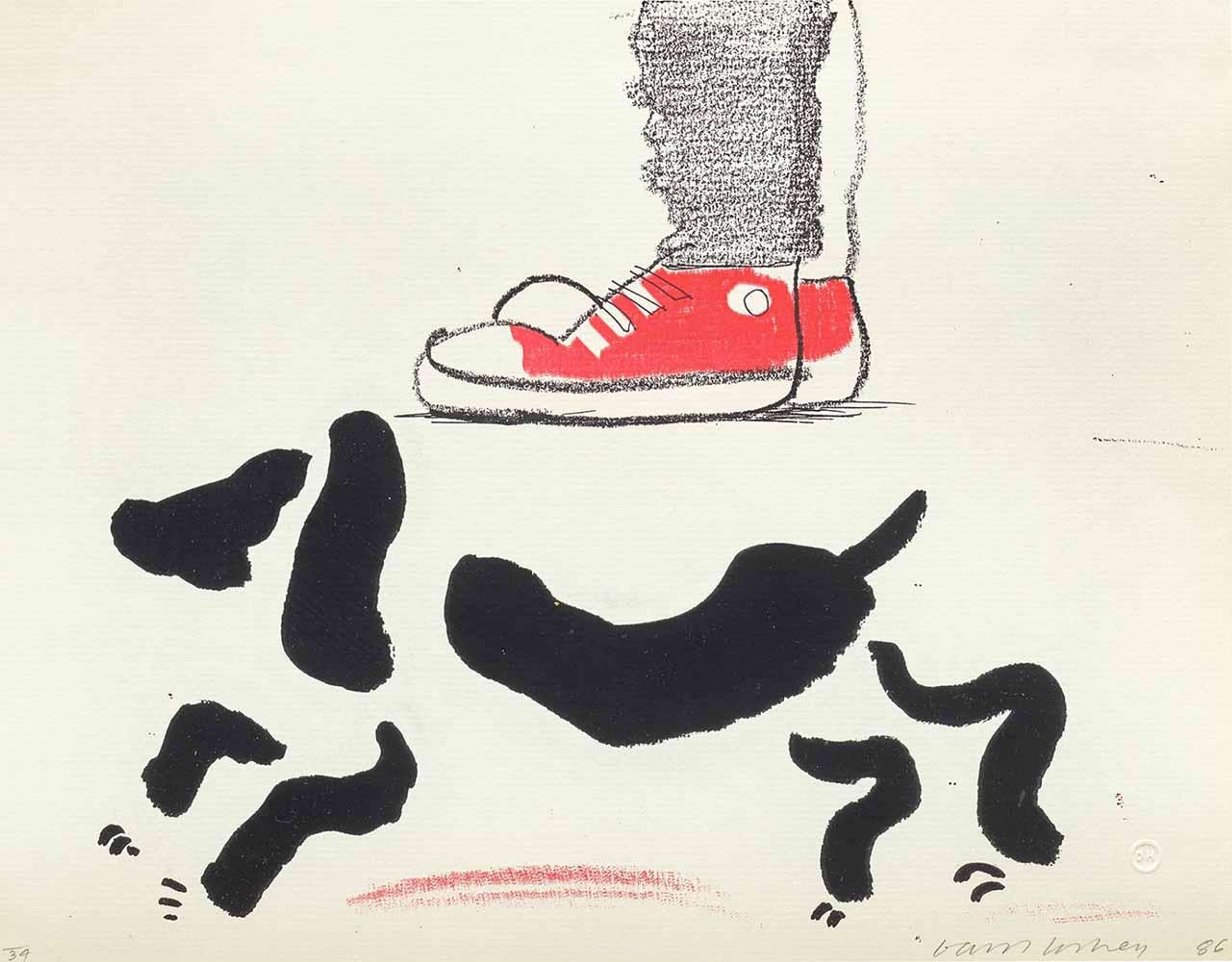


In the late 1980s, David Hockney began sketching his dachshunds, Stanley and Boodgie, later turning those drawings into one of his most tender print series. The Dogs prints show the artist at home, using etching and aquatint to capture the gentle companionship of his pets, reflecting Hockney’s exploration of love, loss and domestic life.
David Hockney’s dachshunds Stanley and Boodgie inspired his Dog series
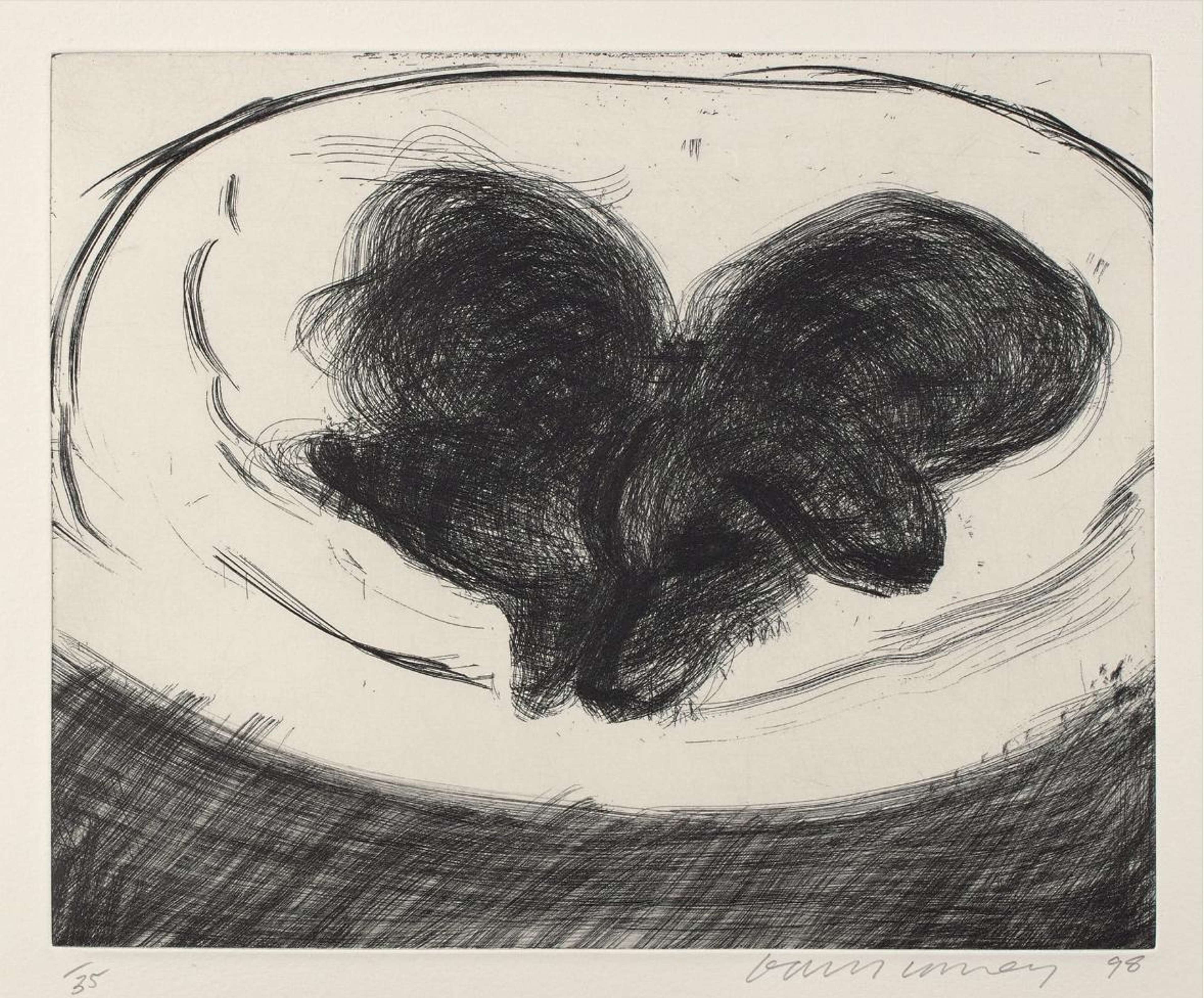
Hockney adopted his first dachshund, Stanley, in 1987, followed shortly after by Boodgie. The pair became his constant companions, rarely leaving his side. What began as quick sketches of them sleeping or playing evolved into a dedicated body of printmaking work. Hockney’s close bond offered endless visual possibilities, and he once said, “They’re like little people to me.” His dachshunds became not just his muses but also a source of stability and affection during a difficult period in his life.
The Dog series were created during a period of grief and reflection
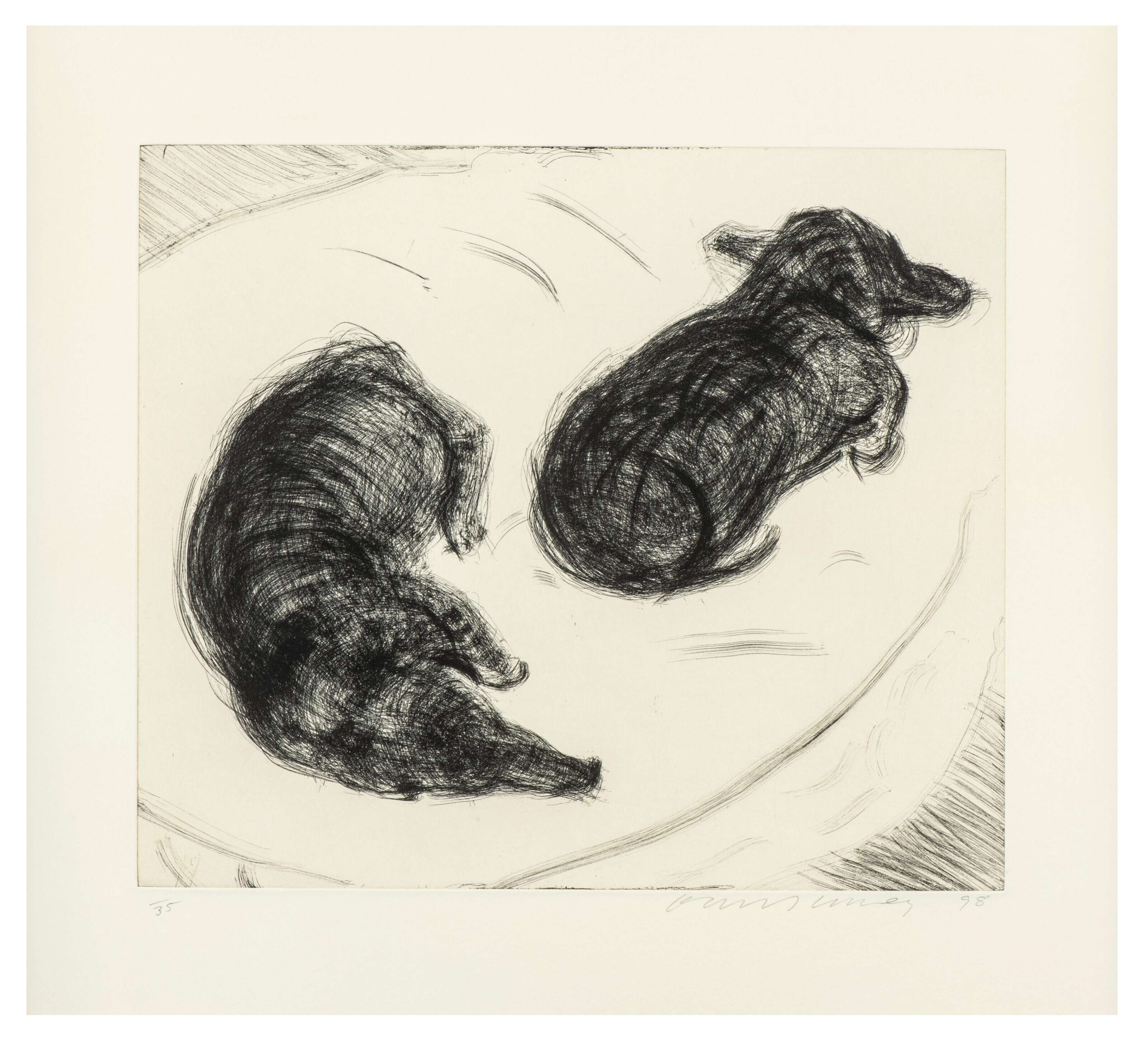
In the mid-1990s, Hockney lost several close friends to the AIDS crisis, including curator Henry Geldzahler. Struggling with grief, he turned to his dogs as subjects that represented love, comfort and continuity. Through the Dogs prints, Hockney sought to create something loving and restorative, and the simple act of observing Stanley and Boodgie as they slept became a daily ritual. These prints are therefore deeply personal, reflecting not only affection but a longing for connection amid isolation.
Hockney set up a home print studio to capture his dogs from life
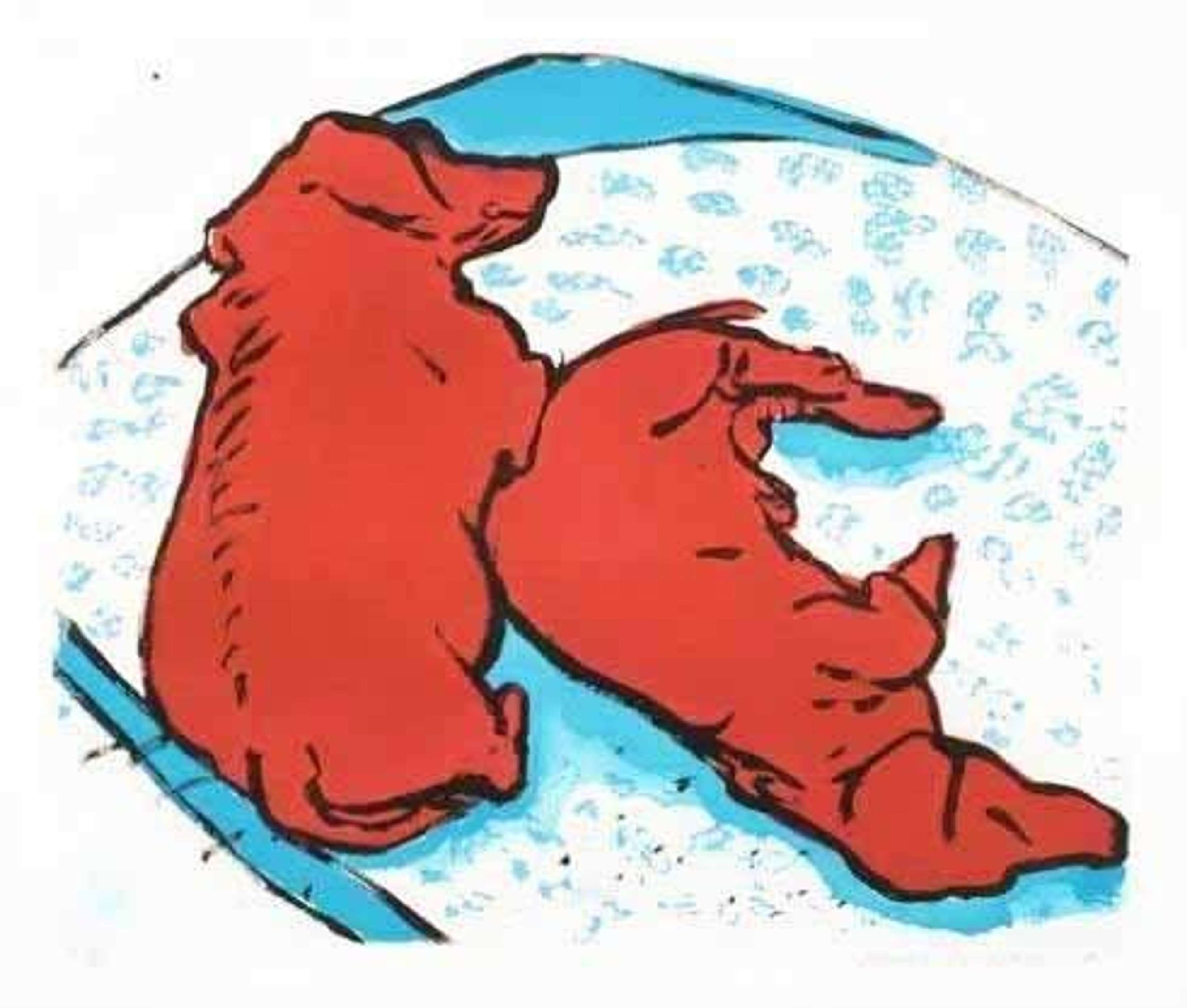
By 1998, Hockney had transformed a room in his Hollywood Hills home into a printmaking studio. He worked closely with his friend and master printer Maurice Payne, who prepared the plates that Hockney drew directly onto. This method allowed him to preserve the immediacy of drawing while experimenting with the rich tonal range of etching and aquatint. With his dogs sleeping close by, Hockney could translate spontaneous observations into finished prints within hours, creating a uniquely intimate record of daily life.
Stanley and Boodgie are often depicted asleep
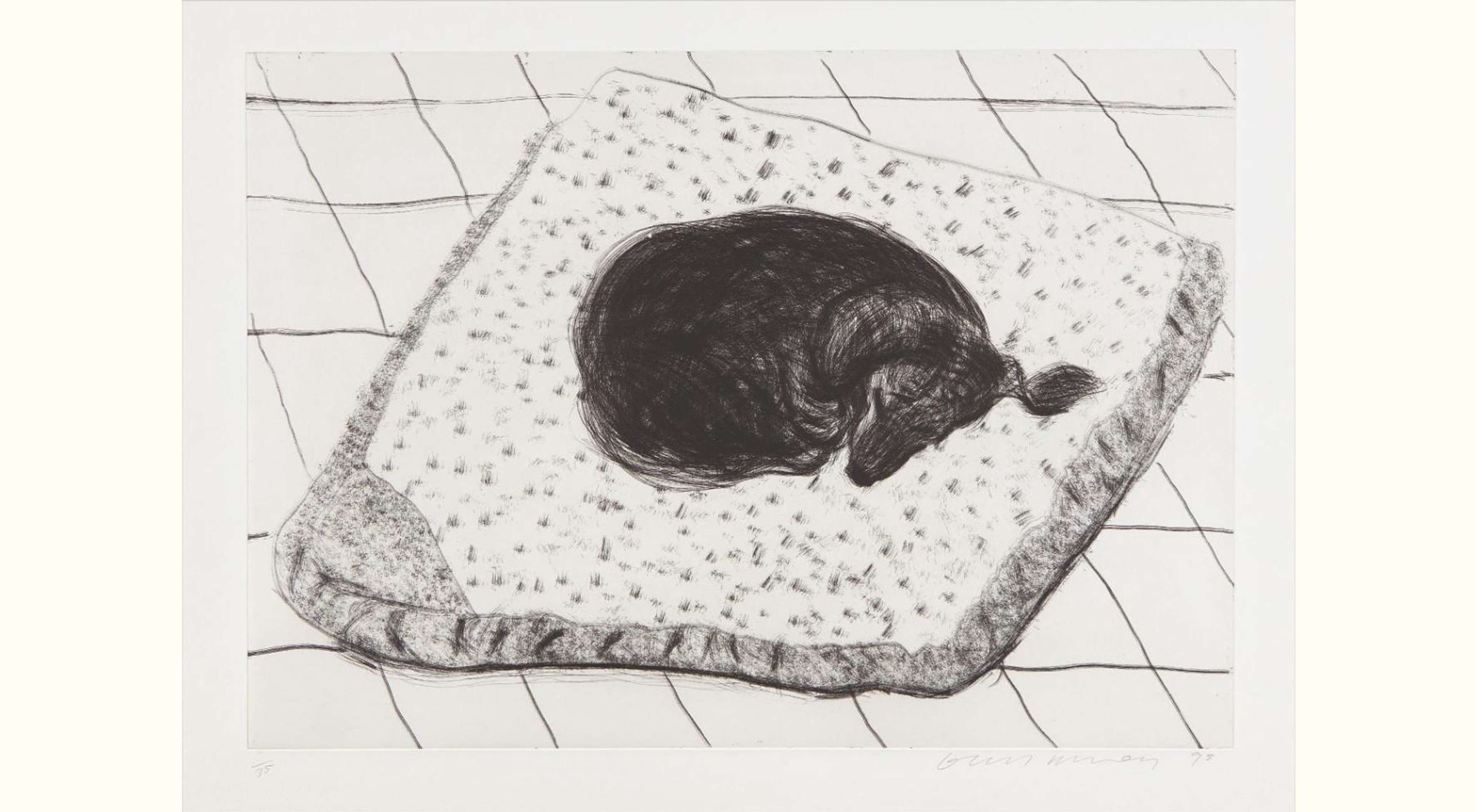
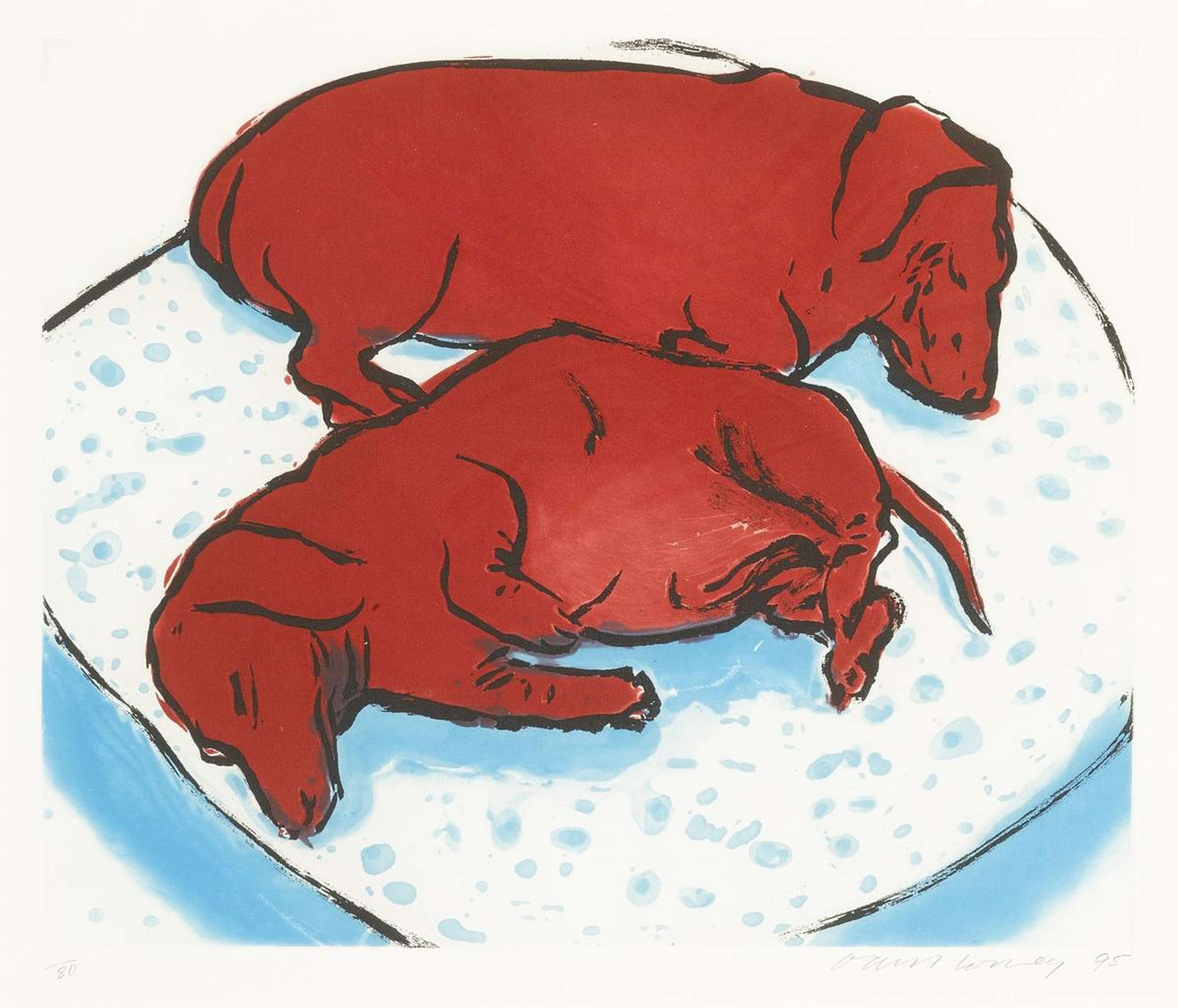
Most of Hockney’s dog prints show Stanley and Boodgie curled up or napping on cushions. The artist joked that this was the only time they would stay still long enough for a portrait. These gentle compositions focus on stillness and intimacy, translating everyday domestic scenes into quiet meditations on companionship. The cushion itself also acts as a framing device, giving each print a sense of balance and softness that mirrors the emotional calm Hockney found in their company.
Picasso and Warhol also depicted their beloved dachshunds
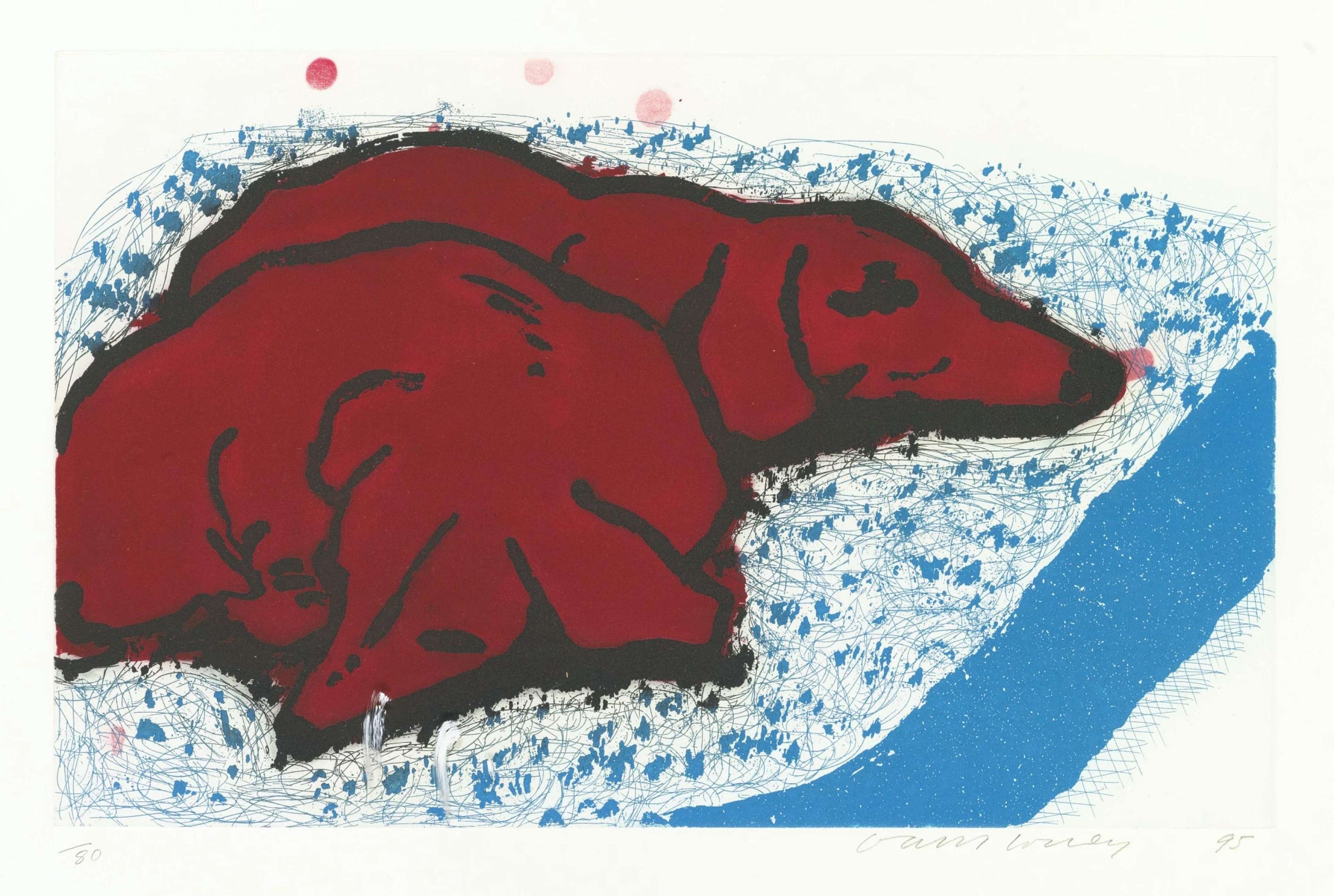
Hockney’s fascination with dachshunds was shared by both Pablo Picasso and Andy Warhol, who famously immortalised their own sausage dogs in prints and drawings. Picasso’s Lump and Warhol’s Archie and Amos became small emblems of each artist’s private world. In following this tradition, Hockney’s series sits within a wider lineage of artists exploring the intimacy between humans and their pets.
Hockney used etching and aquatint in his Dogs series
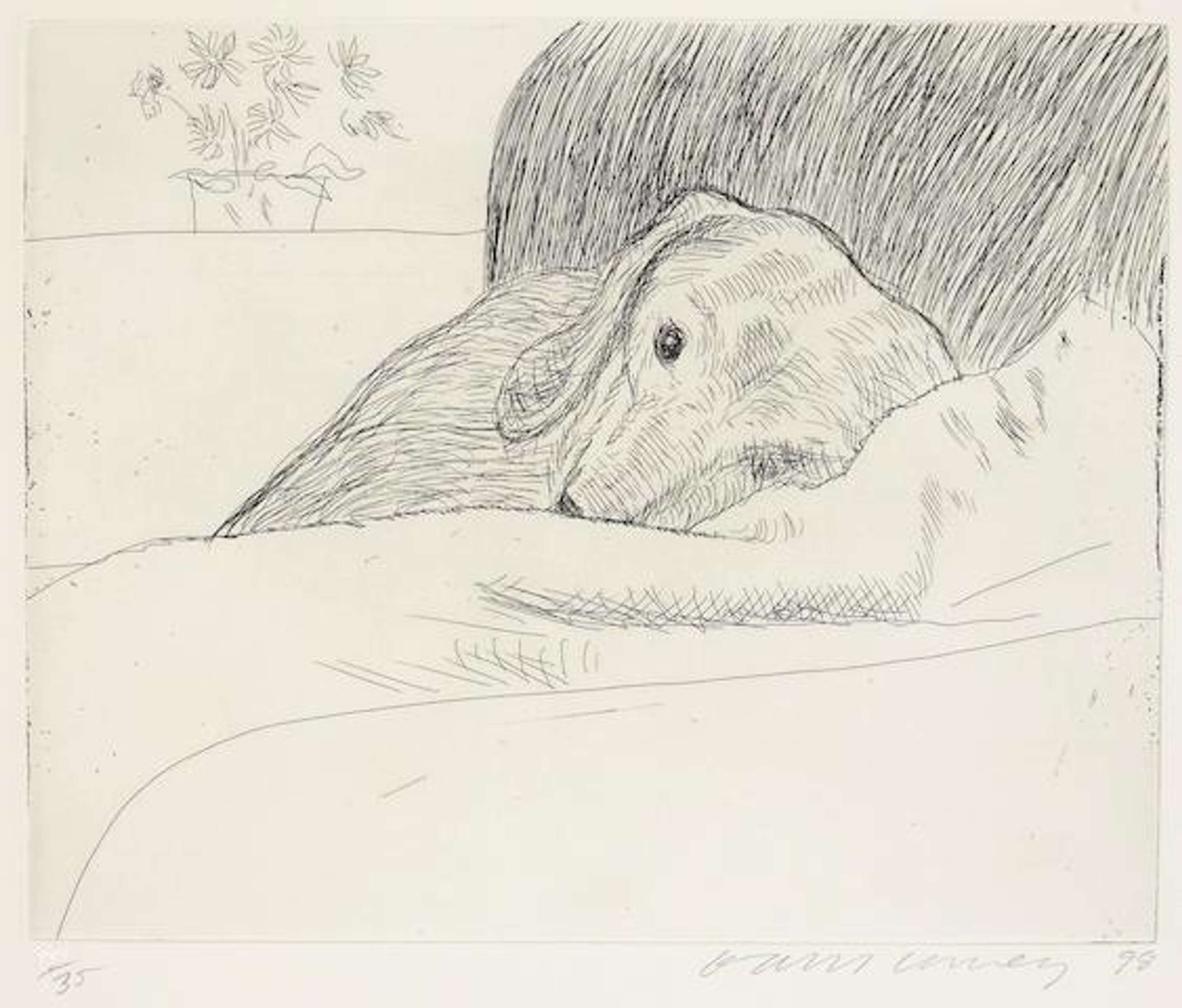
The Dogs prints showcase Hockney’s technical skill as a printmaker. Using etching, he captured the fine wiry texture of his dachshunds’ fur through intricate cross-hatched lines, while aquatint added depth and tone. This combination of techniques gave the prints a delicate realism while maintaining the spontaneity of hand-drawn lines. Mostly rendered in monochrome, these prints are a quiet contrast to the bright exuberance of Hockney’s other Dog paintings.
Hockney’s Dogs offer a window into his domestic world
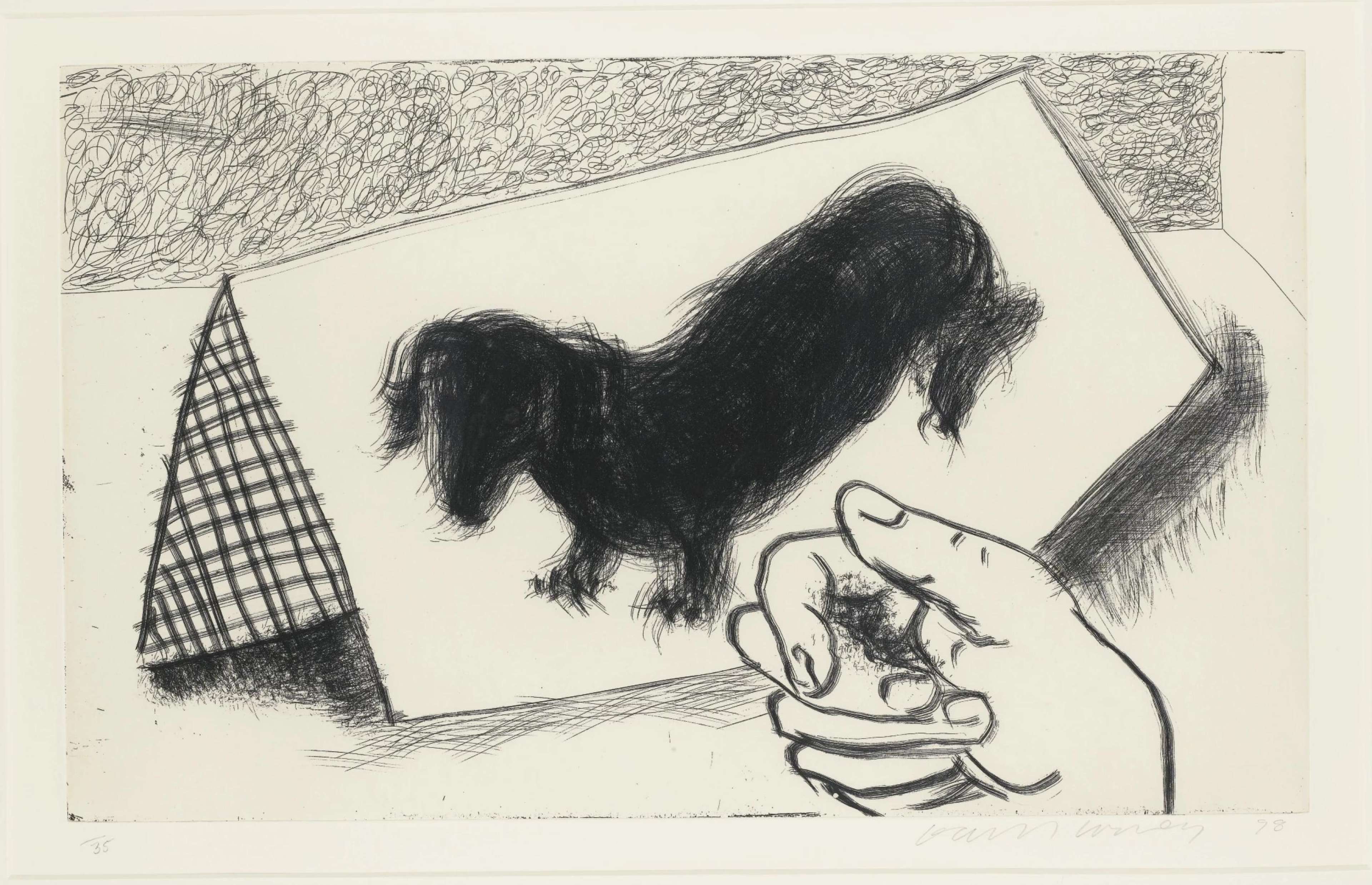
While Hockney is best known for his Swimming Pools and landscapes, the Dogs prints bring viewers into his domestic life. The intimate scale, household setting and relaxed poses of Stanley and Boodgie reveal that the everyday is just as worthy of artistic attention as the spectacular.
Hockney’s Dog prints anticipate his everyday depiction in digital drawings
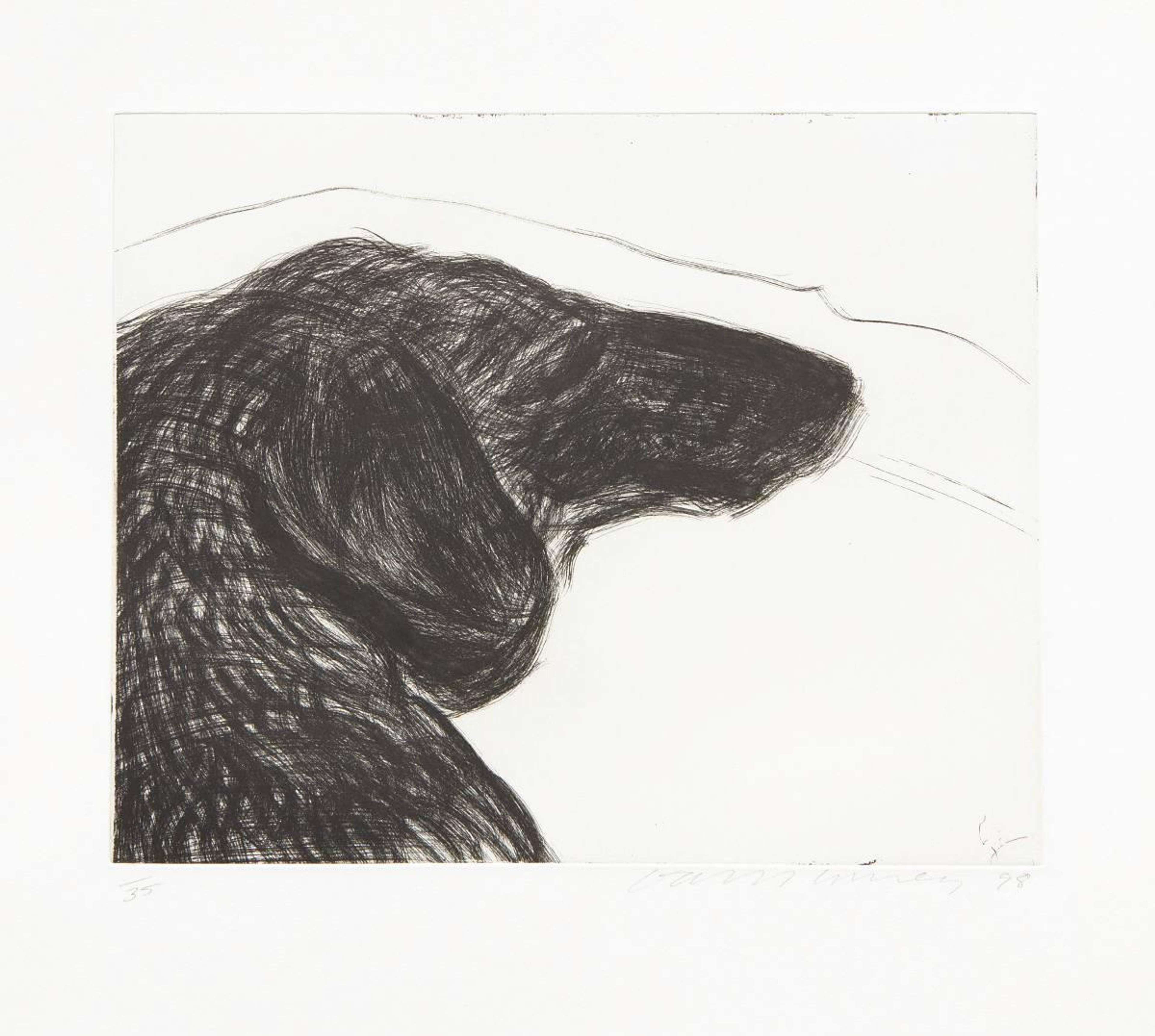
The close attention Hockney gave to Stanley and Boodgie foreshadows the methods he used in his digital drawings and iPad Drawings. The Dogs prints encouraged him to work quickly from life, catching movement and light without over-engineering the composition. That appetite for immediacy became a defining feature of his twenty-first-century practice, with his dachshunds laying the groundwork for the everyday observation that would come to characterise his later work.
The Dog series is celebrated for its portrayal of the bond between humans and pets
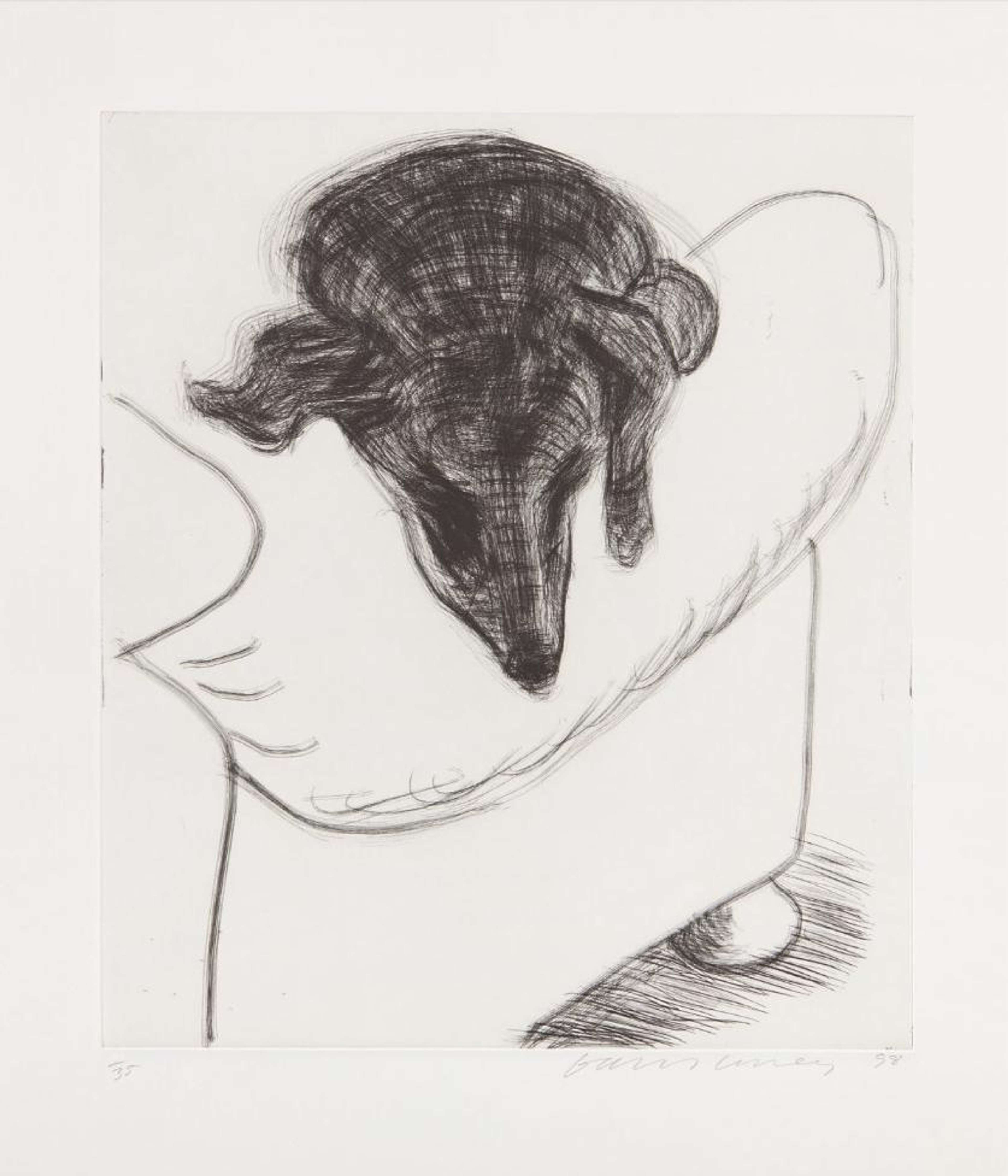
The Dogs collection's appeal lies in their blend of recognisable subject matter and personal narrative. Hockney enthusiasts, dog lovers and serious print collectors all value the way these works bridge the artist’s emotional world with technical innovation, offering both intimacy and craftsmanship.
The 1998 portfolio Dog Wall captures the series at its creative peak
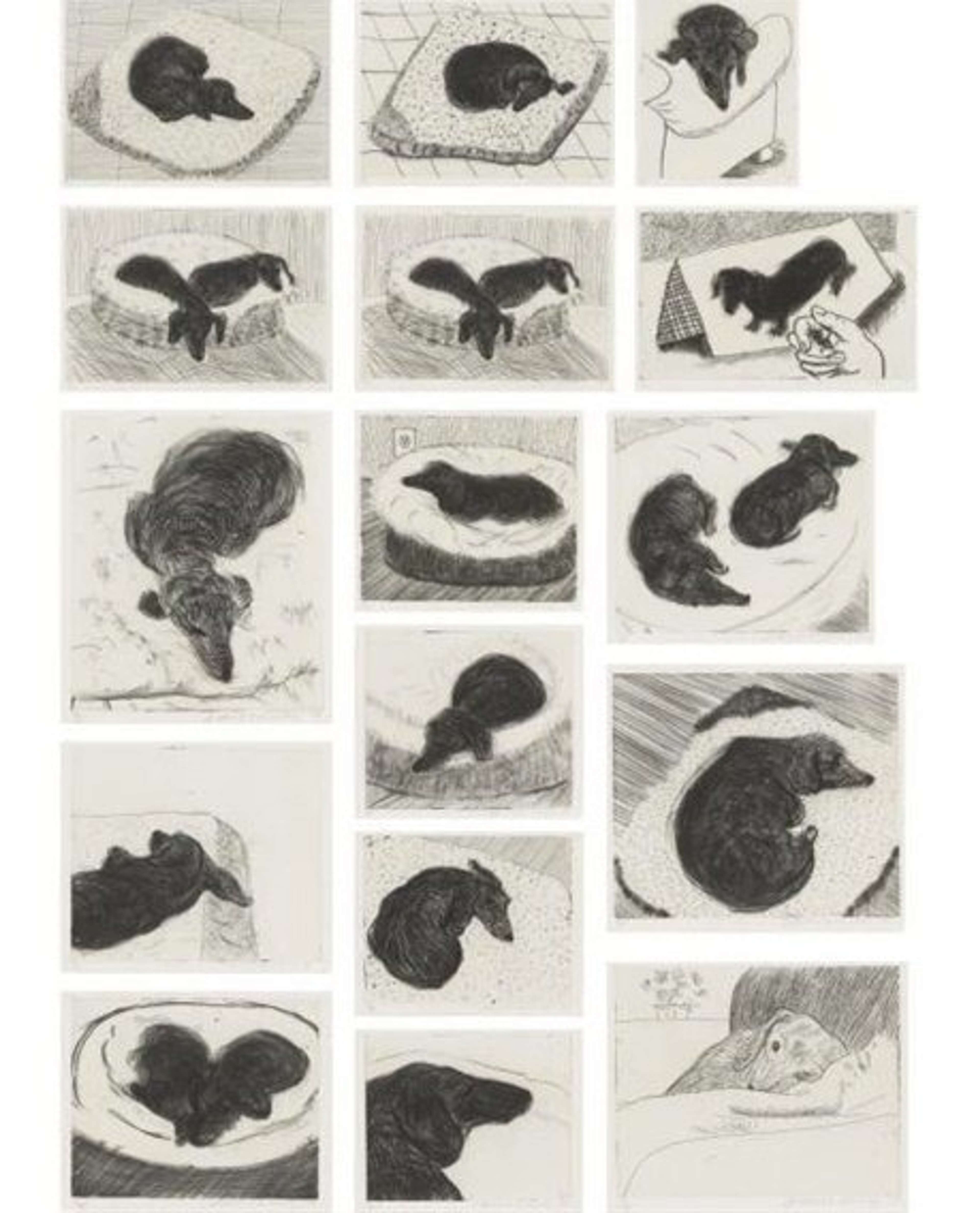
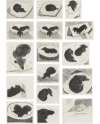
Hockney’s 1998 portfolio Dog Wall comprises fifteen etchings that portray Stanley and Boodgie in various poses. Produced with Maurice Payne in his home studio, these prints reveal Hockney’s ability to turn a fleeting moment into a lasting image.