Hockney
And Nature
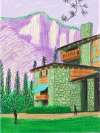
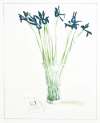
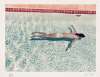
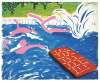
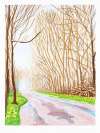
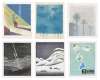
This series of depictions of natural features or landscapes showcases Hockney’s ability to move effortlessly between styles as well as subjects. Never one to let a style define him, Hockney plays with the theme of nature to allow abstraction, fantasia and even allegory to enter his work.
David Hockney Hockney And Nature For sale
Hockney And Nature Value (5 Years)
Works from the Hockney And Nature series by David Hockney have a strong market value presence, with 56 auction appearances. Top performing works have achieved standout auction results, with peak hammer prices of £50333. Over the past 12 months, average values across the series have ranged from £2389 to £2600. The series shows an average annual growth rate of 5.83%.
Hockney And Nature Market value
Auction Results
| Artwork | Auction Date | Auction House | Return to Seller | Hammer Price | Buyer Paid |
|---|---|---|---|---|---|
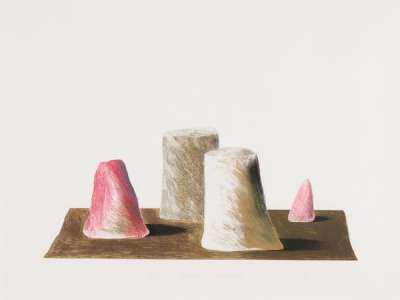
 An Imaginary Landscape David Hockney Signed Print | 15 Jul 2026 | Forum Auctions London | £2,210 | £2,600 | £3,300 |
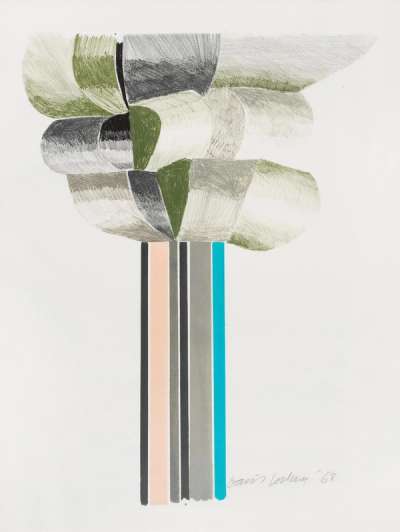
 Tree David Hockney Signed Print | 10 Dec 2024 | Bonhams New Bond Street | £4,250 | £5,000 | £6,500 |
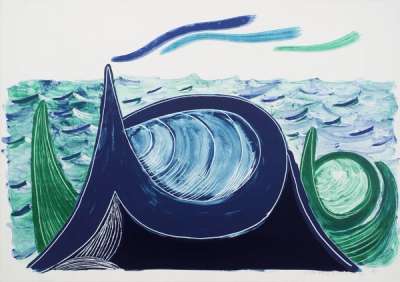
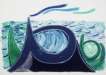 The Wave, A Lithograph David Hockney Signed Print | 23 Jul 2024 | Christie's New York | £38,250 | £45,000 | £60,000 |
Sell Your Art
with Us
with Us
Join Our Network of Collectors. Buy, Sell and Track Demand
Meaning & Analysis
An artist known for his love of Nature, the Hockney and Nature print series captures the longstanding link between his work and the natural world. His oeuvre is inextricably linked with the natural world, not just through subject but also in terms of his lifelong study of light and optics that pervades even his sparestportraits, his quietest interiors.
Never one to let a style define him, Hockney plays with the theme of nature to allow abstraction, fantasia and even allegory to enter his work. With works such as The Wave we are presented with an inky scene that recalls his fascination with water that we are familiar with through his pools series, at the same time nodding to masters such as Hokusai who famously depicted The Great Wave off Kanagawa as a woodblock print. Here the wave is reduced to a wash of colour, devoid of Hokusai’s detail and freed from the containment of a swimming pool, resulting in an expressive work that perhaps can be said to examine the ties between nature and our emotional states.
In works such as Tree, Hockney reduces the intricacies of nature to lines and curves, evoking an almost Futurist representation of the natural world. The tree’s branches appear to be made of curls of paper or sculpted blocks of stones, the trunk becoming stripes of colour, and yet the essential platonic form of the tree can still be felt. An Imaginary Landscape takes this a step further as Hockney presents a series of shapes on a plane, each independent mound somehow recalling natural wonders such as Mount Fuji or Monument Valley and yet these strange, almost volcanic, almost nuclear forms, remain resolutely against nature, their surfaces smooth and artificial, their extraction from any kind of context or background only serving to enhance their disconnect with nature.