Dogs
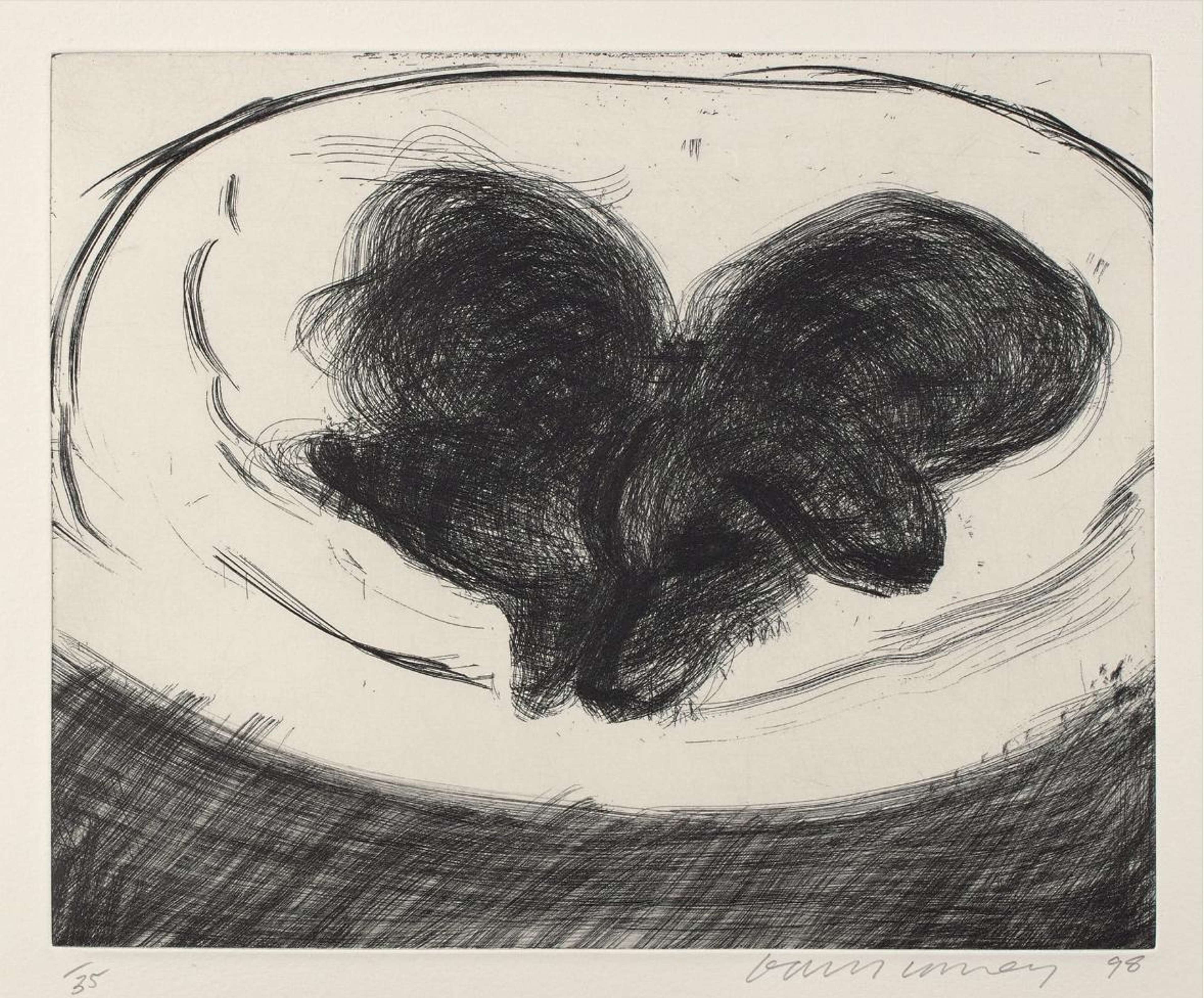
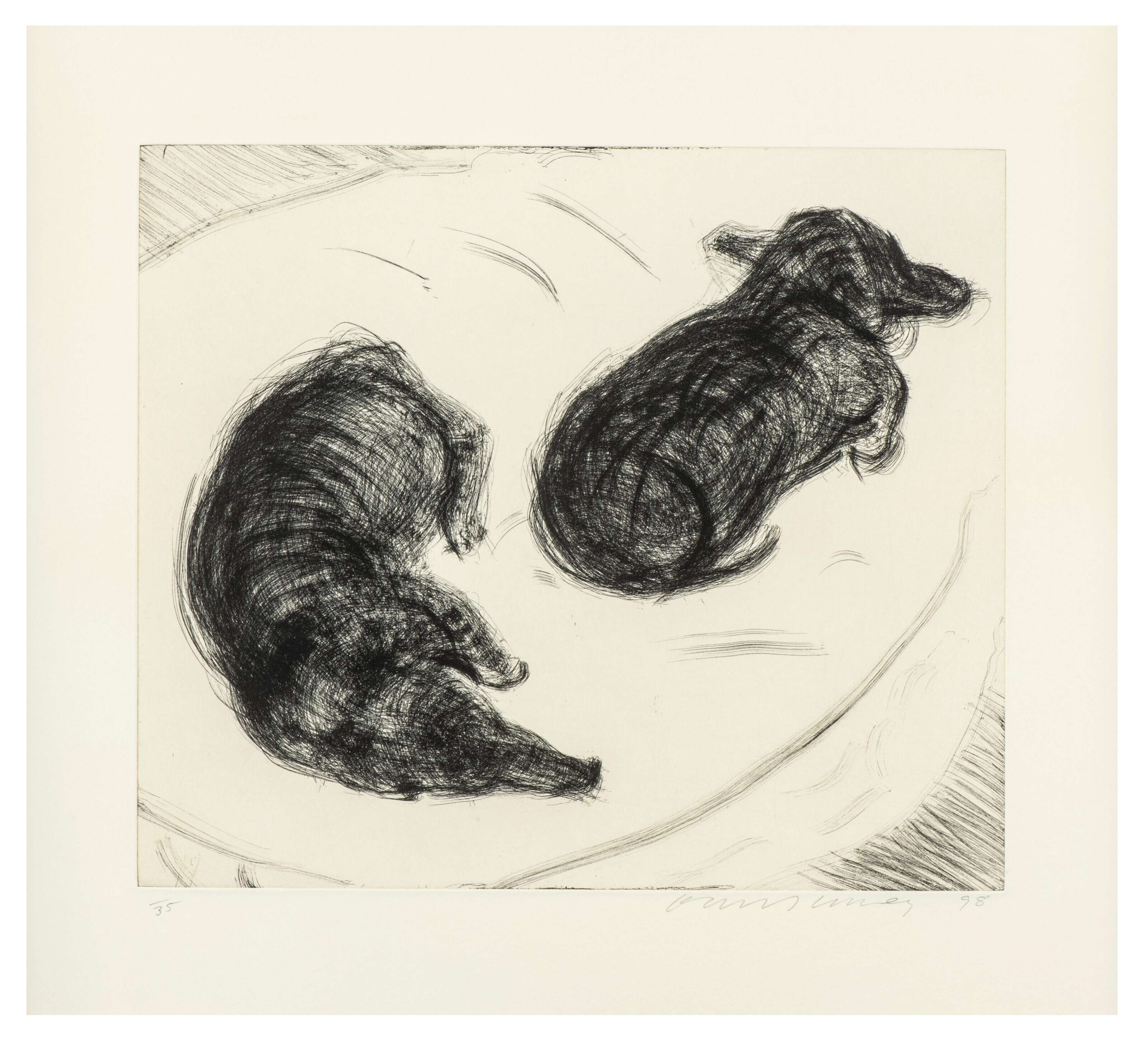
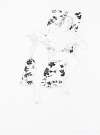
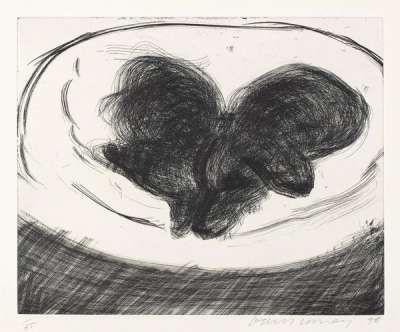
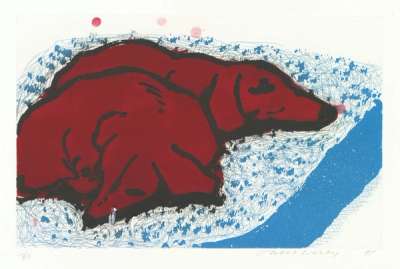
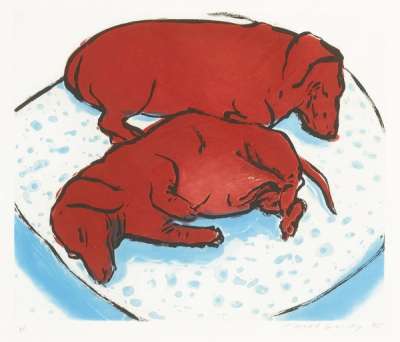
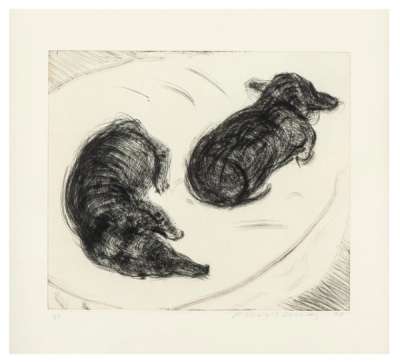
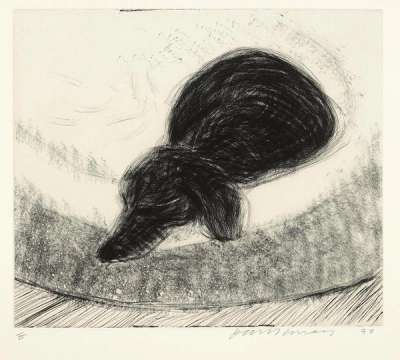
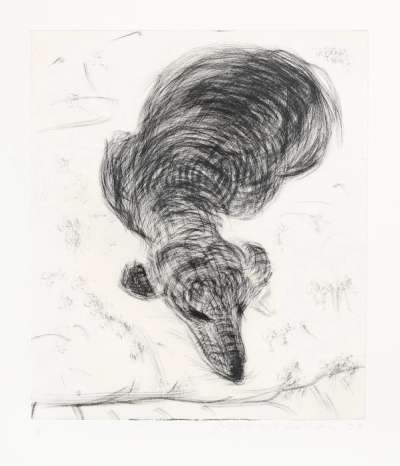
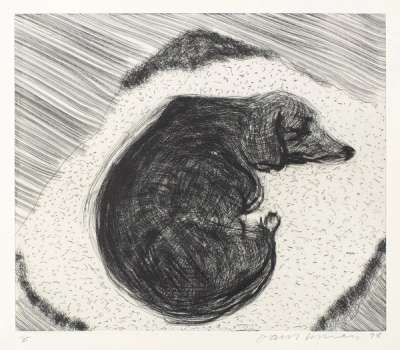
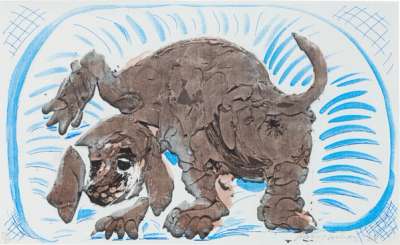
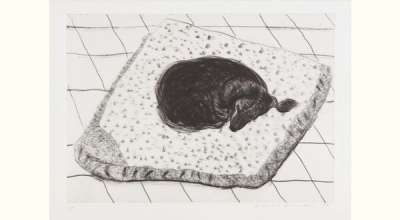
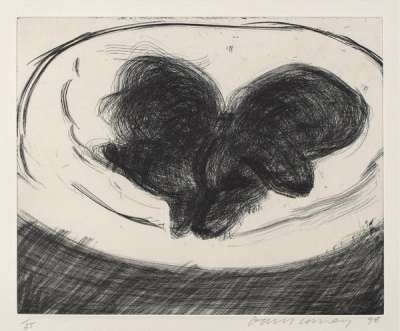
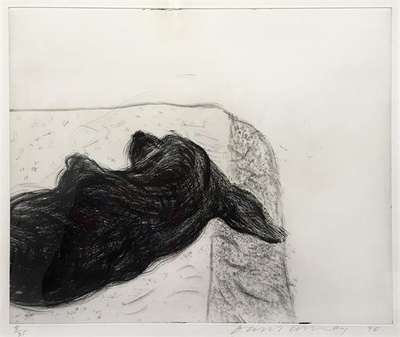
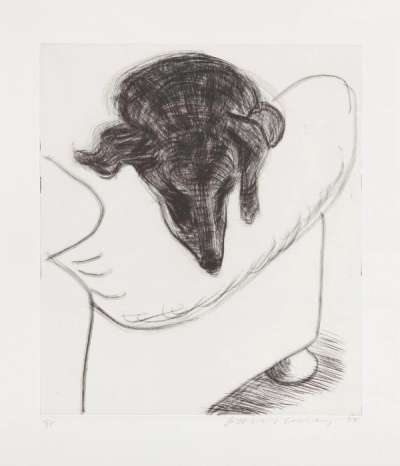
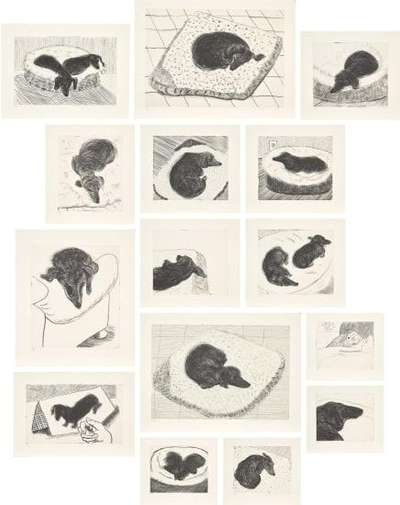
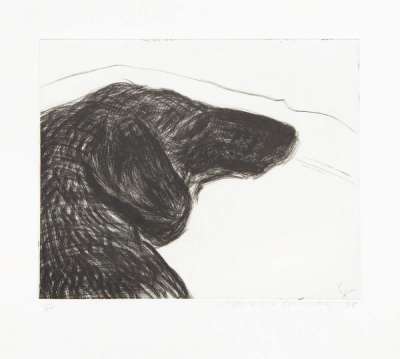
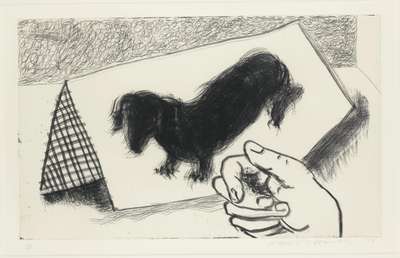
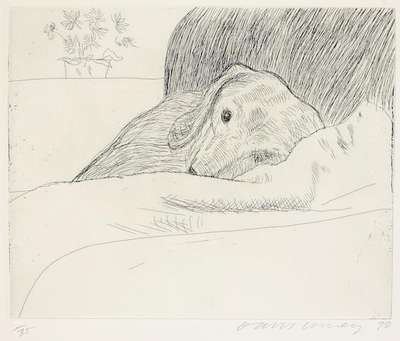
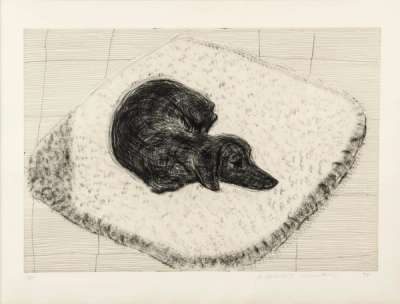
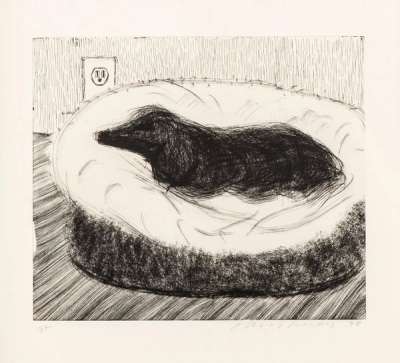
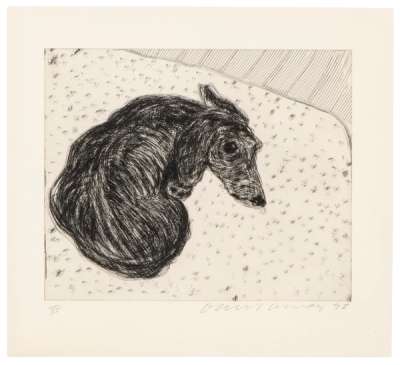
David Hockney began drawing dogs in 1987 when he adopted his first pair of dachshunds. What began as a drawing exercise soon became a series of tender portraits. The prints from this series tend to show Hockney’s beloved Stanley and Boodgie, often shown when they make the best sitters— asleep.
David Hockney Dogs For sale
Dogs Value (5 Years)
Works from the Dogs series by David Hockney have a strong market value presence, with 80 auction appearances. Top performing works have achieved standout auction results, with peak hammer prices of £257952. Over the past 12 months, average values across the series have ranged from £6281 to £42500. The series shows an average annual growth rate of 14.85%.
Dogs Market value
Auction Results
| Artwork | Auction Date | Auction House | Return to Seller | Hammer Price | Buyer Paid |
|---|---|---|---|---|---|
 Vertical Dogs David Hockney Signed Print | 23 Jun 2026 | Bonhams New Bond Street | £34,000 | £40,000 | £50,000 |
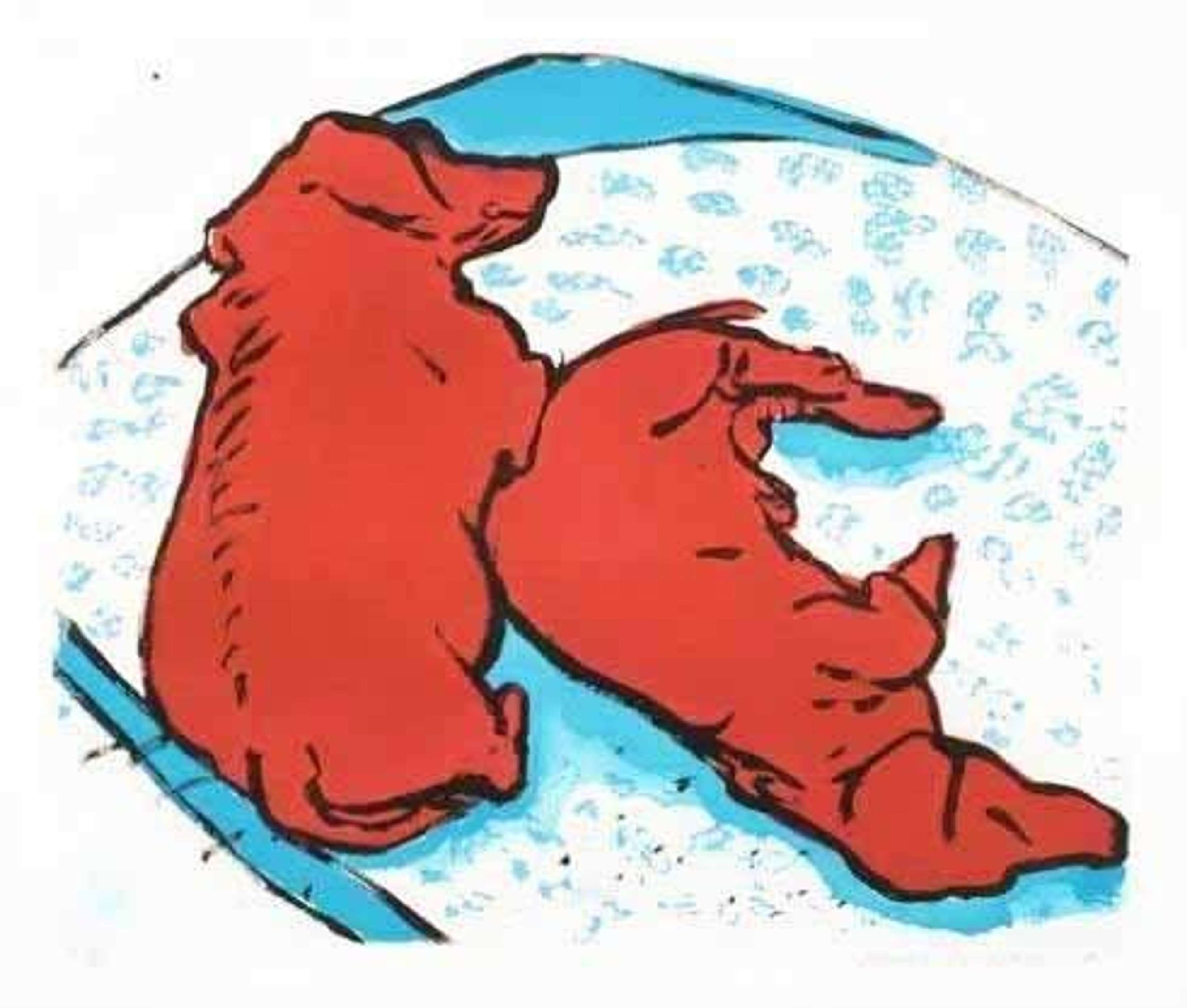
 Stanley And Boodgie, Horizontal Dogs David Hockney Signed Print | 23 Jun 2026 | Bonhams New Bond Street | £34,000 | £40,000 | £50,000 |
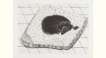 Dog Etching No. 4 David Hockney Signed Print | 23 Jun 2026 | Bonhams New Bond Street | £22,100 | £26,000 | £35,000 |
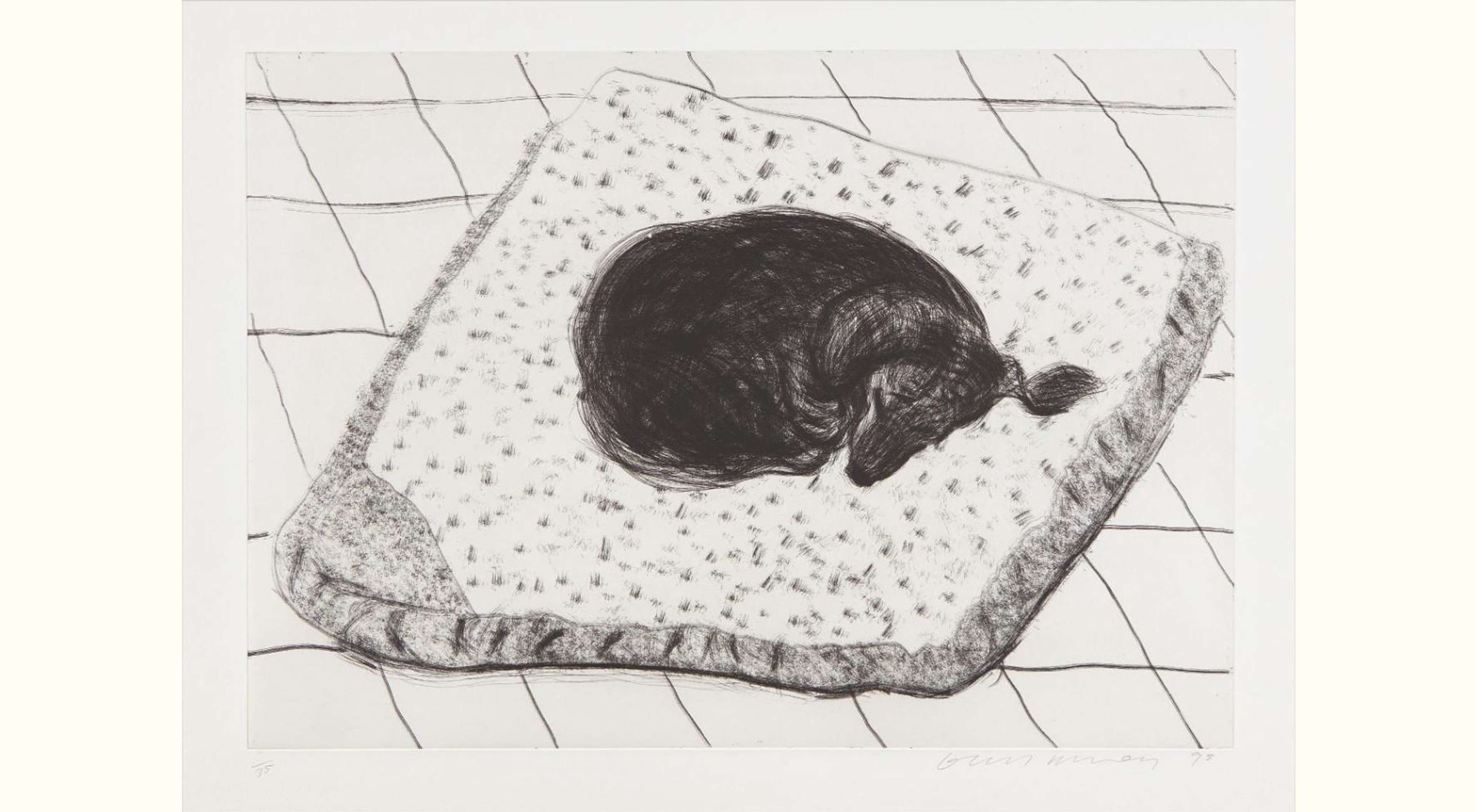
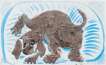 Stanley In A Basket David Hockney Signed Print | 9 Sept 2025 | Brunk Auctions | £5,525 | £6,500 | £7,500 |
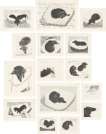 Dog Wall (complete set) David Hockney Signed Print | 22 Oct 2024 | Sotheby's New York | £136,000 | £160,000 | £200,000 |
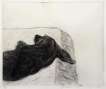 Dog Etching No. 13 David Hockney Signed Print | 27 Sept 2023 | Christie's London | £12,750 | £15,000 | £20,000 |
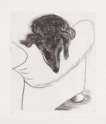 Dog Etching No. 10 David Hockney Signed Print | 19 Jul 2023 | Christie's New York | £19,550 | £23,000 | £30,000 |
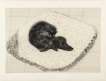 Dog Etching No. 12 David Hockney Signed Print | 18 Jan 2023 | Phillips London | £195,500 | £230,000 | £330,000 |
Sell Your Art
with Us
with Us
Join Our Network of Collectors. Buy, Sell and Track Demand
Meaning & Analysis
Beginning around 1980, Hockney’s Dogs series documents the ongoing affection and tenderness with which he studies his furry companions. What began as a casual drawing exercise soon became a collection of tender portraits that are now an important part of his oeuvre.
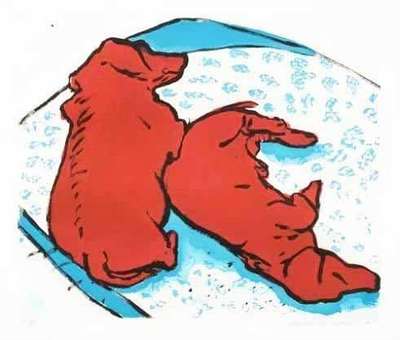
In 1995 Hockney took this practice one step further and began painting his dogs, in reaction to the grief he felt over the death of Henry Geldzahler and many other close friends he lost to the AIDS crisis of the preceding years. Speaking of this turn in his work Hockey said, “I wanted desperately to paint something loving. … I felt such a loss of love I wanted to deal with it in some way. I realized I was painting my best friends, Stanley and Boodgie. They sleep with me; I’m always with them here. They don’t go anywhere without me and only occasionally do I leave them. They’re like little people to me. The subject wasn’t dogs but my love of the little creatures.” At this time Hockney also began experimenting with etching and using aquatint to create multiples of his dog paintings which culminated in pieces such as Horizontal Dogs.
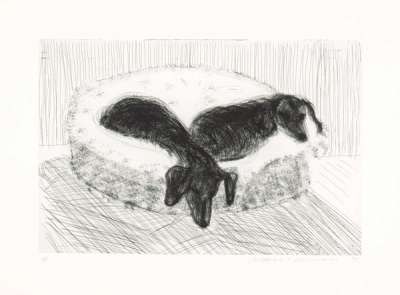
In 1998 Hockney set up a dedicated print studio in his Hollywood Hills home. Here, he collaborated with his friend Maurice Payne, who would prepare the plates for Hockney to draw directly onto in order to recreate the spontaneity of his original dog drawings. The prints from this collection tend to show Hockney’s beloved dachshunds, Stanley and Boodgie, on a cushion that also works as a framing device for the composition. They are often shown asleep (the only time when Hockney could get them to sit still for a portrait) and are rendered in soft cross hatched marks that convey their wiry fur and classic dachshund form. Rendered in monochrome they represent a subtle counterpoint to the vibrancy of the earlier painting series. These works are collected, along with earlier paintings and drawings, in the book David Hockney’s Dog Days which was published in 1998.