A Rake’s Progress
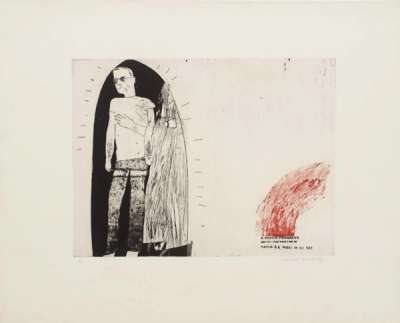
David Hockney’s take on Hogarth’s celebrated series of prints represents a masterpiece of the artist’s early career. Reproduced in colourful scenes with richly depicted characters and interiors, the prints have all the drama of a soap opera, resulting in a car crash like quality that is hard to turn away from.
David Hockney A Rake’s Progress For sale
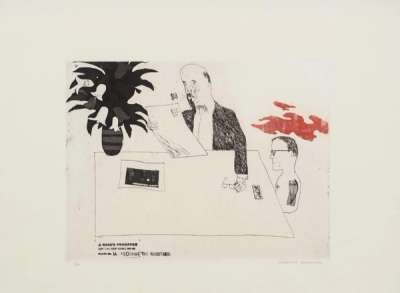
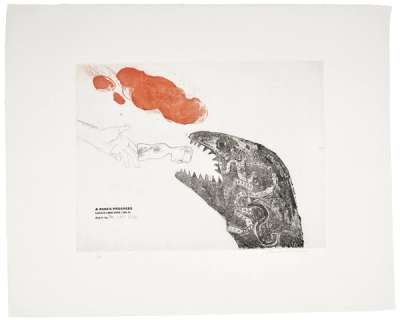
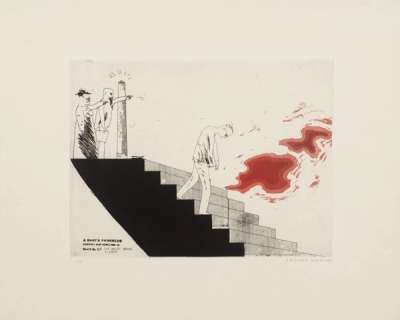
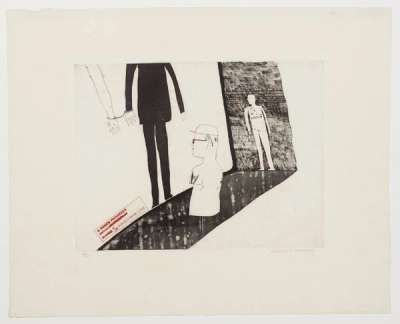
A Rake’s Progress Value (5 Years)
Works from the A Rake’s Progress series by David Hockney have a strong market value presence, with 27 auction appearances. Top performing works have achieved standout auction results, with peak hammer prices of £345620. Over the past 12 months, average values across the series have ranged from £1876 to £1876. The series shows an average annual growth rate of 0.94%.
A Rake’s Progress Market value
Auction Results
| Artwork | Auction Date | Auction House | Return to Seller | Hammer Price | Buyer Paid |
|---|---|---|---|---|---|
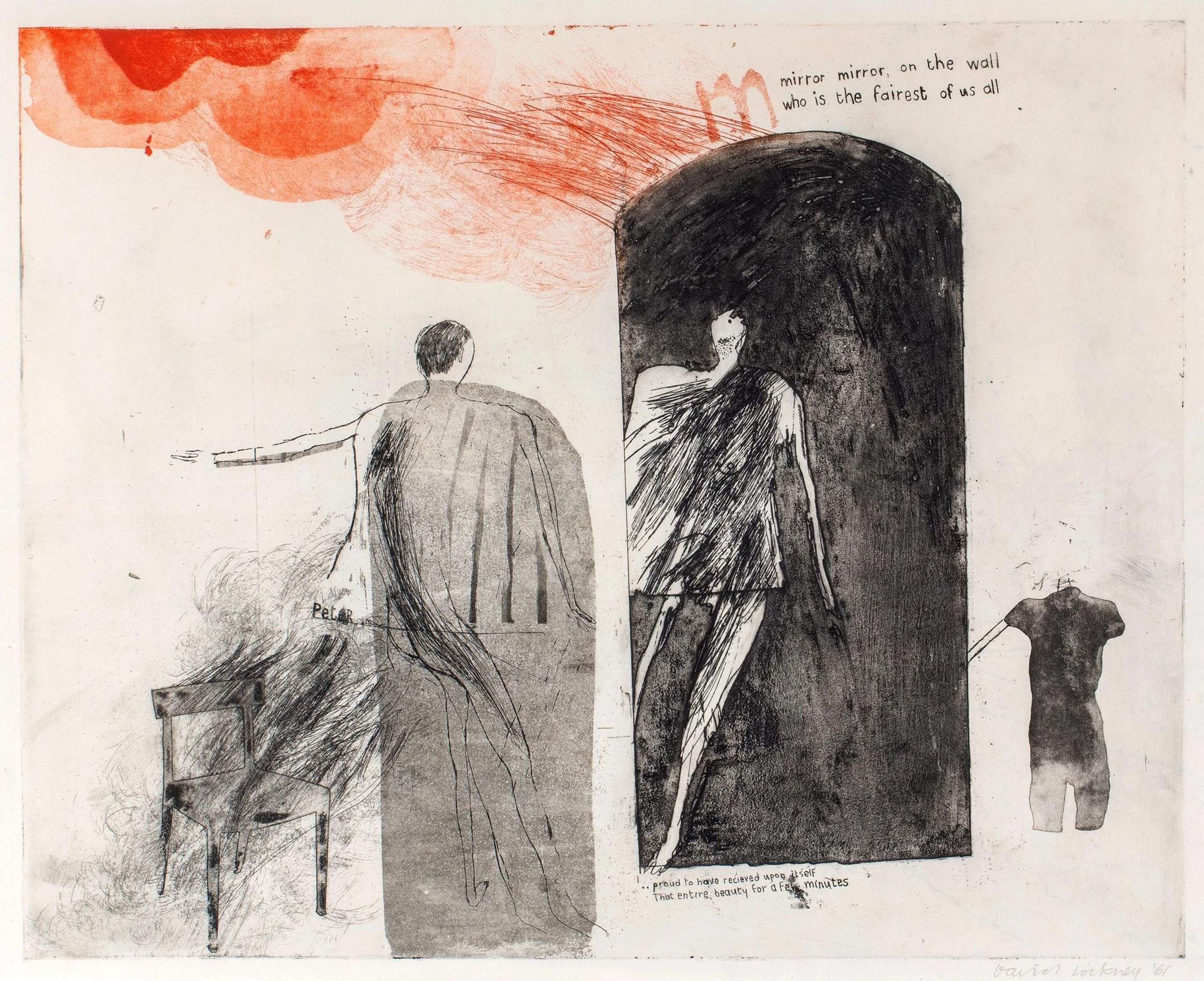
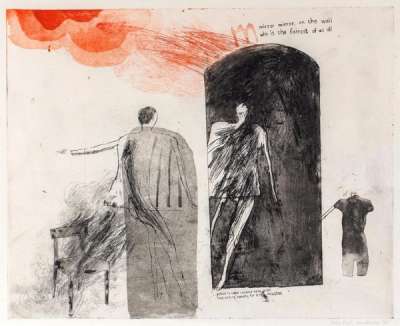
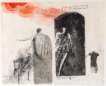 Mirror, Mirror On The Wall David Hockney Signed Print | 23 Oct 2025 | Sotheby's New York | £1,488 | £1,750 | £2,400 |
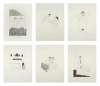
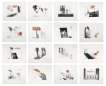 A Rake's Progress (complete set) David Hockney Signed Print | 19 Sept 2024 | Phillips London | £161,500 | £190,000 | £250,000 |
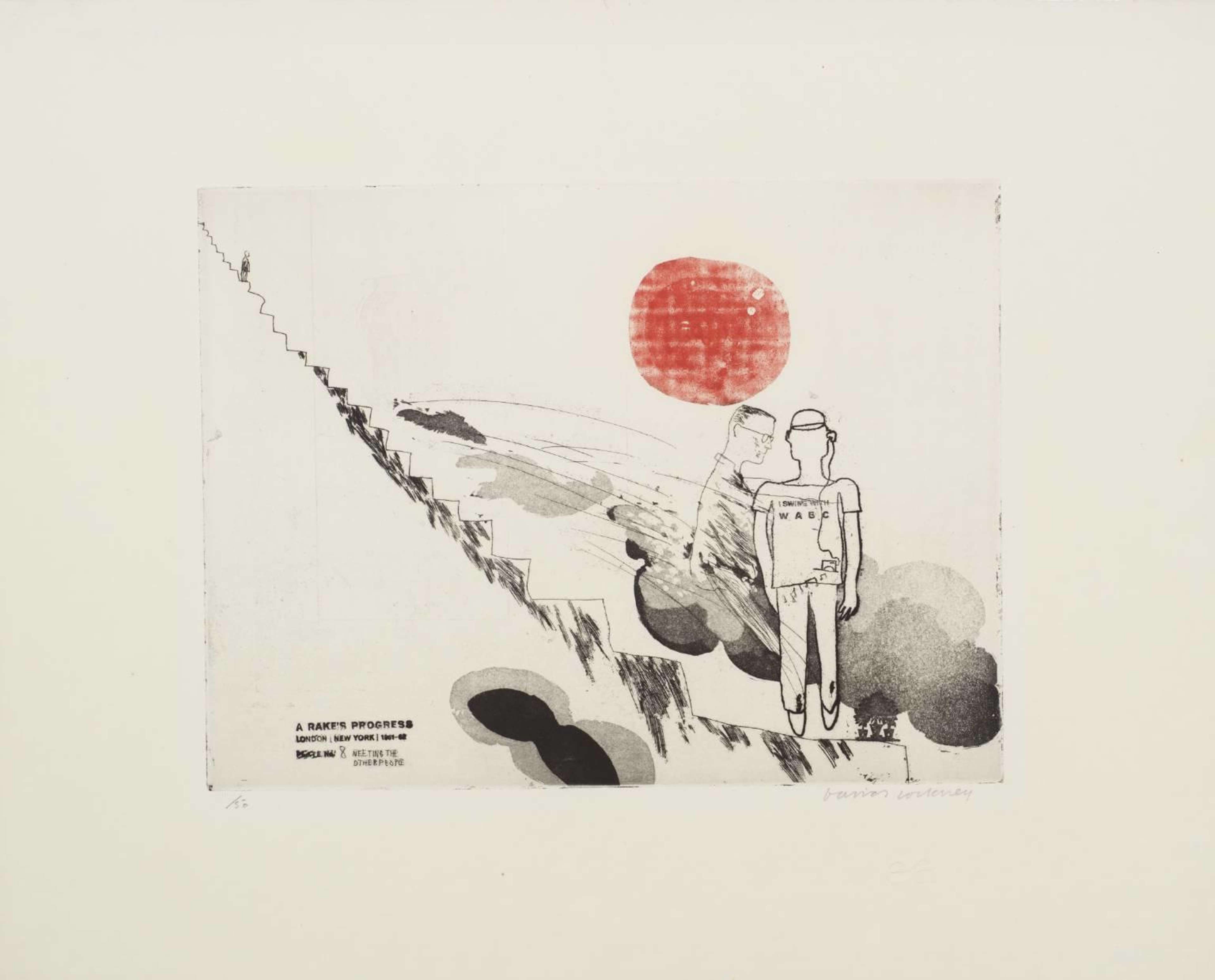
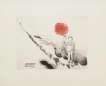 Meeting The Other People David Hockney Signed Print | 27 Jul 2023 | Mallet Japan | £4,675 | £5,500 | £6,500 |
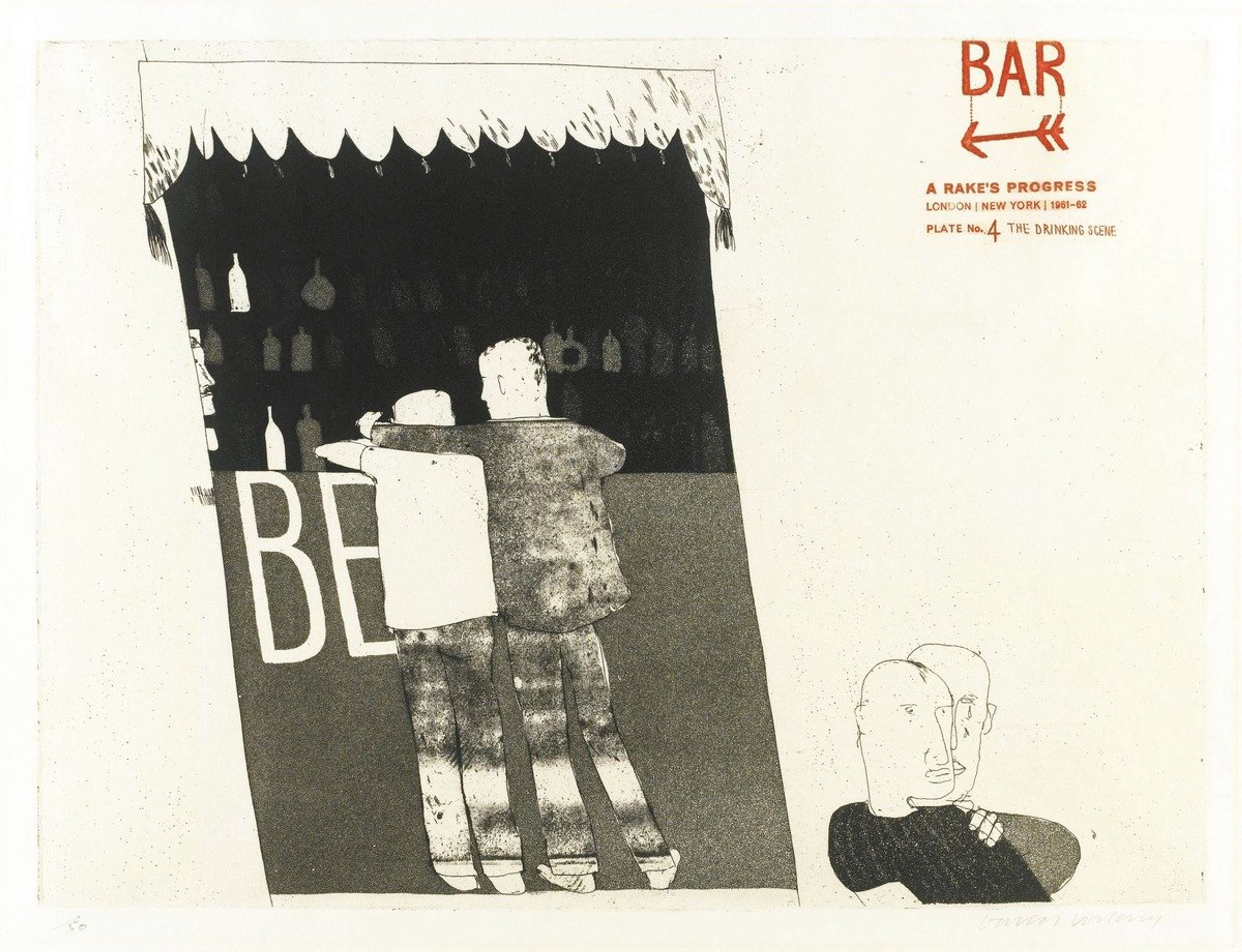
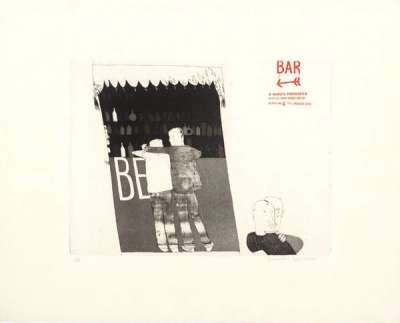
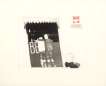 The Drinking Scene David Hockney Signed Print | 23 Jan 2019 | Phillips London | £4,675 | £5,500 | £7,500 |
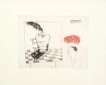 Disintegration David Hockney Signed Print | 18 Jan 2017 | Phillips London | £2,805 | £3,300 | £4,400 |
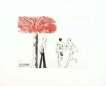 The Seven Stone Weakling David Hockney Signed Print | 15 Jul 2015 | Christie's New York | £3,060 | £3,600 | £4,800 |
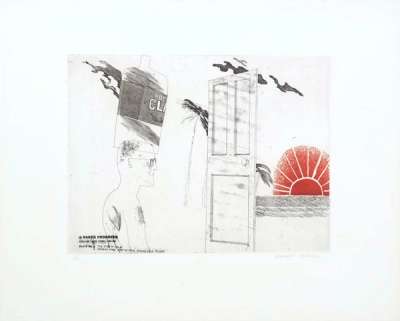
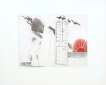 The Start Of A Spending Spree And The Door Opening For A Blonde David Hockney Signed Print | 19 Nov 2013 | Bonhams New Bond Street | £2,975 | £3,500 | £4,200 |
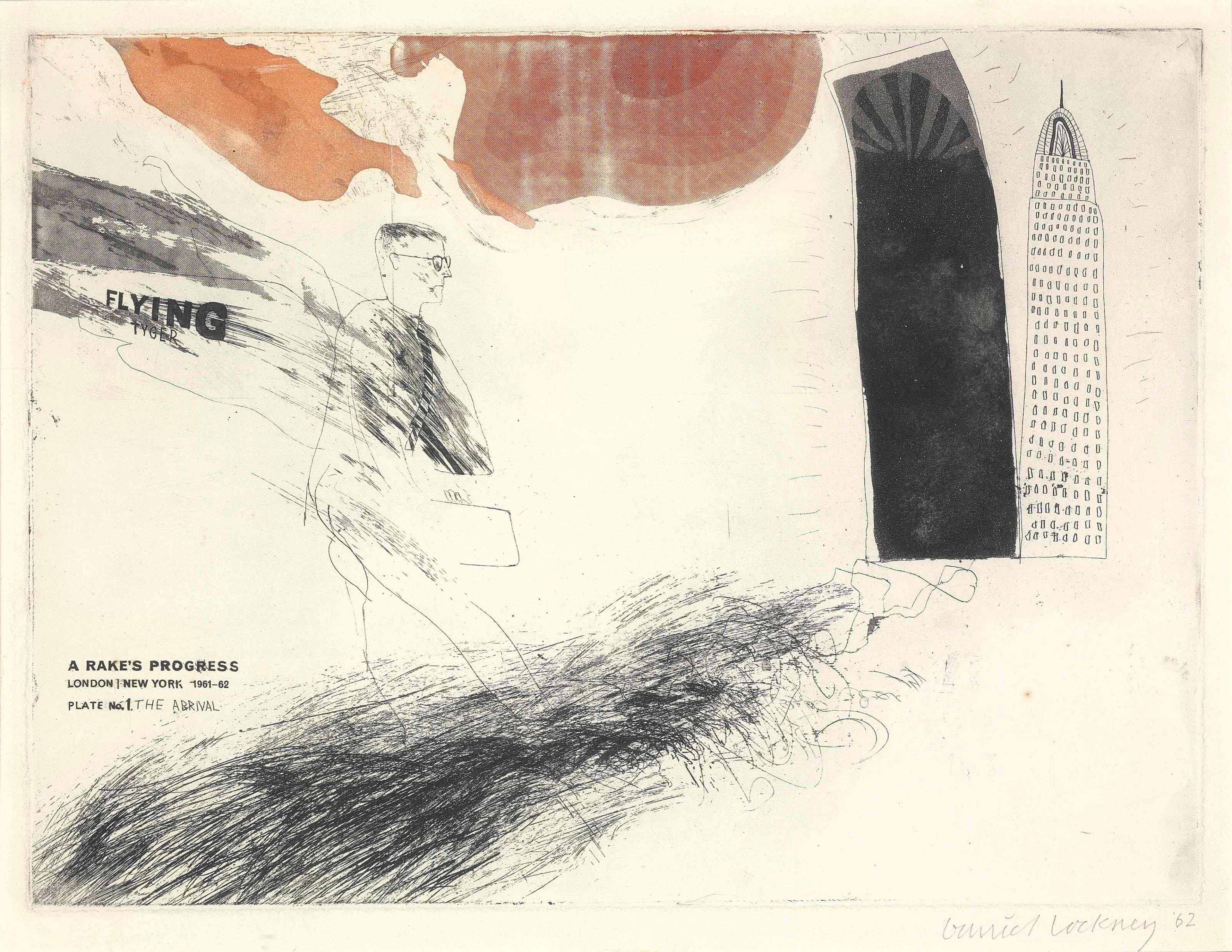
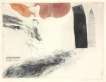 The Arrival David Hockney Signed Print | 19 Sept 2012 | Christie's London | £1,998 | £2,350 | £3,150 |
Sell Your Art
with Us
with Us
Join Our Network of Collectors. Buy, Sell and Track Demand
Meaning & Analysis
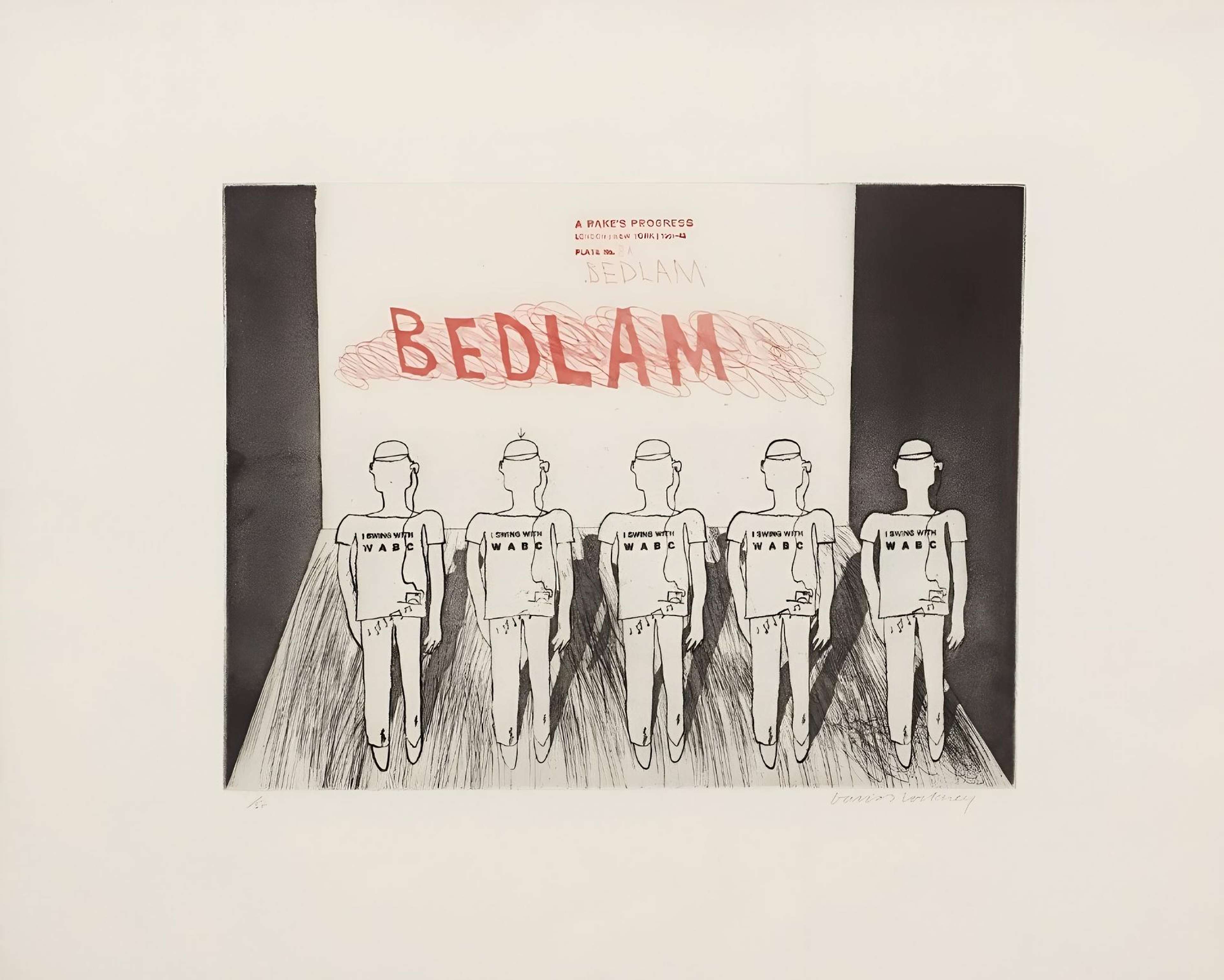
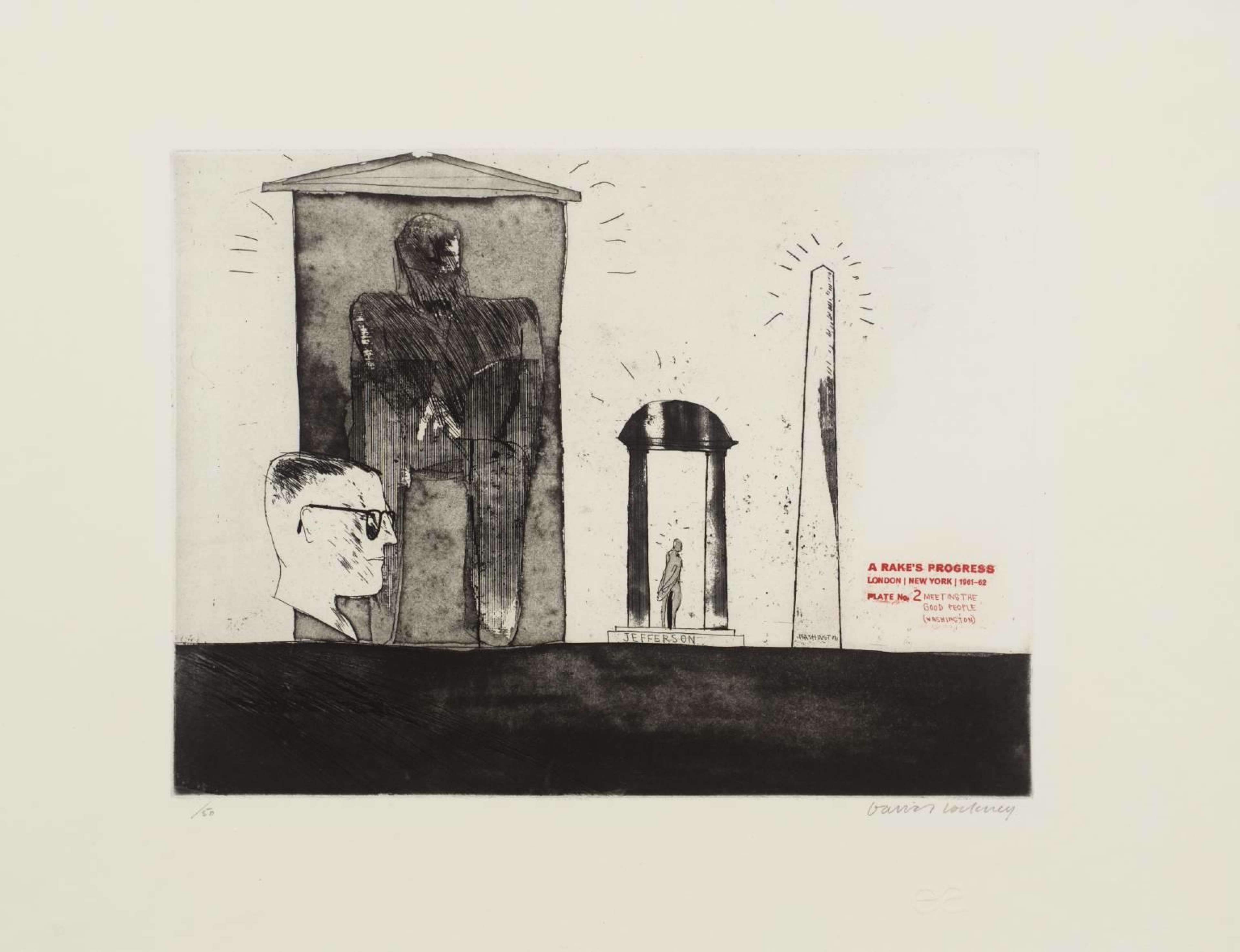
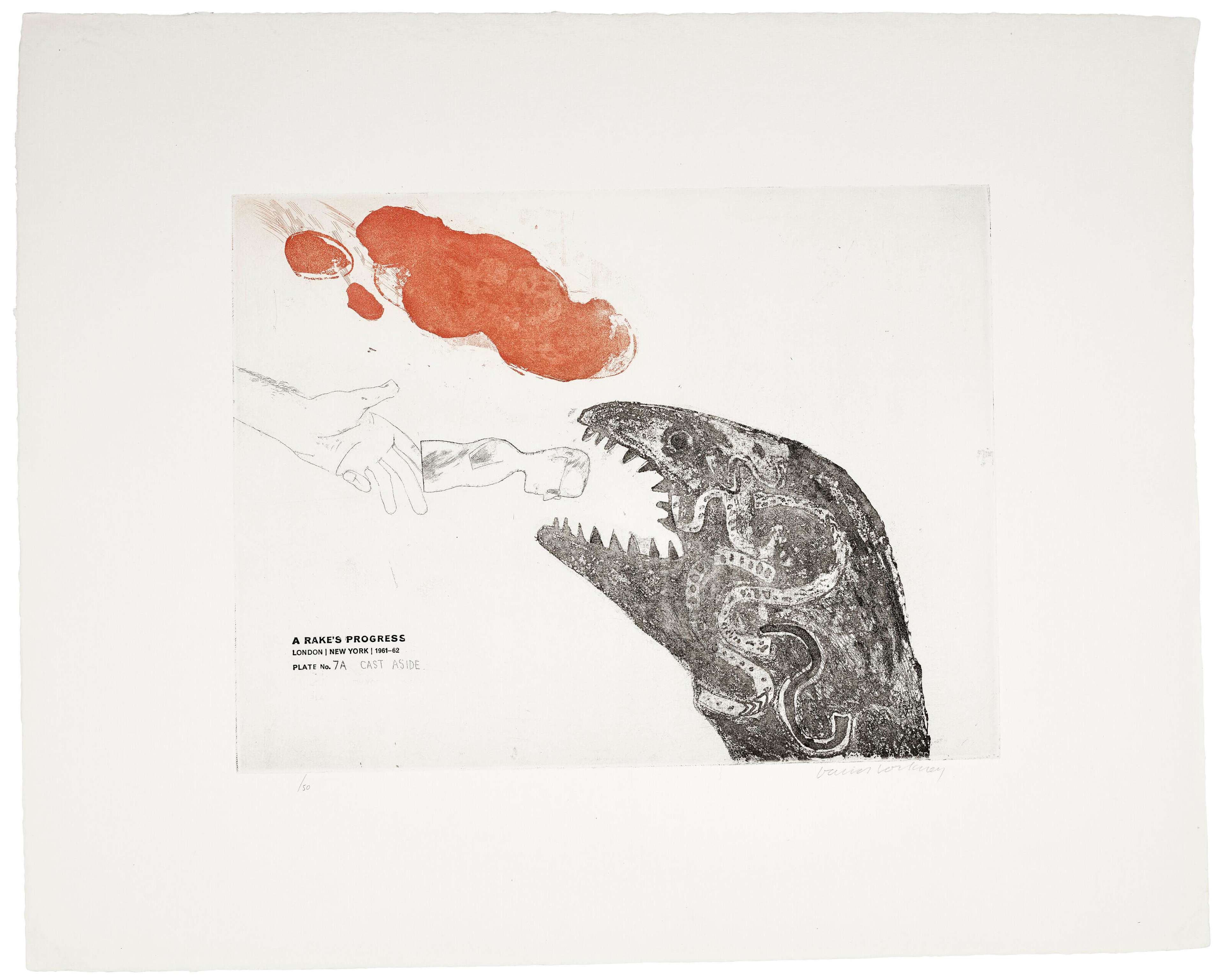
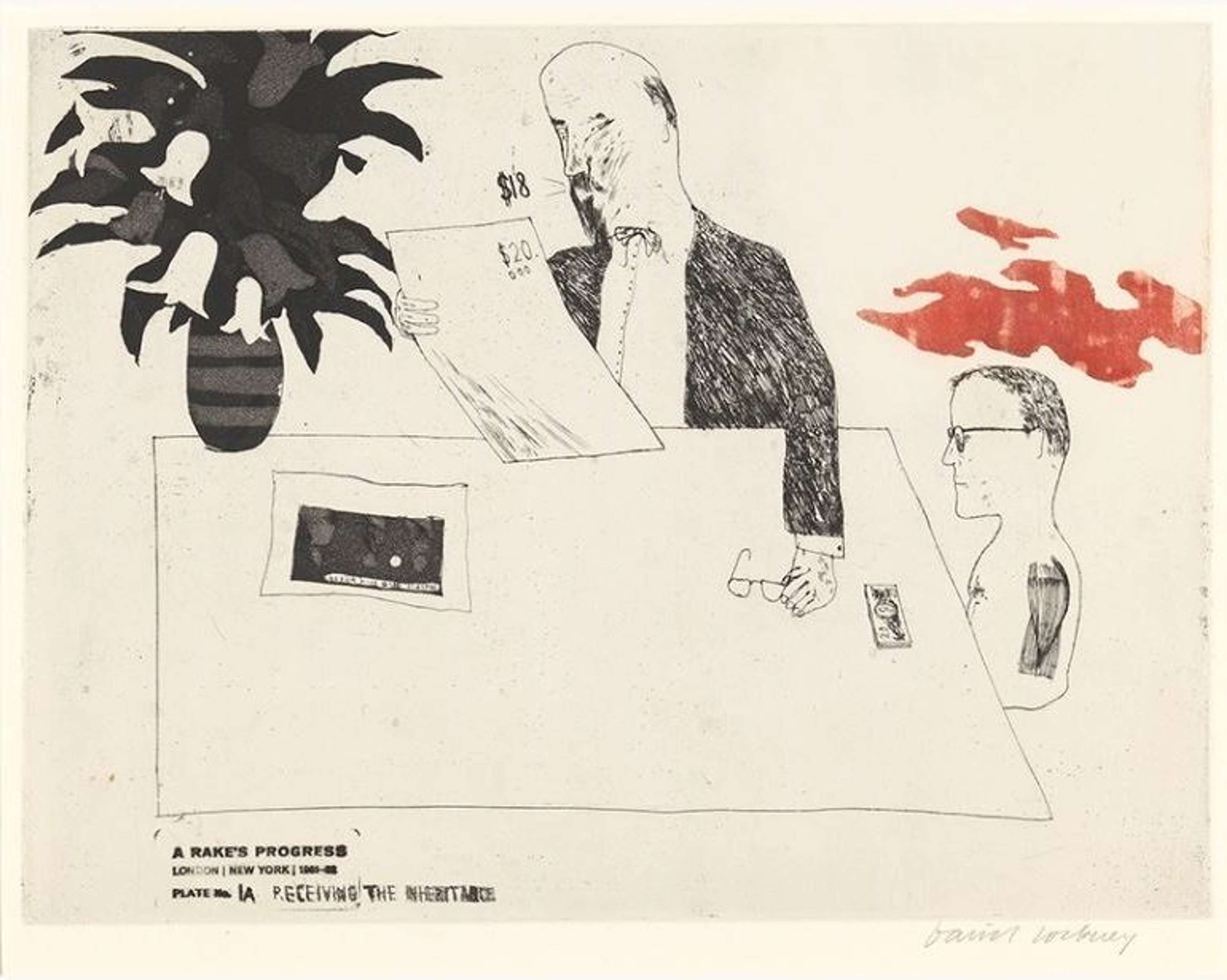
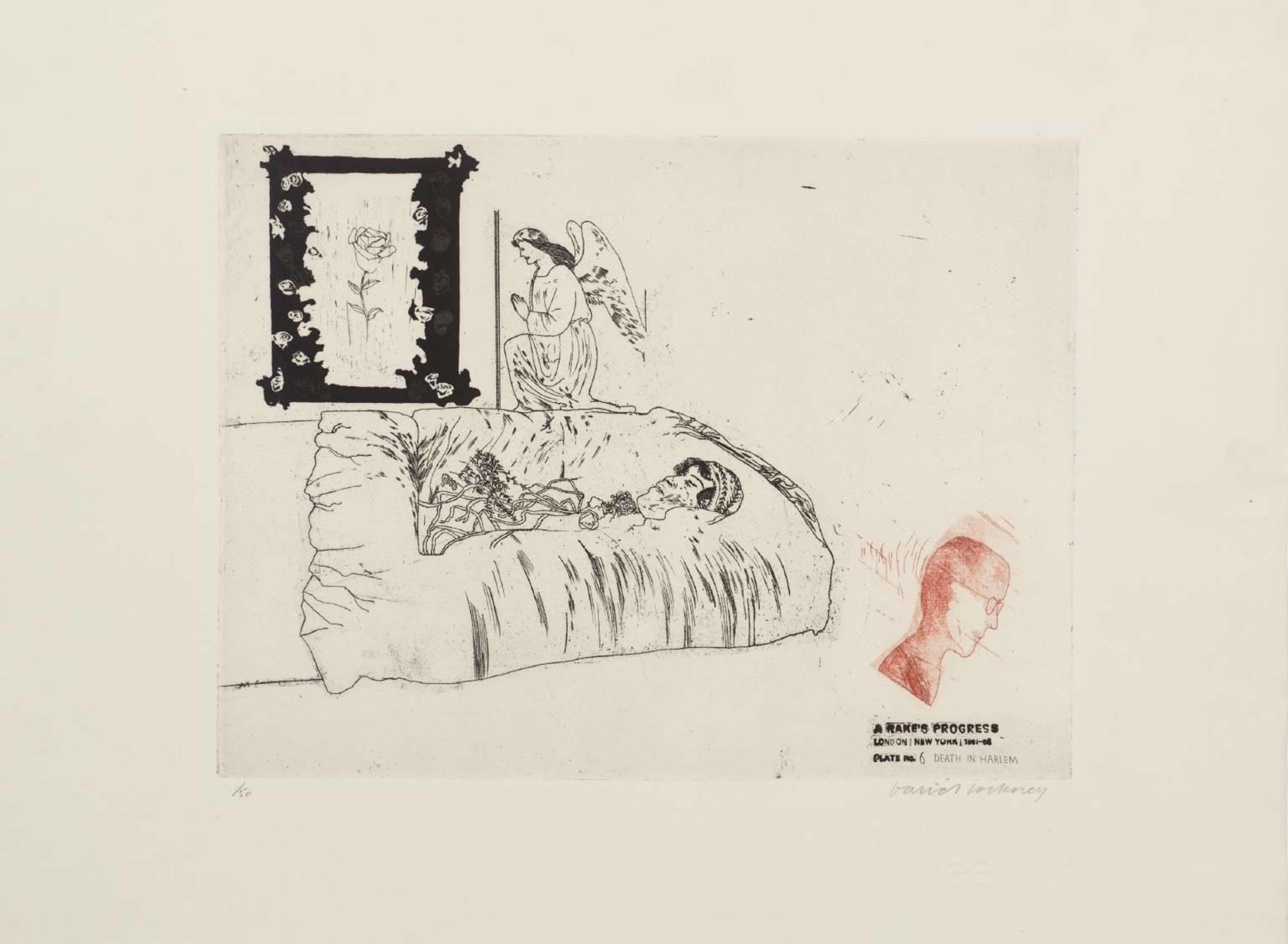
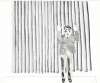
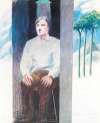
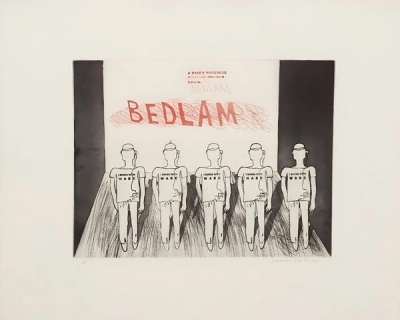
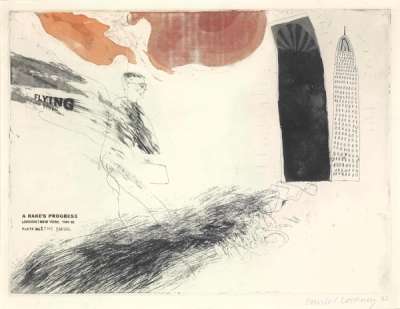
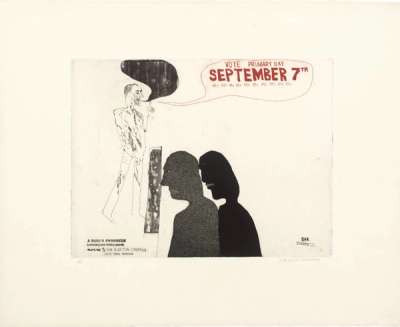
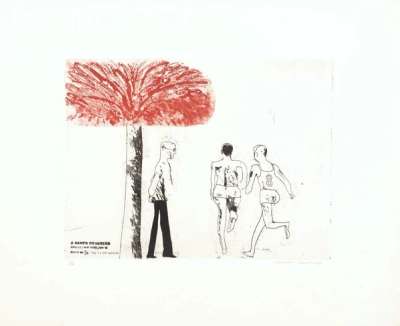
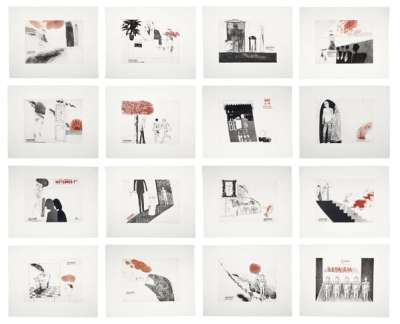
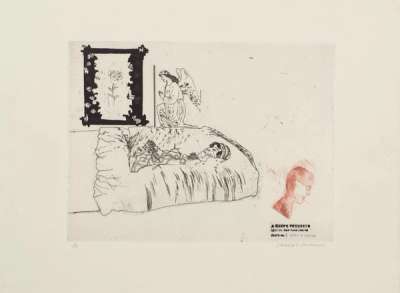
A take on Hogarth’s famed series, Hockney’s 16 etchings, A Rake’s Progress, is loved for their experimental take on composition and storytelling. Produced in 1963 A Rake's Progress comprises sixteen etchings that took two years to complete. Published in an edition of 50 by Alecto they were immediately popular with critics for their experimentation with form and composition and confirmed Hockney as an artist of note.
Hogarth’s 1733 series mocked the life of a ‘rake’ who squanders his inherited wealth in gambling dens and brothels before marrying an heiress and eventually ending up in Bedlam. Reproduced in colourful scenes with richly depicted characters and interiors, the prints have all the drama of a soap opera, resulting in a car crash like quality that is hard to turn away from. Hockney’s version of this morality tale is somewhat lighter in subject, depicting the artist’s first trip to New York, and yet it is not without its own darkness.
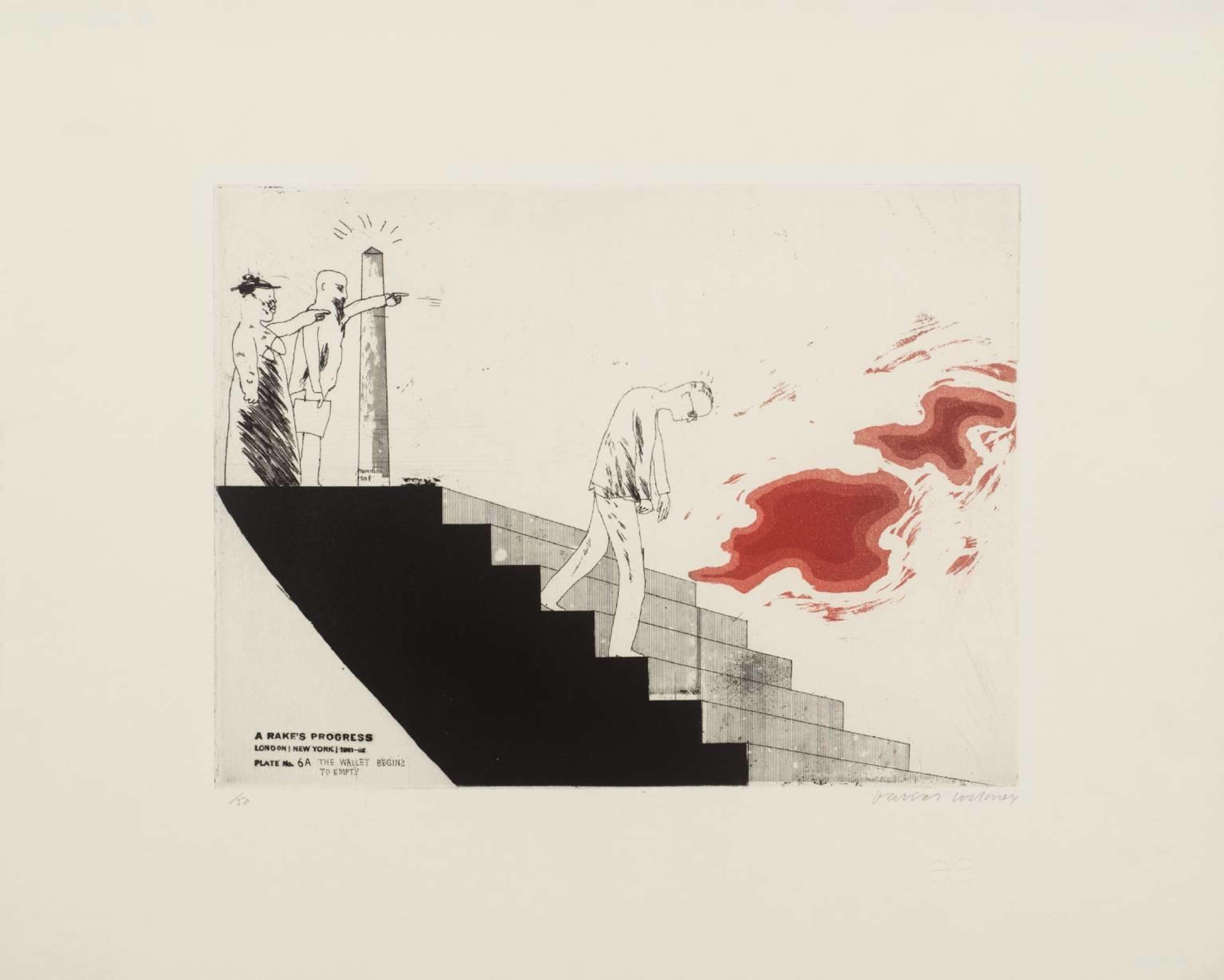
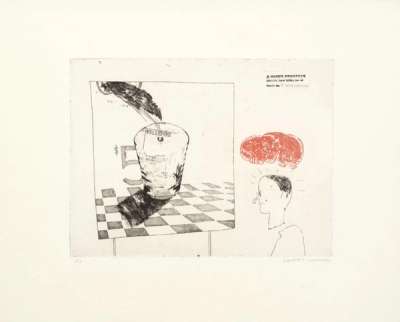
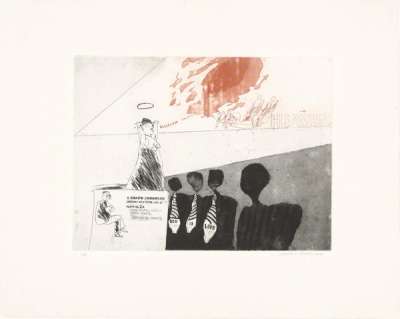
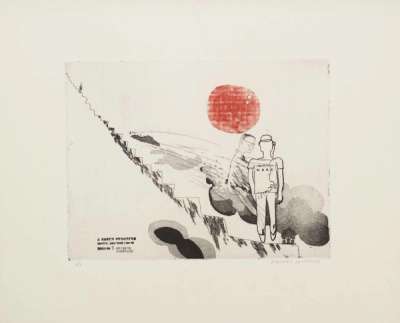
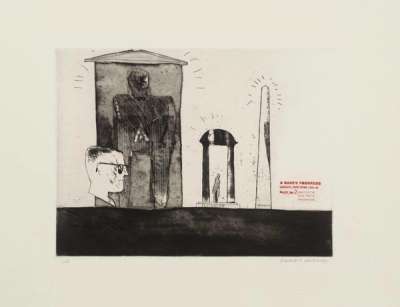
Where Hogarth’s scenes are packed with detail and realism, here Hockney subverts tradition by offering simple pared back compositions that show a figure that couldn't be any further removed from the young heir of Hogarth's series. While ornament and detail are kept to a minimum Hockney does inject colour into his version, with bold plumes of red adding impact to works such as The Arrival and The Wallet Begins to Empty. Elsewhere the artist’s use of red pulls the viewer’s eye into the scene through text – as in the speech bubble of The Election Campaign – and the sign for the bar in The Drinking Scene.
Hockney began working with etching while at the Royal College of Art and this series, drawn directly onto the plate, shows his growing confidence with the medium. As with paintings such as Domestic Scene from the same year, many of the prints in A Rake’s Progress show Hockney boldly deciding to leave the background empty, choosing to put his subject into an unsettling non place populated only by a handful of objects and signs.
10 Facts About David Hockney’s A Rake’s Progress