In nearly twenty years in this market, I have sat across from a great many sellers. The ones who do well rarely share a strategy, a budget or even a taste. What they share is that they knew their number long before they needed it. They had followed their artist's results, noticed when a work like theirs sold well and when it didn't, and had a realistic sense of where they stood. When they came to sell, they weren't asking what the print was worth. They were deciding whether this was the moment.
Most people come to it the other way round. Something prompts the sale: a move, a divorce, a tax bill, a feeling that the market has peaked because someone at dinner said so. Only then do they ask what the work is worth. Their circumstances set the timetable, and the market sets the price on whatever day they happen to arrive. Sometimes that works out. Often it doesn't, and the difference can be considerable.
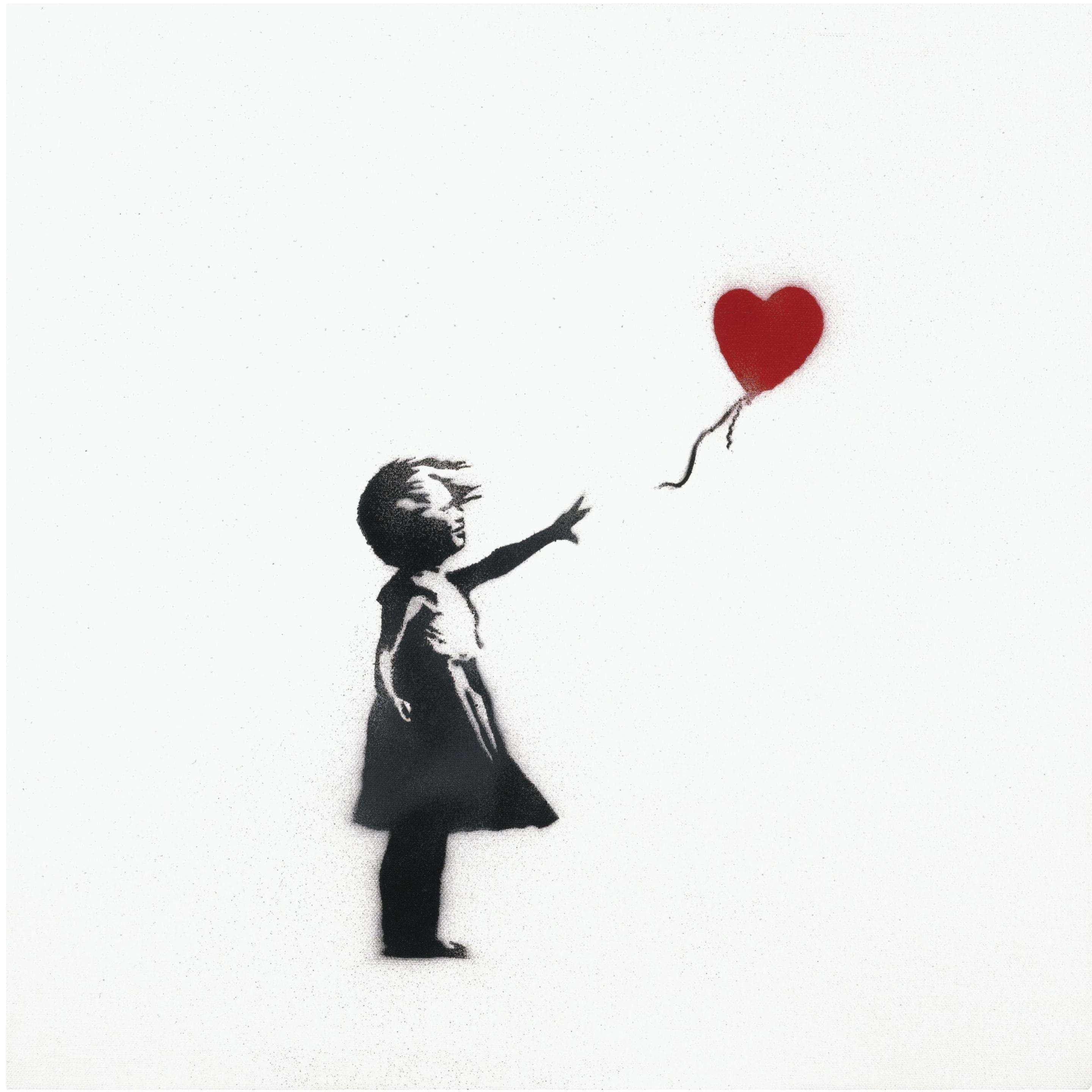
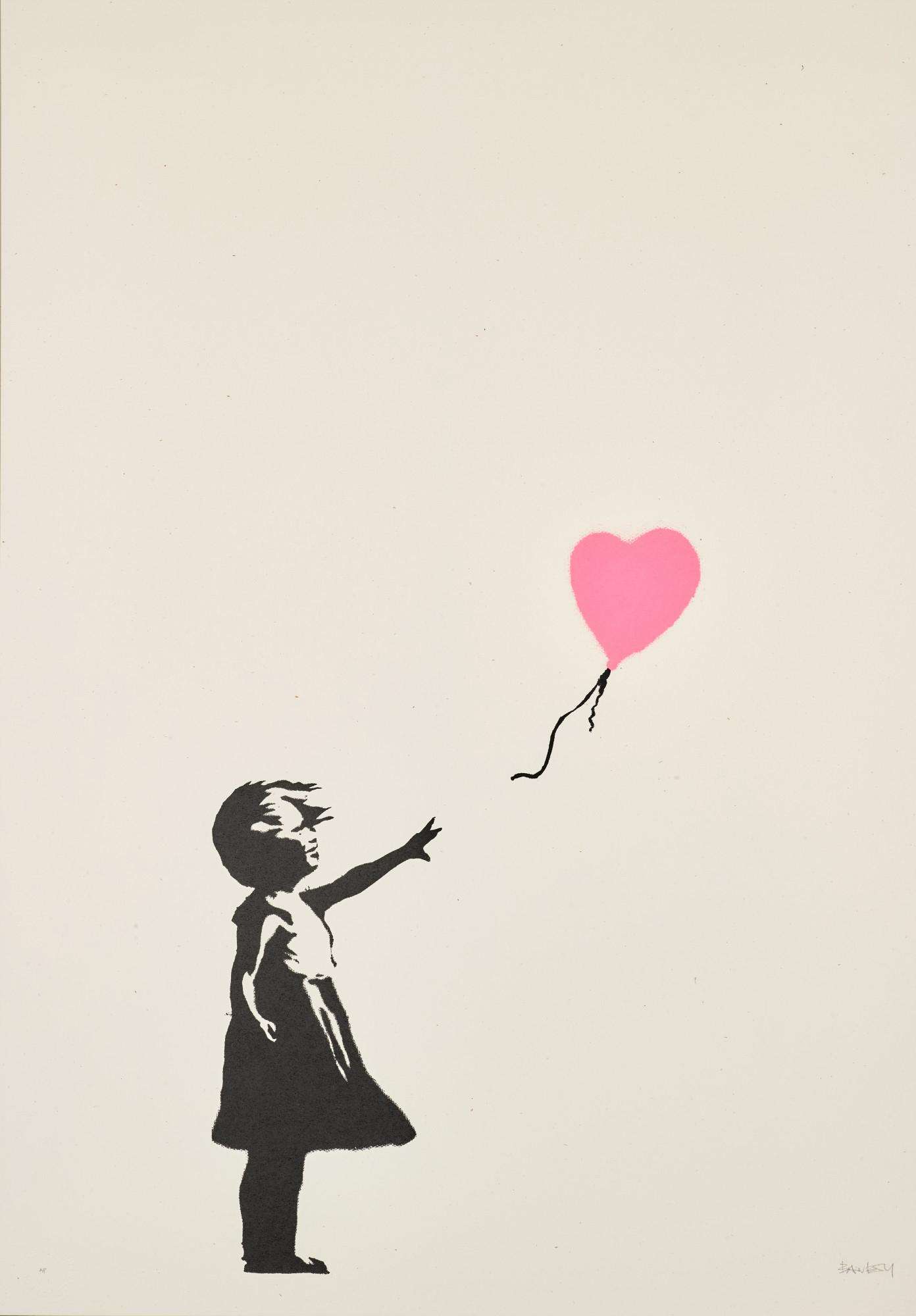
The clearest illustration I know is Banksy's Girl With Balloon. The unsigned screen print, from an edition of 600, has been one of the most traded prints of the past decade, which makes it unusually good evidence. Same image, same edition, many sales. The only real variable is when each owner chose to sell.
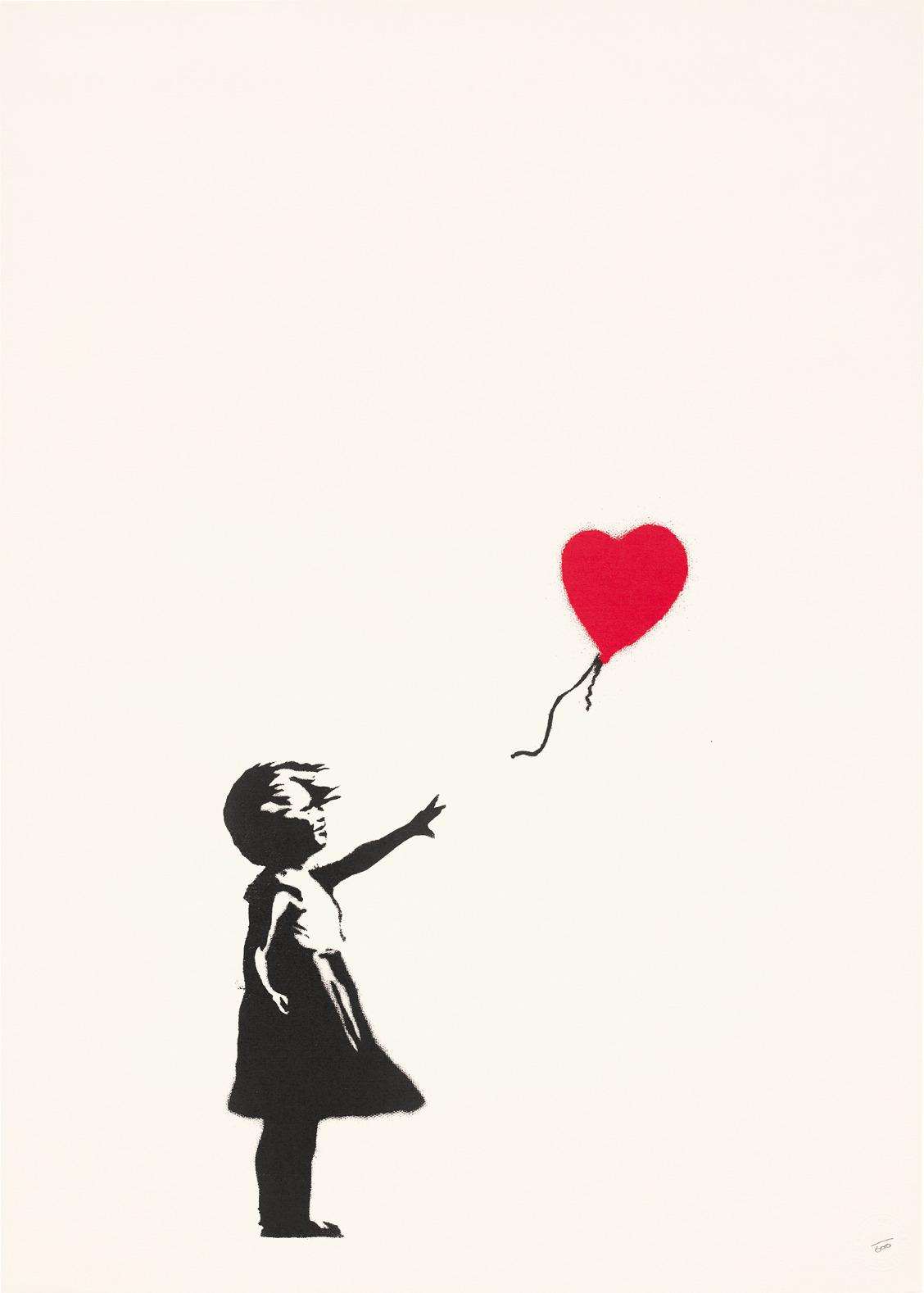
In 2019, the median hammer price for the copies sold at auction was £40,000. In 2020 it was £158,722. I would read that leap as the combination of the attention that followed the shredding at Sotheby's in October 2018 and the appetite for prints during lockdown, but whatever the cause, the market moved fast. It then turned. The median was £120,000 across 23 sales in 2021, £90,000 in 2022, £65,000 in 2023 and £59,070 in 2024. This year, six copies have sold at auction, at a median of £65,000.
The most instructive part sits inside 2021. In the first three months of that year, six copies sold at a median of £180,000, the highest at £262,422. By the summer, the four copies that sold made between £85,000 and £100,000. The same print, in the same year, at roughly half the price within a matter of months. The signed edition followed a similar path at a higher altitude: two copies sold in 2021 at around £374,000 each; the two that sold in 2023 made £150,000 and £167,364.
This is not a story about Banksy, and it isn't a warning about booms. Markets move, and prints are no exception. The lesson is about who saw it happening. A collector watching results through late 2020 and early 2021 would have seen prices for her print that she had never seen before, and had the chance to decide what to do about it. A collector who only looked once circumstances forced the question, that summer, found the moment had already passed. Neither did anything wrong. One simply had the information early enough to use it.
Watching does not mean checking prices daily, or treating a collection as a portfolio. In practice it comes down to three things. The first is knowing a realistic figure for what you own, net of fees, rather than the headline result you half-remember from a press report. The second is knowing your comparables: the recent sales of your edition specifically, signed or unsigned, and how condition affected them. The third is noticing direction. A record price is one buyer on one night. Six sales at a similar level is a market, and when those sales start to soften, it is worth knowing before anyone tells you.
It works in the other direction too. Knowing your number tells you when not to sell. An owner of Girl With Balloon in 2023 with a clear sense of the level would know immediately whether an offer in front of them was fair or opportunistic. Holding is a decision as well, and it is a better one when it is made with the facts rather than by default.
This is why we built Instant Valuation. For most of the print market's history, finding out what your work was worth meant asking someone with a stake in the answer. Instant Valuation gives you a figure built on the same auction and private-sale data our specialists work from, with no conversation about selling attached. Check it once to know where you stand, then check it again when your artist's next results come in. The value of any single number is limited. What matters is knowing how it moves.
The collectors who sell well are rarely the ones who timed the market perfectly. They are the ones who were paying attention when it mattered, so that when the time came, they could act on their own judgement rather than their circumstances.
Figures are open-auction hammer prices, excluding buyer's premium, for lots confirmed as these editions in MyArtBroker's auction database, as of 25/11/2026. Medians are across copies sold in each period; MyArtBroker private sales are excluded.