
What the headlines often miss is that the art market has weathered change before. And in those moments, the print market has often been at the forefront – driving adaptation in strong and defining ways.
The pandemic was one of the clearest examples. In 2020, Sotheby’s converted a live sale of Prints & Multiples to online at the last minute. It totalled $3.4 million – then the highest online result for prints – and became a turning point for the entire category. That same year, Banksy’s print market erupted. Together, these events brought new buyers in and made prints more visible than ever.
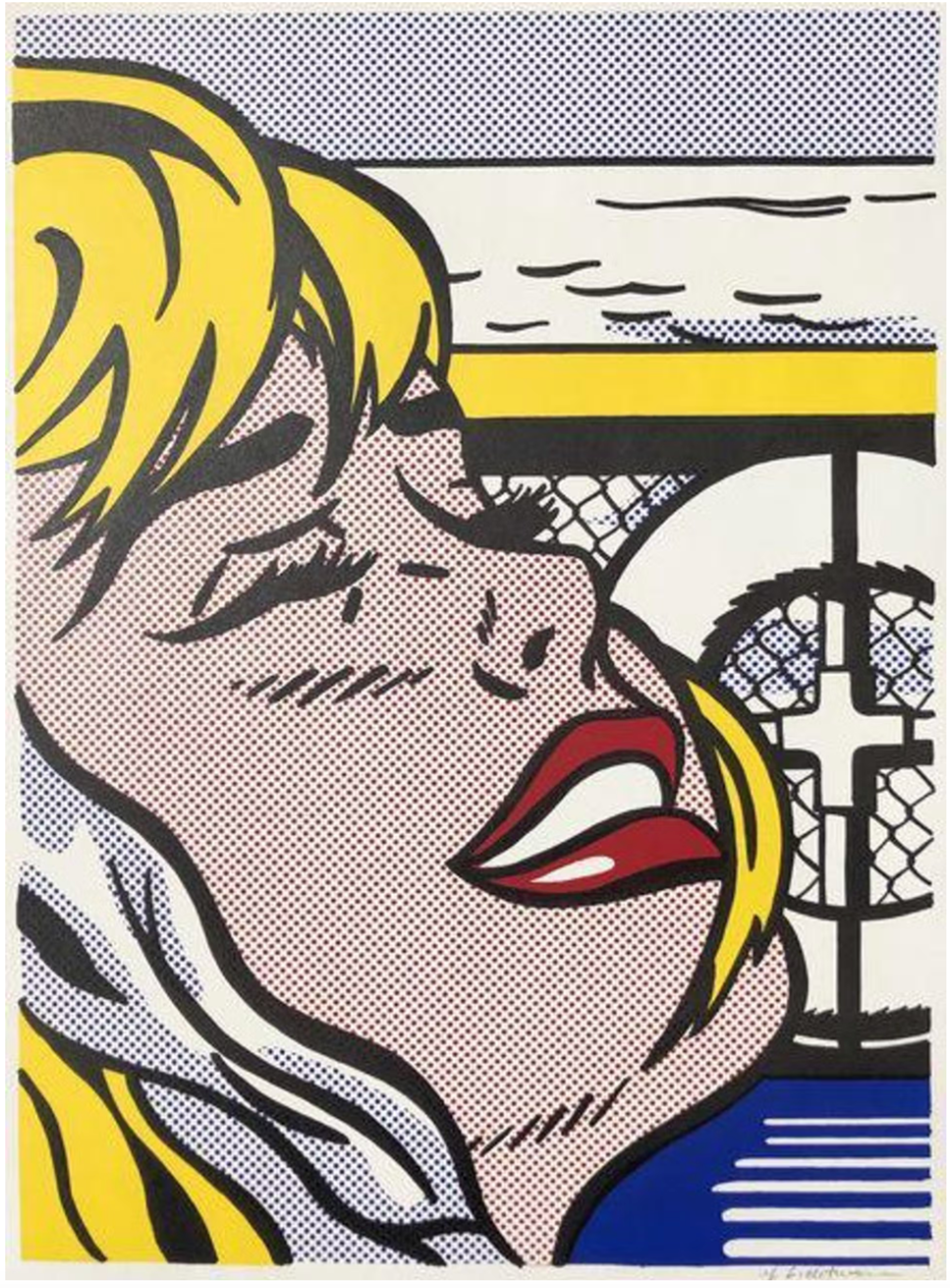
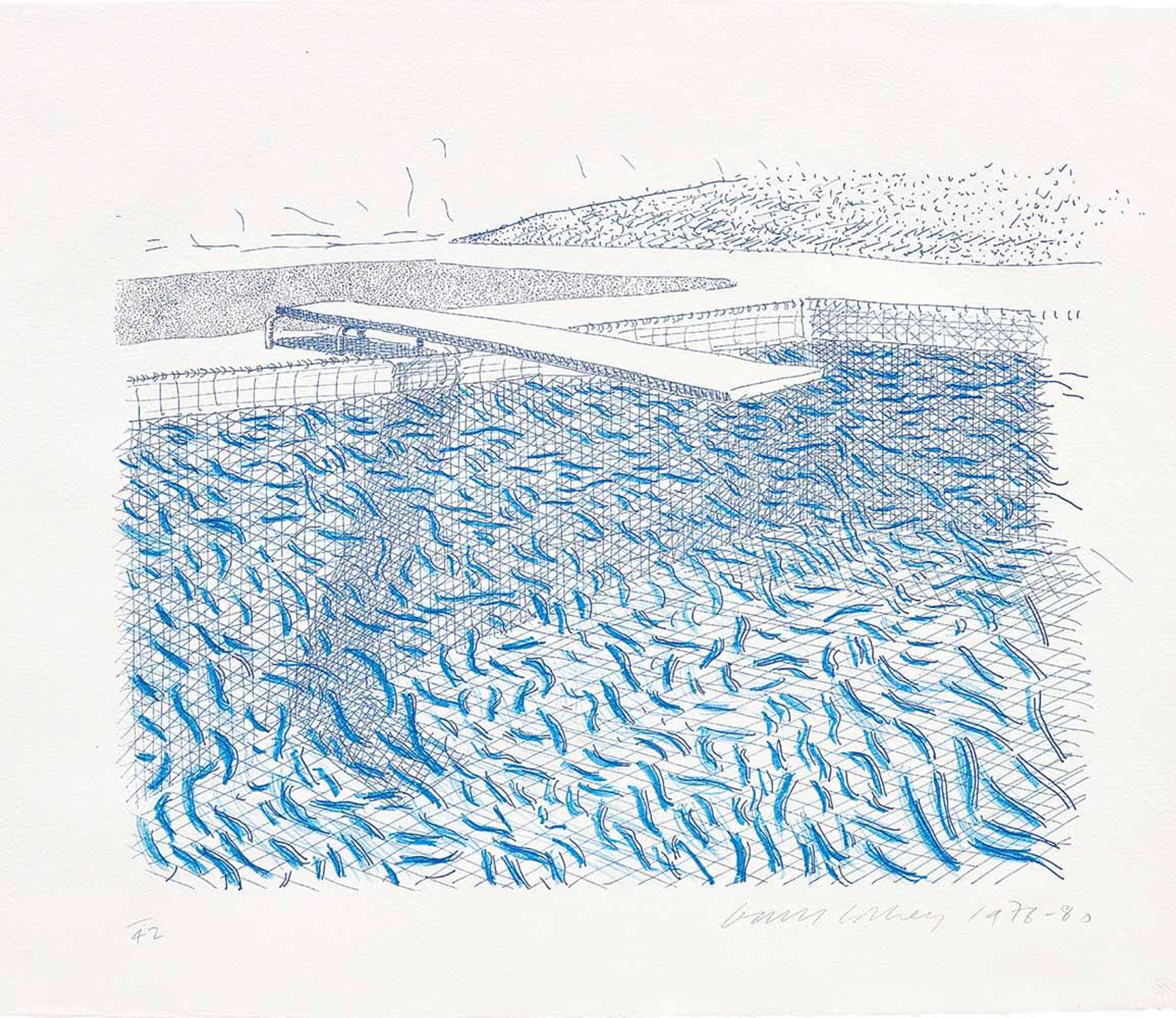
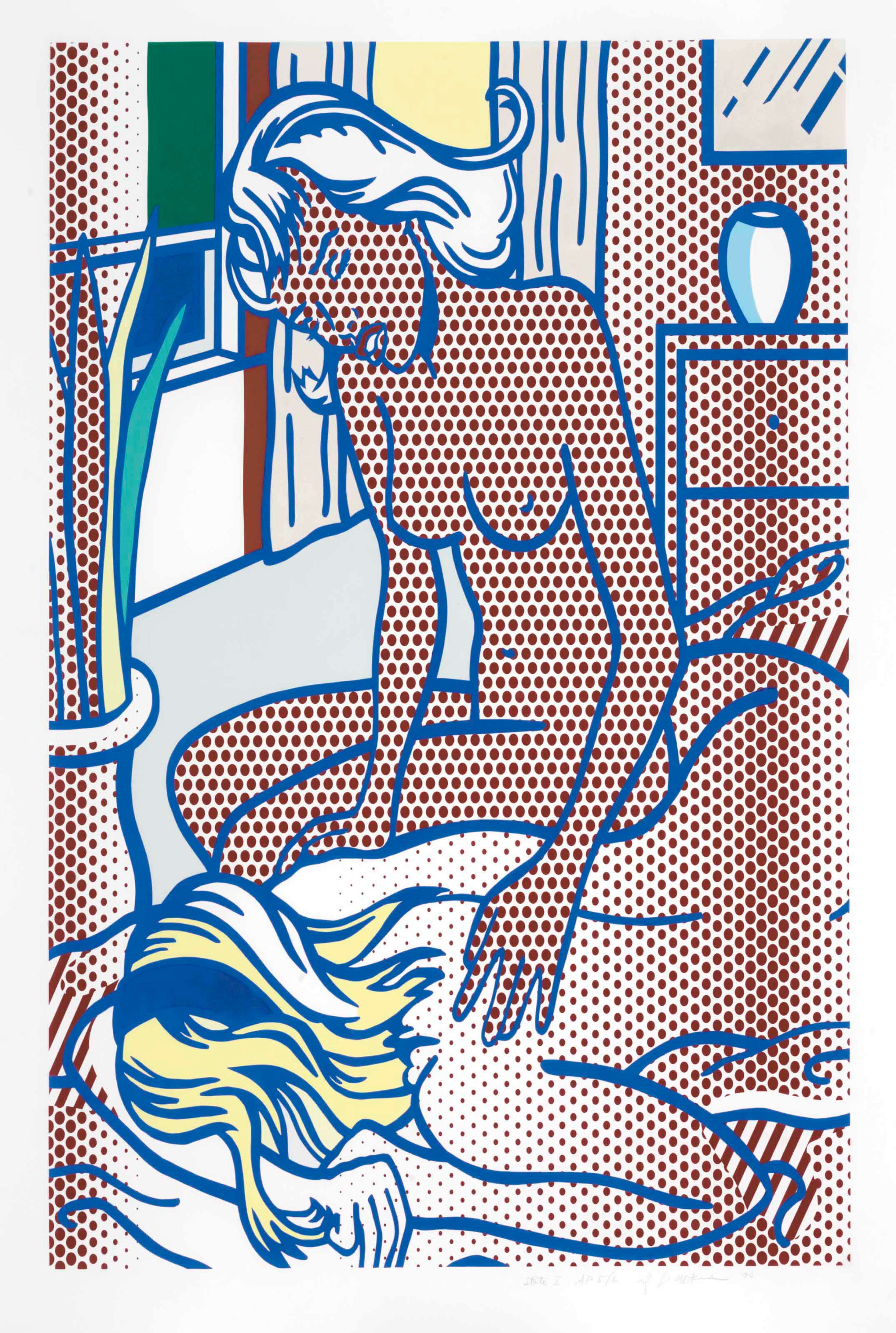
By 2023, when the wider art market contracted for the first time in a decade, prints again held strong – driven by blue chip names. Christie’s staged a record-breaking sale, Hockney posted a career-best year for his prints, Warhol’s trial proofs gained new attention, and Roy Lichtenstein’s late Nudes series emerged as a rising focus.
Again and again, when the market is tested, prints step forward. That resilience isn’t accidental – it’s the product of 15 years of structural change.
2010 Inflection Point, Collector Behaviour & MyArtBroker's 15-Year Anniversary
Back in 2010, when MyArtBroker was founded, the art market looked very different. Dealer networks, handshake deals, and opaque pricing still set the terms. But it was also the moment collectors first began to explore digital channels. Artnet was opening auction results, and platforms like Artsy and Paddle8 were testing transparency in real time.
It wasn’t a revolution overnight – it was gradual. But that gradual build mattered. By the time the pandemic arrived, digital platforms were already in place, ready to accelerate a permanent shift toward online marketplaces and transactions.
For prints, that shift was transformative. Transparent pricing, clear edition structures, and repeatability meant they were perfectly suited to thrive in a digital environment.
That’s exactly why this anniversary matters. MyArtBroker launched at the turning point, when collectors wanted transparency without losing expertise. They wanted the trust of a dealer, but the clarity and speed of digital. And in many ways, our story runs in parallel with the digital story of the art market itself – one that is still unfolding.
The issue back then, and still today, is transparency. Too many platforms still show only part of the picture. We went the other way. Our database tracks hammer prices, seller’s returns, and realised prices for public sales. And we layer in real-time valuations built from both public auctions and private sales. That gives collectors the full view of what’s really moving. You can explore how this works in practice through our Instant Valuation tool, which applies these data layers to deliver live fair-market ranges for blue chip prints.
2025 in Retrospect – The Art Market Through the Lens of Prints
Coming into 2025, the art market was already adjusting after two years of softening. Tariffs dominated early headlines. Donald Trump’s proposals created pause more than impact – but in a consignment-driven market, hesitation alone is enough to slow momentum.
More important has been the story of global expansion. If history tells us anything, it’s that the market grows when new regions enter. China’s boom in the early 2010s, Russia’s visibility in the early 2000s – both shifted the market before pulling back.
Now, the focus is on Paris and the Middle East. Paris has been building momentum for years, especially after Brexit, with auction houses, fairs, and galleries consolidating its position. The Middle East, meanwhile, is investing heavily in cultural infrastructure – fairs, museums, and now Art Basel Qatar. The lesson is clear: expansion fuels momentum, but sustaining it depends on matching cultural ambition with liquidity, confidence, and long-term wealth infrastructure.
At the same time, 2025 has been about infrastructure itself. Frieze secured private investment, Art Basel announced expansion into Qatar, and Beowolff Capital moved to acquire Artnet while signalling plans to take majority control of Artsy. Different moves, but the same direction: consolidation of control over the systems that govern the market. We explored these shifts in more depth in our May 2025 Market Newsletter, which highlighted how data, investment, and infrastructure are reshaping the art world’s foundations.
And this isn’t just about branding. Whoever controls the platforms controls the data. Sales results, collector profiles, bidding patterns, audience reach – in today’s market, data drives strategy, attracts investors, and determines influence.
That’s why prints fit so seamlessly into the moment. Multiples generate more transactions, deeper price histories, and richer comparables than almost any other category. Prints offer the volume, clarity, and cultural resonance that make them strategically important – not just to collectors, but to institutions navigating a more data-driven, digital-first environment.

Public Auctions vs. Private Sales – Where Momentum Lies
This year, momentum hasn’t sat with marquee evening sales. It’s been in day sales, editions, and increasingly the private market.
In prints, unsold doesn’t mean unwanted. Timing and venue matter. When editions appear too close together, bidding pools split. That’s when sellers turn to private channels – where scarcity can be managed, and competition rebuilt.
This balance between public and private sales has defined the year. At the top end, consignments are harder to secure. But across editions and day sales, demand has been fierce.
We’ve seen it in results:
- Lichtenstein’s personal collection prints drew strong competition in Sotheby's May’s day sales.
- Warhol’s Sunset trial proofs featured in the April sales and his Endangered Species editions set records at Phillips in June.
- Basquiat’s posthumous editions sold between £100,000 and £400,000.
- Hockney’s Arrival of Spring prints broke new ground.
These are not isolated wins. They show where liquidity is concentrated: in categories with clarity, comparables, and cultural weight. And it’s why prints are holding their ground in a year where the very top end has faltered.
Dealers and Structural Change
Another defining theme of 2025 has been dealer closures. This isn’t new, but this year’s exits – Adam Lindemann, Tim Blum – felt different. They weren’t distressed collapses, but deliberate calls on a system that no longer aligns with today’s collectors. We examined the wider impact of these exits, and what they signal for galleries in today’s market, in our July 2025 Market Newsletter.
Buyers are now platform-native. They expect transparency, flexibility, and digital integration. Traditional models are under pressure not because art isn’t selling, but because the structures around it weren’t built for how people collect today. Once again, buyer behaviour looks a lot like the way prints have always been collected: informed, data-aware, and ready to act when the right opportunity meets the right context.
20 Years Ahead: Why Prints Will Endure
So what can we expect for the rest of 2025, and the decades ahead? A new wave of buyers is entering, and what they are chasing is experience.
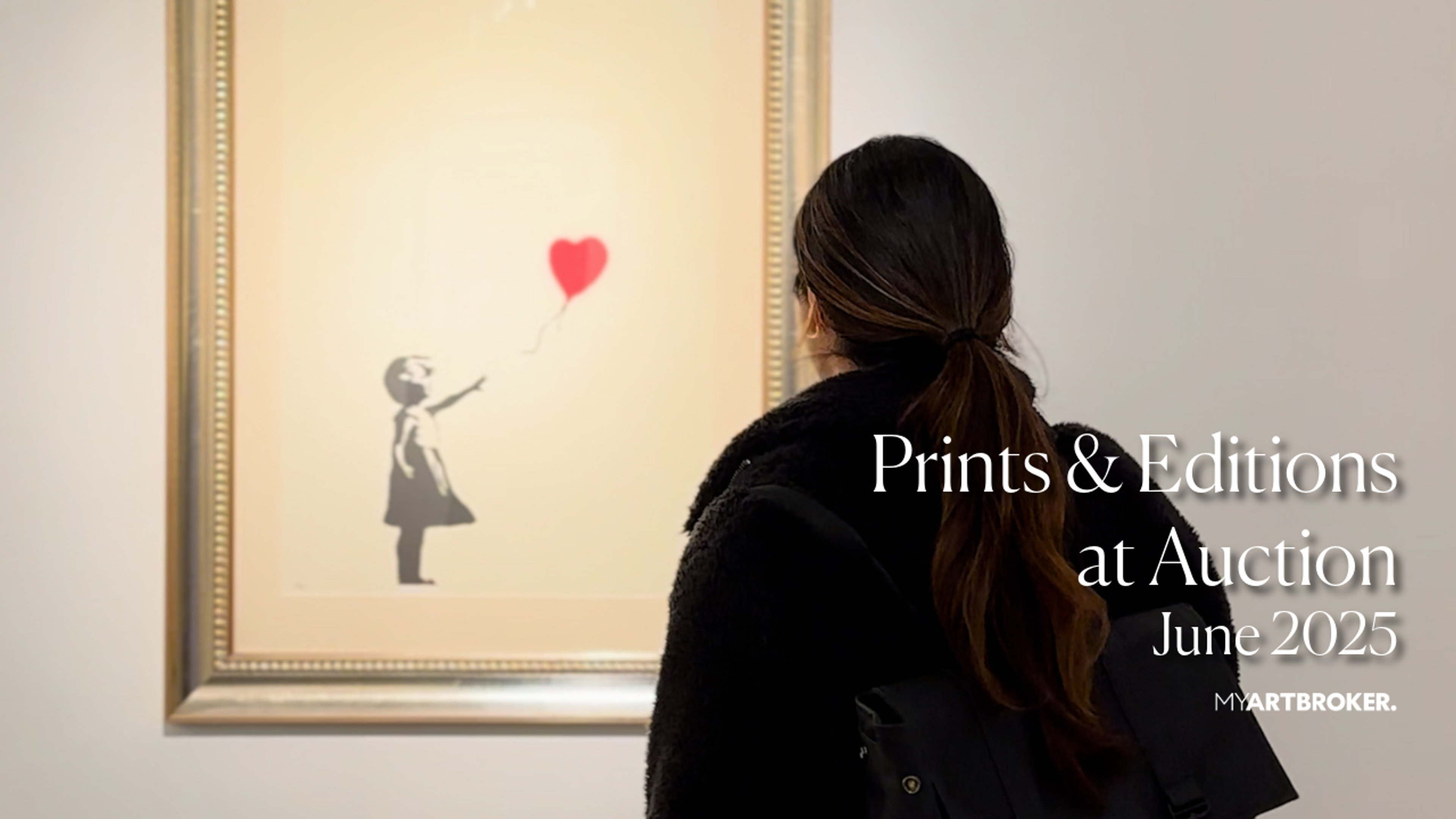
History shows us the power of this. Hirst’s 2008 Beautiful Inside My Head Forever sale was theatre as much as auction, grabbing headlines as markets crashed. A decade later, Banksy’s Girl With Balloon shred made global news, and his prints tripled in value within ten years. Today, hype cycles like Labubu show how quickly visibility can fuel demand – amplified now by social media. The adrenaline, the participation, the cultural moment: these have always been part of the market. We explored the impact of these hype moments across art market history in our recent analysis, tracing how spectacle has consistently shaped demand and long-term value.
Prints fit perfectly into this landscape. They keep artists visible, relevant, and in circulation – from Pop icons like Warhol, Lichtenstein, Haring, and Basquiat, to contemporary names like Banksy, Hockney, Kusama, Bourgeois, Emin, and Ruscha. They give collectors access to the same cultural touchpoints, but in a way that’s more flexible, more accessible, and more data-driven than unique works.
And our Print Collector’s Survey shows exactly that: younger buyers are here, starting smaller, building steadily, and shaping habits around digital spaces where research and transaction now converge. Unlike past cycles of speculation, their activity is measured, intentional, and durable.
That’s why the print market stands out. Prints have thrived through every shift so far – from the digital inflection of 2010, to the pandemic pivot online, to the structural shifts of 2025. And they’re positioned for the future.
In 20 years, digital fluency will be the baseline. But prints are already aligned with that future: clear, trackable, and embedded in culture. They’re not just the entry point. They’re the foundation for how new generations will collect, and how the art market will keep evolving.