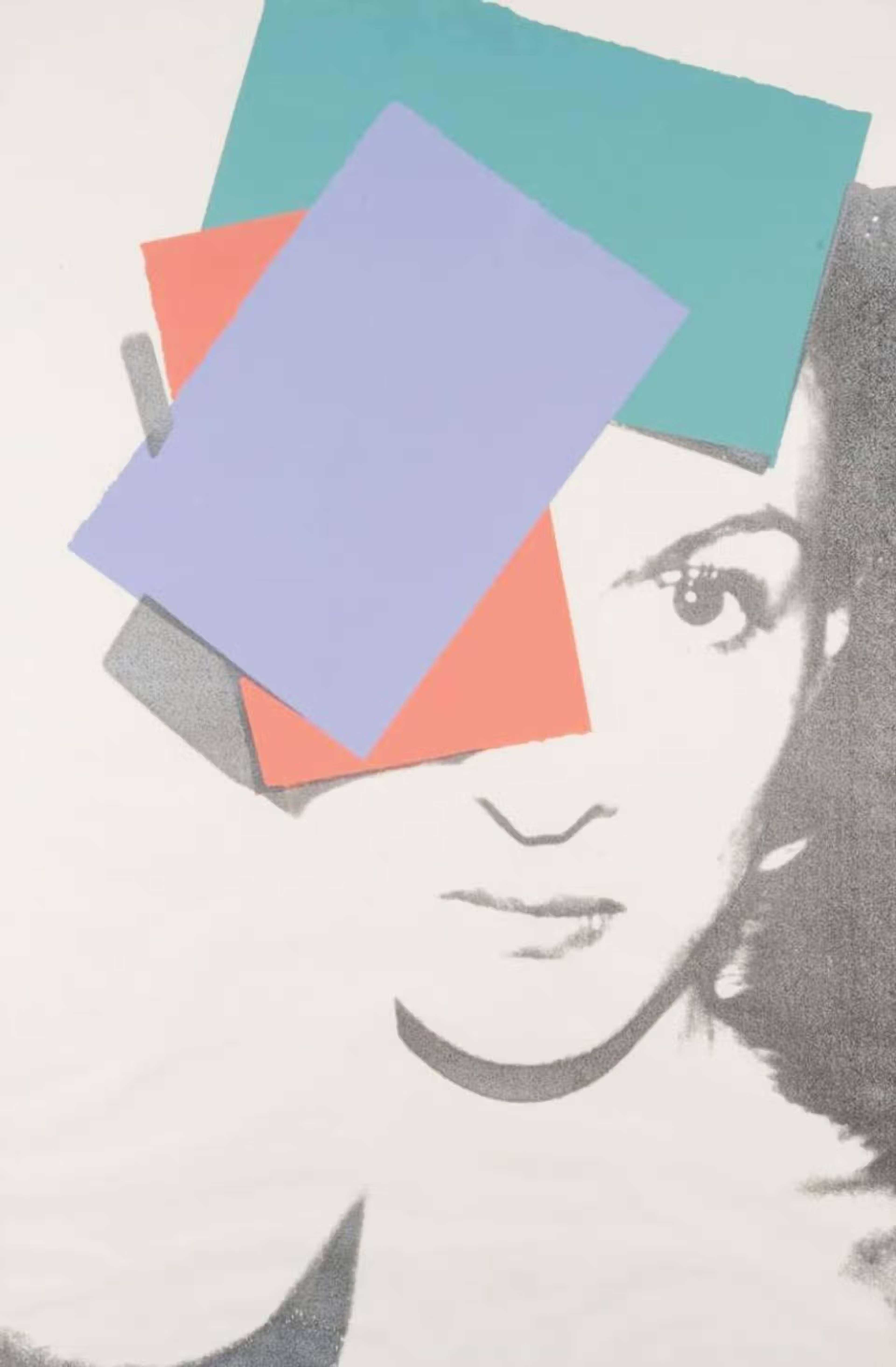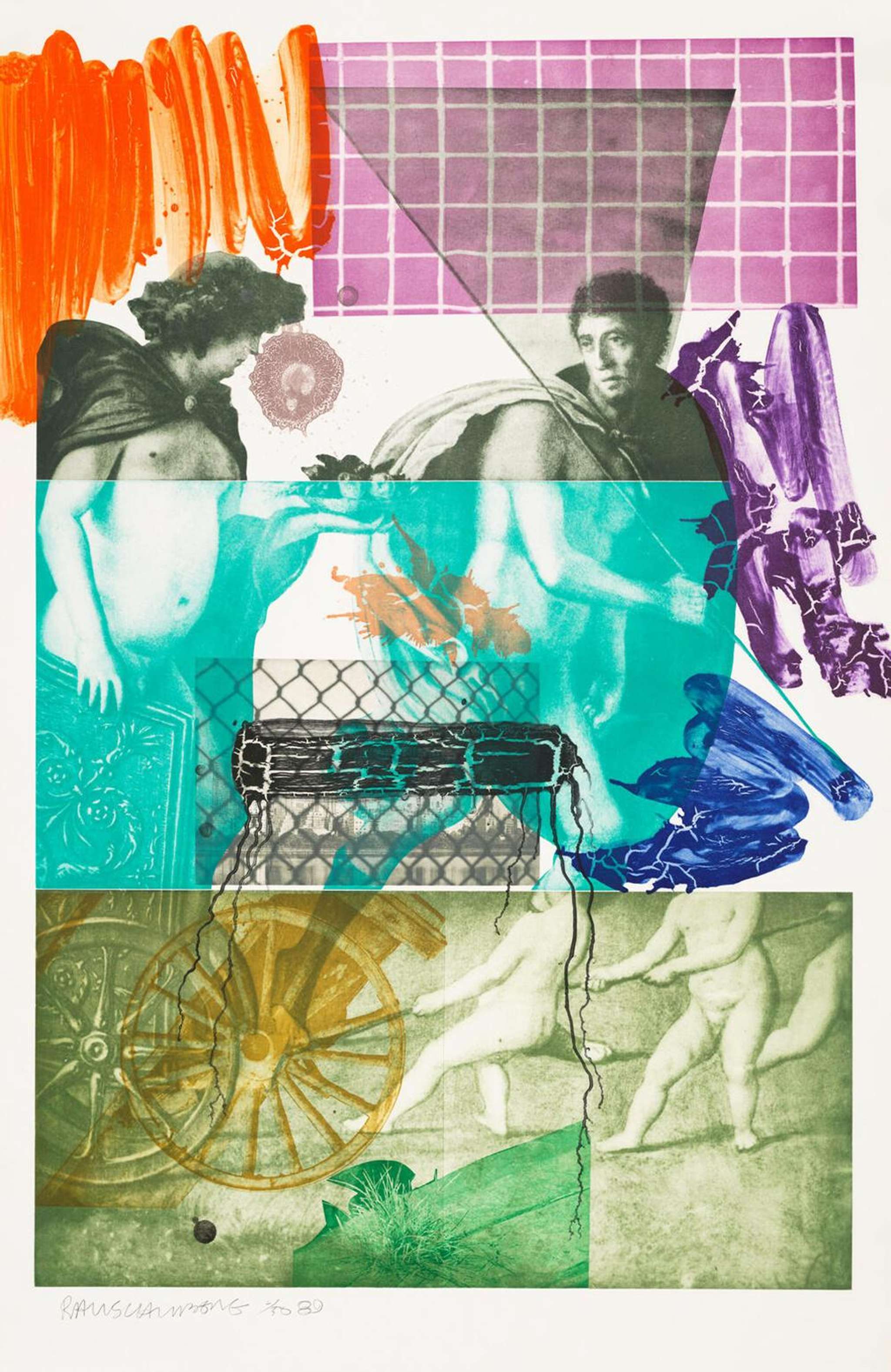

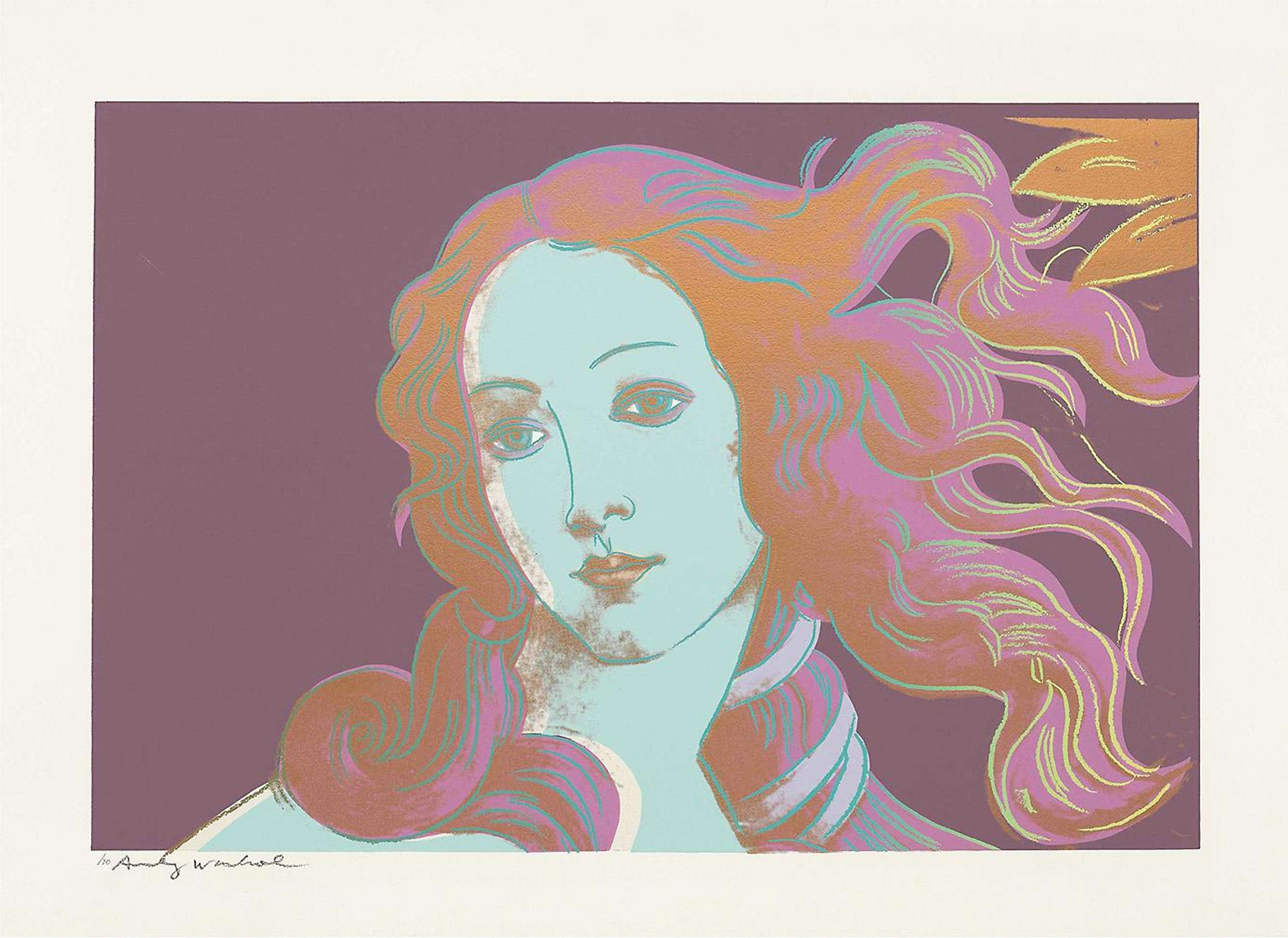
To appreciate the impact of this change on prints, consider who currently holds the most valuable works in the market. Our Print Collectors’ Survey data revealed that the highest-value print portfolios are largely concentrated in the hands of older collectors. One third of Younger Boomers (aged 60-69) surveyed have print collections valued above £250,000, including individuals whose collections exceed £1 million. Among Older Boomers (70+) the share is similar - 32% have over £250k in prints, with a handful of respondents exceeding £1million in print holdings. By contrast, not a single collector under the age of 40 reported a print collection worth above £1 million. In fact, only one under-40 collector even crossed the 500k mark in our sample. The picture is clear: the bulk of high-end prints (the £1M+ Warhols, Lichtensteins, Richters, etc) reside in Boomer-era collections that will inevitably change ownership in the coming years.
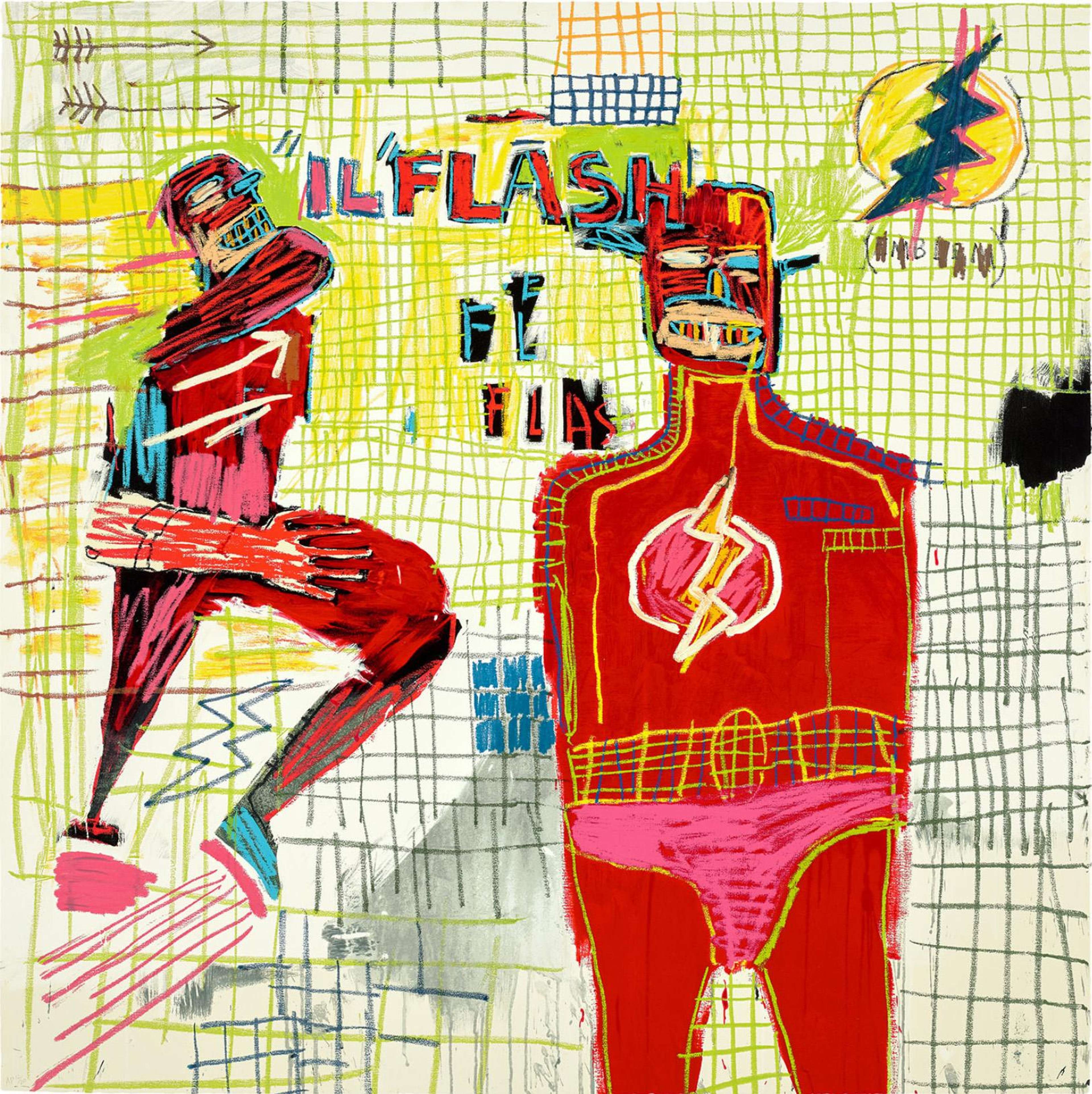
This matters because prints form a significant segment of many established collections, often reflecting the movements Boomers had the closest affinity to. American Pop, for one, is a cornerstone of a lot of postwar collections. Andy Warhol, Keith Haring, Jean-Michel Basquiat, Robert Rauschenberg, the list goes on - these were the names that crafted the zeitgeist of their youth and invariably shaped a generation’s taste.
Now fast-forward 20 years: most of those Boomer collectors will no longer be active in the market. Some will pass collections to their heirs; otherwise will downsize or liquidate as they age. We’re already seeing the early stages of this shift. Georgina Adam wrote in The Art Newspaper that over the next two decades, “their parents and grandparents are passing on, and the NextGens are set to inherit eye-watering sums of money along with, in some cases, significant art collections”. In the U.S. alone, roughly $84.4 trillion is expected to be inherited by 2045, and art often figured into estate planning for high-net-worth individuals (43% of wealthy collectors surveyed by UBS said they plan to leave art to their children).
Do The Next Generation Even Want to Inherit Boomer Collections?
Tastes in art evolve, sometimes dramatically, between generations. The Pop Art prints that a 70-year-old champion might not hold the same appeal for a 35–year-old inheritor. “They don’t have the same taste as their parents,” Georgina Adam says of younger collectors. “Fewer want to imitate their parents or grandparents, and they are not prepared to pay the prices that most stories artists commanded until a few years ago.” She points out that many traditionally esteemed names like Jasper Johns and James Rosenquist “do not necessarily light the fire of the younger buyer.” Instead, Millennials and Gen Z gravitate towards “women artists, Surrealists, Basquiat, KAWS and even Banksy.”
We see evidence of this shift in market data. For instance, one trend in recent years is the surge of interest (and prices) for works by ultra-contemporary and urban artists often favoured by younger buyers, versus a softening in segments like post-war American prints. Even at auction, where the most valuable pieces still tend to be by older artists, the influence of new taste is visible. In 2024, 15 works by Lynette Yiadom-Boakye (b. 1977) fetched a combined $13 million at auction, surpassing the total for 13 pieces by Baroque master Peter Paul Rubens ($6.1 million) in the same period. A flashy example: a 34-year-old crypto entrepreneur paid $6.2 million for Maurizio Cattelan’s taped-banana artwork (Comedian) in late 2024. – a purchase that baffled older collectors but makes sense to a meme-savvy generation.
The point is, tastes are shifting toward the contemporary, the ironic, the socially conscious, and the hype-driven. If you apply that to prints, it might mean a continued rise for editioned works by artists like Banksy, Shepard Fairey, Yoshitomo Nara, or newer names, while some mid-century print staples might see less demand from young buyers.
However, we shouldn’t oversimplify. Certain iconic figures like Warhol or Picasso have such broad cultural resonance that they transcend generational taste. Warhol’s imagery (think Marilyn or Mao screenprints) is as recognisable to a 25-year-old as to a 75-year-old, even if the context differs. Our survey’s high-end data showed Warhol prints anchoring top collections, and Artnet’s analysis finds Warhol is still among the most-searched artists even as tastes evolve.

Digital Habits and Market Implications
One reason to be optimistic about younger collectors inheriting the prints market is their remarkable level of engagement and access via digital means. The new generation’s habits differ not just in what they buy, but how. Our survey emphasises that “they also represent the main heirs to Boomer and Silent Generation wealth. As this inheritance flows, their digital-first habits will determine how capital circulates in the print market.” This is a crucial point: Millennials and Gen Z grew up with the internet and will apply that to art transacting. They are more likely to buy and sell art online, to use global marketplaces, to rely on online valuations – and this can actually increase liquidity and volume in the prints sector. A 30-year-old who inherits a trove of prints might list some on an international platform or fractionalize ownership or trade via online auctions, whereas their parent might have kept the collection intact or sold slowly through a local dealer.
In fact, we’re already seeing younger high-net-worth collectors behaving in new ways. The UBS/Art Basel Survey of Global Collecting noted that “a lot of younger collectors are less interested in cultivating a specific kind of collection and are buying across categories. They are also more willing to buy art online.” In 2024, more than 29,000 works were sold online at auction – a 6.6% uptick year-on-year – pointing to how comfortable the new generation is with digital transactions. For prints, which typically carry lower price points and have multiple examples available, this willingness to transact online could mean a very dynamic market. We might see faster turnover of inventory and more price transparency as digital platforms capture a bigger share of print sales.
Another factor is the sheer number of new participants expected. The wealth transfer doesn’t just create a few mega-rich millennials; it broadly raises the spending power of an entire cohort. Katya Kazakina reported that economists forecast inheritance flows of $30 trillion to Gen X, $27 trillion to Millennials, and $11 trillion to Gen Z in the U.S. alone . Not everyone will spend that on art, of course, but even a small shift in collecting rates could swell the ranks of print buyers. Many of those inheritors may not have been active collectors before, but might become ones when they suddenly own (or can afford) artworks. There’s evidence this is already happening: Artnet’s intel shows younger collectors significantly ramped up their participation in recent years, as noted with auction bidder stats and also the fact that Millennials were the biggest spenders in 2022 before pulling back in 2023 during economic uncertainty . They will likely re-engage as conditions improve and as their financial capacity grows.
For the prints market, the single largest opportunity in the next decade may well be managing this generational transition. Half of the million-pound print collections sitting in Boomer homes today could be looking for new homes (literally and figuratively) tomorrow. If handled adeptly, this could result in a surge of high-quality prints coming to market, drawing interest and competition from younger buyers who suddenly have the means to acquire them. For instance, consider a Baby Boomer in New York with a world-class set of 1960s Warhol screenprints. If their children don’t want to keep all of them, those works might hit the auction block, where newly wealthy tech entrepreneurs or younger global collectors could bid enthusiastically – particularly as Warhol remains an ever-relevant cultural figure. We could see price acceleration in iconic print series due to this influx of fresh demand meeting fresh supply. The baton is being passed; the next lap for prints will be run by a new generation, on a track paved by social media, data, and global connectivity.