Don’t
Let The Bastards Cheer You Up
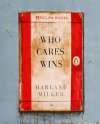
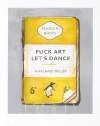
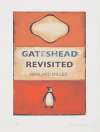
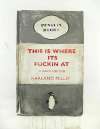
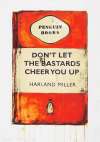
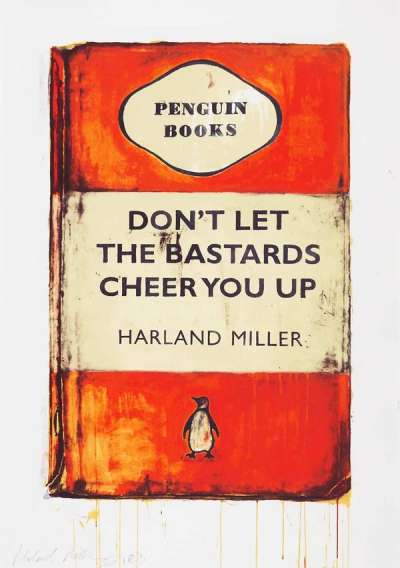
Instantly recognisable as one of Harland Miller’s iconic Penguin classics works, begun in 2001, the title of this series plays on the old saying “Don’t let the bastards get you down”. While triggering a ring of familiarity, Miller's edit is deliberately provocative and in keeping with his wit.
Harland Miller Don’t Let The Bastards Cheer You Up For sale
Don’t Let The Bastards Cheer You Up Value (5 Years)
Sales data across the Don’t Let The Bastards Cheer You Up series by Harland Miller varies by print. While standout works have sold at auction for up to £25000, other editions in the series remain rare to market or have yet to appear publicly for sale. Of those tracked, average selling prices have ranged from £10000 to £10000, with an annual growth rate of -6.58% across available data. Collectors should note the discrepancy in performance between more visible and lesser-seen editions when considering value potential in this series.
Don’t Let The Bastards Cheer You Up Market value
Auction Results
| Artwork | Auction Date | Auction House | Return to Seller | Hammer Price | Buyer Paid |
|---|---|---|---|---|---|
 Don't Let The Bastards Cheer You Up Harland Miller Signed Print | 14 Mar 2024 | Christie's New York | £10,625 | £12,500 | £17,000 |
Sell Your Art
with Us
with Us
Join Our Network of Collectors. Buy, Sell and Track Demand
Meaning & Analysis
First produced as a watercolour and screenprint in 2009, Don’t Let the Bastards Cheer you up epitomises Miller’s wittier takes on well-known phrases. Instantly recognisable as one of his Penguin Jackets, (first produced in 2001) Don’t Let The Bastards Cheer You Up triggers a ring of familiarity whilst being deliberately provocative. When asked where the titles from his books originate from, Miller says “nowhere in particular. Everywhere, anywhere.”
“I realised that the design of those classics would throw all the focus on the title of the book, which is exactly what I wanted to do.(…) People are so used to the format already with the text in the middle that you could really say whatever you wanted.”
In terms of their artistic style, the Penguin prints are influenced by both Pop Art and Abstract Expressionism, infused with the conceptual aspect of the written word. Miller is interested in Pop Art’s ideas of challenging authenticity and overriding authorship, as we see in this work which features Miller as the author.