Flowers
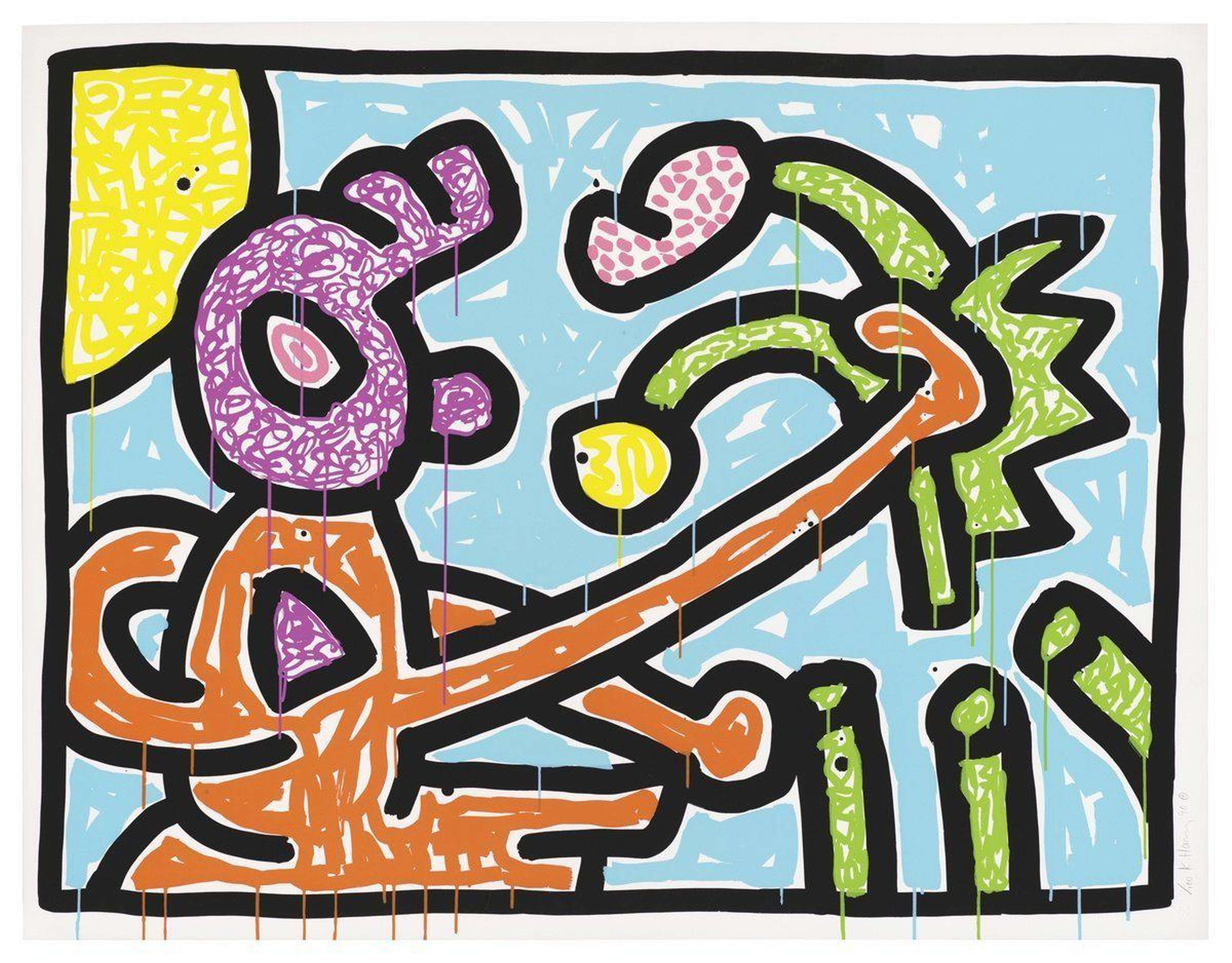
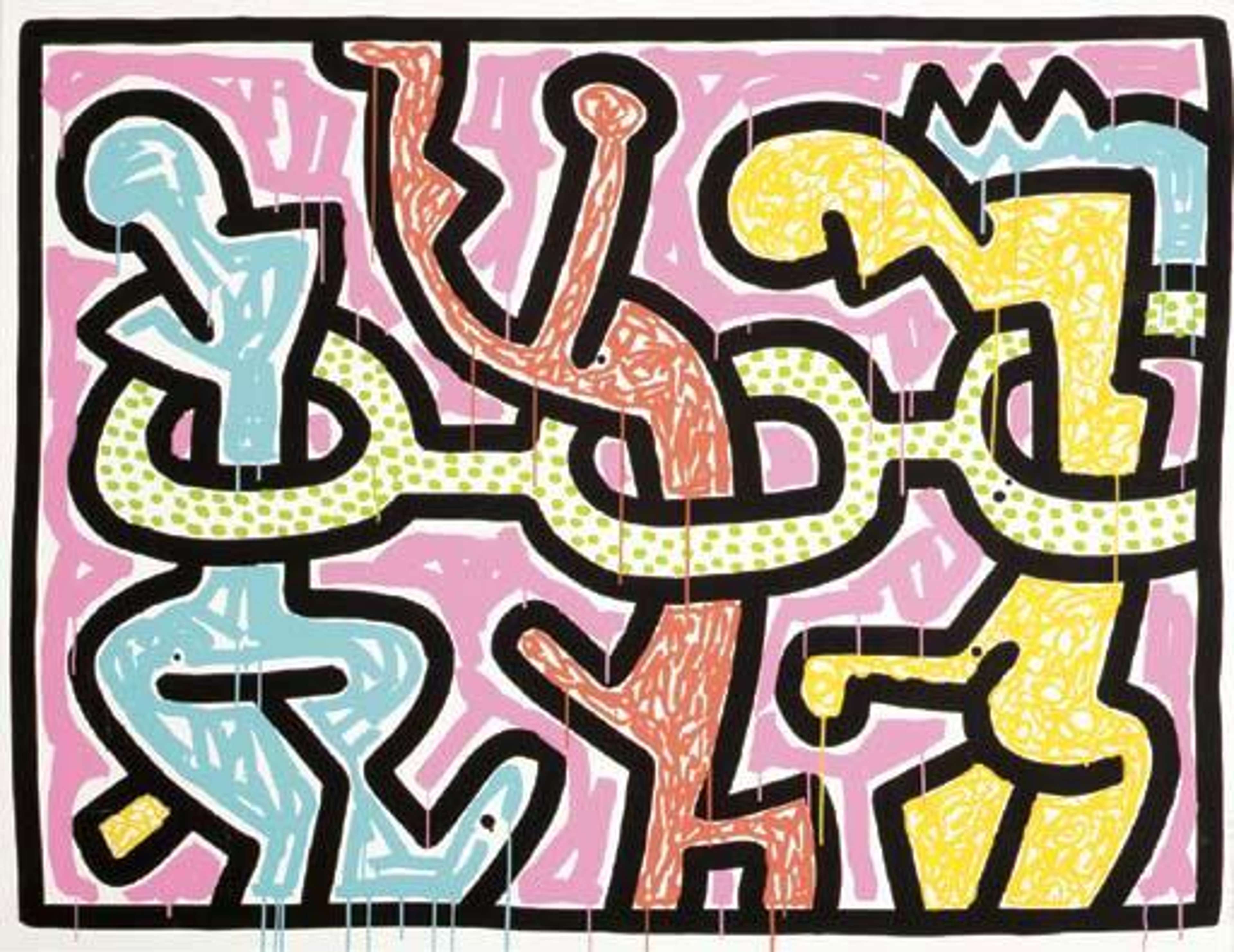
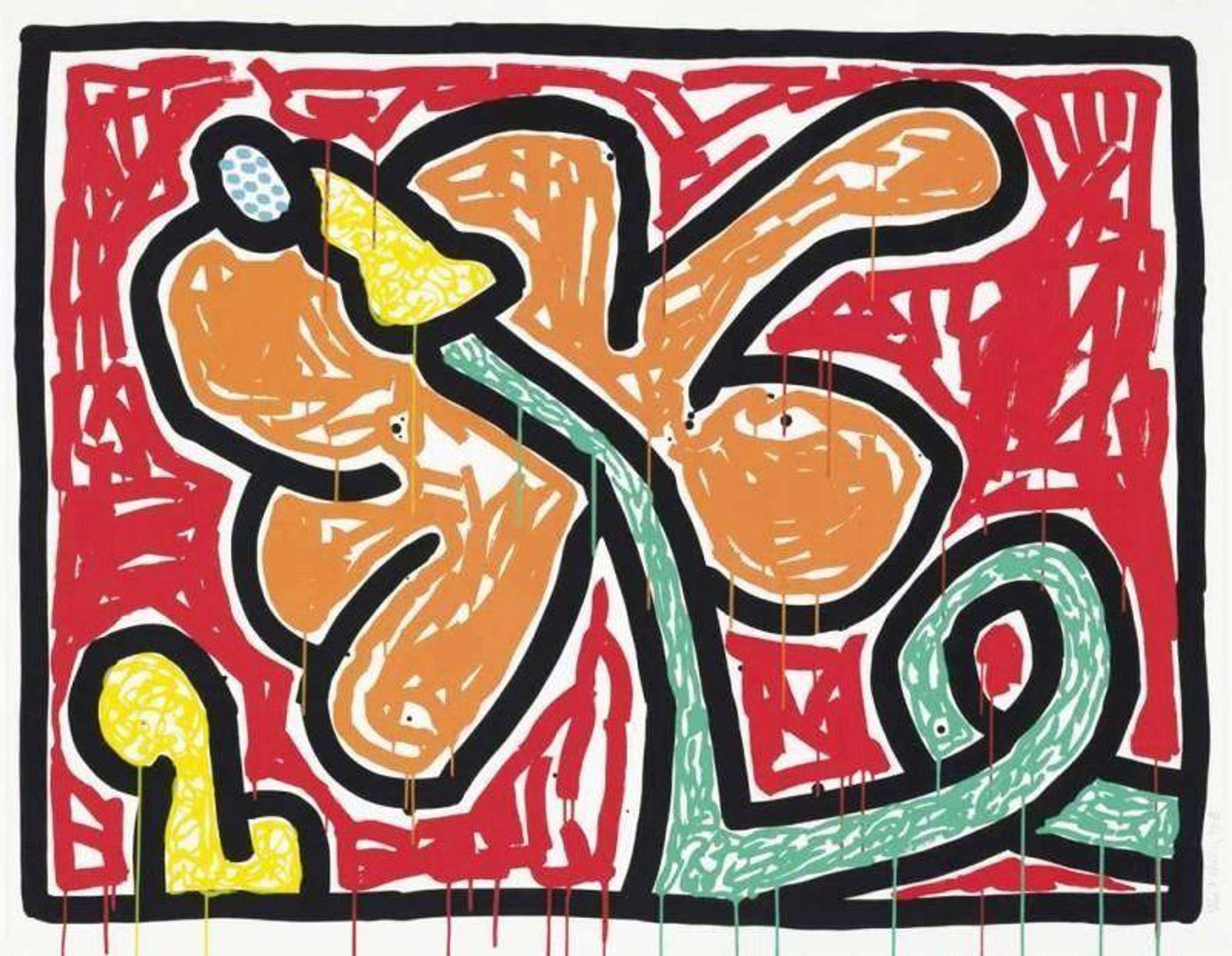
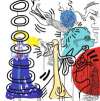
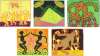
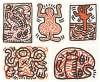
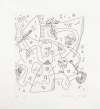
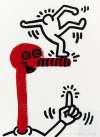
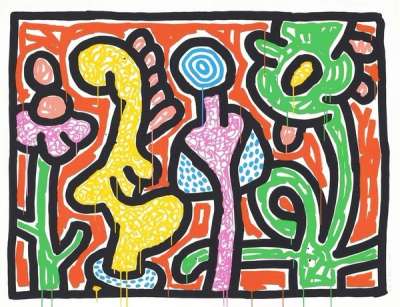
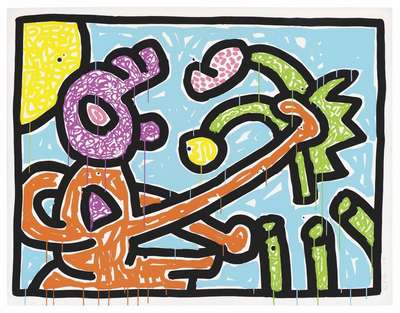
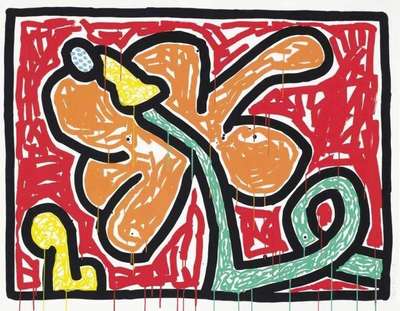
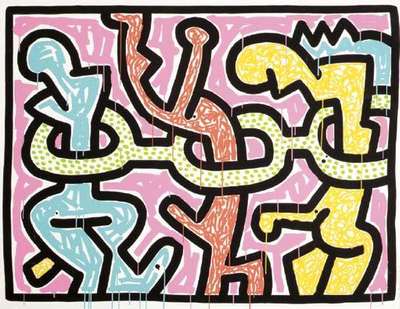
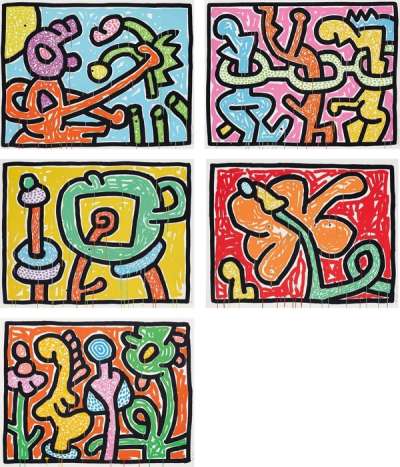
Keith Haring’s Flowers series, a set of five vibrant and alien like prints, was created only months before his tragic death in 1990. They feature phallic plants, alluding to the gay community's fight against AIDS and public miscomprehension, while the intertwining shapes suggest energy and joint struggle.
Keith Haring Flowers For sale
Flowers Value (5 Years)
Works from the Flowers series by Keith Haring have a strong market value presence, with 52 auction appearances. Top performing works have achieved standout auction results, with peak hammer prices of £136640. Over the past 12 months, average values across the series have ranged from £20215 to £26071. The series shows an average annual growth rate of 3.4%.
Flowers Market value
Auction Results
| Artwork | Auction Date | Auction House | Return to Seller | Hammer Price | Buyer Paid |
|---|---|---|---|---|---|
 Flowers I Keith Haring Signed Print | 26 Sept 2025 | Freeman's | £17,000 | £20,000 | £26,000 |
 Flowers III Keith Haring Signed Print | 26 Sept 2025 | Freeman's | £17,850 | £21,000 | £29,000 |
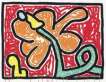 Flowers V Keith Haring Signed Print | 22 May 2025 | Bonhams New York | £22,100 | £26,000 | £35,000 |
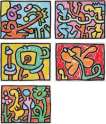 Flowers (complete set) Keith Haring Signed Print | 16 May 2025 | Sotheby's New York | £102,000 | £120,000 | £160,000 |
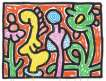 Flowers IV Keith Haring Signed Print | 18 Dec 2024 | Wright | £16,150 | £19,000 | £24,000 |
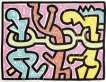 Flowers II Keith Haring Signed Print | 21 Apr 2016 | Sotheby's London | £5,525 | £6,500 | £9,000 |
Sell Your Art
with Us
with Us
Join Our Network of Collectors. Buy, Sell and Track Demand
Meaning & Analysis
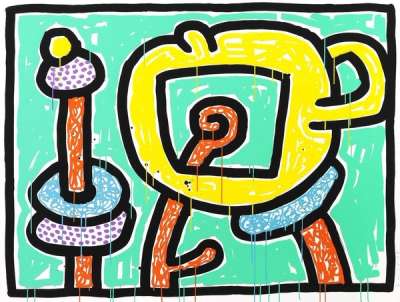
Completed only months before his tragic death in 1990, Haring’s Flowers series is a vibrant set of prints rendered in his distinct pop-graffiti style Across the five prints Haring depicts a variety of fluid, phallic shapes to represent plant forms and growth but with a visceral, painterly quality that is not always present in his work.
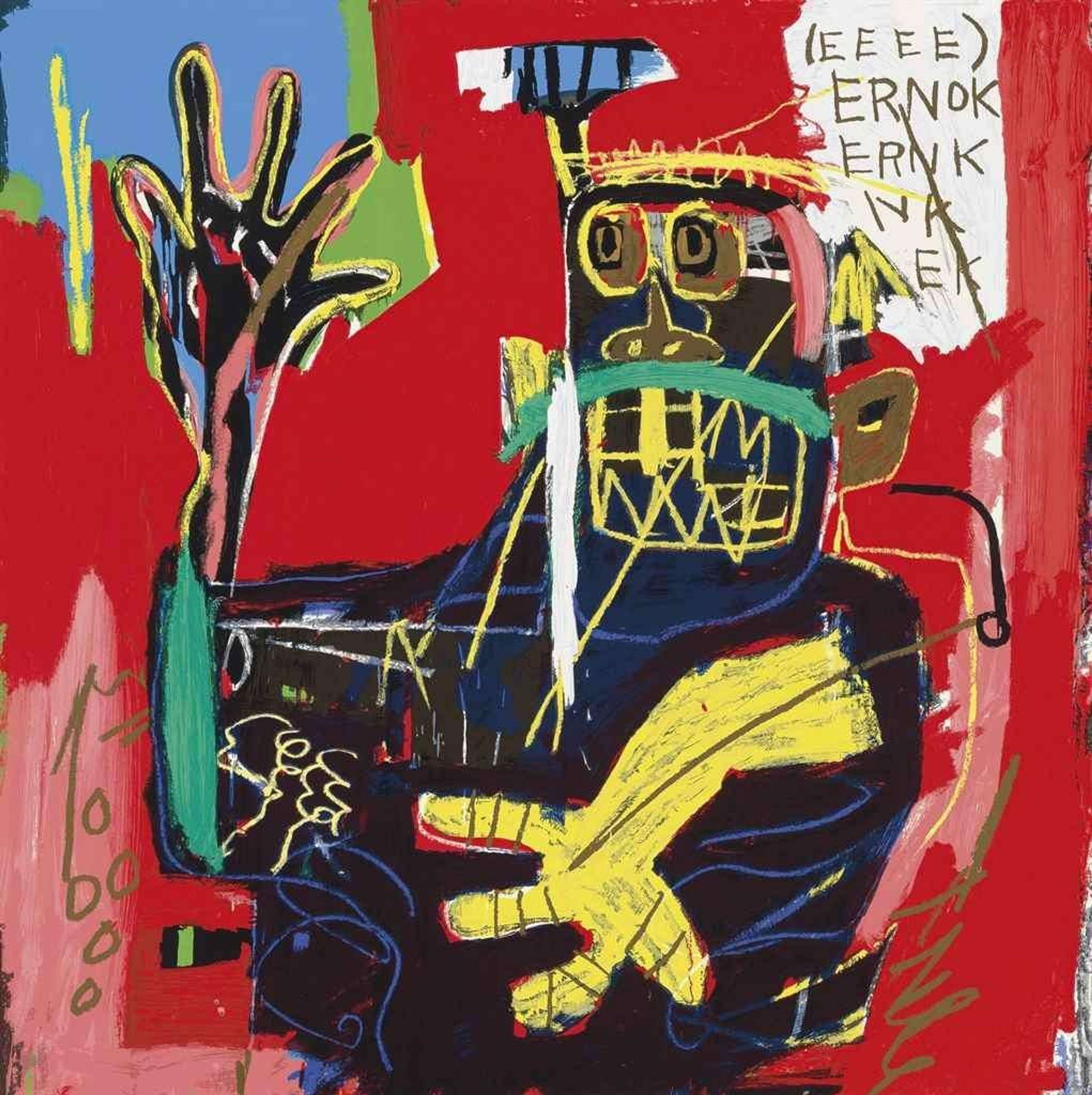
The visceral style that characterises the Flowers series is heavily inspired by figures like Jackson Pollock and Willem de Kooning from the Abstract Expressionist movement of the 1940s and 50s. The screen print ink has been allowed to drip down the image, forming thin, brightly coloured streaks and splatters that stand out against the bold, dark outlines. The influence of Haring’s good friend Jean-Michel Basquiat also comes through in this series. Haring uses his distinct graffiti style to create a truly public art, just as Basquiat had done before him, that merges high art with popular culture.
The latter part of Haring’s career was characterised by the HIV/AIDS epidemic that devastated the gay community in 1980s New York and deeply affected Haring following his own AIDS diagnosis in 1988. The expressionist quality of his Flowers series is representative of the way in which Haring worked rapidly to produce as much artwork as possible in the last years of his life. Indeed, artist Karey Maurice when looking back on his intimate friendship with Haring once said that “he showed me through sickness you still have to work and produce and give to the world what you intended to do.” Not only does the artist’s use of fluid line and gestural marks convey a sense of urgency in this series but it also works to express Haring’s bodily suffering felt from the effects of the virus.