Growing
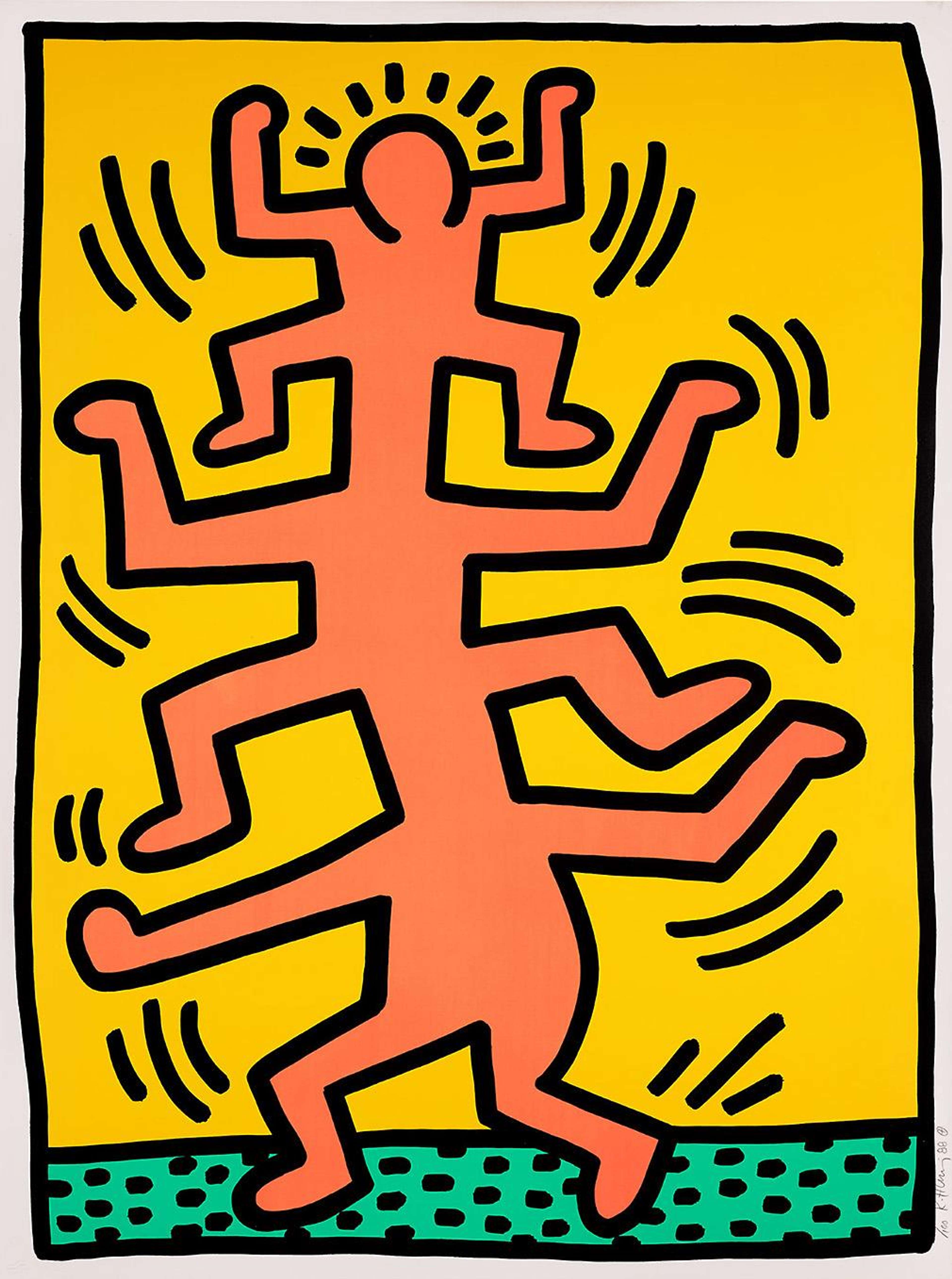
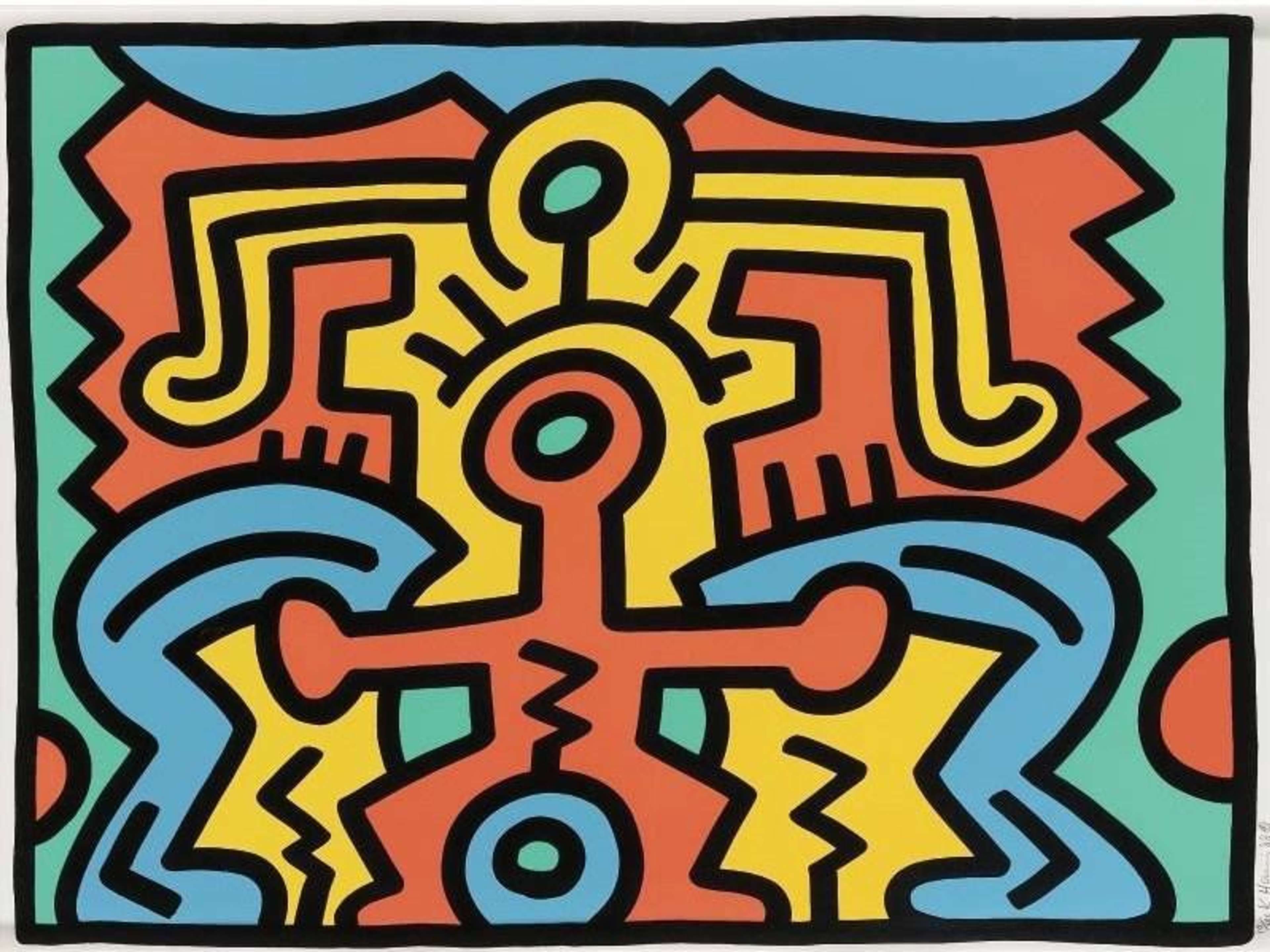
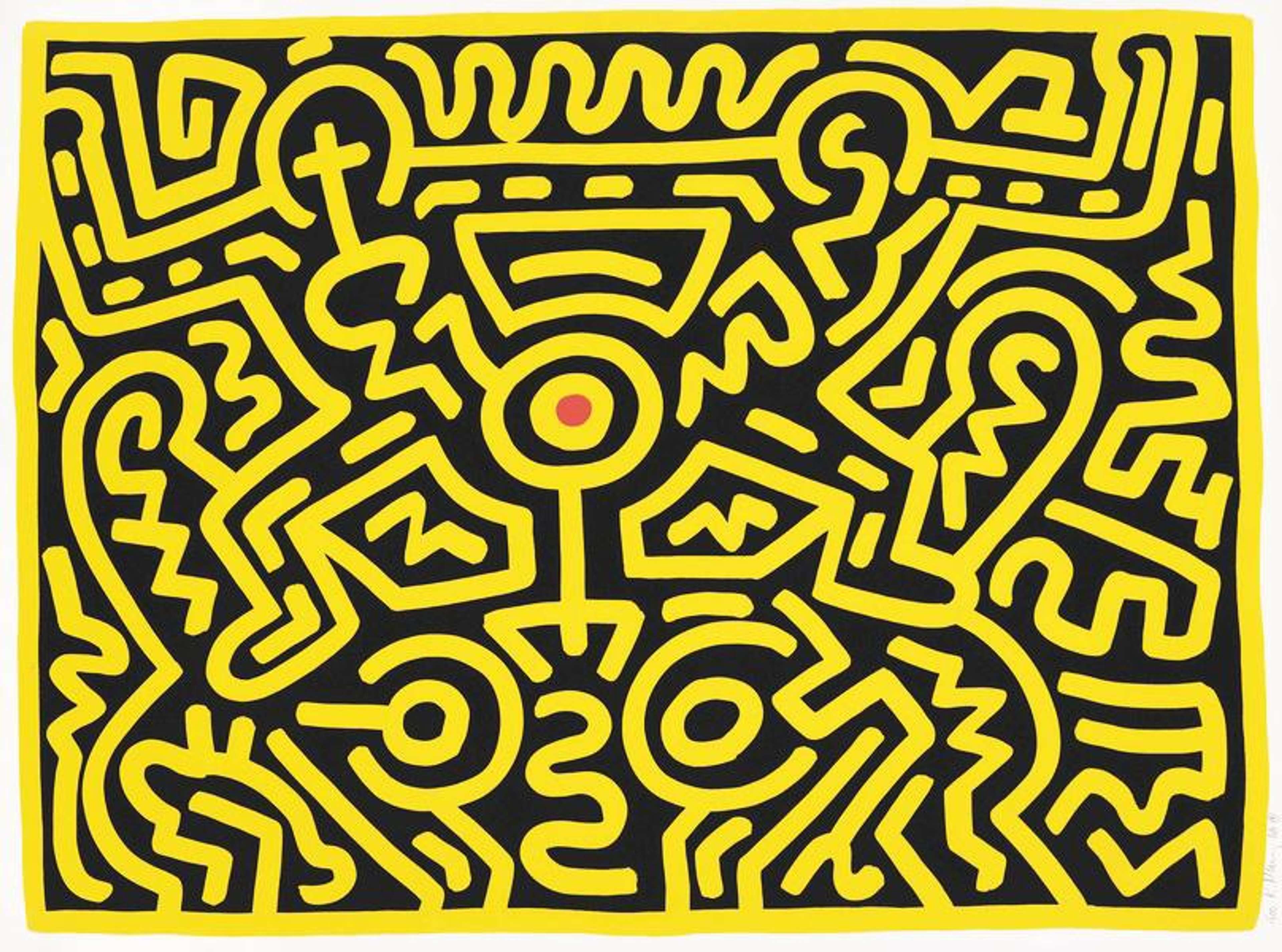
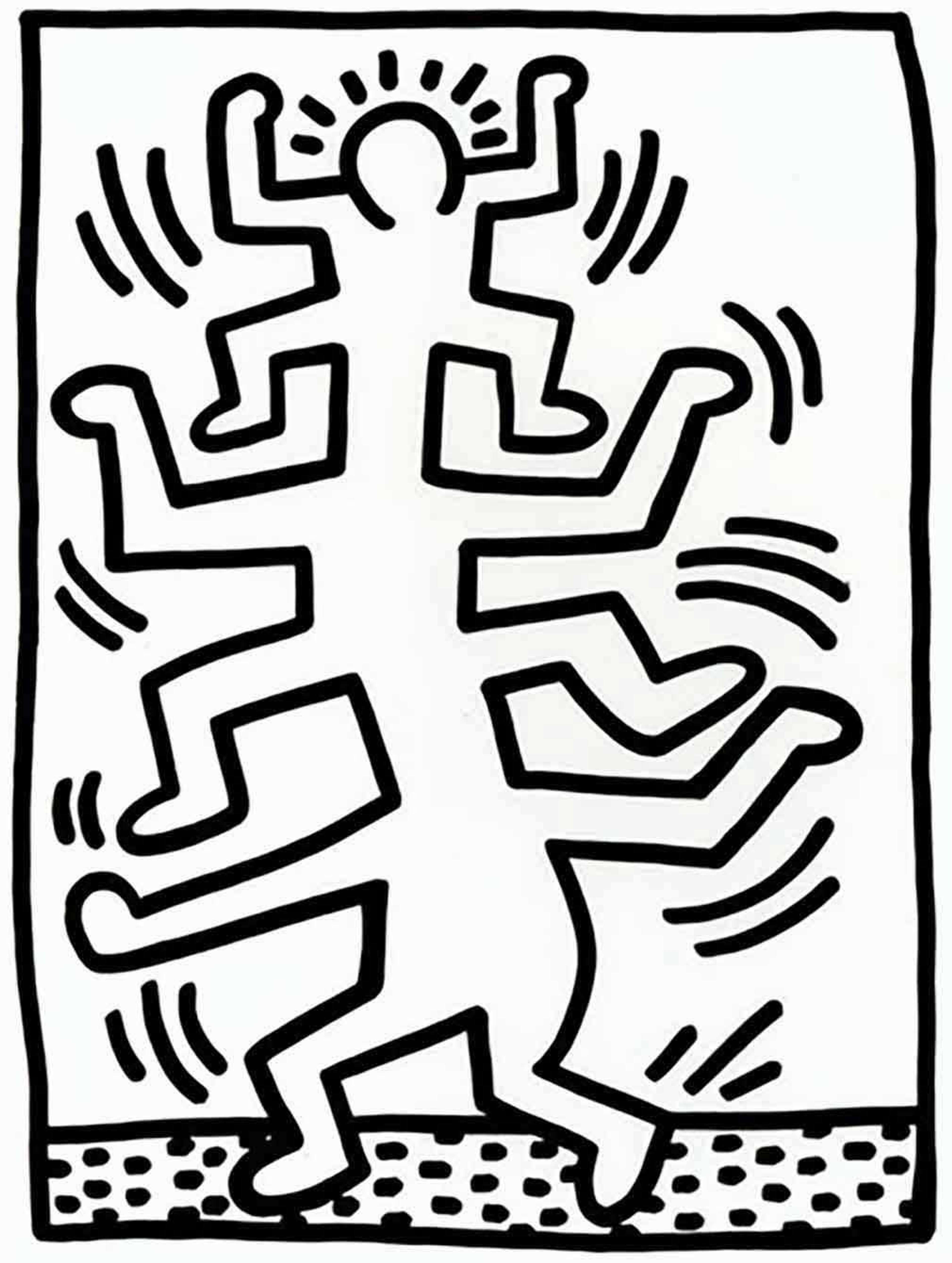
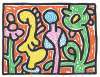
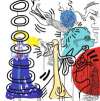
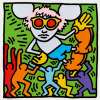
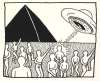
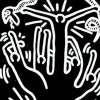
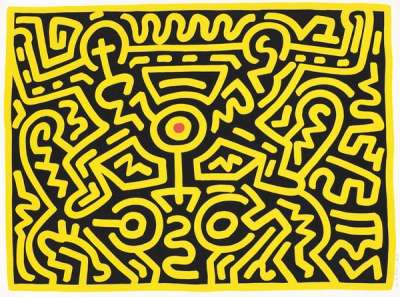
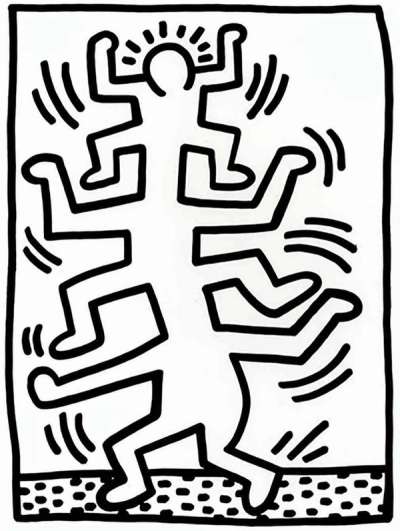
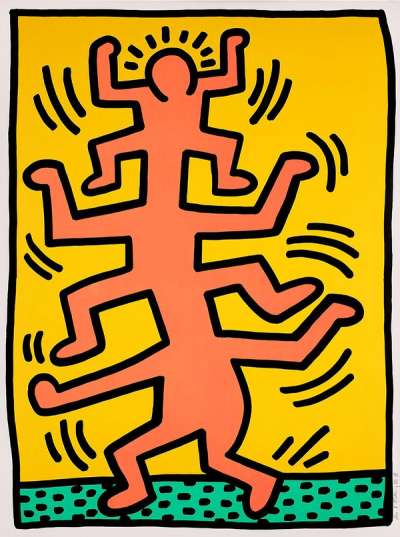
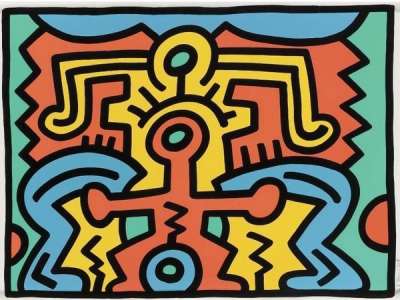
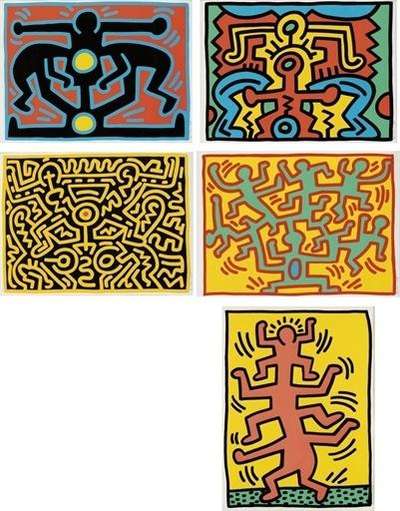
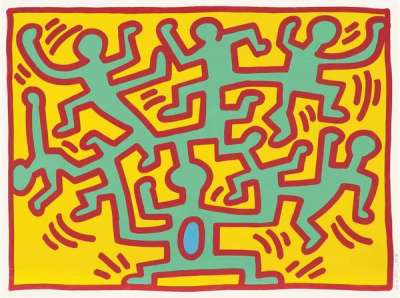
Keith Haring’s 1988 Growing series consists of five designs and an additional first state print. Haring uses his signature 'energy lines' to depict groups of figures merging their energies, reflecting his faith in collective action. Five years after his first silkscreens, these prints showed off his natural talent for the medium.
Keith Haring Growing For sale

Growing Value (5 Years)
Works from the Growing series by Keith Haring have a strong market value presence, with 127 auction appearances. Top performing works have achieved standout auction results, with peak hammer prices of £452598. Over the past 12 months, average values across the series have ranged from £20527 to £181646. The series shows an average annual growth rate of 7.92%.
Growing Market value
Auction Results
| Artwork | Auction Date | Auction House | Return to Seller | Hammer Price | Buyer Paid |
|---|---|---|---|---|---|
 Growing 3 Keith Haring Signed Print | 10 Jun 2026 | Van Ham Fine Art Auctions | £17,850 | £21,000 | £30,000 |
 Growing 2 Keith Haring Signed Print | 10 Jun 2026 | Van Ham Fine Art Auctions | £16,150 | £19,000 | £27,000 |
 Growing 5 Keith Haring Signed Print | 10 Jun 2026 | Van Ham Fine Art Auctions | £16,150 | £19,000 | £27,000 |
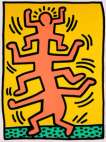 Growing 1 Keith Haring Signed Print | 22 Apr 2026 | Phillips New York | £22,100 | £26,000 | £35,000 |
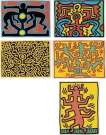 Growing (complete set) Keith Haring Signed Print | 18 Jun 2025 | Schuler Auktions | £153,000 | £180,000 | £220,000 |
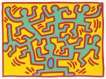 Growing 4 Keith Haring Signed Print | 19 Oct 2024 | Mainichi Auction, Osaka | £25,500 | £30,000 | £35,000 |
Sell Your Art
with Us
with Us
Join Our Network of Collectors. Buy, Sell and Track Demand
Meaning & Analysis
Across the five prints in the Growing series, Haring depicts conjoined or stacked figures that evoke a striking sense of solidarity and community. The vibrant colours and strong lines seen throughout are typical of Haring’s oeuvre along with the characteristic ‘energy lines’ emitted by the figures that evoke the power of people working together.
Formally the works are defined by their use of primary colours combined with black, a bold combination Haring used over and over again to striking effect. This adoption of the bright block colours of advertising and packaging can be traced back to Haring’s early training as a commercial artist as well as Andy Warhol’s influence on the artist.
Made five years after Haring first began experimenting with silk screens, these prints show his natural talent for the medium. Though he had made lithographs earlier in his career it wasn’t until 1983 that he began making screen prints. Adopted from the world of commercial printing, silk screens offered a way of creating multiple images with vivid colours and little variation between prints. This move was undoubtedly due in part to the medium being popularised by Warhol, one of Haring’s most important influences. It soon became evident that the energy and curiosity Haring demonstrated for painting translated perfectly into printmaking and he began to work with publishers across the US, Switzerland, Japan, Germany, France, Denmark and Holland, producing ever more inventive and daring work. Though many of his prints were made in editions of 100 or more, there is an element of precision in every single one that shows the level of care with which he supervised the process.
By the time of his death, Haring had produced so many prints that the exact number has become impossible to count. There are many unsigned editions on the market, though these tend only to be considered valuable if approved by the Keith Haring Foundation. Today his prints are frequently among the most sought after multiples on the market.