Pop
Shop
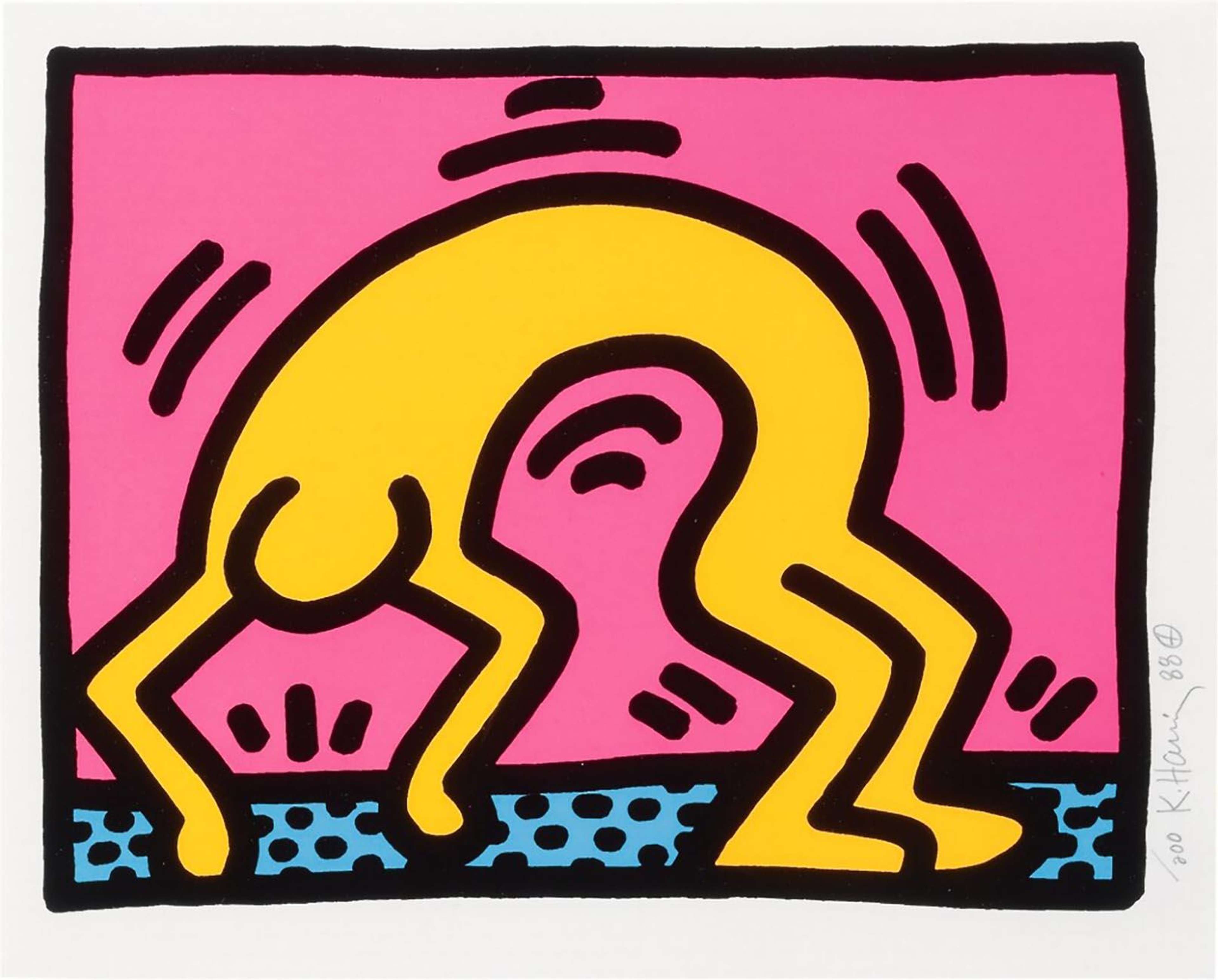
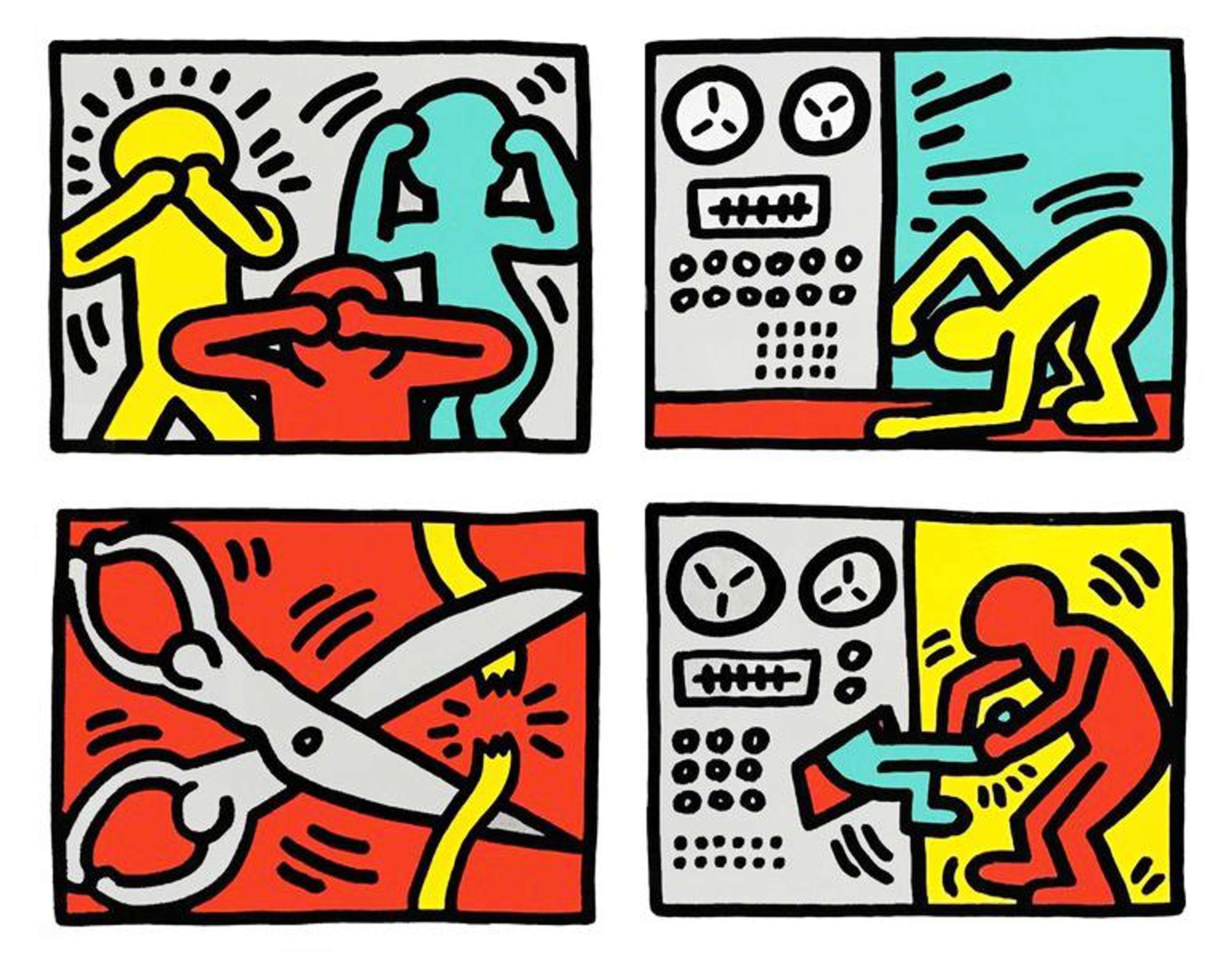
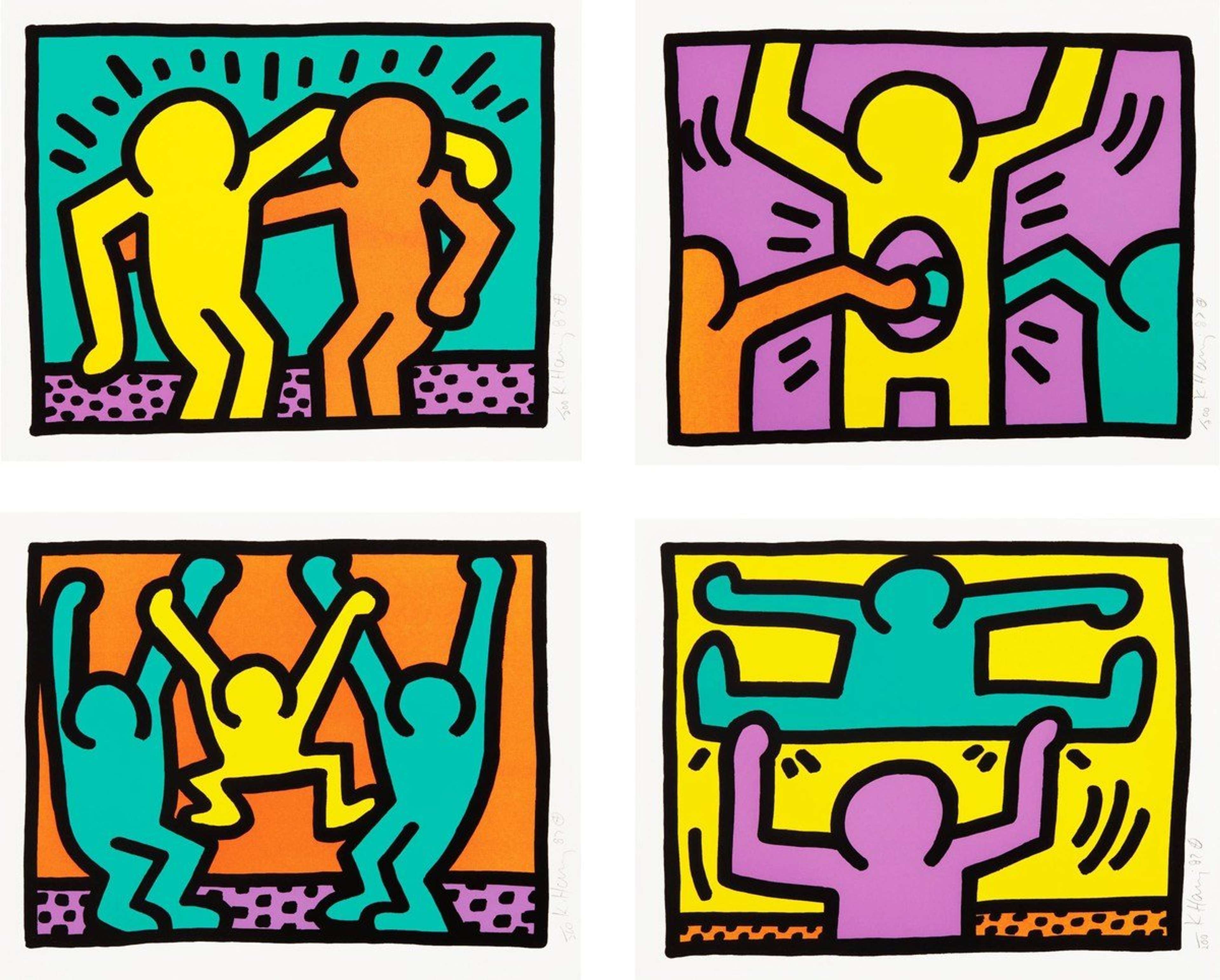
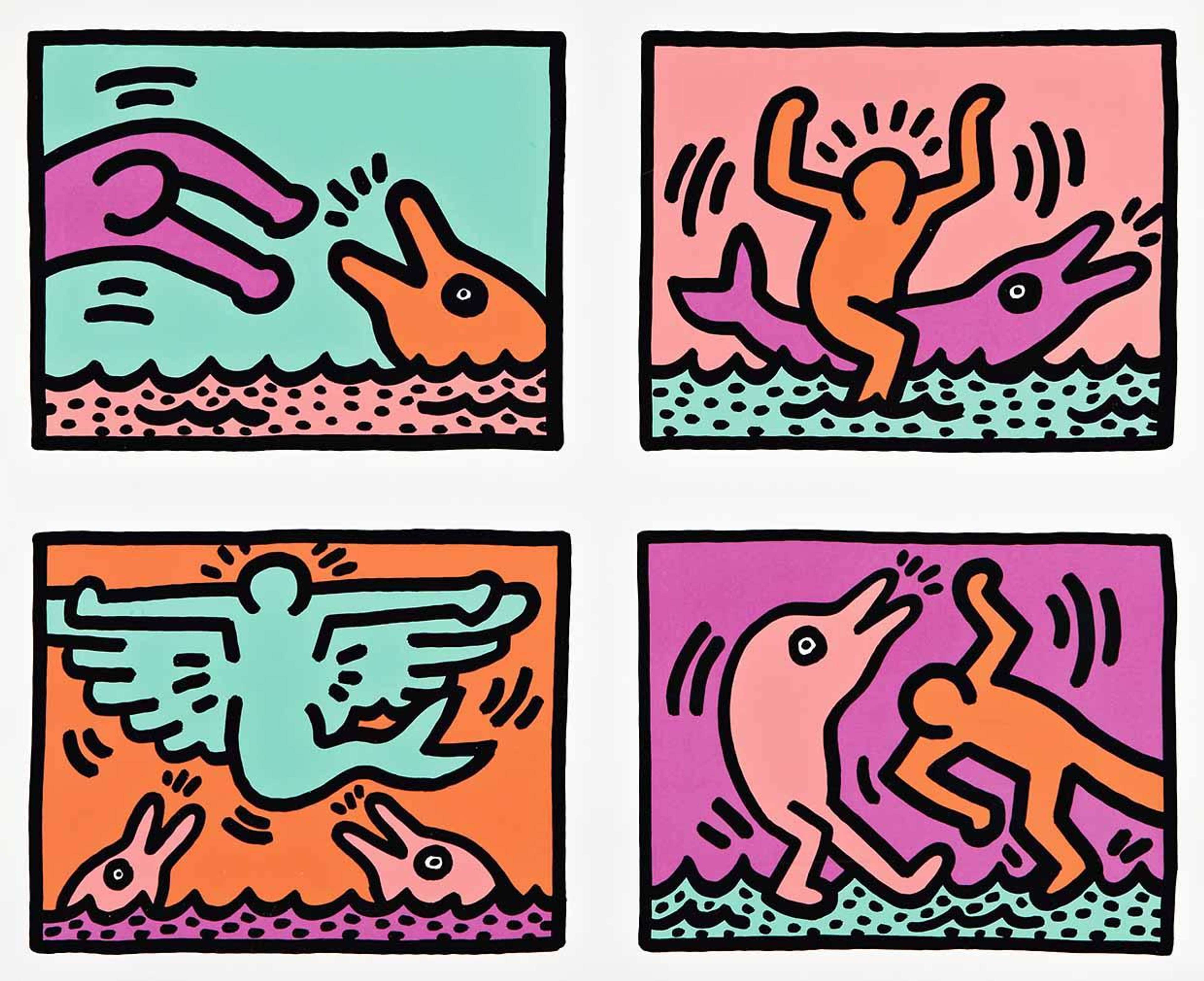
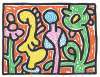
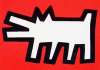
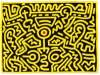
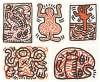
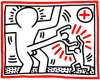
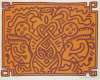
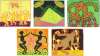
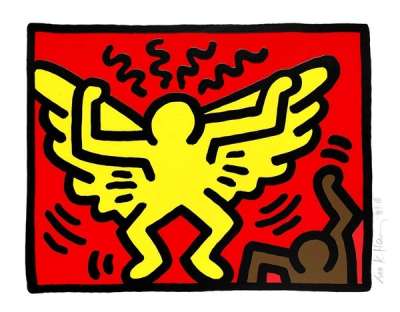
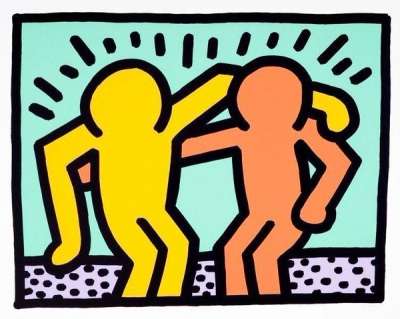
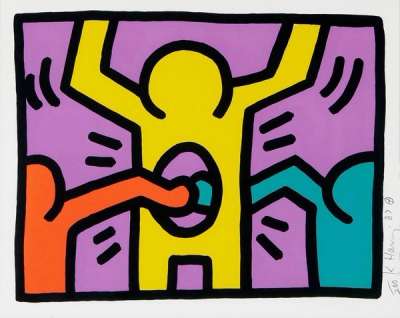
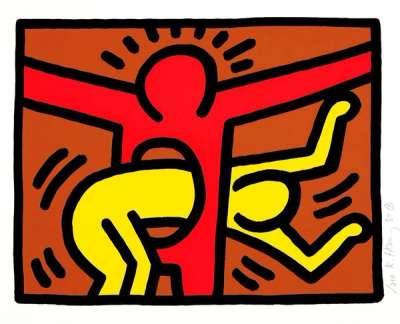
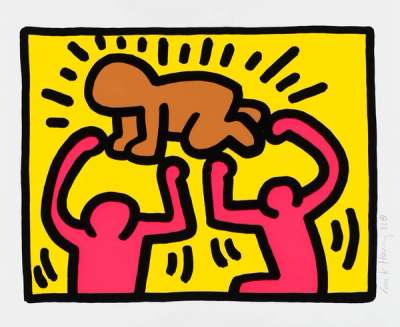
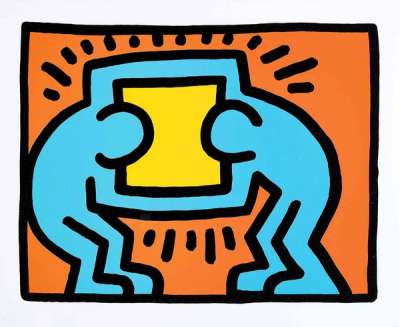
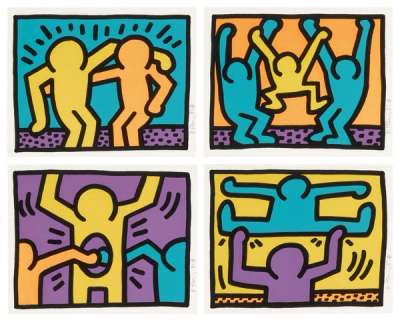
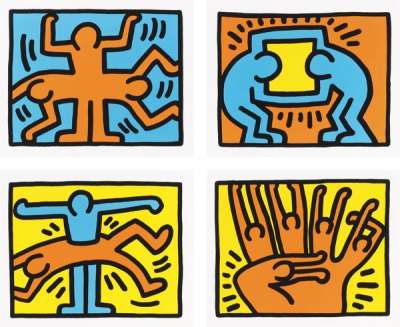
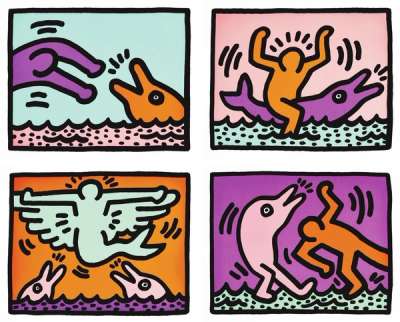
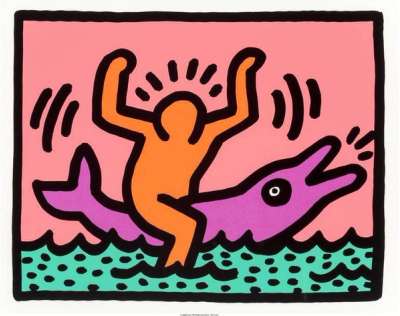
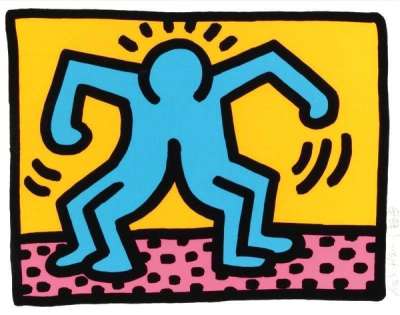
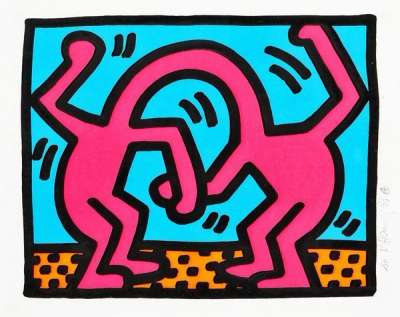
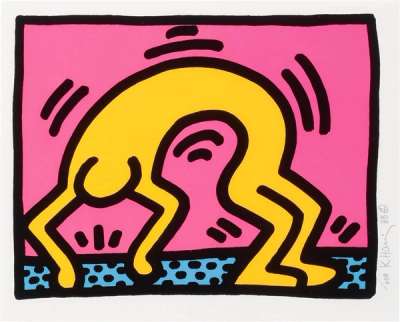
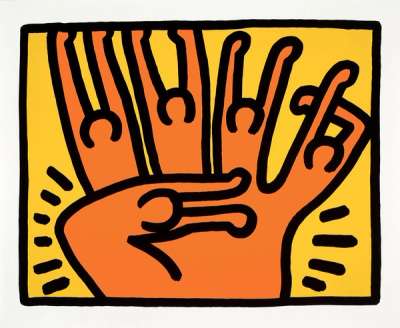
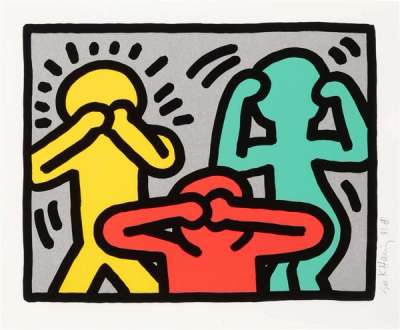
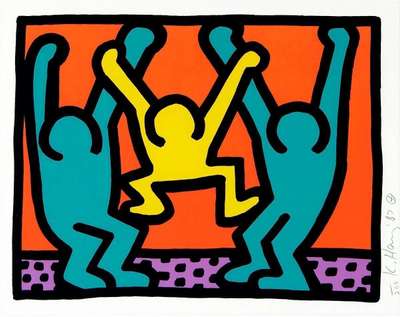
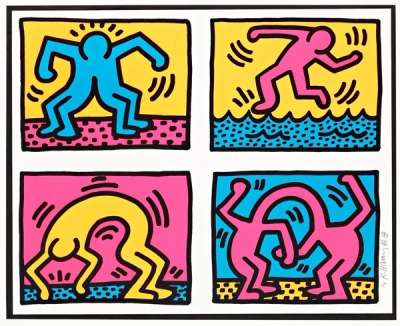
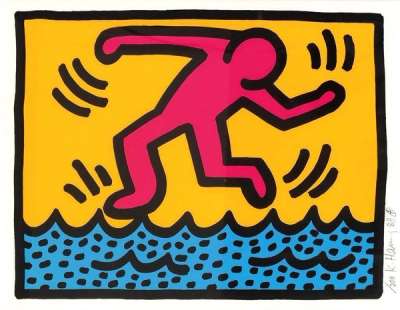
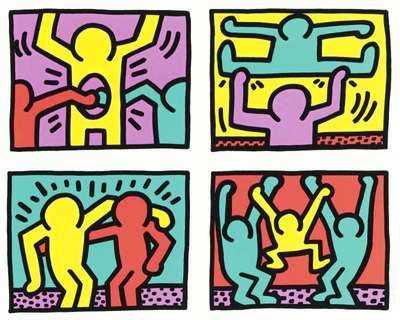
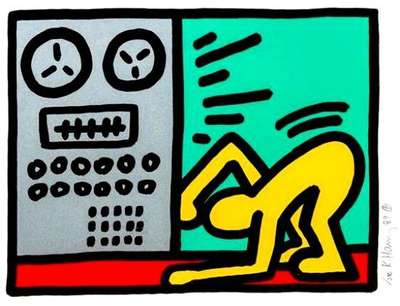
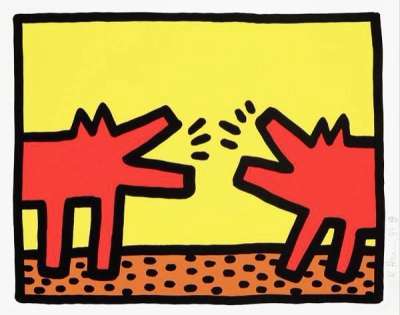
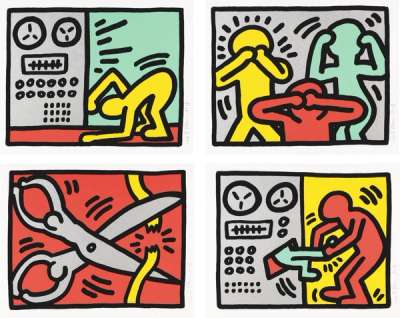
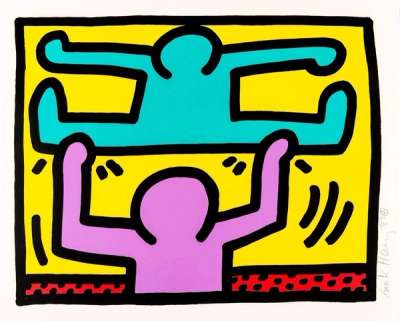
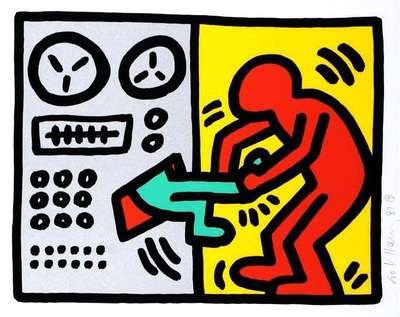
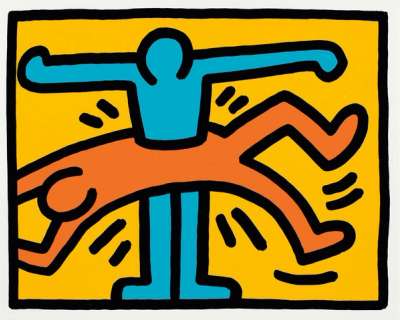
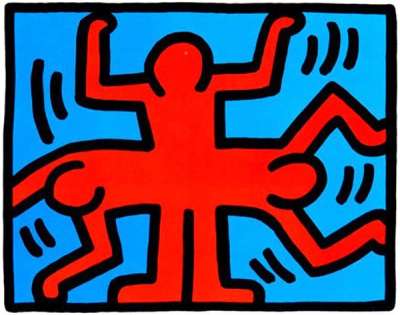
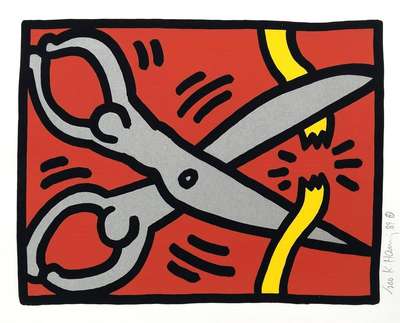
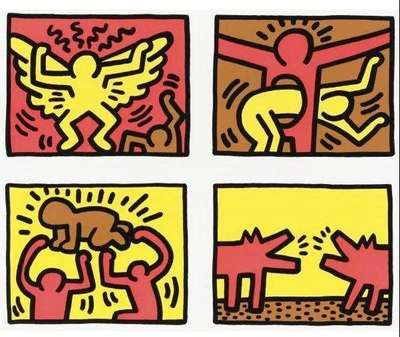
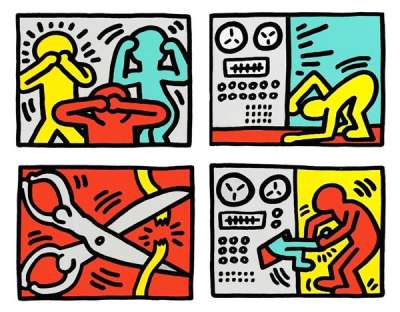
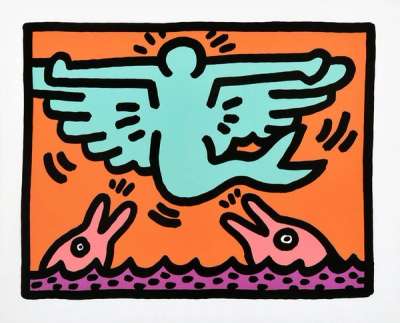
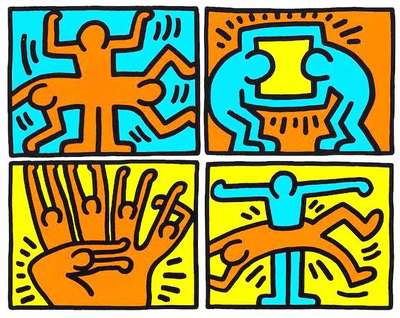
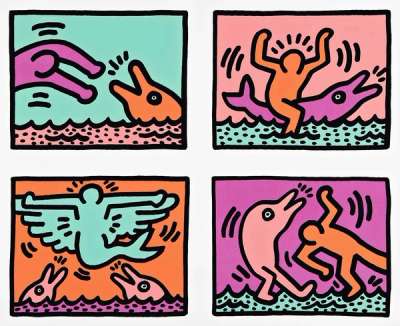
Keith Haring's Pop Shop series pays homage to his Manhattan shop, opened in 1986, where he sold his art with the ethos that it should be available to all. The prints are full of the bold colours, graphic linework and iconography for which Haring is renowned.
Keith Haring Pop Shop For sale

Pop Shop Value (5 Years)
Works from the Pop Shop series by Keith Haring have a strong market value presence, with 452 auction appearances. Top performing works have achieved standout auction results, with peak hammer prices of £115073. Over the past 12 months, average values across the series have ranged from £7008 to £75210. The series shows an average annual growth rate of 3.81%.
Pop Shop Market value
Auction Results
| Artwork | Auction Date | Auction House | Return to Seller | Hammer Price | Buyer Paid |
|---|---|---|---|---|---|
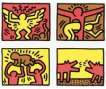 Pop Shop Quad IV Keith Haring Unsigned Print | 25 Jun 2026 | Koller Zurich | £17,000 | £20,000 | £26,000 |
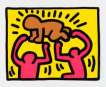 Pop Shop IV, Plate III Keith Haring Signed Print | 6 Jun 2026 | Lempertz, Cologne | £15,300 | £18,000 | £22,000 |
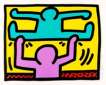 Pop Shop I, Plate II Keith Haring Signed Print | 4 Jun 2026 | Phillips London | £11,475 | £13,500 | £19,000 |
 Pop Shop I, Plate I Keith Haring Signed Print | 23 May 2026 | SBI Art Auction | £14,450 | £17,000 | £20,000 |
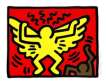 Pop Shop IV, Plate I Keith Haring Signed Print | 15 Apr 2026 | Sotheby's New York | £14,450 | £17,000 | £24,000 |
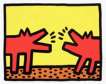 Pop Shop IV, Plate IV Keith Haring Signed Print | 15 Apr 2026 | Sotheby's New York | £22,100 | £26,000 | £35,000 |
 Pop Shop IV, Plate II Keith Haring Signed Print | 15 Apr 2026 | Sotheby's New York | £12,750 | £15,000 | £21,000 |
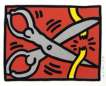 Pop Shop III, Plate III Keith Haring Signed Print | 25 Mar 2026 | Sotheby's London | £25,500 | £30,000 | £45,000 |
Sell Your Art
with Us
with Us
Join Our Network of Collectors. Buy, Sell and Track Demand
Meaning & Analysis
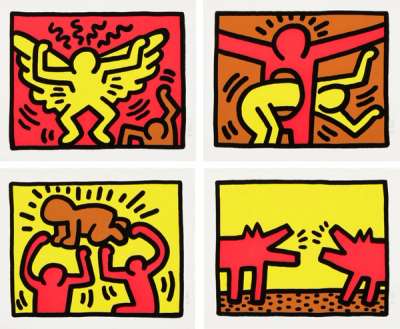
Filled with bright block colours and the artist’s signature graphic style, Haring’s Pop Shop brings together some of his most famous iconography. In 1986, Haring opened the Pop Shop in downtown Manhattan, seeing the boutique primarily as an extension of his work where his art could be accessible to everyone. The Pop Shop series represents some of the works created over those years when the Shop was thriving between 1987 and 1990.
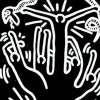
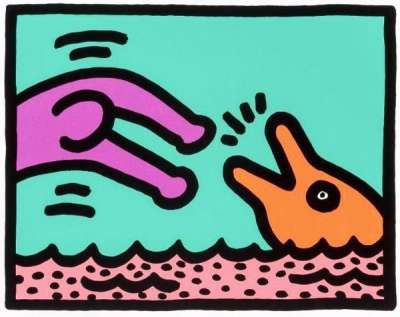
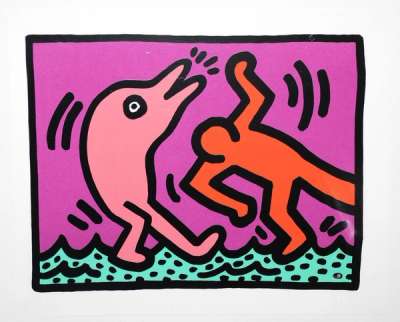
Typical of Haring’s street art style, developed in the early 1980s in the blank advertisement spaces in New York’s subway, these prints are created using thick, black outlines and highly simplified form. These early experiments resulted in a style and iconography for which Haring would become world famous, his barking dog, radiant child and winged angel and devil-like figures instantly recognisable for their originality and playfulness. He would reproduce these figures over and over again, in bright colours reminiscent of advertising, and later, just before his death from AIDS in 1990, in plain white embossings.