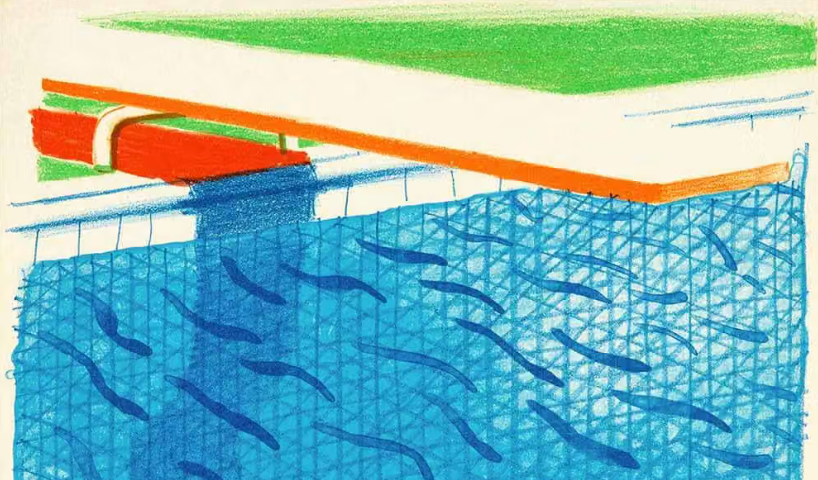
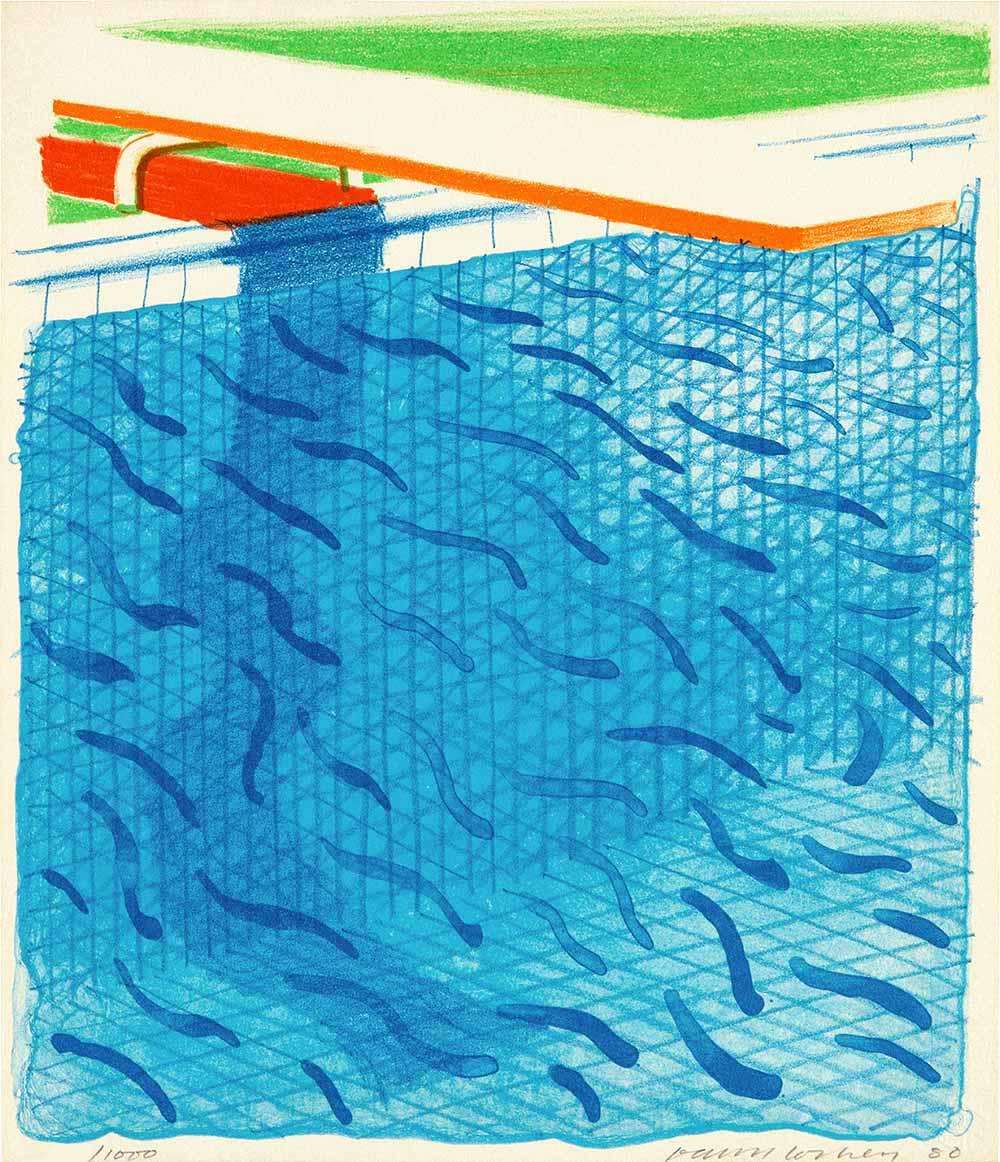
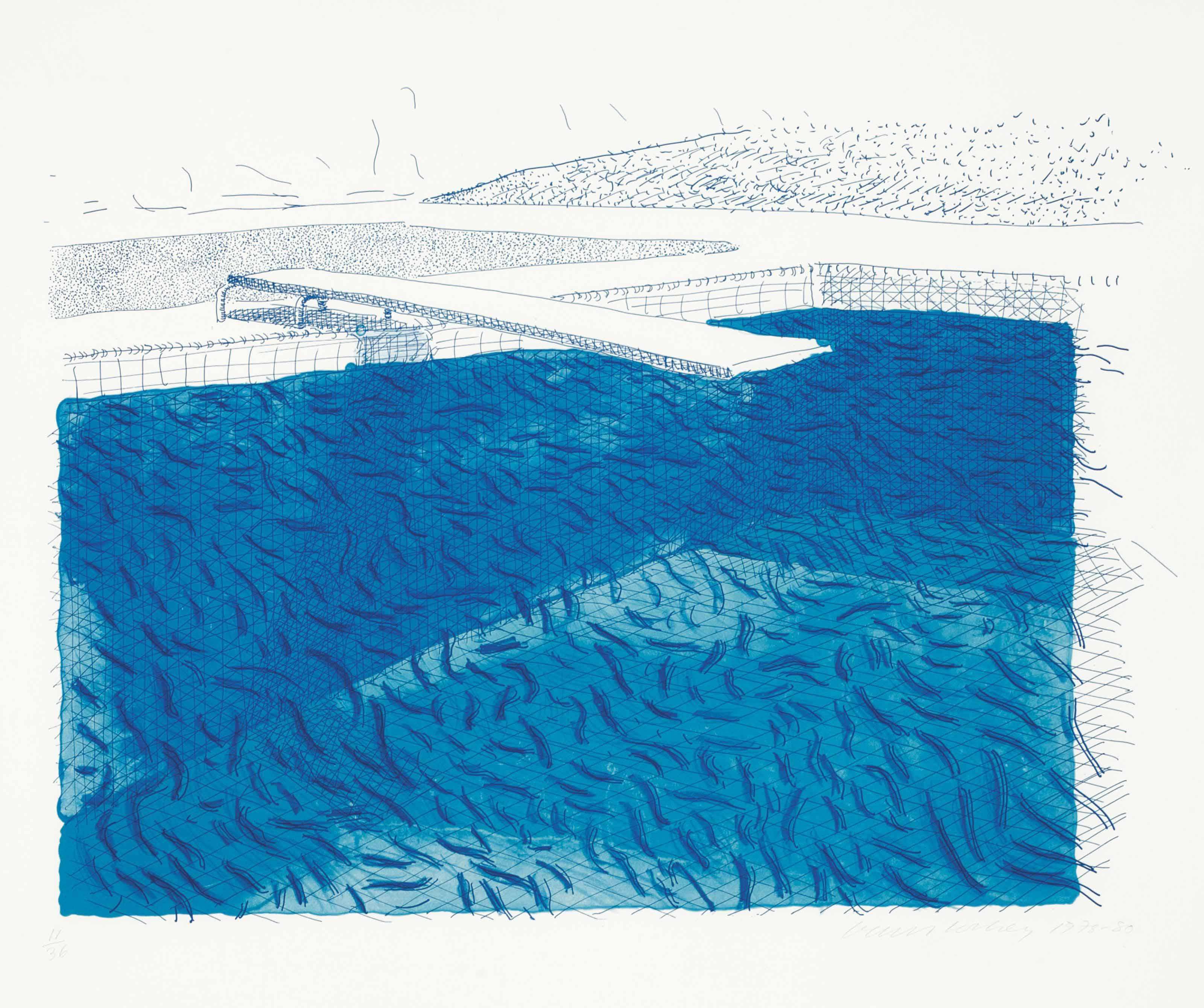
The print is Pool Made With Paper and Blue Ink for Book, from 1980, issued in an edition of 1,000 with the Paper Pools book. It is about as liquid as a Hockney print gets, which is why it makes a useful test. In March it made £50,000 on the hammer at Sotheby's London and £55,000 at Christie's London a day later. In July a copy at Christie's New York made the equivalent of about £29,700. In September Christie's London sold one for £38,000 and Phillips London another for £42,000. All of these figures are hammer prices, before fees, from MyArtBroker's auction data.
So when a seller tells us three people valued their copy at £30,000, £42,000 and £55,000, and asks why anyone would take the lowest, my first answer is that all three valuers may be telling the truth. Each of them can point to a real sale. The useful question is which of those sales tells you most about yours.
The number that wins the consignment
In one sense the highest valuation is the generous one. It takes the best recent result seriously, and sometimes the market obliges. We would never tell a seller that a strong comparable is irrelevant just because it is inconvenient.
And yet the highest figure has a second job, which is winning the work. A valuation is often the opening move in a competition to consign, and the person offering the biggest number has the easiest pitch to make. What happens next is a pattern I see most weeks. The print goes up at the hopeful price. The same small group of serious buyers sees it and checks the comparables. Then they wait. After a few weeks the work has been seen and passed over, which is a kind of information in itself, and the conversation about price starts again. By then the pressure in that conversation tends to fall on the seller, because a stronger buyer has not appeared.
The buyers doing that checking are better equipped than they used to be. The Art Newspaper reported in November that collectors who once bought from primary dealers are moving towards auction houses and private resellers, which it described as a better route to acquiring works closer to their fair market value. A buyer who can find nine results for the same print in a minute does not need to be persuaded that £55,000 is the price. They can see that it was once. A valuation that cannot name its comparables is a mood with a number attached.
What to ask each valuer
The disagreement is easier to resolve than it looks, because it usually comes down to evidence, and evidence can be asked for. I would put four questions to each person who has given you a figure.
1. Which sales is this based on? You want dates and venues. A note on condition is a bonus. A valuation built on the March pair in London is a different claim from one built on the summer and autumn results, and both are defensible if the valuer says which they chose and why.
2. Is this a hammer price, a price with fees, or what I would receive? The difference is large. The £55,000 Christie's result in March becomes £69,850 once the buyer's premium is folded in, which is how auction results are usually published. A seller who hears "it made nearly £70,000" and a seller who hears "it hammered at £55,000" are being told about the same sale, and only one of them is close to the number that reaches the consignor, once any seller's commission comes off.
3. What are you assuming about my copy? Condition on a lithograph of this age can move a result by more than the gap between two auction houses. If the valuer has not seen the sheet out of the frame, the figure is provisional, and a good valuer will say so without being asked.
4. What happens if the first price does not land? This is the question that separates a valuation from a pitch. Someone who has thought about it will tell you how long they would test the price, what they would learn in that time, and what the next step is. Someone who has not will look slightly surprised.
The lowest number is not automatically right
None of this is an argument for the lowest figure. A low valuation can be lazy, built on one weak result and no thought about condition. It can also be convenient for someone who would like to buy the work themselves. The lowest number deserves the same four questions as the highest.
What the questions tend to show is that the right figure sits where the most relevant evidence sits. For this Hockney, a valuer working from the recent run of results would probably arrive somewhere between the summer lows and the London highs, and would explain why your copy belongs nearer one end than the other. At MyArtBroker we define fair market value as the hammer price a willing buyer and seller agree, before fees, because that is the only figure that compares cleanly from one sale to the next. It is also the only one a seller can test against the public record without taking anyone's word for it.
Most sellers, once they have the answers, find the decision makes itself. The three numbers usually turn out to be three readings of the same nine sales, and one of them was read more carefully than the others.
The highest valuation is the easiest to hear. The most useful one is the one you can check.
If you would like to start this conversation about the value of your print, or to view verbatim what the print has sold for over the past 30 years, try starting with our Instant Valuation tool, it’s not AI, it’s machine learning and it’s a great way to look at hammer prices before you speak to an expert.