Sex
Parts
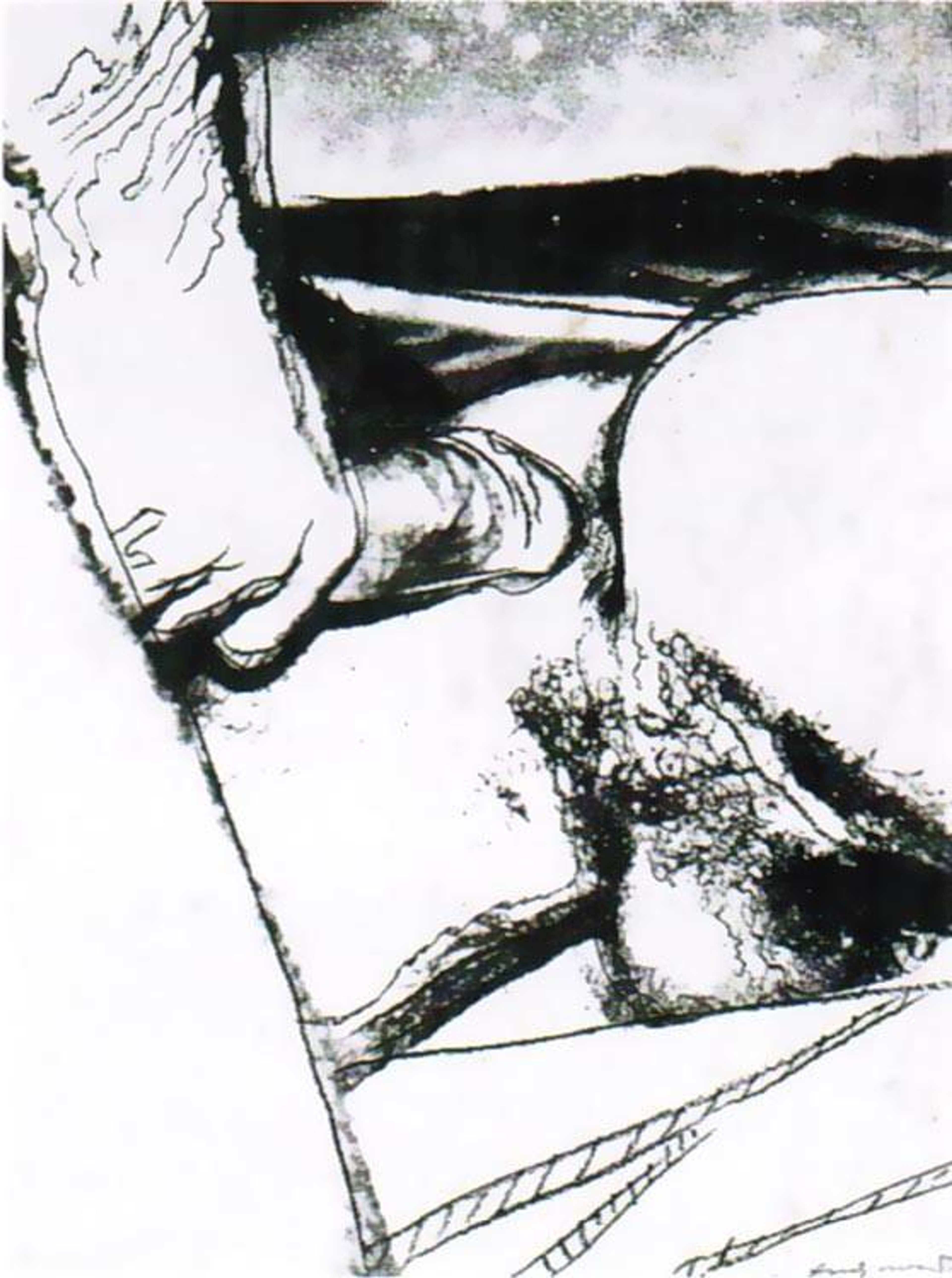
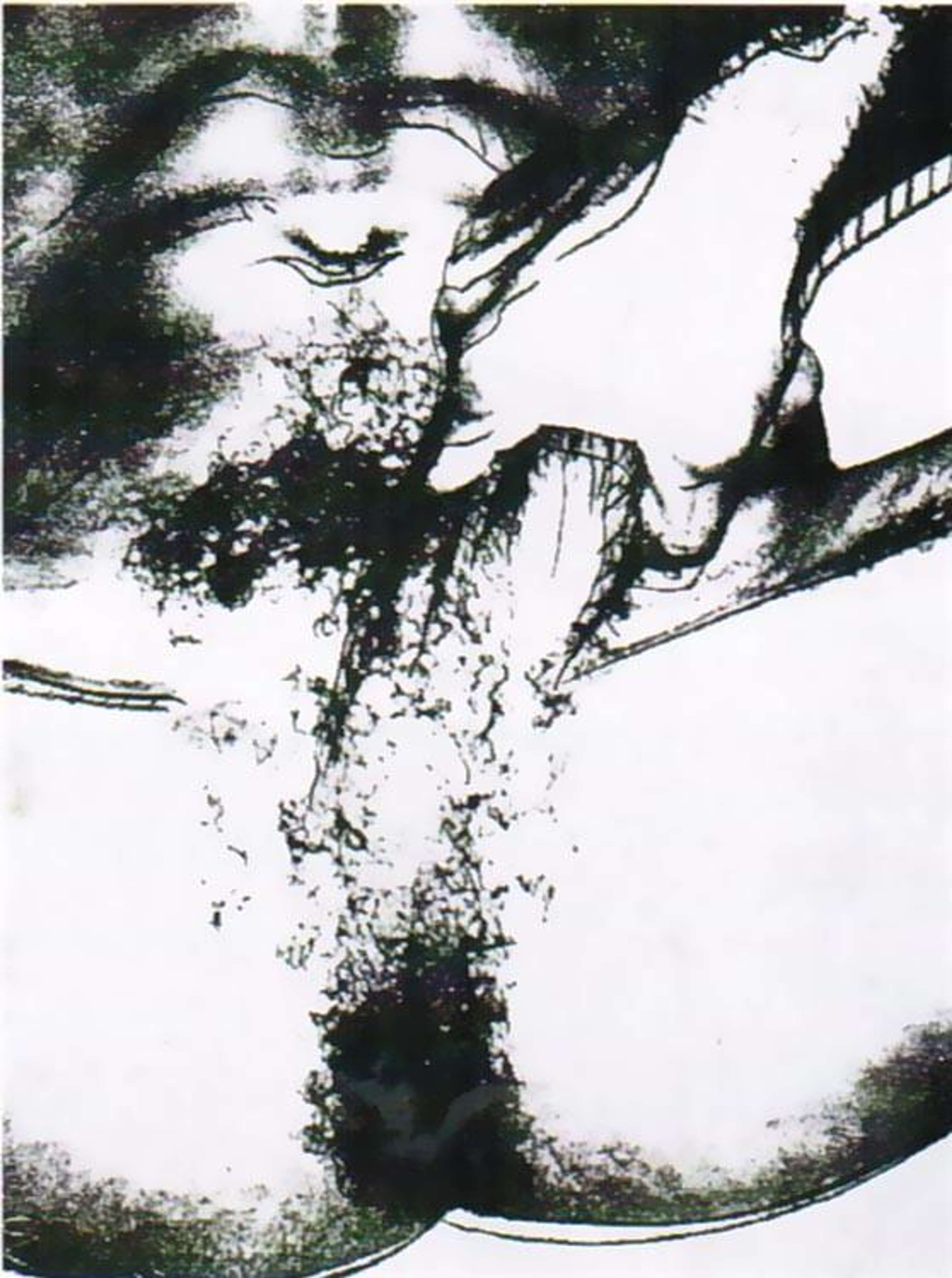
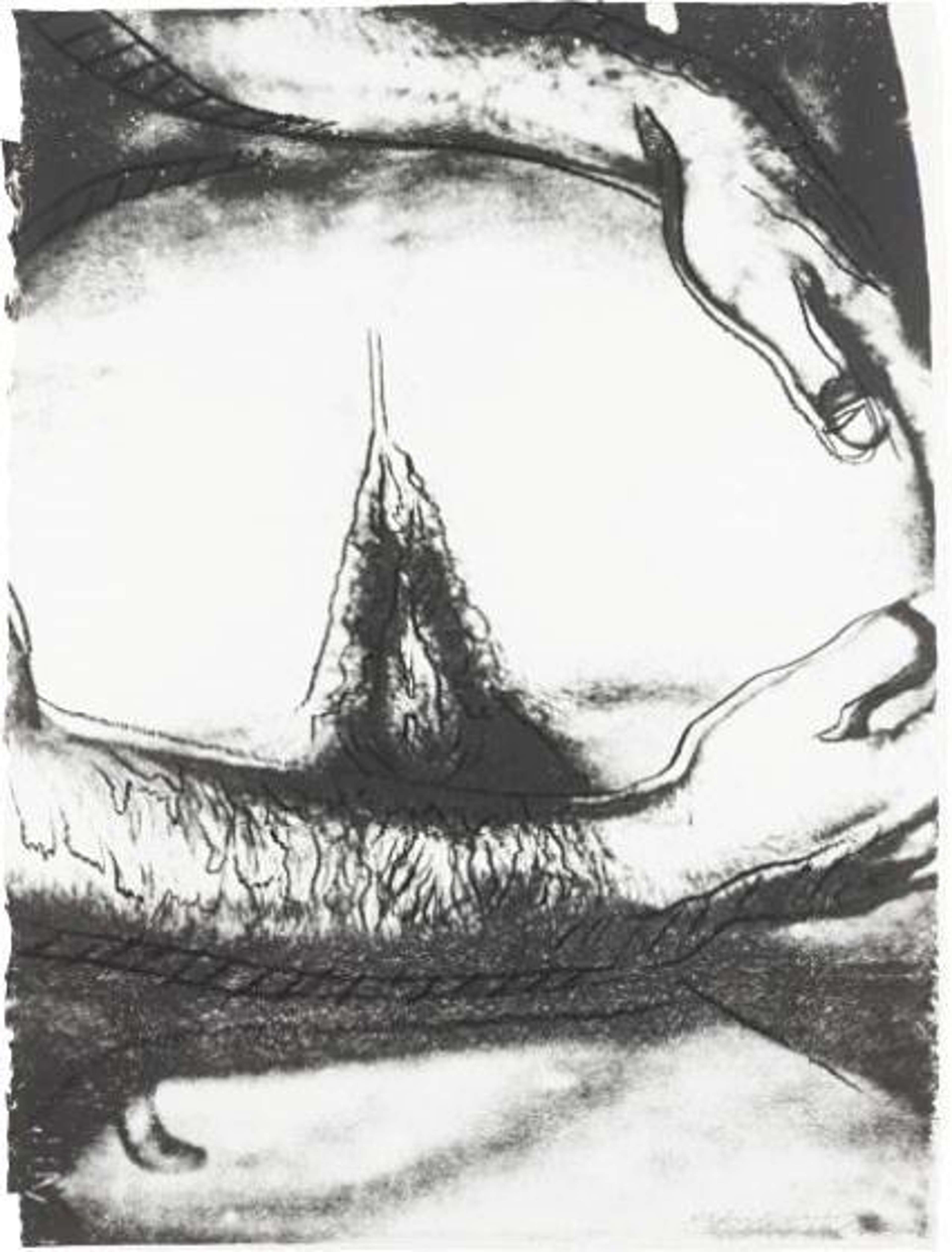
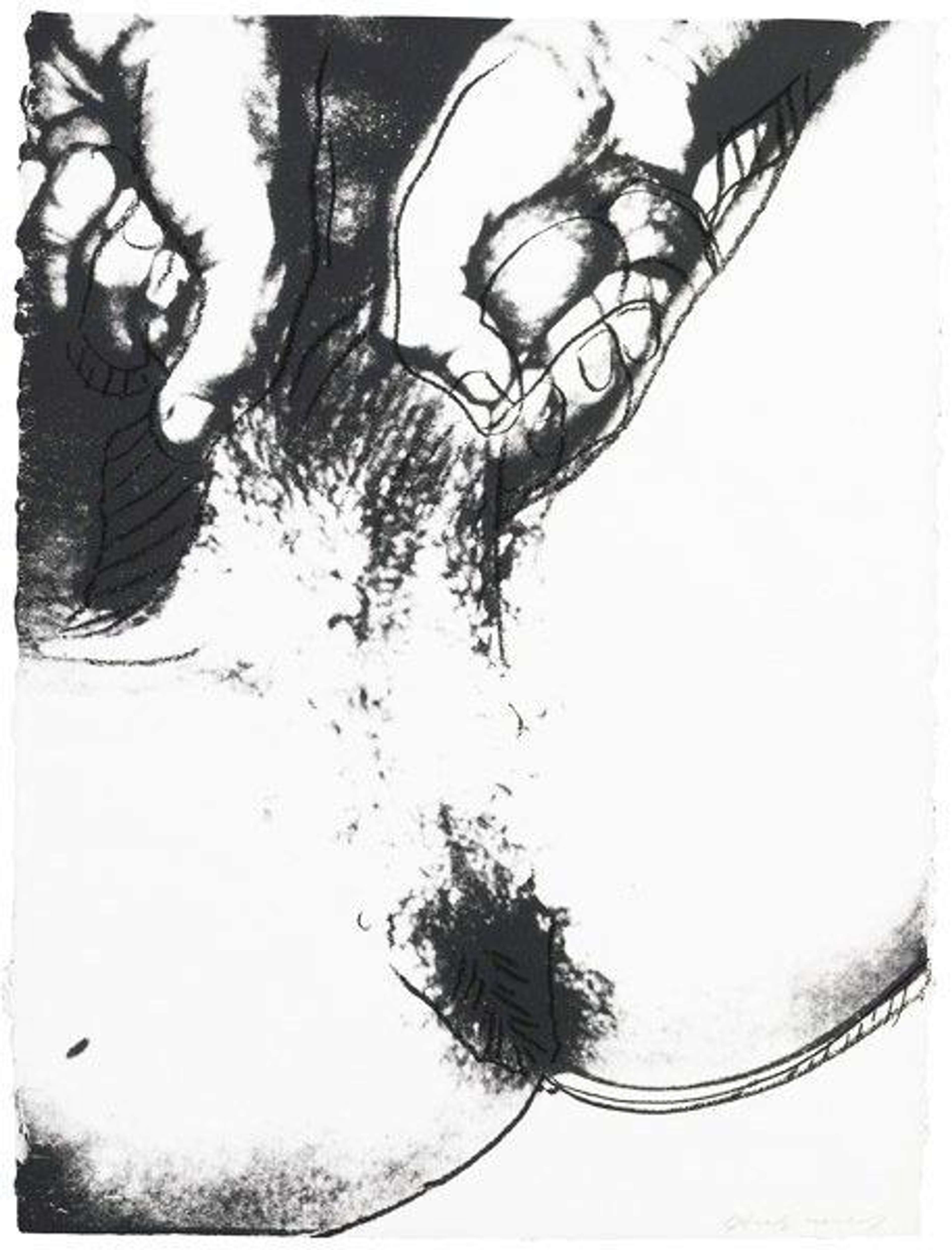
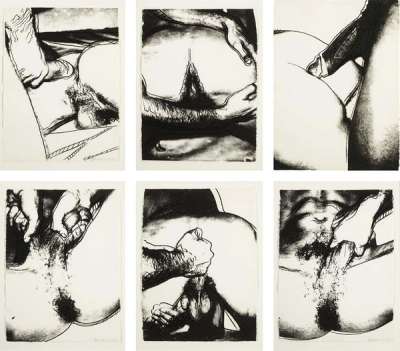
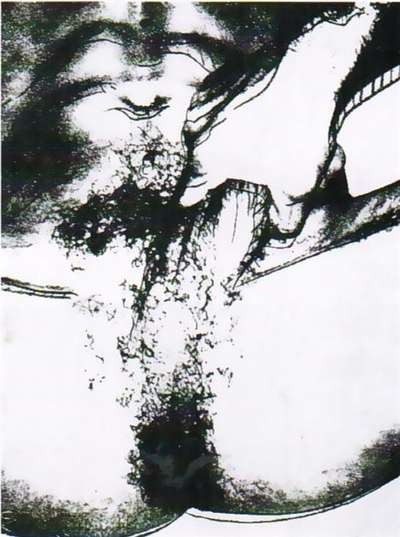
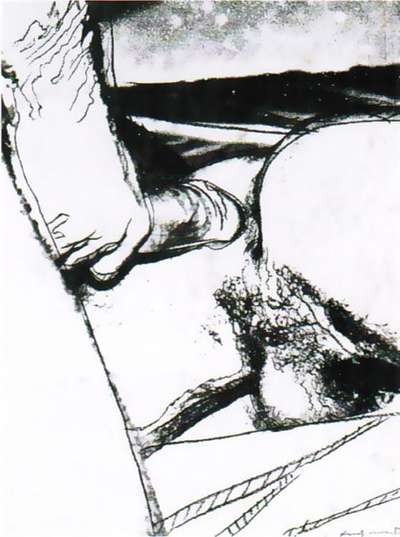
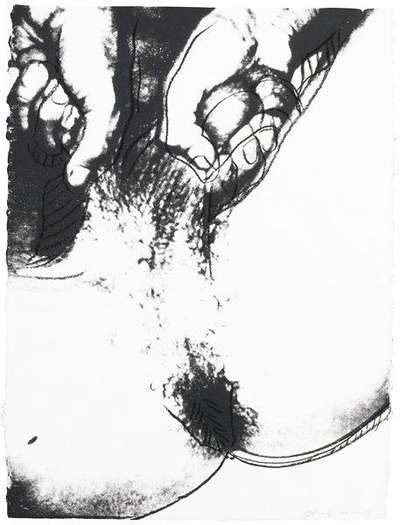
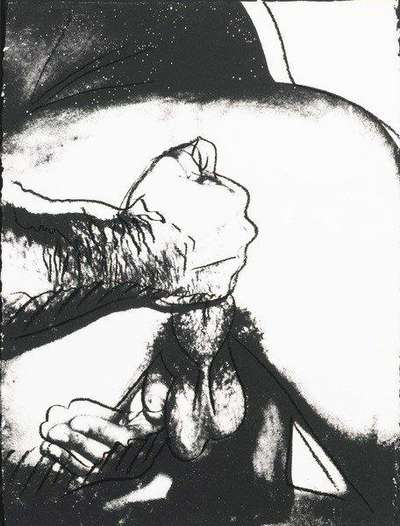
Sex Parts (1978) is Andy Warhol’s exploration of the male form. Sex Parts, alongside Torsos, is exceptionally explicit for Warhol, depicting abundant male genitalia, sex acts and bottoms. Sex was a common, though more typically implicit, theme for Warhol, who was fascinated by sex appeal in pop culture.
Andy Warhol Sex Parts For sale
Sex Parts Value (5 Years)
With £38707 in the past 12 months, Andy Warhol's Sex Parts series is one of the most actively traded in the market. Prices have varied significantly – from £1435 to £28238 – driven by fluctuations in factors like condition, provenance, and market timing. Over the past 12 months, the average selling price was £5529, with an average annual growth rate of -5.86% across the series.
Sex Parts Market value
Auction Results
| Artwork | Auction Date | Auction House | Return to Seller | Hammer Price | Buyer Paid |
|---|---|---|---|---|---|
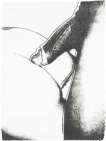 Sex Parts (F. & S. II.174) Andy Warhol Signed Print | 6 Aug 2026 | Wright | £4,250 | £5,000 | £6,500 |
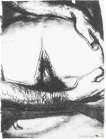 Sex Parts (F. & S. II.173) Andy Warhol Signed Print | 6 Aug 2026 | Wright | £4,675 | £5,500 | £7,000 |
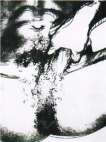 Sex Parts (F. & S. II.177) Andy Warhol Signed Print | 6 Aug 2026 | Wright | £4,250 | £5,000 | £6,500 |
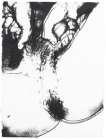 Sex Parts (F. & S. II.175) Andy Warhol Signed Print | 19 May 2026 | Lama | £4,675 | £5,500 | £7,500 |
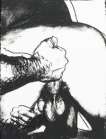 Sex Parts (F. & S. II.176) Andy Warhol Signed Print | 19 May 2026 | Lama | £3,570 | £4,200 | £5,500 |
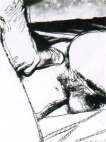 Sex Parts (F. & S. II.172) Andy Warhol Signed Print | 22 Aug 2024 | Swann Galleries | £3,953 | £4,650 | £6,000 |
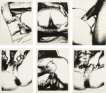 Sex Parts (complete set) Andy Warhol Signed Print | 20 May 2023 | De Vuyst | £14,450 | £17,000 | £20,000 |
Sell Your Art
with Us
with Us
Join Our Network of Collectors. Buy, Sell and Track Demand
Meaning & Analysis
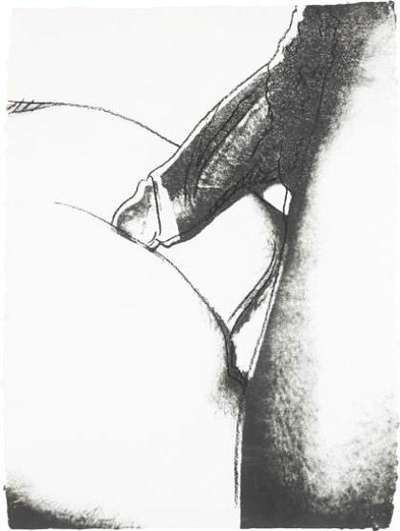
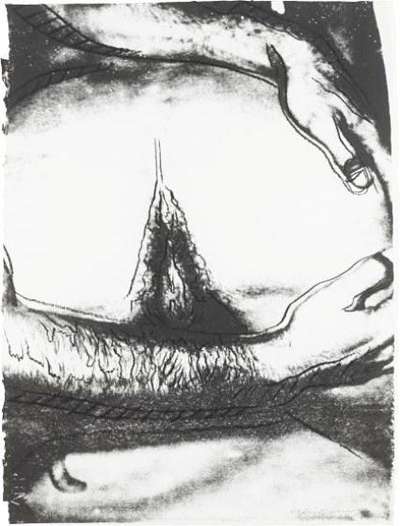
Produced in 1978, Sex Parts is a series of seven black and white screen prints on HMP paper. Departing from his exploration of consumerism, fame and popular culture, this series captures Warhol’s fascination with the human form. Each print in the series depicts an explicit close-up of male genitalia engaged in sexual activity, as indicated by the collection’s title. The artist prefers to describe these images as ‘landscapes’, instead of nudes, which reflects his interest in the body as a site of artistic exploration and discovery.
The images in this series are rendered in a sketch-like style which contrasts with Warhol’s other artworks which are characterised by his use of bright and bold block colours, layering and thick gestural lines.
In the 1960s Warhol started making explicitly sexual films, such as Blow Job (1964), a short, silent film featuring DeVeren Bookwalter receiving a blow job from an offscreen partner, and Blue Movie (1969), an erotic film which has come to be regarded as a seminal film in the Golden Age of Porn. Many of Warhol’s films from the 1960s were overlain with references to homosexual desire and sexual escapades.
Warhol preferred to maintain a distinction between his fine artworks and his films as the artists was aware that the art world was more conservative and explicit sexual imagery would not be popular with museums or art collectors. Sex Parts, however, marks a turning point in Warhol’s artistic career and the artist’s bold decision to incorporate sexual imagery into his artworks, despite the fact that he would have a hard time selling them to galleries and dealers. The collection is important as it reveals some of Warhol’s deep desires which he rarely expressed elsewhere in his art.
Sex Parts can be seen alongside another collection of prints, Torsos, both of which were produced in the 1970s and include explicit sexual imagery. Torsos includes images of male and female genitalia and buttocks, and these nudes are less risqué than those in Sex Parts which depict explicit acts of oral and anal sex.