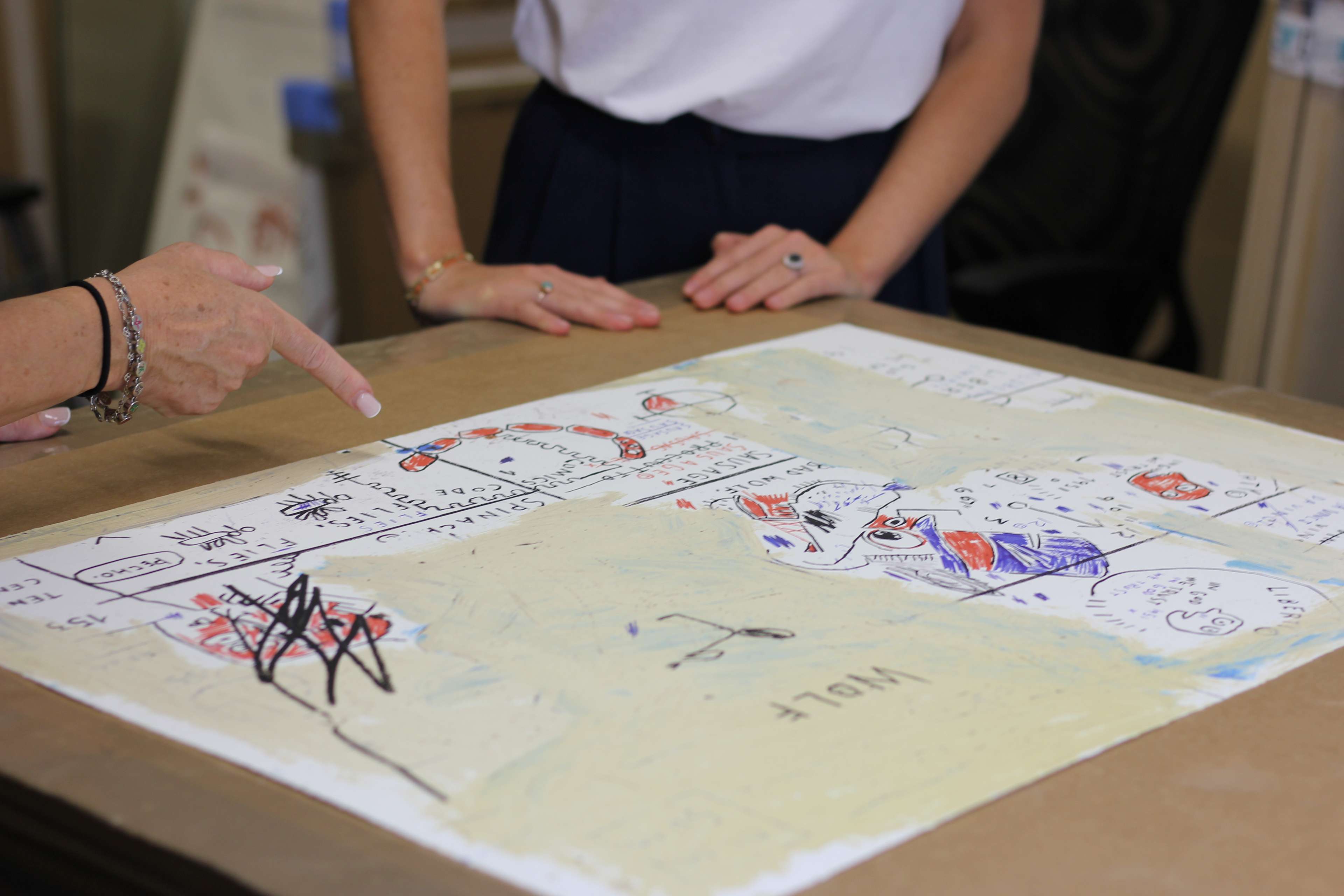


Jean-Michel Basquiat is one of the most significant artists of the late twentieth century, and his prints continue to perform strongly on the secondary market. This was underscored by the sale of Back Of The Neck (1983) at Doyle, New York, in November 2023, where the print achieved $1,119,000, setting a new auction record for a Basquiat print. Unlike artists such as David Hockney or Andy Warhol, Basquiat’s print output is relatively limited and shaped by posthumous estate activity, a context that can make questions of authenticity more nuanced. Understanding how authenticity is assessed plays a key role in safeguarding both value and legacy.
Why Authenticating Jean-Michel Basquiat Prints Is Different
Authenticating Basquiat prints requires a different approach because most editioned works were produced after the artist’s death in 1988. Unlike many artists who had decades to create and sign print editions, Basquiat’s printmaking was brief and his lifetime output was minimal. Today, the majority of Basquiat prints on the market were published posthumously under the supervision of his estate. As a result, many authentic examples do not bear his direct signature – instead, authenticity is established through provenance and supporting documentation.
The estate’s authentication committee was disbanded in 2012, so there is no official body currently providing certificates or verdicts on whether a given print is real. Without a formal catalogue raisonné or archive to reference, collectors and experts must refer to documentation such as original gallery invoices, publisher records, or auction listings, as well as careful examination of the print’s physical attributes. Together, these make Basquiat print authentication a more context-dependent process than usual.
Understanding Basquiat’s Print Practice
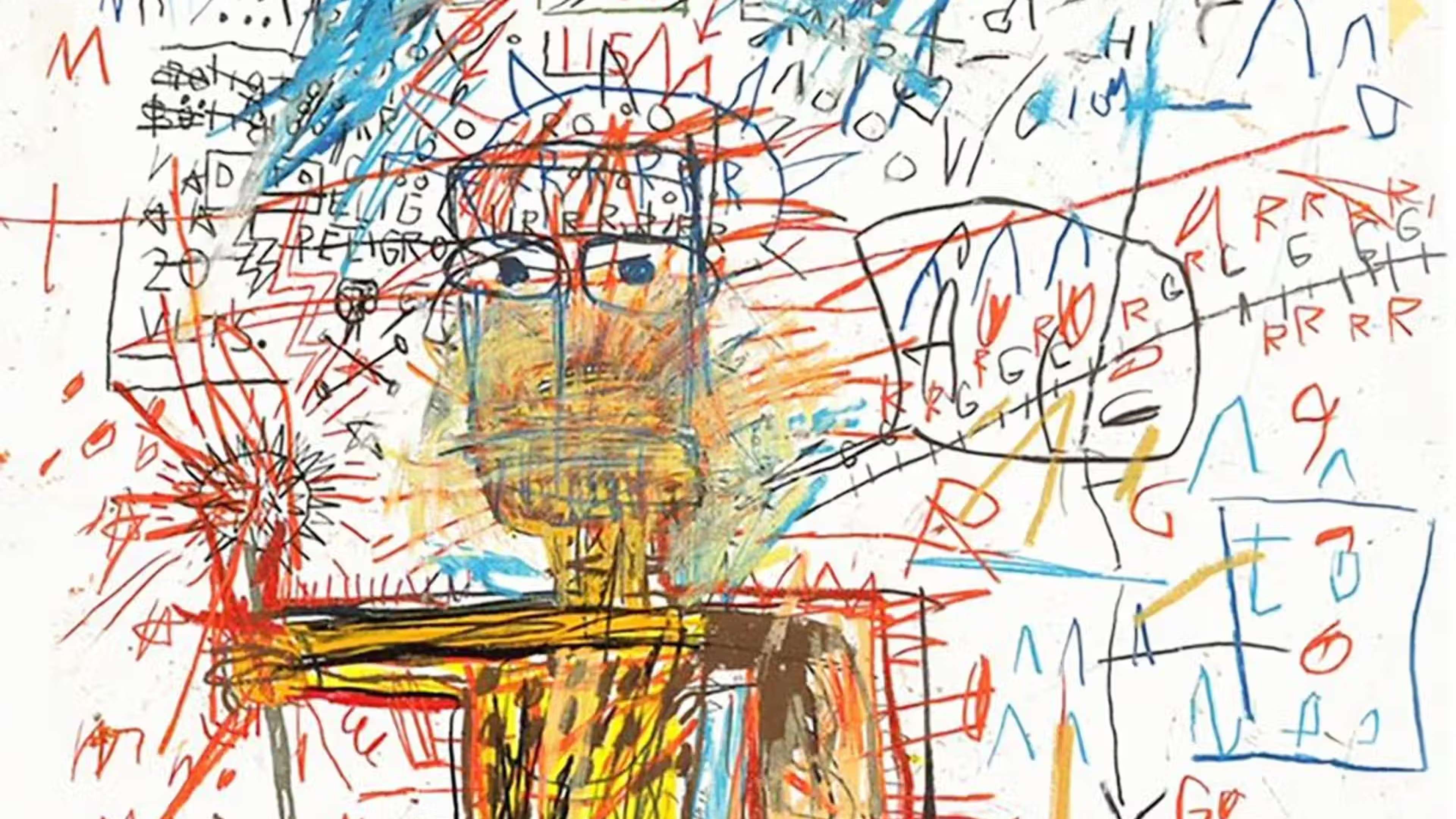
Basquiat was primarily a painter and draughtsman, and he engaged in printmaking only briefly during his short career. He created very few editioned prints during his lifetime, all produced in the early 1980s as his fame was rapidly rising. Notably, in 1982 he developed a series of anatomical screenprints titled Anatomy, published through Annina Nosei Gallery. In 1983, during a visit to California, he collaborated with New City Editions on large-scale screenprints including Back Of The Neck. These works were issued in limited editions and in some cases (most notably Back Of The Neck) involved Basquiat’s direct hand through signing, dating, and hand-colouring.
Basquiat Lifetime Editions
Two of the most significant and rare print projects Basquiat undertook during his life are the Anatomy series and the related Anatomy Studies images. These stand out because they were conceived and executed by Basquiat himself in 1982–83, unlike later reproductions.
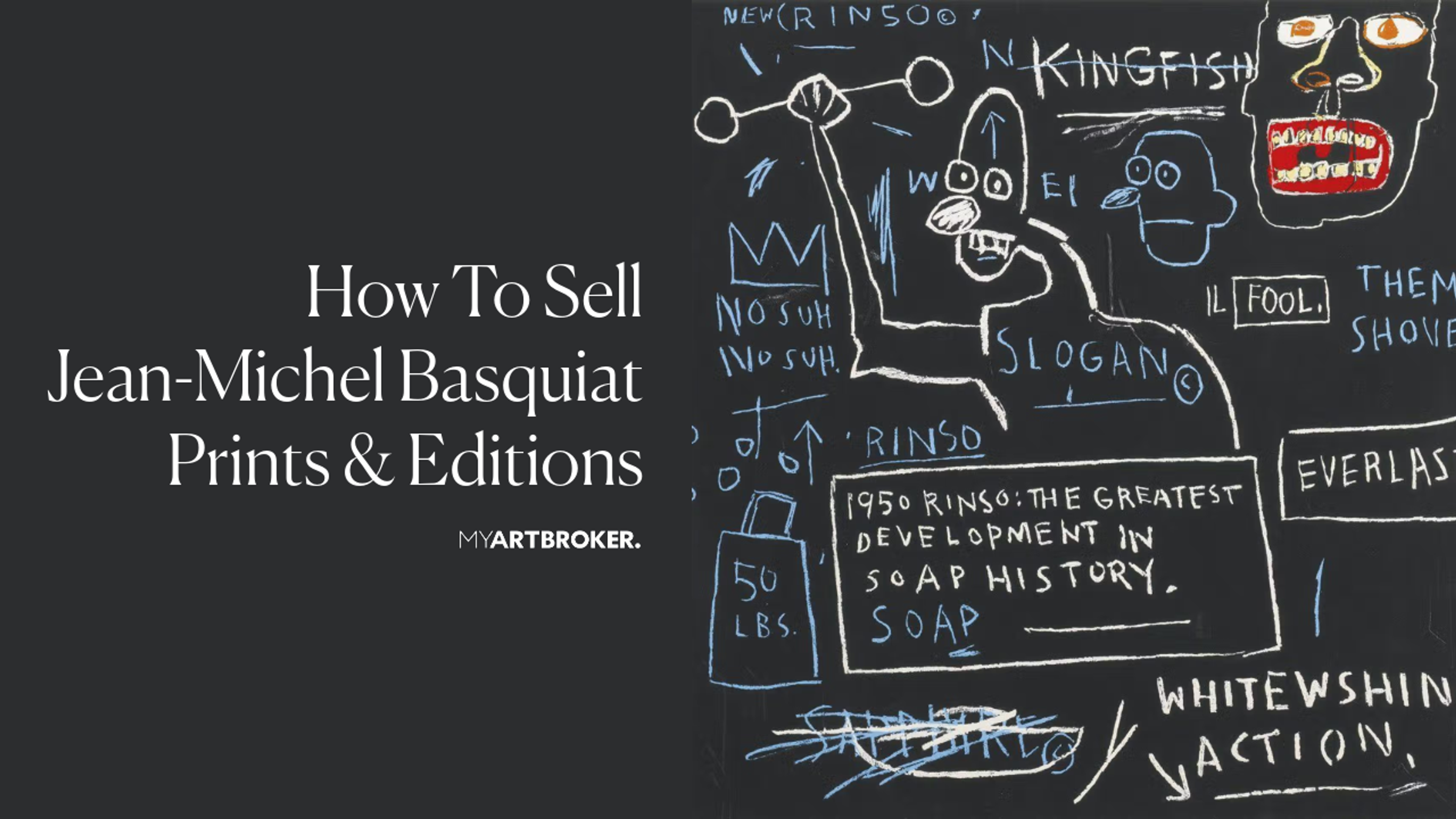
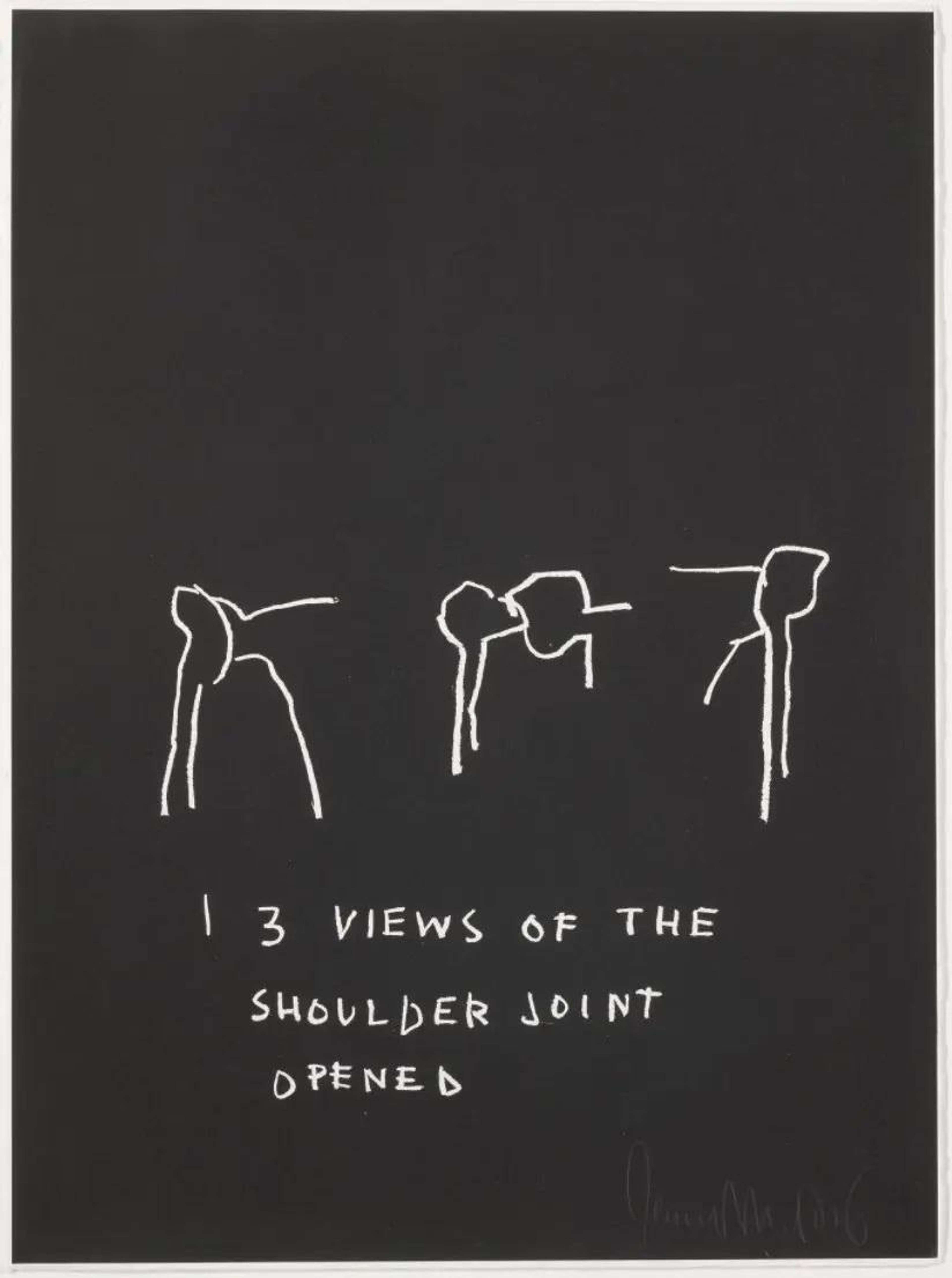
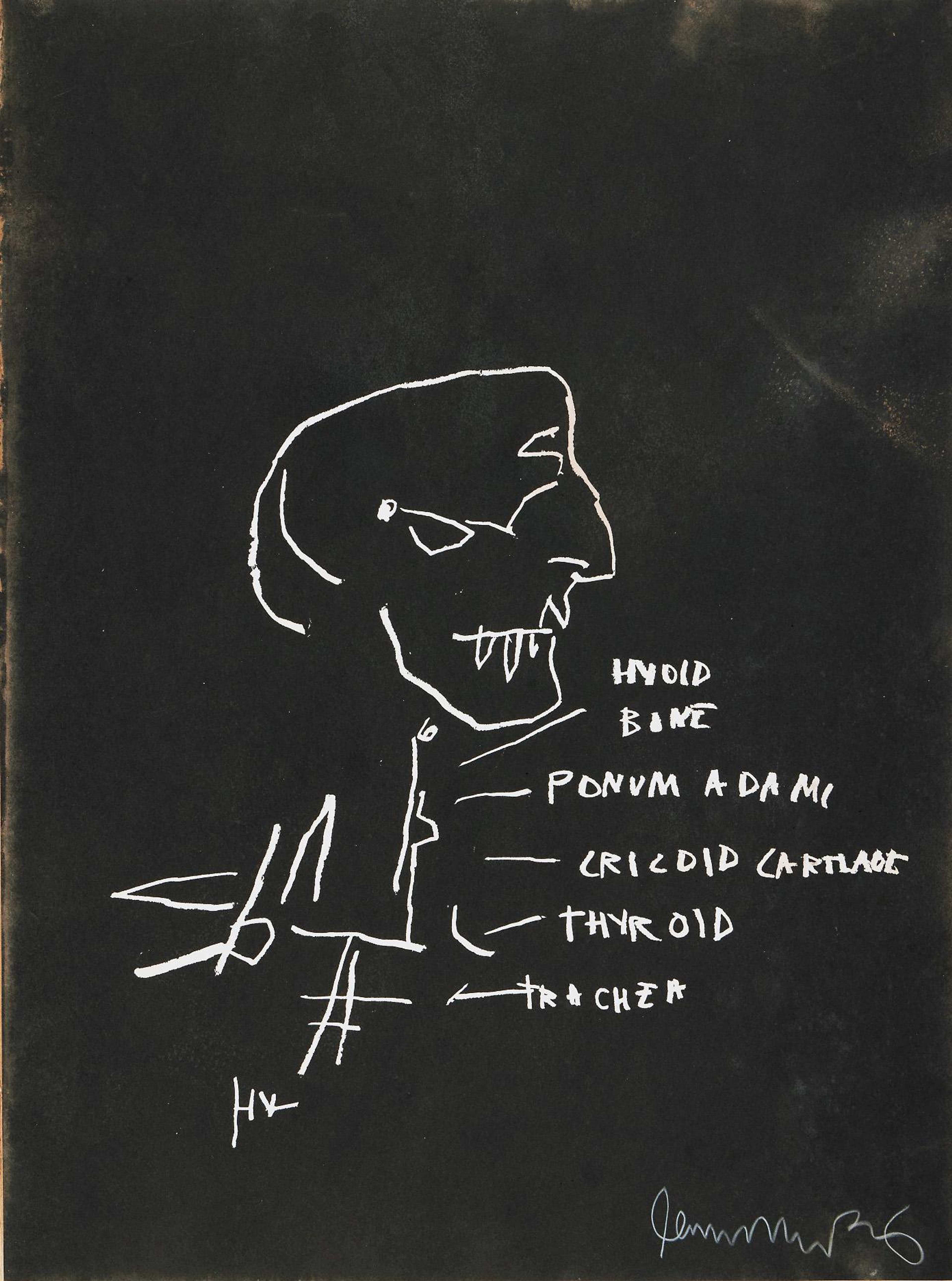
The Anatomy series (1982) is Basquiat’s only formally titled and thematically unified suite of prints produced during his lifetime. In his early twenties, inspired by his childhood obsession with the medical textbook, Gray’s Anatomy, Basquiat worked with Annina Nosei’s gallery to produce 18 screenprints depicting skeletal parts, organs, and diagrams with written labels. Each print has a black background with white drawing and text, mimicking chalk on a blackboard.
Beyond the formal Anatomy portfolio, Basquiat also created a small number of prints in 1983 that explore related anatomical themes. These are sometimes collectively referred to as Anatomy Studies, however these were not released as an official portfolio. Key examples include: Back Of The Neck, Untitled (Teeth), Da Vinci, Leg Of A Dog, and Academic Study Of The Male Figure. These prints are limited in Basquiat’s print market and they differ from estate prints in appearance, authorship, and often in size and paper.
Were Any Basquiat Prints Signed During His Lifetime?
Given how prevalent estate prints are, a common question is whether Basquiat ever personally signed any prints. The answer is yes – but these are rare exceptions. Basquiat did sign and number the limited prints he produced while alive: his Anatomy prints were all individually signed and numbered by the artist in 1982. Due to Basquiat’s young death in 1988, any print dated after that year cannot have his personal signature.
Estate-Signed Basquiat Prints Explained
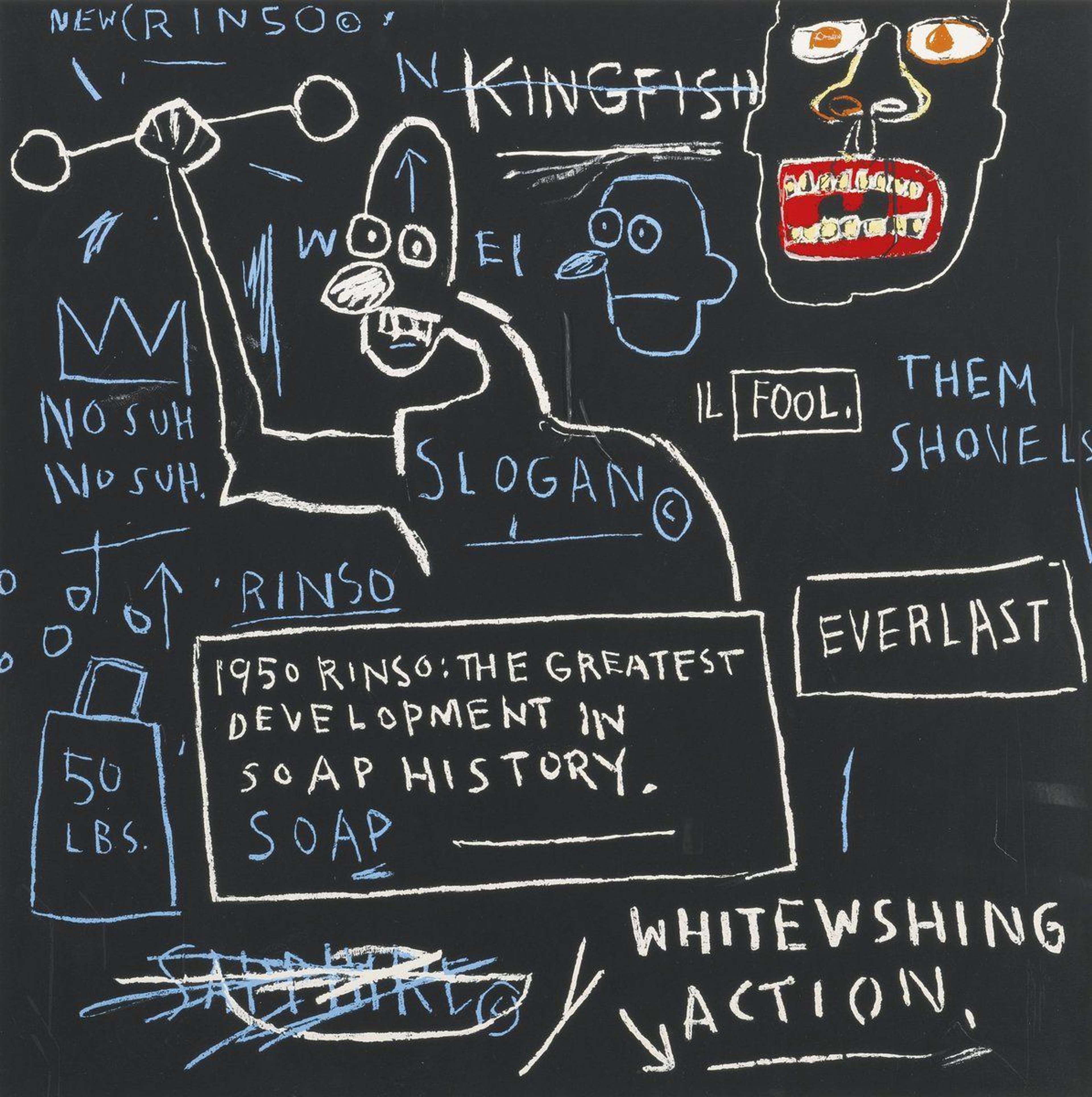
The wording “estate-signed” print indicates a print that was produced after Basquiat’s death and officially approved by the artist’s estate, with a signature or mark from the estate rather than from Basquiat. Since Basquiat can’t sign these editions himself, posthumous prints are authorised and validated by the estate, typically through an estate signature or official stamp. Following Basquiat’s death, posthumous prints were produced under the administration of his estate, which was managed by his father, Gerard Basquiat, until 2013. In more recent years, Basquiat’s two sisters, Lisane Basquiat and Jeanine Heriveaux, have taken over stewardship of the estate. They now oversee posthumous prints in their capacity as estate executors. Therefore, “estate-signed” usually means signed by the Basquiat estate and often accompanied by an official estate stamp on the print.
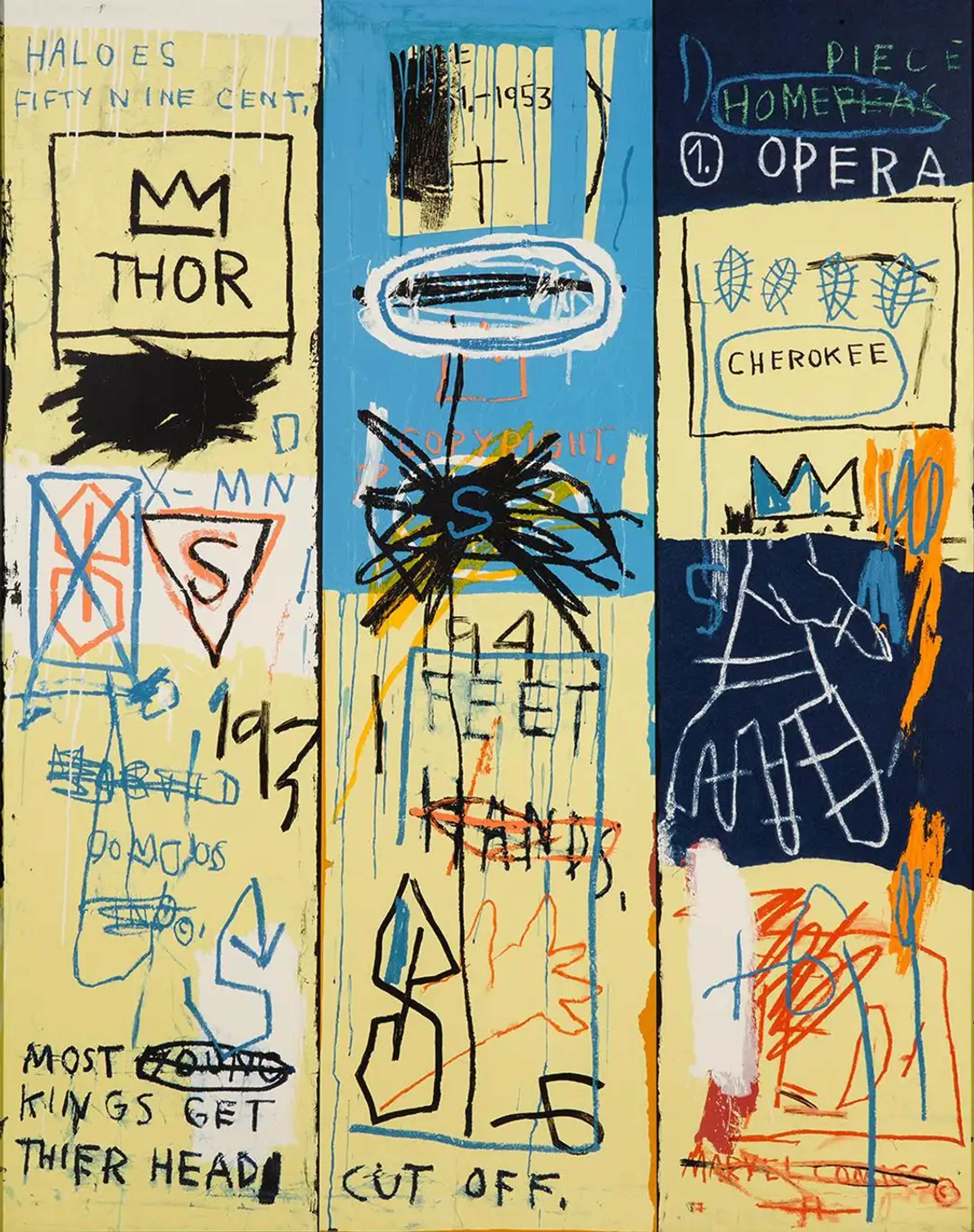
Estate-signed Basquiat prints are legitimate as authorised limited editions created to continue Basquiat’s legacy. The estate works closely with high-end print publishers such as Flatiron Editions and Pace Prints to produce these in small batches to maintain quality control and scarcity. This practice is explicitly stated when such prints are described in auction catalogs or documentation, and these prints occupy a recognised place in Basquiat’s oeuvre.
Provenance and Certificates of Authenticity for Basquiat Prints
Due to the nuances around Basquiat’s signatures and posthumous editions, provenance is especially helpful in authentication. This could include the original bill of sale or invoice from the gallery or publisher, auction sale records or exhibition loan paperwork if it was shown in a museum. Formal Certificates of Authenticity (COA) were not a consistent feature of Basquiat’s lifetime print market, so if you have a print from that period, the absence of a COA is not necessarily a red flag. Exhibition catalogues can also serve as provenance: if the print was shown in a retrospective, it might be illustrated and described in the catalogue, linking your copy to that event.
Printing Techniques and Materials Used in Basquiat Prints
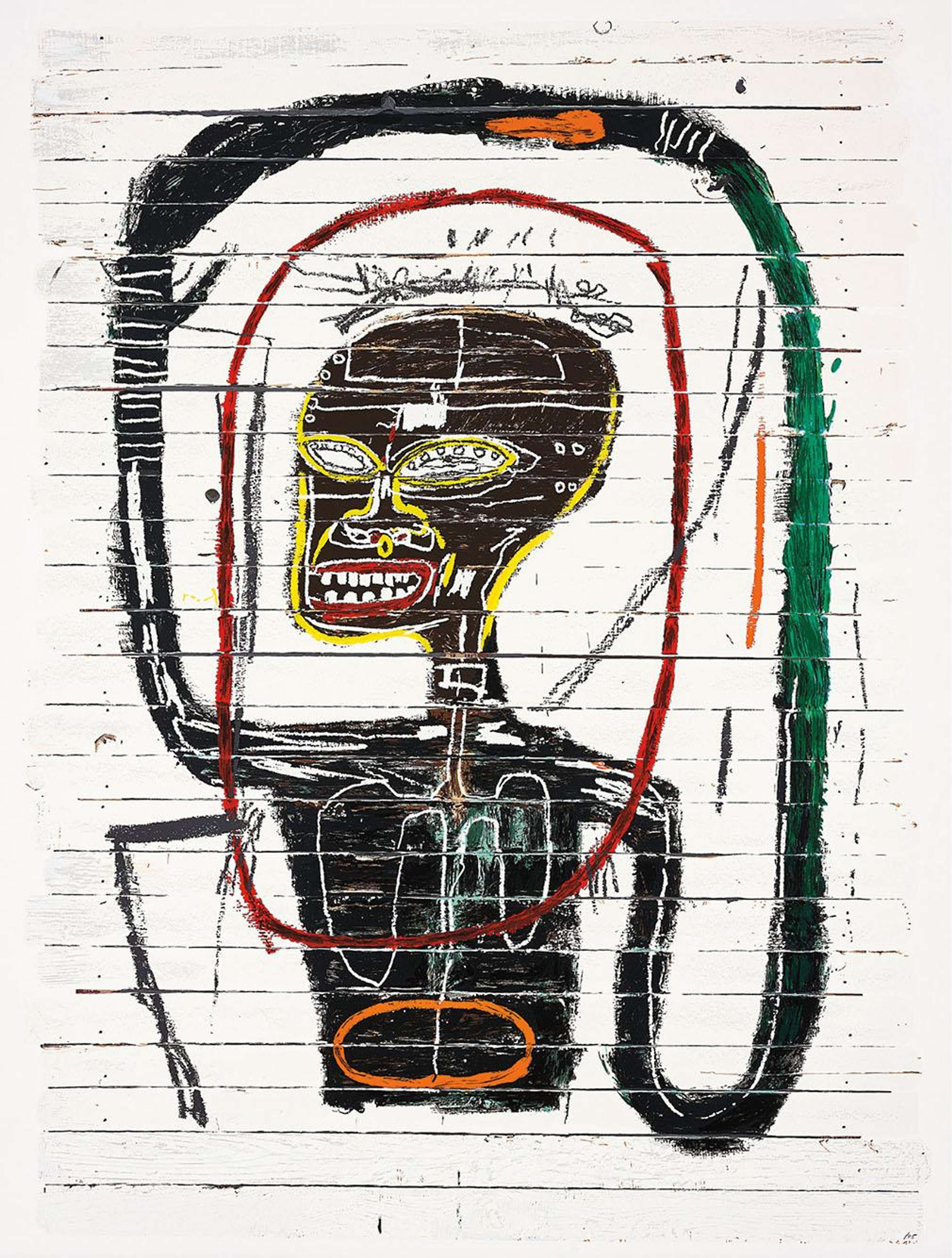
The physical materials of a Basquiat print can provide clues to authenticity. Genuine prints were produced on high-quality, archival paper designed for fine art. Each official edition is associated with a specific paper type – for example, Basquiat’s Anatomy series from 1982 was printed on Arches 88 wove paper: a heavyweight, acid-free cotton paper traditionally used for screenprinting and lithography. Likewise, Back Of The Neck (1983) was produced on Stonehenge paper: a durable, archival-grade paper made in the United States and commonly used in fine art printing. Estate-authorised prints have continued this approach, often using premium stocks such as Somerset or Saunders Waterford. In some cases, the material choice is conceptually linked to the original artwork: for example, Flexible (1984/2016) was printed on thick museum board to echo the texture of the wood used in Basquiat’s original painting.
In terms of printing technique, many of Basquiat’s best-known editions are screenprints. His stylistic line work and use of flat colour were particularly well suited to the screenprinting process, which was used for the Anatomy series, his 1983 print projects, and many later estate-authorised releases.
Condition Issues That Affect Basquiat Print Authentication
Condition can play a role in authenticating Basquiat prints, but it should always be assessed in context. Signs of natural ageing, such as minor discolouration or creases, can support the work’s date, while pristine paper on an older print may prompt closer inspection. However, condition alone is not definitive proof for or against authenticity. Posthumous estate prints are typically better preserved due to careful handling at the time of issue, so any restoration, staining, fading, or paper damage should be documented and professionally reviewed, especially if the work lacks other supporting provenance.
Seek Expert Authentication for Basquiat Prints
If you are looking for advice to authenticate your Jean-Michel Basquiat print, get in touch with our team of specialists.
Request a valuation for your Basquiat print today.