Paintings
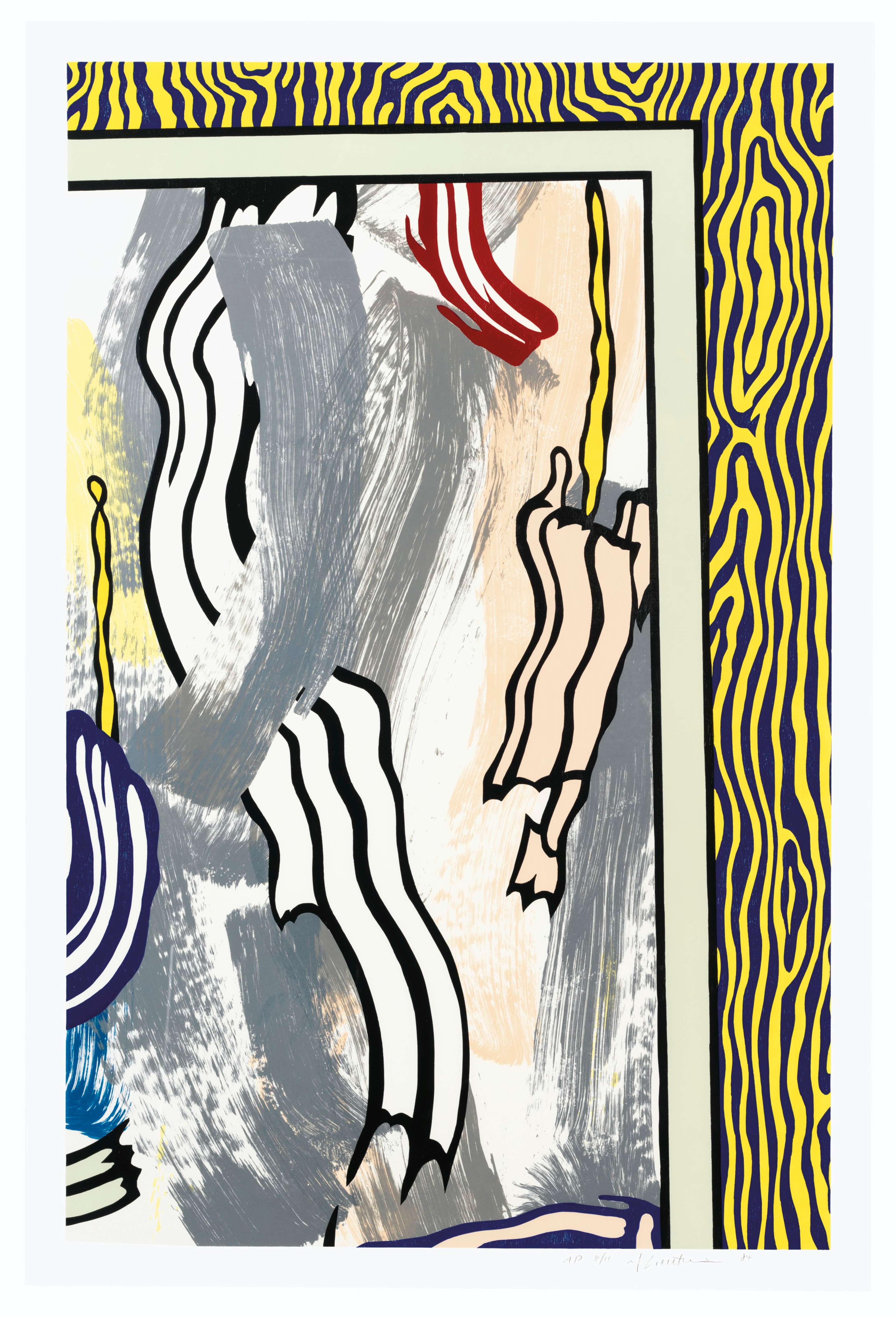
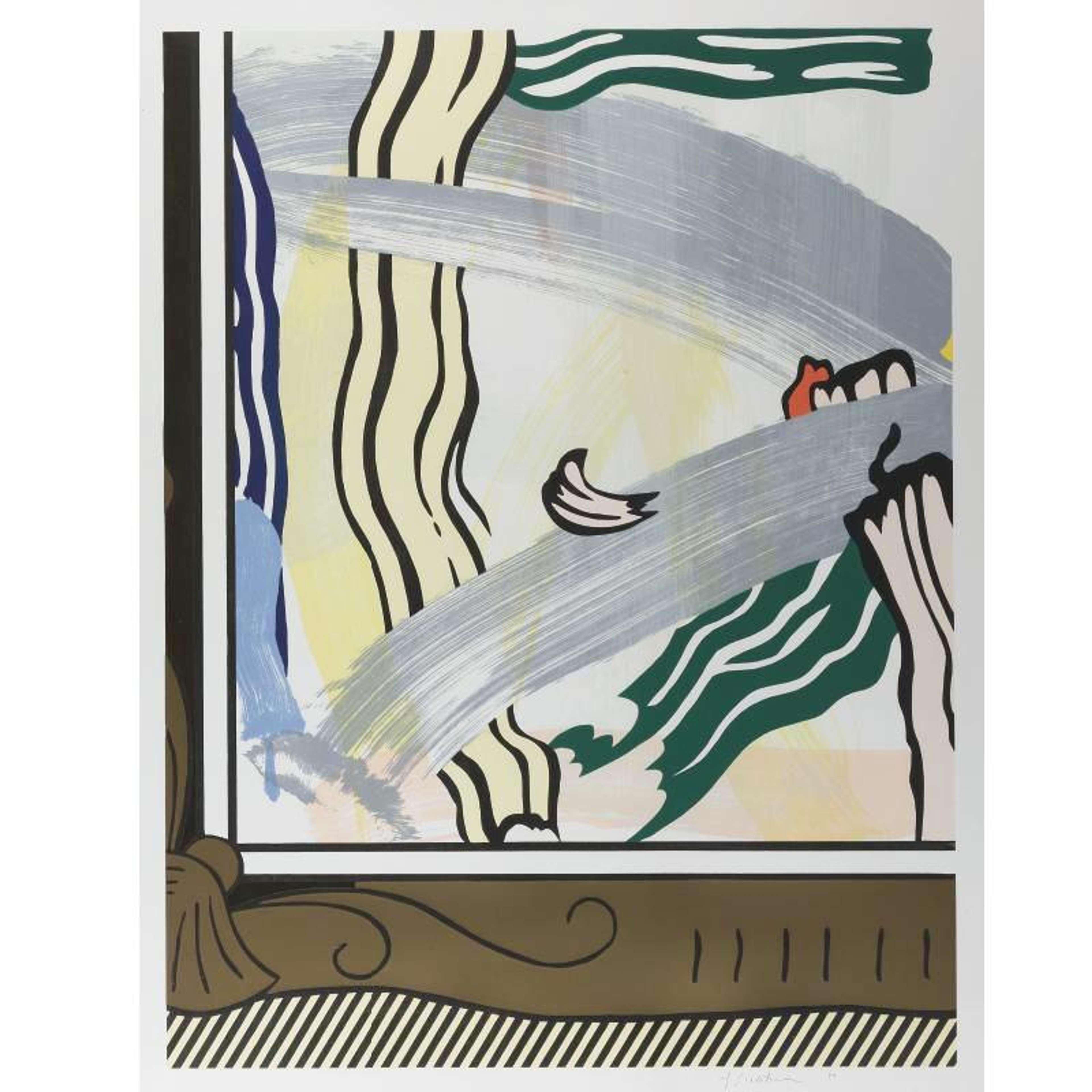
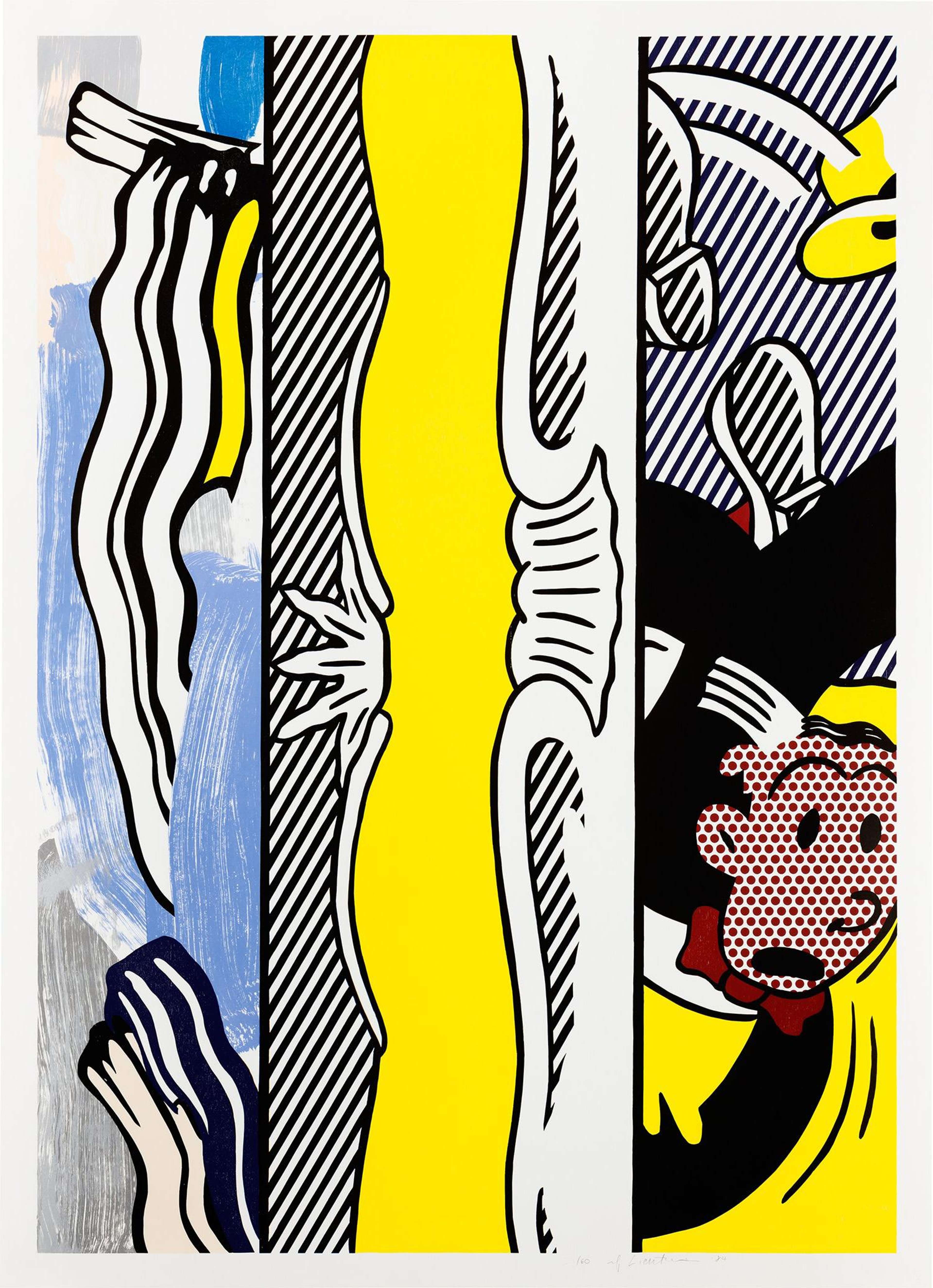
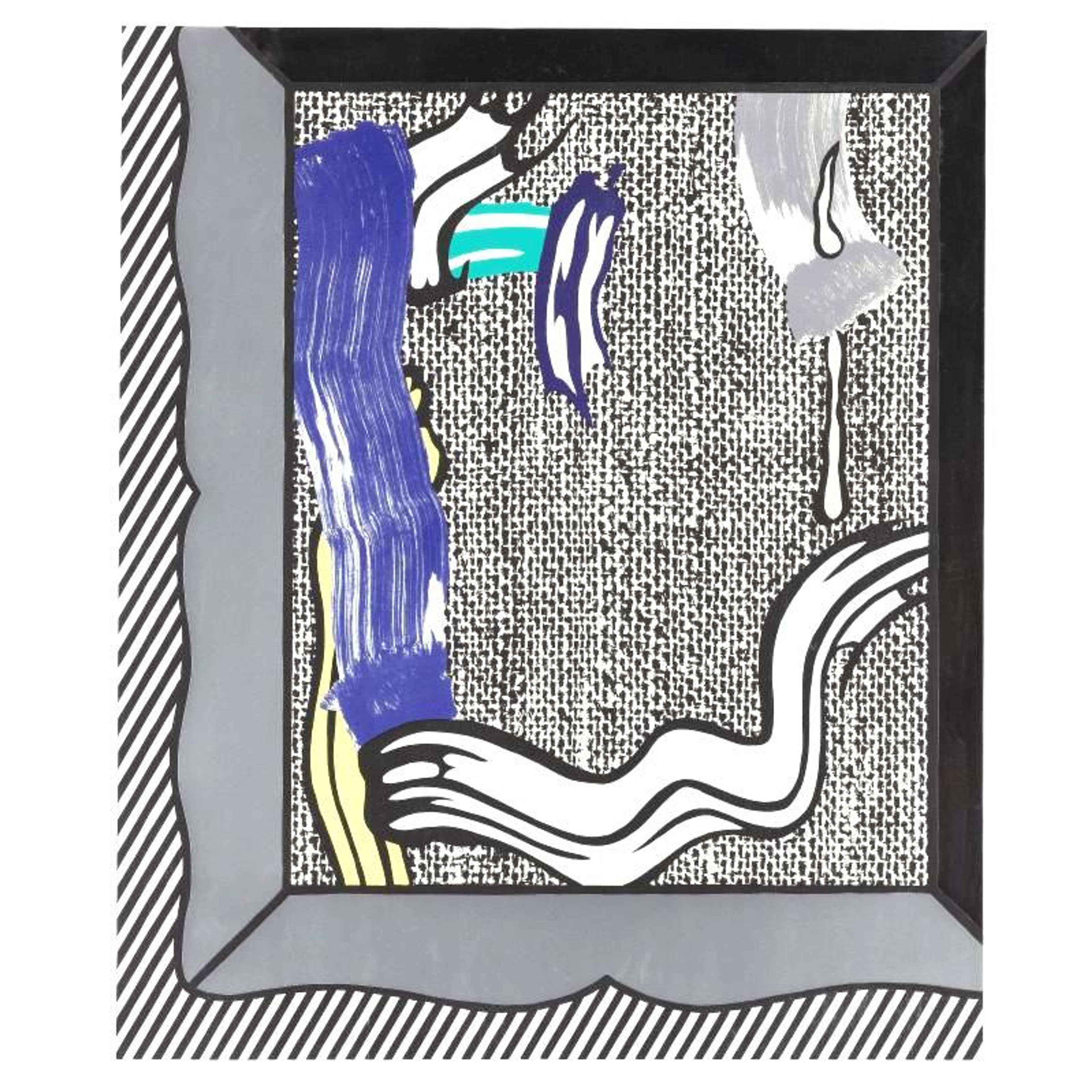
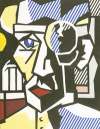
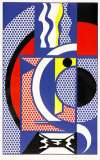
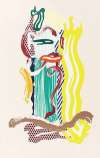
Roy Lichtenstein’s Paintings is a distinctive example from 1984 of the artist's ability to reconcile contrasting subjects and styles. Challenging the notion of artistic originality, he transposes fictitious framed paintings into his own style, simultaneously allowing the flattening aspect of his art to shine through.
Roy Lichtenstein Paintings For sale
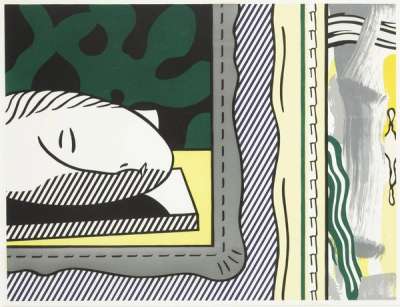
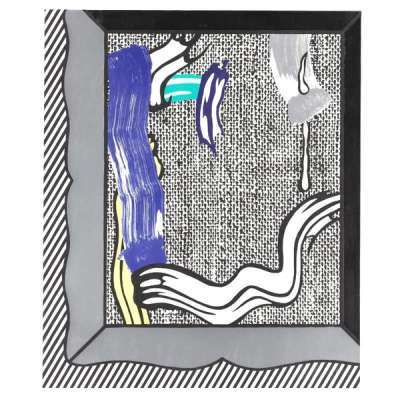
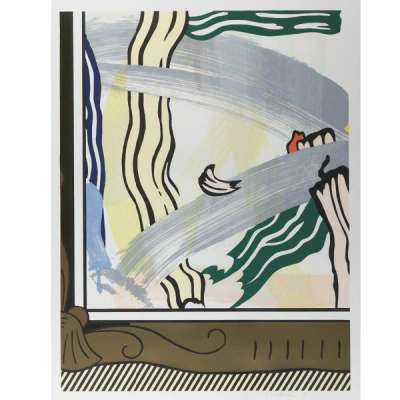
Paintings Value (5 Years)
Works from the Paintings series by Roy Lichtenstein have a strong market value presence, with 70 auction appearances. Top performing works have achieved standout auction results, with peak hammer prices of £63429. Over the past 12 months, average values across the series have ranged from £11000 to £63429. The series shows an average annual growth rate of 5.03%.
Paintings Market value
Auction Results
| Artwork | Auction Date | Auction House | Return to Seller | Hammer Price | Buyer Paid |
|---|---|---|---|---|---|
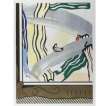 Painting In A Gold Frame Roy Lichtenstein Signed Print | 11 Jun 2026 | Bukowskis, Stockholm | £10,200 | £12,000 | £14,500 |
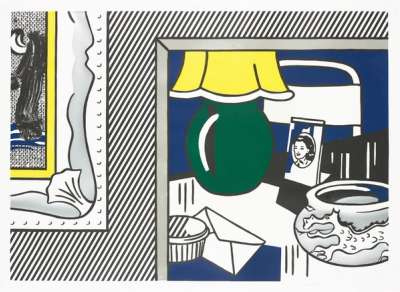
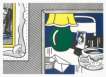 Two Paintings: Green Lamp Roy Lichtenstein Signed Print | 28 Apr 2026 | Doyle Auctioneers & Appraisers | £12,750 | £15,000 | £21,000 |
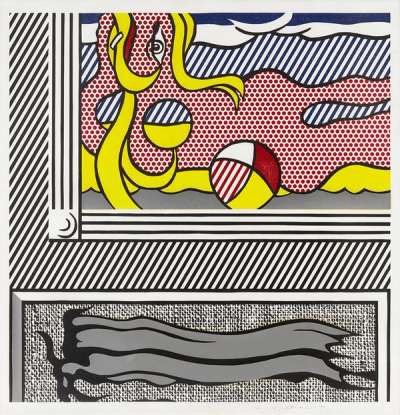
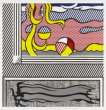 Two Paintings: Beach Ball Roy Lichtenstein Signed Print | 12 Dec 2025 | Abell | £25,500 | £30,000 | £35,000 |
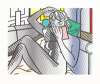
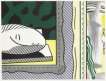 Two Paintings: Sleeping Muse Roy Lichtenstein Signed Print | 24 Oct 2025 | Christie's New York | £15,300 | £18,000 | £25,000 |
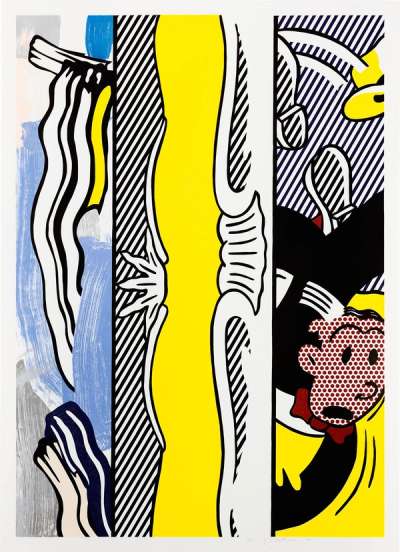
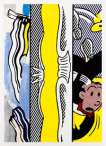 Two Paintings: Dagwood Roy Lichtenstein Signed Print | 26 Sept 2025 | Sotheby's New York | £51,000 | £60,000 | £80,000 |
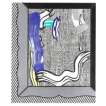 Painting On Canvas Roy Lichtenstein Signed Mixed Media | 24 Sept 2025 | Sotheby's London | £8,500 | £10,000 | £14,000 |
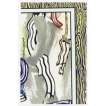 Painting On A Blue And Yellow Wall Roy Lichtenstein Signed Print | 16 Mar 2023 | Christie's London | £16,150 | £19,000 | £25,000 |
Sell Your Art
with Us
with Us
Join Our Network of Collectors. Buy, Sell and Track Demand
Meaning & Analysis
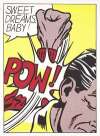
Providing new slants on classical genres, Lichtenstein’s Paintings series mix hand and machine-made patterns in his signature bold palette His use of stylised advertising language disrupted and revolutionised the art scene of the 1960s. Lichtenstein continued to re-envision the means of modern painting and classical art until his passing in 1997. The artist’s appropriated, enlarged and reframed icons remain influential to this day.
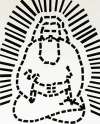
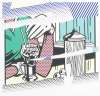
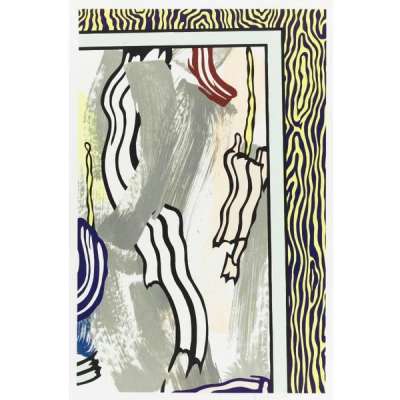
Lichtenstein completed his elaborate eight-part series entitled Paintings in 1984. The sequence is a distinctive example of the artist’s tendency to reconcile contrastive themes and styles. The prints take on juxtaposed fictitious picture frames as their central motif.
Lichtenstein cleverly hones the formal intricacy of his compositions, all the while retaining his signature industrial aesthetic. His Paintings combine traditional painterly gestures with the detached manner of commercial imagery. As such, the artworks often waver between the figurative, the minimalist and the abstract. The main objective of the Paintings series is to challenge the notion of artistic originality.
The history and application of brushstrokes has frequently been dissected over the course of Lichtenstein’s career. In his earliest paintings, the artist fully embraced the emotive qualities of brushwork, as he directly mimicked the spontaneity of Abstract Expressionism. He allowed the paint to expand organically across his canvases, noticing how the expression radically counteracted the mechanical aspects of his own style.
Many of Lichtenstein’s limited series engage the brushstroke motif, see his concurrent Seven Apple Woodcuts and subsequent Brushstroke Faces as examples. These striking editions also provide new slants on classical genres, like still lifes, landscapes and portraits.
Lichtenstein’s Paintings showcase both hand-painted and machine-made patterns, manufactured through collage, woodcut, lithograph and screen print. The artist achieves a seamless balance between his carefully selected pastel tones and vibrant primary colours.