
The difficulty is that headline prices only represent a small part of the market. Across more than 3,000 blue chip prints sold during 2025 and through April 2026, just 5% achieved more than £100,000. Yet that small proportion of works generated 46.5% of the market’s total value.
Understanding what drives those exceptional results isn't about chasing records. It's about recognising the characteristics that place certain prints in a different league from the rest of an artist’s market.
Why Record Prices Don’t Tell the Whole Story
Collectors often speak about “the Warhol market” or “the Hockney market” as though every print by that artist is competing under the same conditions. In reality, established print markets are made up of multiple layers.
Different series attract different buyers. Certain images become cultural icons, while others remain known primarily to established collectors. Some editions appear regularly at auction, while others might only surface every few years. Even within the same series, proofs, complete portfolios and particularly desirable impressions can occupy their own tier of the market.
As a result, two prints by the same artist may have very little in common from a market perspective.
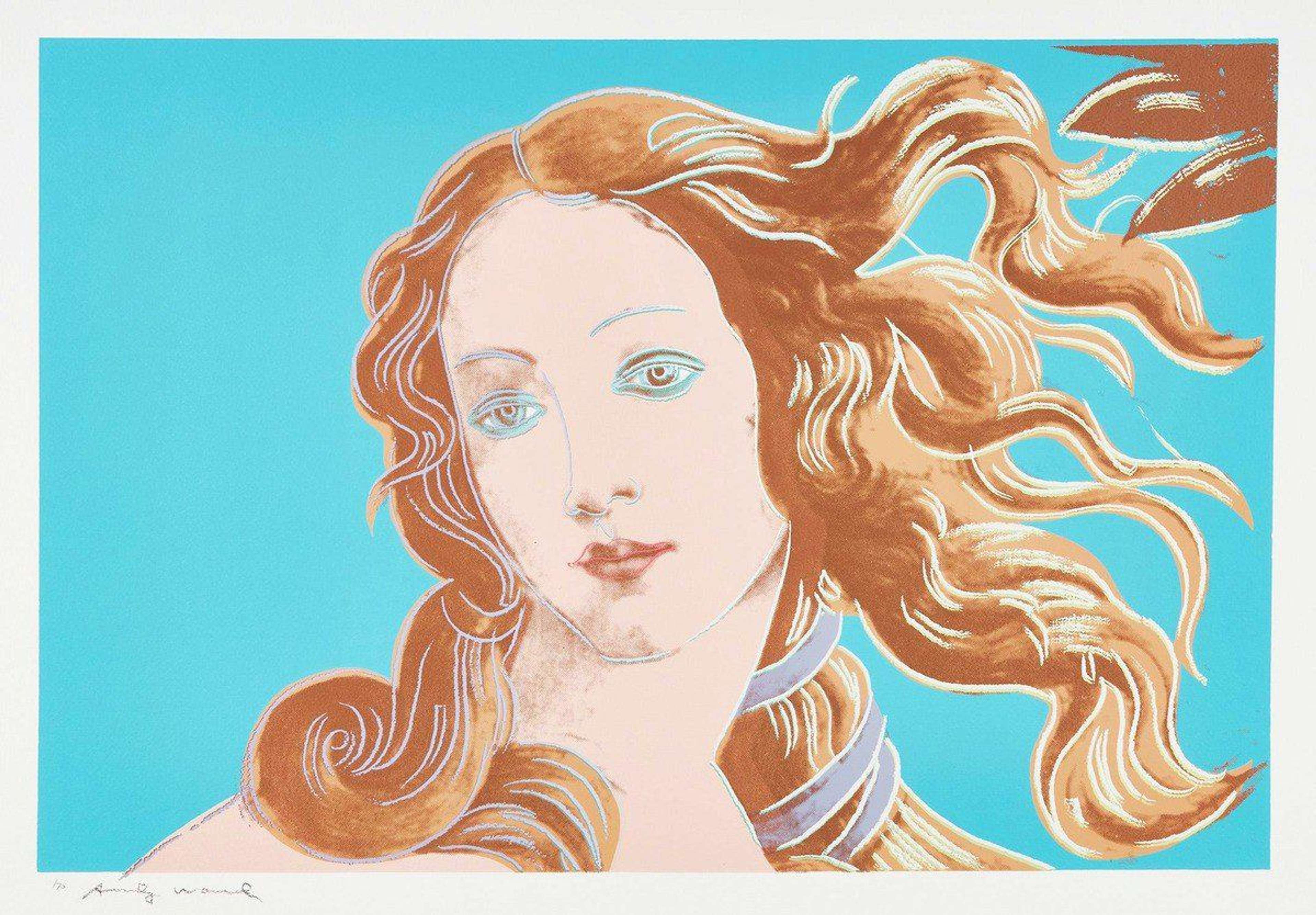
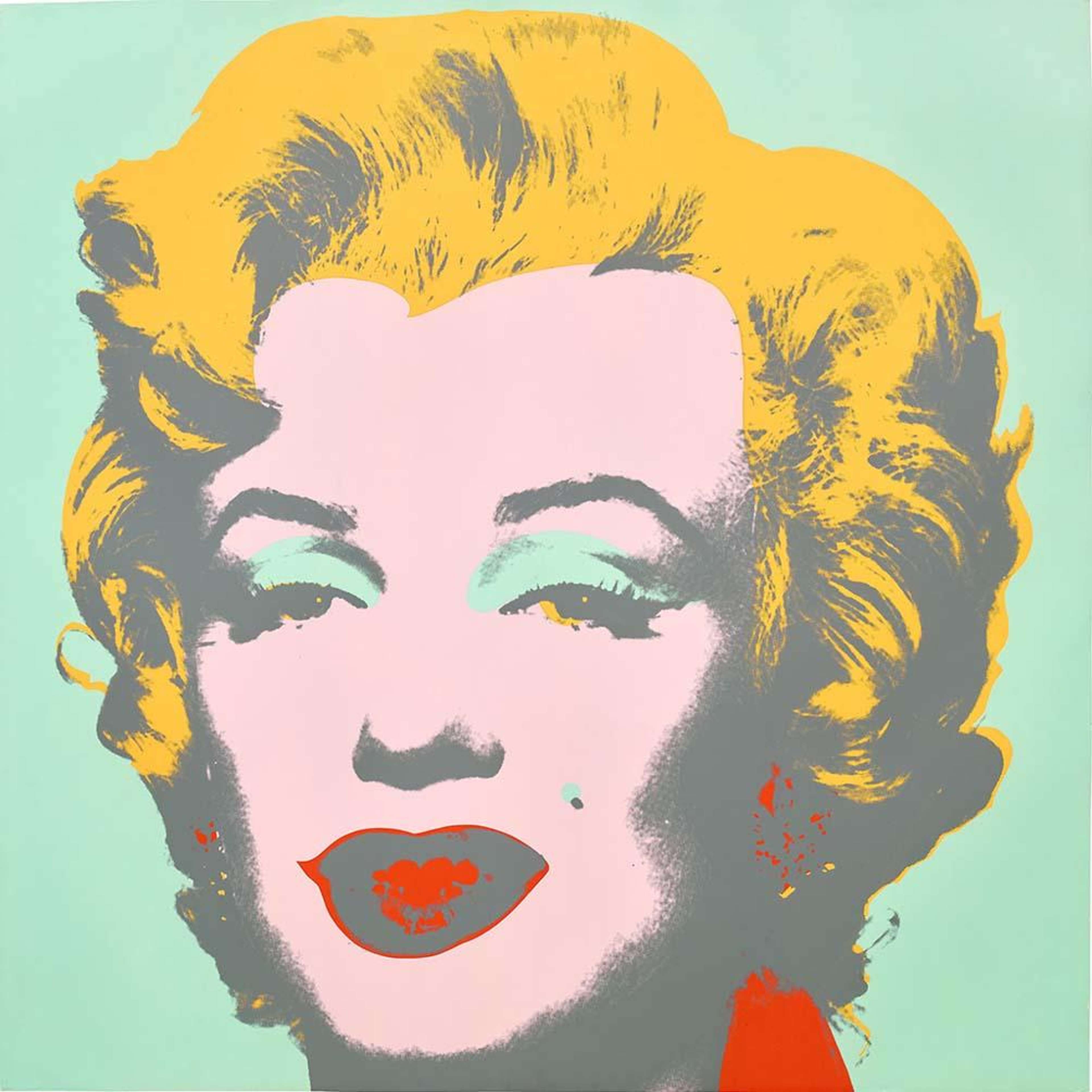
A record-setting Marilyn print by Andy Warhol tells us something important about demand for one of the most recognisable images in twentieth-century art. It tells us very little about a collector considering a print from Ladies and Gentlemen. Likewise, an exceptional Arrival of Spring result doesn’t automatically redefine the market for every David Hockney print, particularly earlier bodies of work such as his 1960s etchings.
That distinction is fundamental. Collectors aren’t competing for everything an artist has ever produced. They’re competing for a specific print, within a specific series, at a specific moment in the market.
What Separates the Highest-Value Prints From the Rest?
Looking across the strongest-performing sales reveals a remarkably consistent pattern. While every artist’s market behaves differently, the works that achieve exceptional prices tend to share the same characteristics.
Scarcity is the first. This isn’t always a question of edition size. A print may come from a relatively large edition but rarely appear at auction. A complete portfolio may survive intact in far smaller numbers than individual sheets. Artist’s Proofs, Printer’s Proofs and unique colourways can all introduce scarcity within editions that might otherwise appear widely available. Ultimately, collectors respond to replaceability. If another comparable example is unlikely to become available any time soon, competition tends to intensify.
The second factor is the strength of the series. Every major print artist has bodies of work that define their market. Banksy's Girl With Balloon has become one of the defining images of his career, trading at levels well above less iconic images from the same artist – even in its unsigned form, with signed impressions commanding roughly twice as much again.
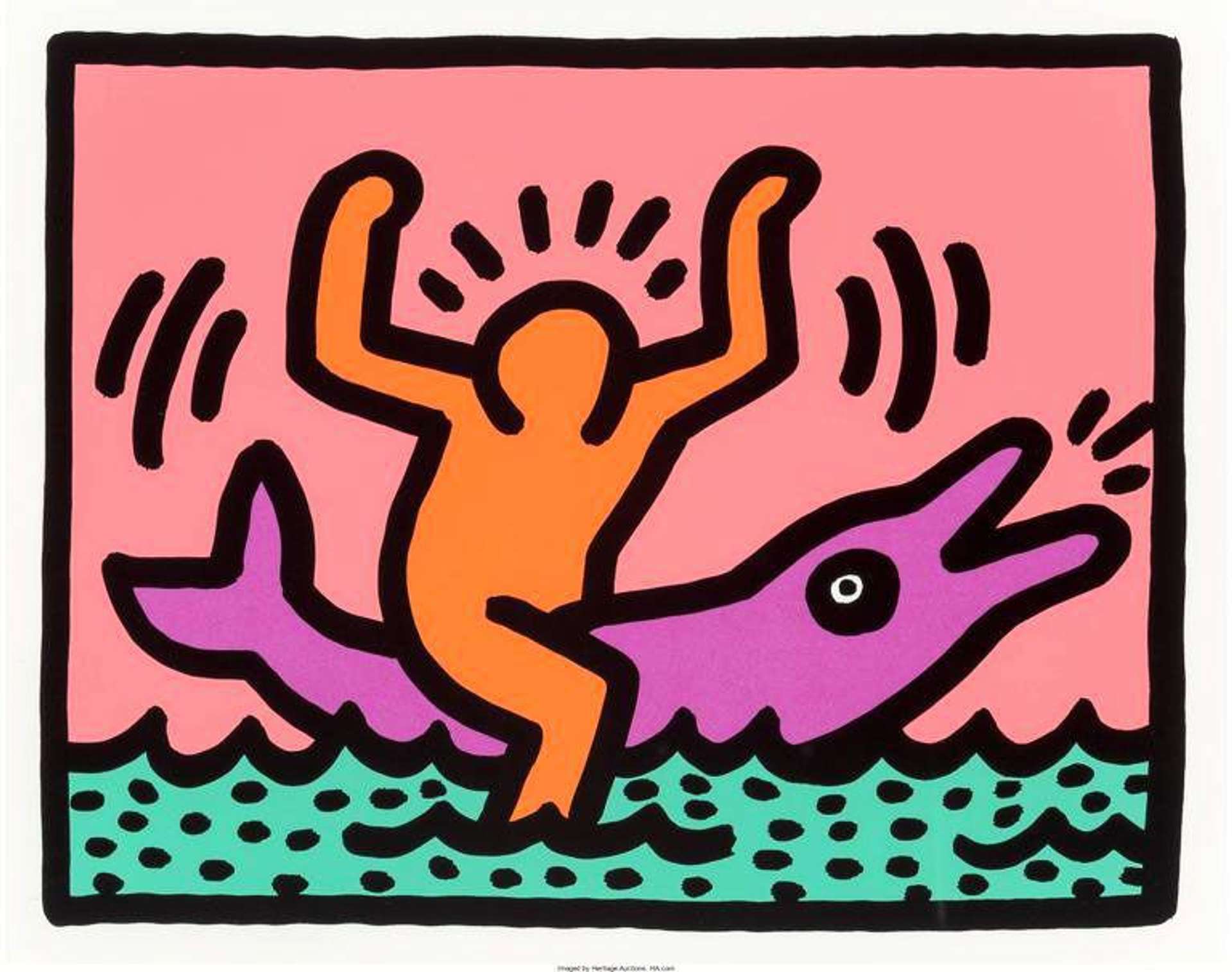
Yayoi Kusama's Pumpkins series has become inseparable from her public identity, sustaining average prices around five times higher than her Self-Portraits. Keith Haring's Andy Mouse portfolio occupies a unique position at the intersection of two major artistic careers, giving it significance that extends beyond Haring’s market alone.
The third factor is timing. Even the strongest print can underperform if it reaches the market under the wrong conditions. Conversely, when demand aligns with limited supply and several collectors are competing for the same work, prices can move well beyond expectations.
The highest auction results are rarely driven by a single factor. They emerge when rarity, desirability and market timing align, creating conditions that encourage exceptional competition.
Scarcity, Series and Timing in Practice
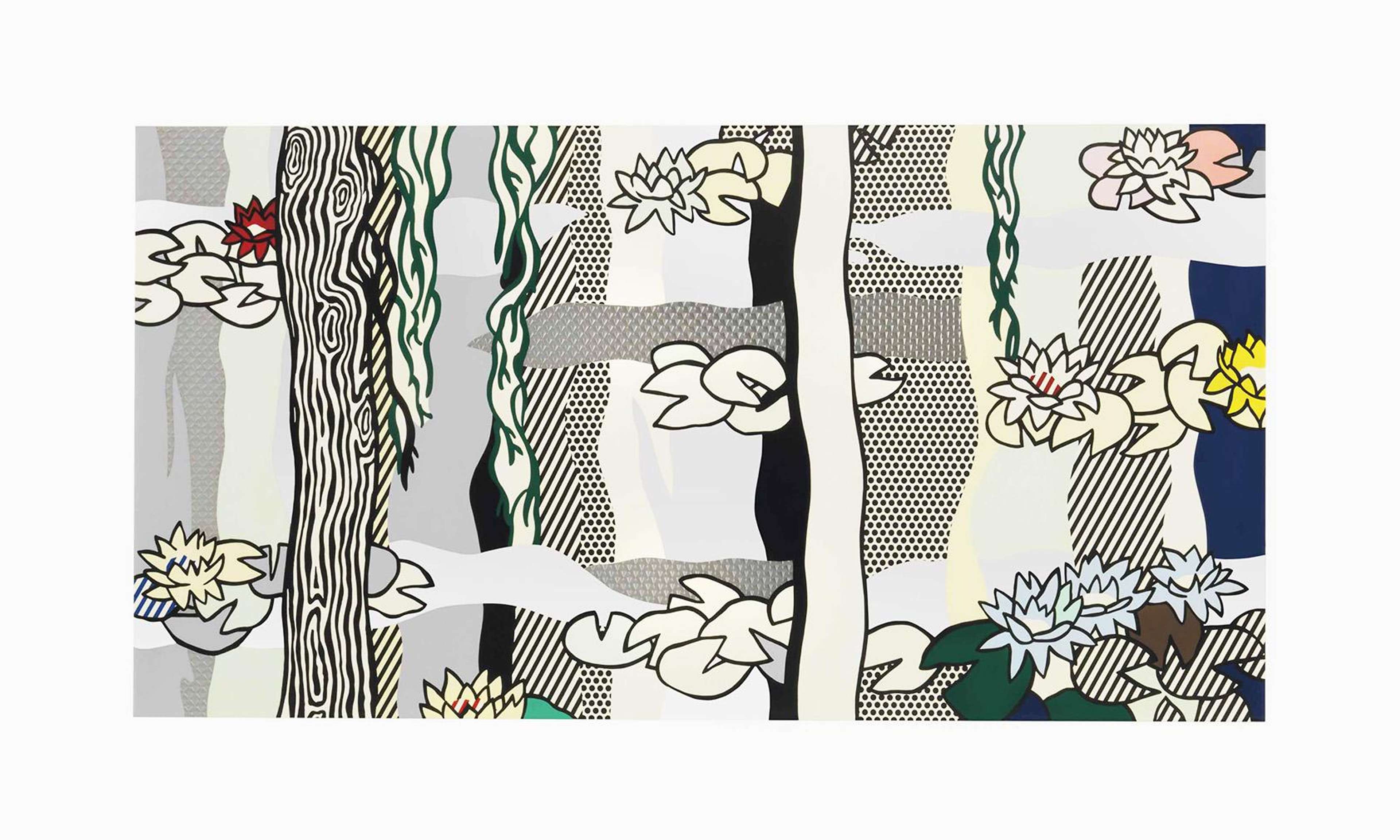
Roy Lichtenstein’s Water Lilies With Willows illustrates how these factors converge. Its £948,967 ($1,200,000 USD) result reflects the combination of rarity, series significance and market timing. The print belongs to one of Lichtenstein’s most ambitious and technically complex bodies of work, and examples rarely appear at auction. When they do, collectors compete for an opportunity that may not arise again for years.
The opposite end of the market demonstrates an equally important point. Damien Hirst’s Tetrahydrocannabinol from the Spots series achieved £70,000 at Phillips London – 17.5 times Hirst’s median auction price. While that figure is modest compared with Lichtenstein’s record, it represents an exceptional result within Hirst’s own market.
This is why comparisons across artists can be misleading. Every market has its own pricing structure, collector base and ceiling. The most meaningful benchmark isn’t another artist’s record price, but the strongest results achieved within that artist’s own market.
The table below illustrates how different a “top-tier result” looks from one artist to the next.
USD figures are approximate, converted at the exchange rate on 9 July 2026, and are provided for illustrative purposes only.
| Artist | Median (£/$) | Top 25% Threshold (£/$) | Top Result (£/$) |
|---|---|---|---|
| Warhol | £23,048 ($30,906) | £47,662 ($63,911) | £3,200,000 ($4,100,000) |
| Hockney | £12,203 ($16,363) | £37,400 ($50,151) | £600,000 ($804,558) |
| Lichtenstein | £16,248 ($21,787) | £37,284 ($49,995) | £948,967 ($1,200,000) |
| Basquiat | £35,107 ($47,076) | £58,209 ($78,054) | £241,594 ($320,000) |
| Haring | £14,519 ($19,469) | £25,342 ($33,982) | £452,599 ($600,000) |
| Banksy | £13,000 ($17,432) | £23,000 ($30,841) | £821,028 ($1,000,000) |
| Kusama | £17,227 ($23,100) | £25,314 ($33,944) | £212,810 ($280,764) |
| Hirst | £4,000 ($5,364) | £8,000 ($10,727) | £70,000 ($93,865) |
Why Specialists Benchmark Against the Right Competitive Set
Every print competes within a much smaller market than many collectors realise, which is why specialists benchmark against the works collectors are genuinely choosing between, rather than against an artist's entire output. It's a fundamentally different exercise from simply searching an auction database and averaging every result under an artist's name.
Establishing which market a specific print is actually competing within is the objective of any credible valuation. Specialists consider the series, rarity, condition, recent comparable sales, buyer demand and competing supply before deciding where a work sits within its market.
Only after those questions have been answered does pricing become meaningful.
The strongest results rarely happen by chance. They happen when the right work reaches the right buyers under the right market conditions.
Methodology: Figures in this report are drawn from auction results recorded between January 2025 and April 2026 across major international and regional auction houses in the blue chip prints and editions market. This period was chosen to reflect the most current and relevant view of market conditions.
While every effort has been made to ensure accuracy, this report may contain errors or inconsistencies. It is intended for research and informational purposes only and should not be relied upon as financial or investment advice. MyArtBroker accepts no liability for any loss or damage arising from reliance on the information contained within this report.