
Entre 2025 et avril 2026, l’estampe « Sunset » d’Andy Warhol a été présentée douze fois en vente aux enchères. Le résultat le plus bas s'est élevé à 33 815 livres sterling chez Bonhams Paris, tandis que le plus haut a atteint 166 096 livres sterling chez Christie’s New York – soit un écart de 4,9 fois sur ce qui semble, à première vue, être la même œuvre.
Cette tendance est loin d'être isolée. En examinant l'ensemble des estampes apparues cinq fois ou plus en vente aux enchères au cours de cette période, l'écart type entre le prix le plus élevé et le plus bas au sein d'une même édition est d'environ 2,25 fois, tandis qu'un quart des éditions enregistre un écart supérieur à 3,6 fois. Comprendre les ressorts de ces différences est essentiel pour saisir comment les estampes sont valorisées.
Pourquoi deux estampes identiques peuvent-elles avoir des valeurs différentes ?
Les estampes en édition sont souvent perçues comme des objets uniformes. Contrairement aux peintures, où chaque œuvre est intrinsèquement unique, les estampes sont créées sous forme de multiples. Toutefois, les collectionneurs n'accordent pas nécessairement la même valeur à chaque exemplaire.
Cela s'explique par le fait que la valeur n'est pas déterminée uniquement par la nature de l'estampe, mais par la façon dont les collectionneurs apprécient cet exemplaire précis. Comprendre ces nuances est bien plus utile que de se contenter de comparer les prix affichés.
Quels sont les facteurs qui influencent la valeur d'une estampe ?
Aucun facteur unique ne détermine la valeur d'une œuvre. Les spécialistes dressent plutôt un portrait global en examinant l'interaction de plusieurs variables.
L'état de conservation demeure l'un des critères les plus déterminants. Même des défauts mineurs — altérations dues à la lumière, jaunissement, rousseurs, traces de manipulation, marges rognées ou traces de contrecollage — peuvent influencer substantiellement la demande des collectionneurs. Deux estampes peuvent sembler identiques sur les photographies d'un catalogue en ligne, mais l'examen minutieux de leur rapport d'état révèle souvent pourquoi l'une a surpassé l'autre de manière significative.
La provenance est tout aussi essentielle. Une estampe bénéficiant d'un historique de propriété bien documenté ou issue d'une collection privée notable inspire généralement une plus grande confiance aux acheteurs. Dans certains cas, la provenance permet de distinguer des niveaux de valeur radicalement différents au sein d'une même édition.
Le canal de vente joue également un rôle majeur. Une œuvre proposée lors d'une vente chez Christie’s New York est exposée à un bassin d'acheteurs distinct de celui d'une maison de vente régionale. Cela ne signifie pas nécessairement qu'un lieu est préférable à un autre, mais cela influence inévitablement le niveau de concurrence. Plus le nombre de collectionneurs se disputant une œuvre est élevé, plus les chances d'obtenir des prix soutenus sont importantes.
Le timing est un autre facteur souvent négligé. Si plusieurs estampes d'une même édition apparaissent lors d'une même saison d'enchères, les acheteurs disposent soudainement d'un choix élargi. La concurrence s'en trouve diluée, et les vendeurs se retrouvent en compétition directe les uns avec les autres. À l'inverse, lorsque l'offre est rare et que les acheteurs attendent l'apparition d'une œuvre spécifique, les résultats peuvent s'apprécier considérablement.
Une provenance prestigieuse prend tout son sens lorsqu'elle est associée à un état de conservation exceptionnel. Une variante de couleur remarquable ne peut atteindre son plein potentiel que si elle est présentée sur le marché approprié, au moment opportun. En définitive, les spécialistes ne recherchent pas une explication unique, mais considèrent l'ensemble du tableau.

Étude de cas : « Sunset » d’Andy Warhol illustre les limites des informations de catalogue
Cet écart de 4,9 fois constaté lors des douze ventes aux enchères d’estampes de « Sunset » d’Andy Warhol soulève une question évidente : qu’est-ce qui distingue réellement un résultat de 166 096 livres sterling d’un autre de 33 815 livres sterling, alors que chaque estampe provient de la même édition ?
À première vue, il s’agit d’une édition relativement vaste composée de 632 estampes. Pourtant, les informations de catalogue ne révèlent qu’une partie de la réalité.
Chaque exemplaire de la série a été réalisé à l’aide de trois écrans seulement, avec des combinaisons de couleurs variées appliquées tout au long de l’édition. Résultat : il n’existe pas deux estampes de « Sunset » rigoureusement identiques. Si l’image demeure constante, la palette chromatique change d’une estampe à l’autre, conférant à chaque œuvre sa singularité visuelle.
Au fil du temps, certaines combinaisons de couleurs ont suscité une demande plus soutenue que d’autres, générant des écarts de prix significatifs au sein de l’édition.
L’édition elle-même présente d’autres distinctions. Sur les 632 estampes, 472 étaient initialement installées à l’hôtel Marquette de Minneapolis, tandis que les 160 restantes formaient des portfolios de quatre. Ces dernières atteignent généralement des prix plus élevés en raison de leur rareté notable.
Certaines estampes portent des dédicaces d’Andy Warhol, ce qui rapproche l’œuvre de la main de l’artiste et lui confère un attrait supplémentaire. Il existe également des épreuves d'essai, dont la valeur peut varier considérablement, chaque « Sunset » étant déjà unique par sa combinaison de couleurs. Avant même de prendre en compte l’état de conservation, la provenance ou le timing du marché, l’édition contient en elle-même plusieurs strates de rareté.
Parmi les six estampes de « Sunset » vendues chez Christie’s durant cette période, la salle de New York a atteint une moyenne de 123 314 livres sterling, profitant de l’un des viviers d’acheteurs internationaux les plus importants du marché. Les résultats obtenus ailleurs ont été sensiblement inférieurs.
« Sunset » démontre avec quelle attention les collectionneurs différencient les estampes dès lors qu’ils appréhendent les nuances inhérentes à une édition.
Ces disparités sont observables sur l'ensemble des marchés majeurs de l'estampe.
Les facteurs expliquant l'écart de prix de « Sunset » ne sont pas propres à Warhol. L'état, la provenance, le timing et les strates de rareté au sein d'une édition façonnent chaque marché majeur de l'estampe, bien qu'ils se manifestent différemment d'un artiste à l'autre.
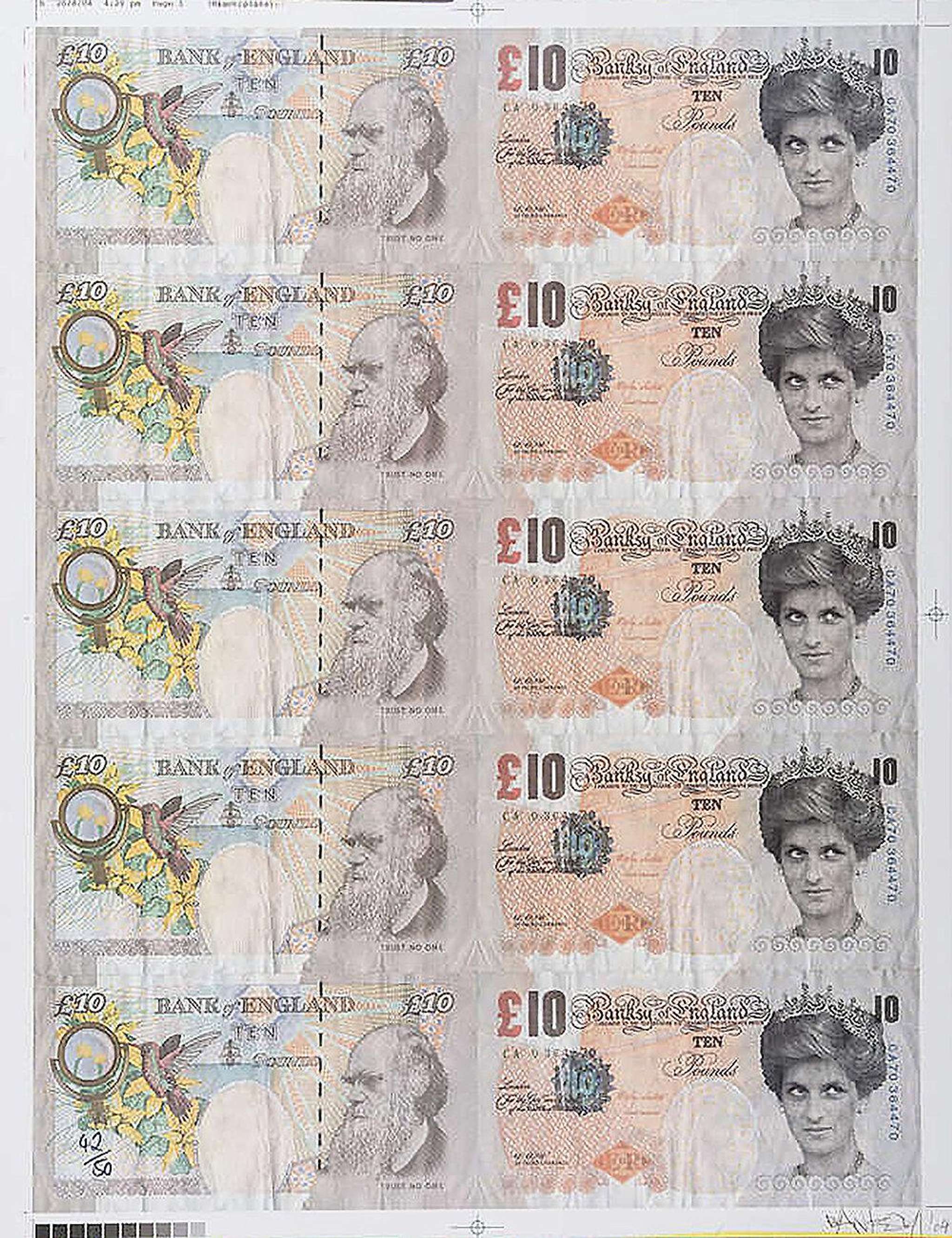
Les collectionneurs de Banksy, par exemple, comprennent immédiatement qu'une estampe signée occupe une position différente sur le marché par rapport à un exemplaire non signé, bien que l'image soit identique. Cette distinction influence la demande des acheteurs, la liquidité et la tarification sur l'ensemble du marché.
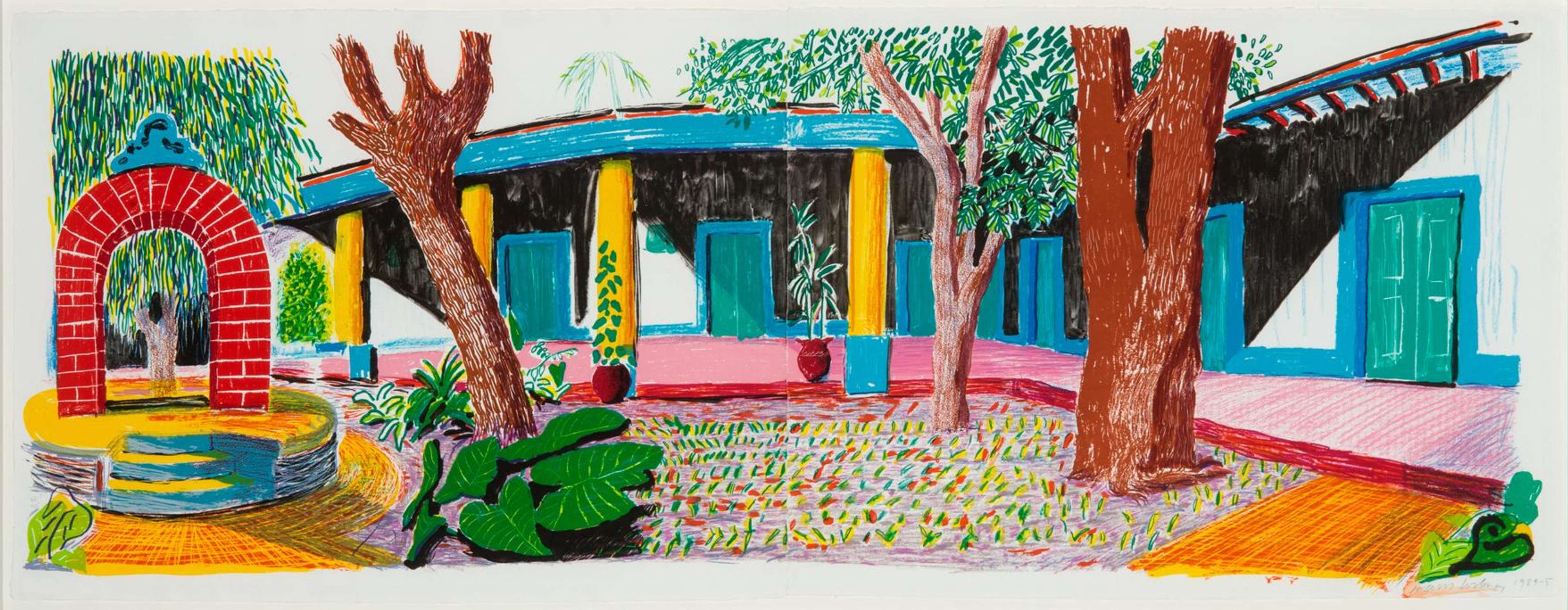
Le marché de David Hockney démontre l'importance de l'état et des séries. L'éclat des couleurs, la qualité du papier et la provenance peuvent avoir un impact notable sur la valeur, tandis que la demande des collectionneurs varie considérablement entre des séries telles que Arrival of Spring, Moving Focus et ses célèbres swimming pool prints.
Pour Keith Haring, la valeur est souvent définie autant par la collaboration et la rareté que par l'état. Les éditions telles que « Andy Mouse », réalisées en collaboration avec Warhol, occupent une place à part sur le marché de l'estampe de Haring, car les collectionneurs sont sensibles à leur portée dans la carrière des deux artistes.
Dans tous les cas, comprendre la manière dont les collectionneurs perçoivent une série, une édition ou une épreuve particulière offre une vision bien plus pertinente que de se fier uniquement au record d'adjudication d'un artiste.

Pourquoi le prix d'adjudication le plus élevé constitue-t-il rarement une référence pertinente ?
Les prix records sont faciles à identifier, mais ils sont rarement représentatifs du marché dans sa globalité. Des résultats exceptionnels sont généralement atteints lorsque plusieurs facteurs favorables convergent : une estampe hautement désirable, un état de conservation remarquable, une provenance prestigieuse, un lieu de vente approprié et une forte concurrence entre les acheteurs. Comparer chaque exemplaire à cette vente unique expose au risque de mal interpréter les éléments pour lesquels les collectionneurs se sont réellement disputé l'œuvre.
Cette question est au cœur de chaque expertise spécialisée. Si les archives des ventes aux enchères fournissent un contexte, elles ne constituent qu’une partie de l’analyse. Une évaluation pertinente prend en compte la place d’une estampe spécifique au sein de son édition, ainsi que la manière dont les collectionneurs sont susceptibles de réagir à ses caractéristiques propres.
Les valorisations les plus solides ne se construisent pas en courant après des prix records, mais en comprenant les caractéristiques individuelles auxquelles les collectionneurs accordent le plus de valeur.
Méthodologie : Les chiffres présentés dans ce rapport sont issus des résultats d'adjudication enregistrés entre janvier 2025 et avril 2026 au sein des principales maisons de ventes aux enchères internationales et régionales sur le marché des estampes et éditions d'artistes blue chip. Cette période a été sélectionnée afin de refléter une vision aussi actuelle et pertinente que possible des conditions du marché.
Bien que tous les efforts aient été déployés pour garantir l'exactitude de ces données, ce rapport peut contenir des erreurs ou des incohérences. Il est destiné à des fins de recherche et d'information uniquement et ne saurait constituer un conseil financier ou en investissement. MyArtBroker décline toute responsabilité pour toute perte ou tout dommage découlant de l'utilisation des informations contenues dans ce rapport.