
Collectors have more routes to market than ever before, from the major international auction houses to regional salerooms, specialist brokers and private sales. Each offers different advantages, reaches different audiences and creates different opportunities. Choosing between them is no longer a logistical decision. It can have a material impact on the outcome.
Across 2025 and through April 2026, works sold through Christie’s, Sotheby’s and Phillips achieved an average hammer price of £40,554, with a median of £16,214. By comparison, prints sold through other auction houses – from established firms such as Bonhams and Koller to smaller regional salerooms – achieved an average of £12,354 and a median of £7,000. That represents a 3.3-times difference in average price and a 2.3-times difference at the median. While the major auction houses also attract a greater share of higher-value consignments, the figures illustrate how strongly venue and buyer audience influence pricing.
Even within the major auction houses, results vary considerably. Sotheby’s London averaged £82,075 across the period analysed, while Phillips London averaged £21,290. Those differences reflect the types of works consigned as much as the venue itself, reinforcing that there is no single auction market. Every selling channel attracts its own buyers, expectations and pricing dynamics.
Why Does Where You Sell Your Artwork Matter So Much?
The selling channel plays a significant role in shaping buyer behaviour, regardless of the quality of the work itself.
The same print presented to an international audience in New York enters a very different commercial environment from the same work offered through a regional auction. The pool of buyers changes, the level of competition changes and, in many cases, so does the final result.
That difference is reflected in the data, but it is driven by more than the reputation of an auction house. Each selling venue attracts a different mix of collectors, dealers, advisers and institutions, creating its own market dynamics.
Major international sales place works in front of the broadest possible audience. When demand is already strong, that wider exposure increases the likelihood of multiple bidders competing for the same work, helping to push prices higher.
Why the Best Route Depends on the Print
In practice, the most appropriate selling route depends on the work itself. There is no universally “best” place to sell.
Some editions appear regularly at auction and benefit from the broad exposure offered by a major international sale. Others change hands infrequently and may achieve a stronger outcome through a more targeted approach. The objective isn’t simply to maximise exposure – it’s to place the work in front of the buyers most likely to compete for it.
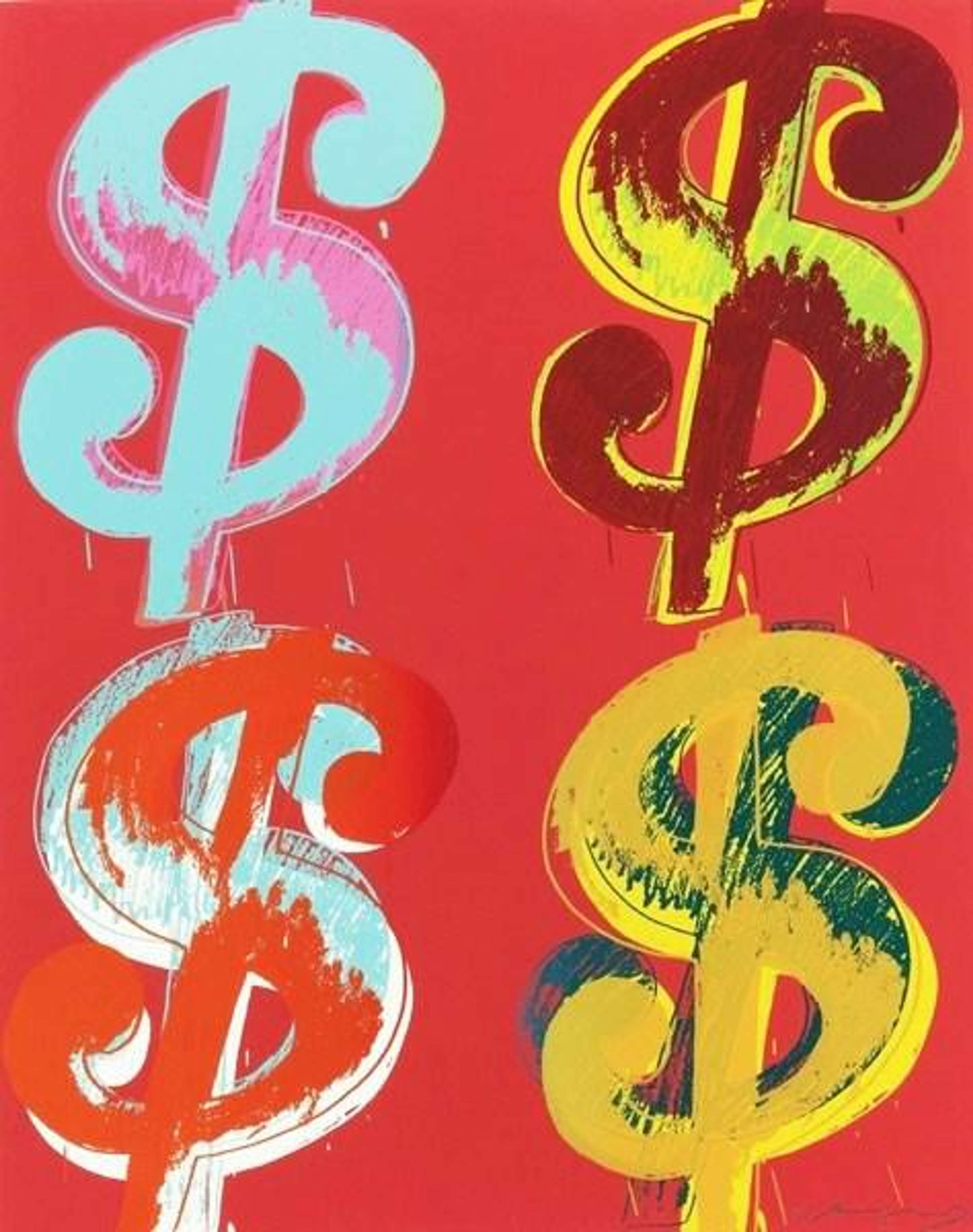
Andy Warhol’s Ads (complete set) illustrates one end of the spectrum. It achieved £1.8 million at Sotheby’s New York, demonstrating the type of result a rare, high-profile work can achieve when presented to a global audience at a major sale.
Banksy presents a different picture. With 207 lots trading during 2025 alone and one of the deepest, most consistently active buyer bases in the print market, an established Banksy edition doesn’t always require the same breadth of exposure. In many cases, a carefully targeted private sale can produce an equally strong outcome because the buyer base is already broad, active and well understood.
Rather than asking which auction house is best, specialists first assess the work itself. They consider how frequently the edition appears, who is buying it, how active demand is, what competing supply is coming to market and which selling route is most likely to reach the right buyers.
Why More Print Collectors Are Choosing Private Sales
Auction remains an important route to market, but it is no longer the best choice for every print or every collector. Private sales have become increasingly attractive because they offer greater flexibility and are not tied to a fixed auction calendar. Sellers are not competing with hundreds of other lots for attention, nor are they relying on a single sale date to achieve the strongest possible result.
Instead, specialists can introduce a work when market conditions are most favourable. Timing can be adjusted around competing supply, pricing can be discussed confidentially, and the work can remain off the public market while still reaching highly qualified buyers.
This approach can be particularly effective for editions where buyer demand is already well established. If a specialist knows several collectors are actively searching for a specific print, introducing the work directly to those buyers can create competition without waiting for the next auction season.
Public Visibility Also Means Public Risk
Another important distinction between auction and private sale is the visibility of the outcome. Auction estimates, bidding and final prices become part of the public record, creating valuable pricing data for the market. That transparency has advantages, but it also introduces a degree of risk.
A work that fails to sell, or achieves a result below expectations, carries that public history into future transactions. Buyers, advisers and auction houses can all see how it performed, and that information can influence expectations when the work next comes to market.

Why the Right Buyer Matters More Than the Biggest Audience
The strongest results happen when a work reaches the buyers most motivated to acquire it. That’s why specialist brokers spend as much time understanding collector behaviour as they do analysing auction results.
A packed saleroom doesn't guarantee the right buyer is in it. Broad exposure works well when a work already has wide, established demand, but for prints with a narrower collector base, reaching more people isn’t necessarily the same as reaching the right people. In those cases, identifying the handful of collectors actively searching for a specific work can matter more than presenting it to the largest possible audience.
Choosing the Right Selling Strategy for Your Prints & Editions
Where a print is sold influences far more than the logistics of a transaction. It determines who sees the work, the level of competition it attracts, how much control the seller retains and, ultimately, the result the market is likely to support.
The strongest selling strategy begins with understanding the print itself before deciding how it should be sold. The objective isn’t simply to maximise exposure, but to place the work in the environment where it has the greatest opportunity to reach the right buyers and achieve its strongest possible result.
Methodology: Figures in this report are drawn from auction results recorded between January 2025 and April 2026 across major international and regional auction houses in the blue chip prints and editions market. This period was chosen to reflect the most current and relevant view of market conditions.
While every effort has been made to ensure accuracy, this report may contain errors or inconsistencies. It is intended for research and informational purposes only and should not be relied upon as financial or investment advice. MyArtBroker accepts no liability for any loss or damage arising from reliance on the information contained within this report.