Headlines often suggest that “the art market is up” or that “prints are outperforming”, creating the impression that every established artist is experiencing the same conditions at the same time. In reality, each artist’s market follows its own trajectory.
The data reveals three distinct patterns: rapid repricing, steady accumulation and mature markets where consistency matters more than dramatic annual gains.
Understanding why a market is moving is often more valuable than focusing on the headline percentage change alone.
The Fastest-Growing Print Markets Are Being Driven by Different Forces
David Hockney remains the standout performer. His average auction price in the first four months of 2026 sits 135% above the full-year 2025 average, rising from £39,408 to £92,538. Perhaps even more significant is the movement in the median price, which climbed from £9,759 to £32,000 over the same period. Although 2026 represents only a partial year, the strength of both the average and median suggests the market is repricing broadly rather than being lifted by a handful of exceptional sales.
Keith Haring presents a different picture. His average auction price increased by 63%, from £25,743 to £41,859, while the median more than doubled from £12,346 to £25,897. The shift is broad rather than concentrated: the share of lots selling above £20,000 rose from 28% in 2025 to 61% in the first four months of 2026, suggesting demand has strengthened across a much wider portion of Haring’s market rather than being driven by a single high-value result.
Damien Hirst’s market has also continued to strengthen, although from a lower price base. Average values increased by 59%, rising from £5,812 to £9,212. While those prices remain modest compared with many of his peers, the growth reflects strengthening demand across one of the most liquid segments of the blue chip print market.
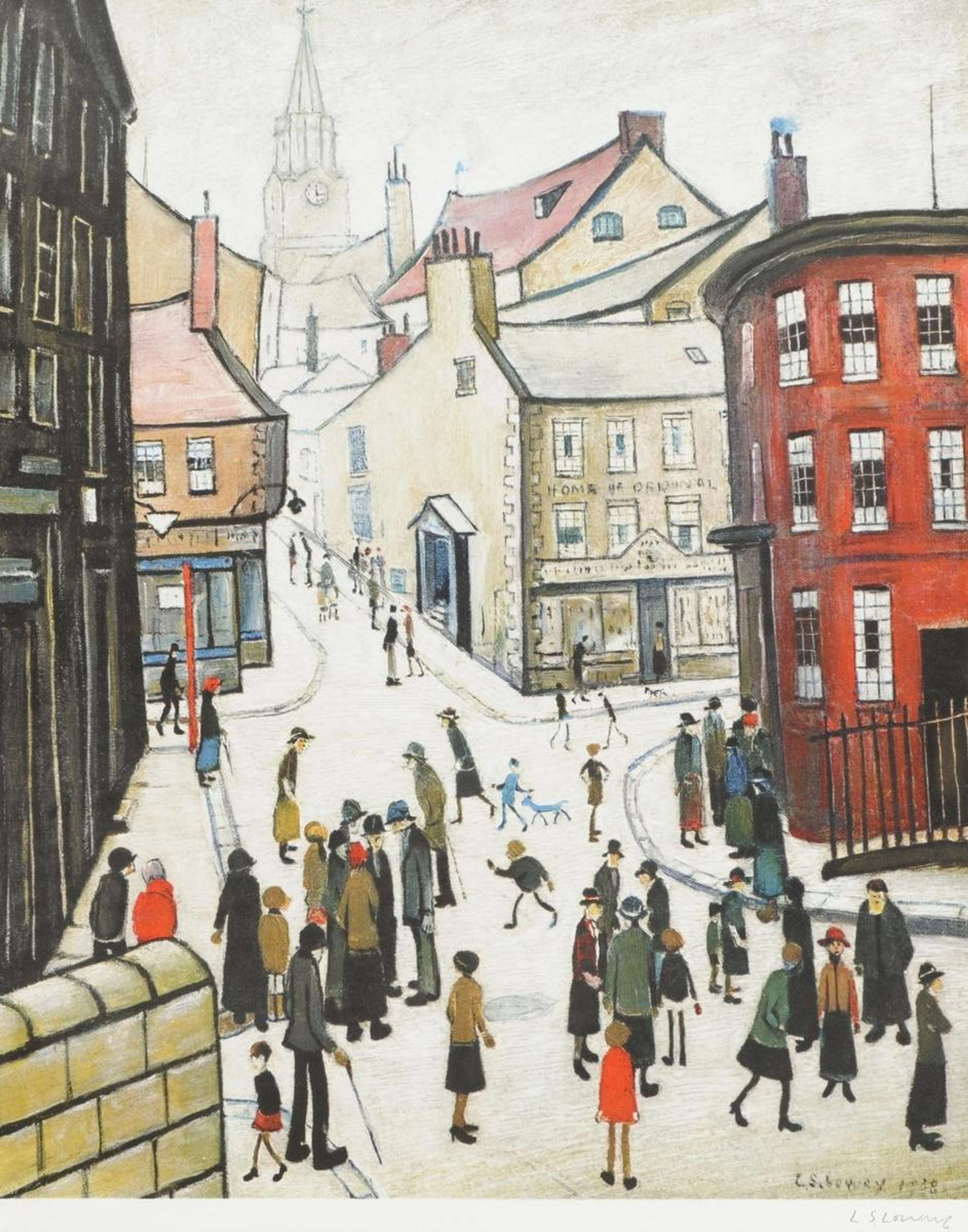
Growth has not been confined to the largest markets. L.S. Lowry’s average increased by 38%, Lucian Freud’s by 36%, and Bridget Riley’s by 29%, demonstrating that demand has strengthened across a broader range of blue chip print artists than headline coverage often suggests.
Stable Markets Shouldn’t Be Mistaken for Stagnant Ones
Not every healthy market is experiencing rapid growth. In several of the most established print markets, price appreciation has given way to something equally important: consistency.
Banksy’s market illustrates this well. Average prices increased by 28%, while the median moved from £12,069 to £15,000 – a solid increase, though less dramatic than the triple-digit gains seen in markets such as David Hockney’s or Keith Haring’s. What’s notable isn’t the percentage increase but the depth of the market behind it. Banksy has one of the deepest and most liquid collector bases in the editions market, with large numbers of signed and unsigned prints changing hands every year. “Markets at this stage tend to become more selective rather than more volatile. Collectors place increasing emphasis on condition, provenance, authentication and image hierarchy, producing steadier, more consistent pricing over time.” says Charlotte Stewart, Managing Director at MyArtBroker.
Andy Warhol’s market reinforces the importance of looking beyond headline percentages. His average auction price declined by 4%, yet the median increased from £22,238 to £29,240. That divergence reflects the changing mix of works offered at auction during 2025 and early 2026. Fewer exceptional multi-million-pound works came to market, while demand for stronger editions remained resilient.
Neither Yayoi Kusama nor Francis Bacon experienced dramatic shifts during the period analysed. Kusama’s average auction price increased by 6%, while Bacon’s rose by 4%. In Bacon’s case, however, the smaller number of sales means that figure should be interpreted with greater caution.
Ed Ruscha presents a different pattern again. His average auction price increased by 17%, from £11,617 to £13,599, while the median fell from £5,208 to £2,982. Rather than pointing to a market moving decisively in one direction, that divergence suggests a small number of higher-value works lifted the average while the broader mix of sales remained weighted towards lower price points.
Taken together, these markets illustrate why headline growth alone is an incomplete measure of market health. As markets mature, liquidity, consistency and the composition of works coming to auction often provide a more meaningful picture than annual percentage changes alone.
Some Print Markets Are Between Moments Rather Than in Decline
Roy Lichtenstein’s print market has been one of the strongest-performing blue chip markets in recent years. Through April 2026, his average auction price stood below the full-year 2025 average, falling from £44,023 to £36,138. The median, however, increased from £14,910 to £23,583, suggesting continued strength across the broader market despite the lower average.
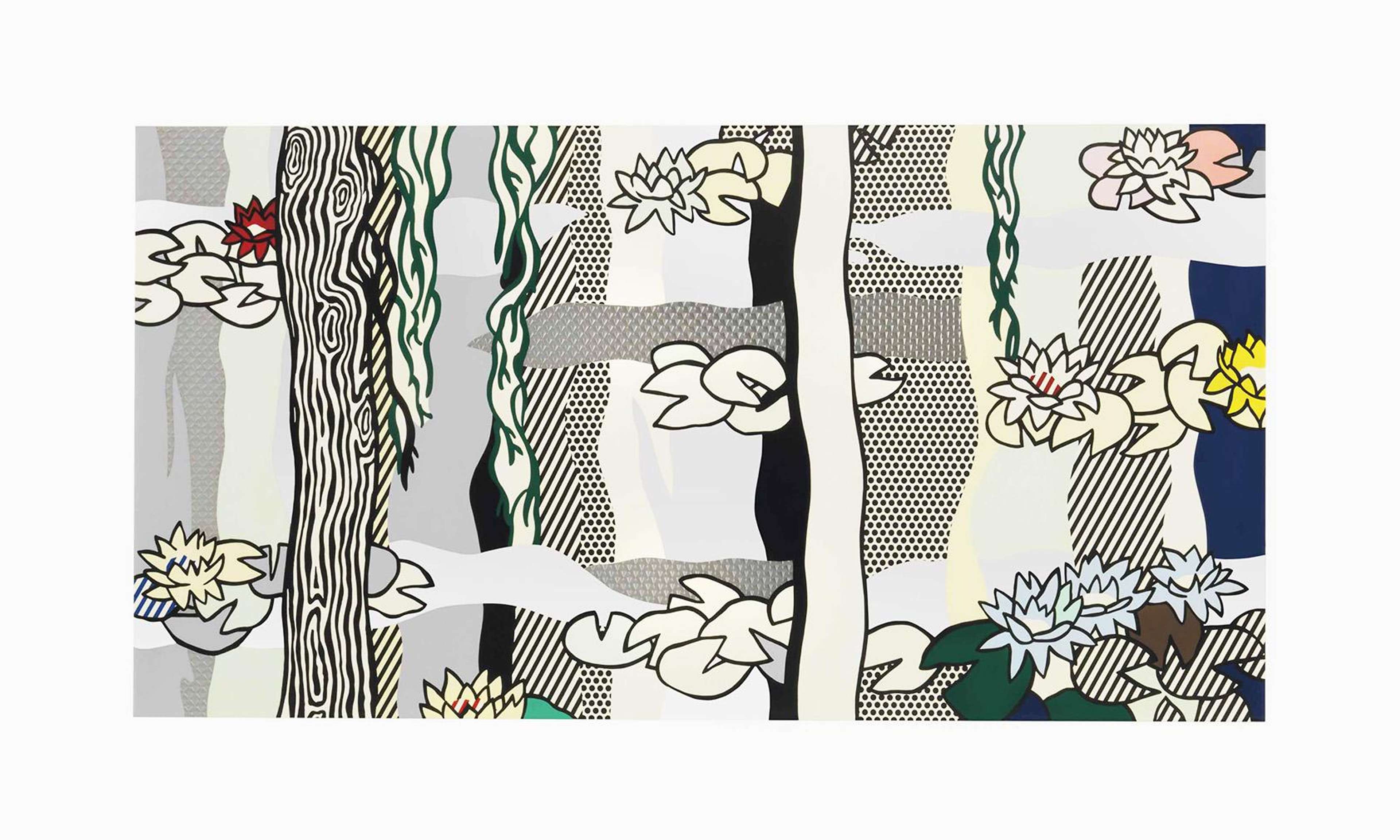
The explanation lies in the composition of supply. Lichtenstein’s market is heavily influenced by a relatively small number of exceptional works. In 2025, just 34 lots sold for more than £100,000 – fewer than 10% of the year’s total volume, yet they generated 57% of its total value. That group included Water Lilies With Willows, which achieved £948,967 (with fees), alongside several other six-figure results in a single November sale.
By comparison, only one work exceeded £100,000 during the period analysed: Nude With Blue Hair, which sold for £561,810 (with fees) in April 2026. With fewer top-tier works coming to market, the average naturally softened, even as demand for high-quality material remained resilient.
Since this analysis was completed, that pattern has already been reinforced. Girl in Mirror, a rare porcelain enamel edition, sold for £4.6 million (with fees) at Sotheby’s New York in May 2026 – outside the period covered by this analysis. Rather than signalling a sudden recovery, the result illustrates how the arrival of a single exceptional work can reshape the headline figures in a market where supply at the very top is inherently limited.
Looking Beyond the Headlines in The Print Market
One of the most important points when interpreting auction data is that no single metric tells the whole story. Average prices, median values, sales volume and the quality of works coming to market each reveal different aspects of market performance. Looking at any one measure in isolation risks oversimplifying the market.
Rather than asking whether an artist’s prices are up or down, it’s often more useful to consider whether buyers continue to compete consistently, whether important works still attract competitive bidding, and whether new collectors are entering the market alongside established ones. Together, those indicators provide a much clearer picture of long-term market health than headline percentages alone.
The blue chip print market has never behaved as a single entity, and today’s data reinforces that more clearly than ever. Different artist markets are shaped by different collector bases, institutional narratives and patterns of supply. Recognising where genuine momentum exists – and understanding what’s driving it – is far more valuable than assuming every established artist is following the same trajectory.
Methodology: Figures in this report are drawn from auction results recorded between January 2025 and April 2026 across major international and regional auction houses in the blue chip prints and editions market. This period was chosen to reflect the most current and relevant view of market conditions.
While every effort has been made to ensure accuracy, this report may contain errors or inconsistencies. It is intended for research and informational purposes only and should not be relied upon as financial or investment advice. MyArtBroker accepts no liability for any loss or damage arising from reliance on the information contained within this report.