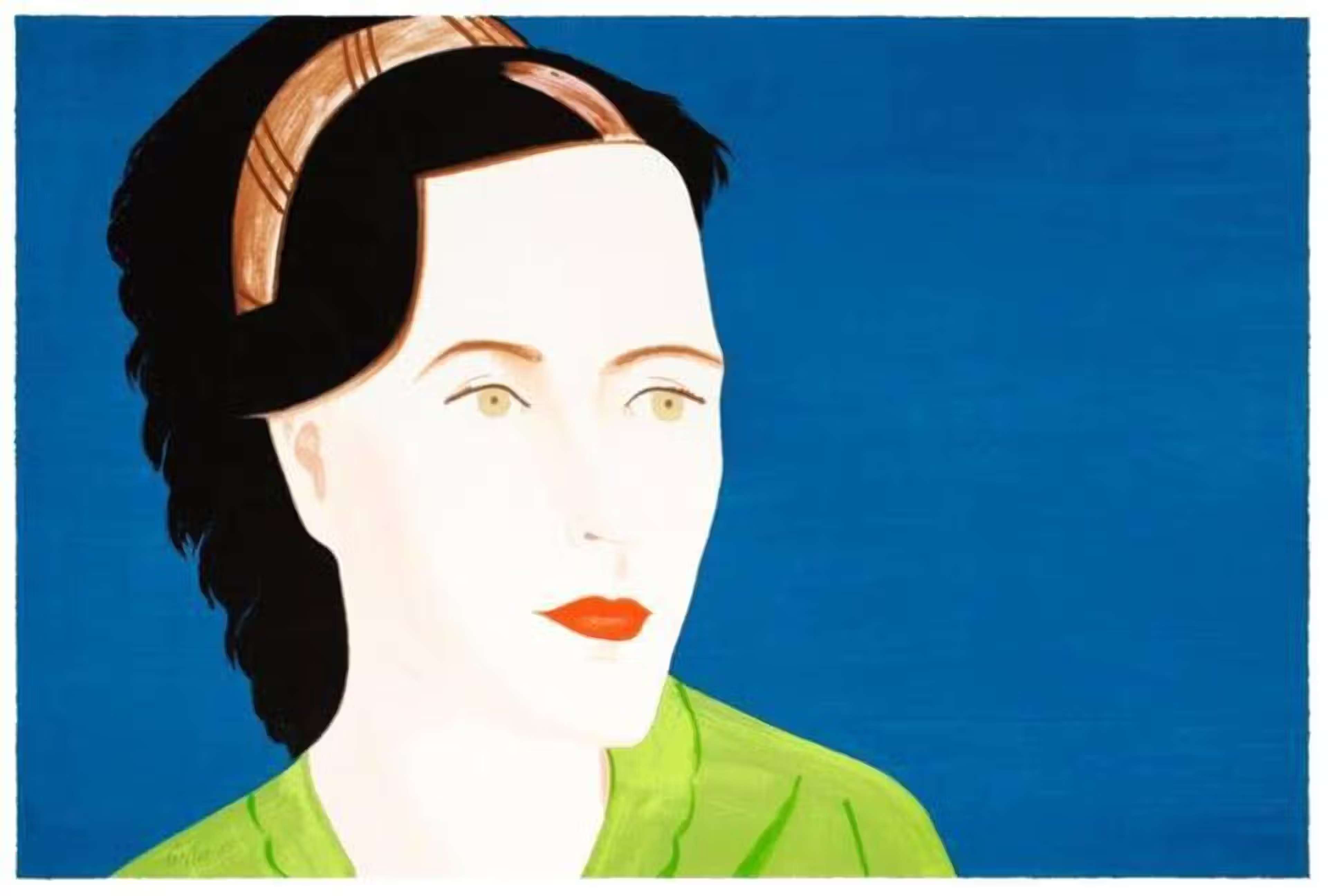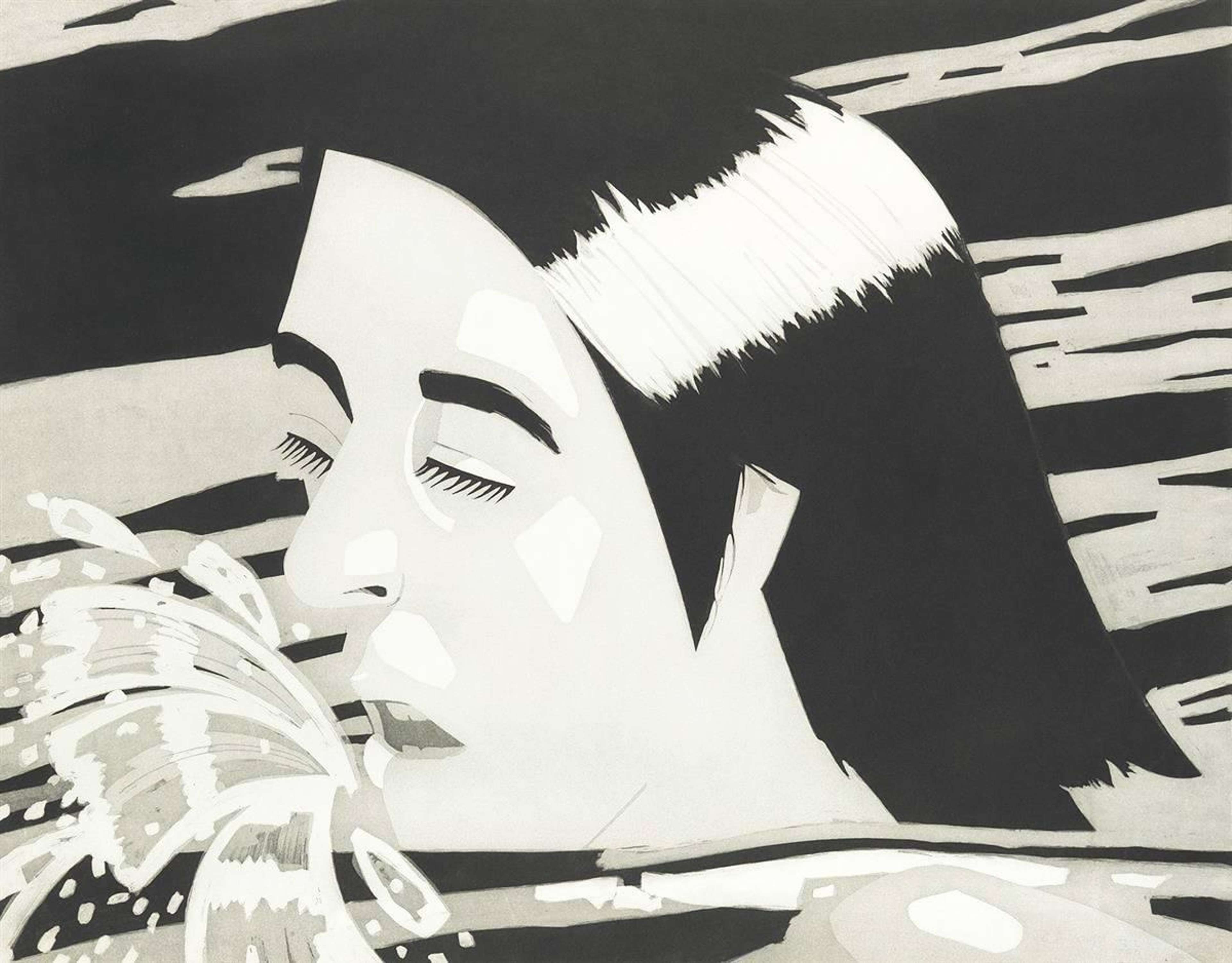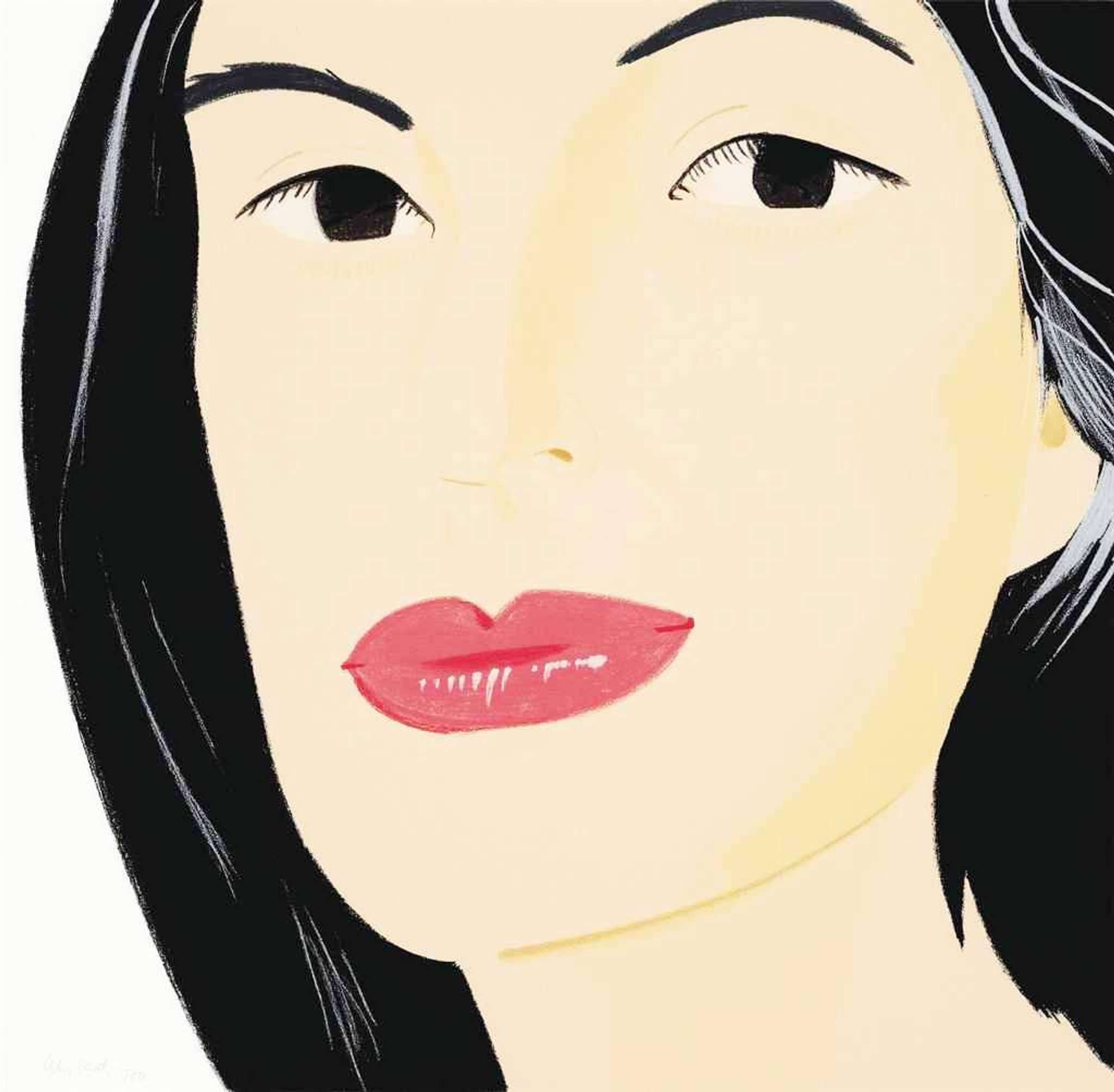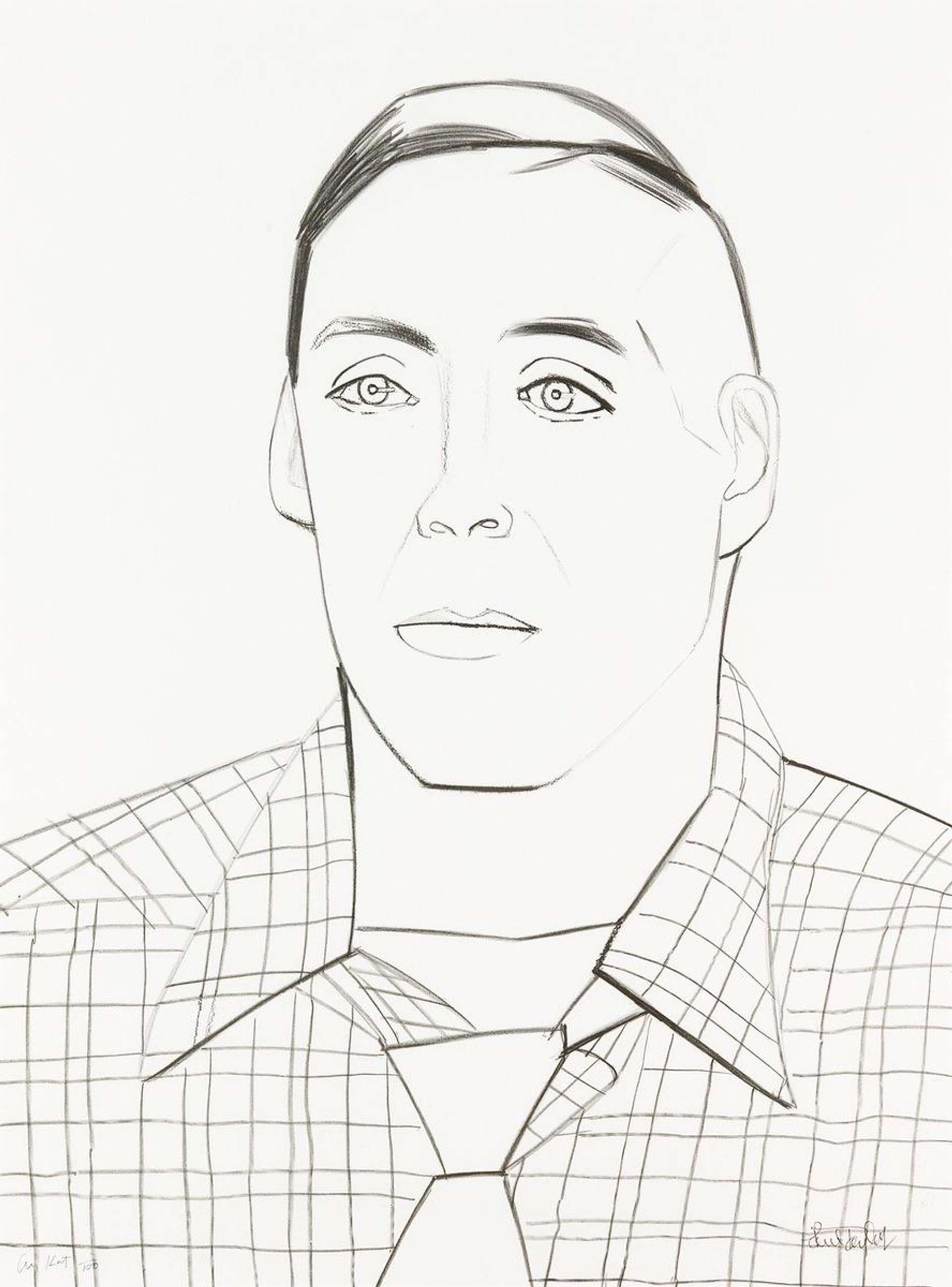

Alex Katz has produced editions for more than seven decades, creating one of the broadest print markets among American artists. His portraits, flowers, landscapes and aluminium cut-outs offer access to the imagery that defines his wider practice at prices substantially below his unique paintings.
That breadth also makes the market difficult to generalise. Katz returned repeatedly to subjects including his wife and muse, Ada, while closely related images can differ considerably in scale, format, supply and value. Buyers therefore need to understand not only whether an image is recognisable, but where the particular edition sits within his market.
This guide explains how much Alex Katz prints cost in 2026, which editions attract the strongest demand, what to check before buying and where to find authentic works for sale.
Why Buy an Alex Katz Print in 2026?
Katz's editions offer access to central areas of his practice, including his portraits of Ada, cinematic close-ups, flowers and cut-outs. These works are not reproductions made independently of the artist. They belong to a substantial printmaking practice developed alongside his paintings and often translate important images into different scales and formats.
The market also offers a wide range of entry points. Smaller editions can be acquired for a few thousand pounds, while large portraits, cut-outs and complete portfolios occupy the upper five-figure and occasionally six-figure market. This allows buyers to choose between accessible works with active resale histories and scarcer editions requiring a larger commitment.
Demand is also selective. A familiar sitter or small edition does not automatically make a print desirable. Buyers place the greatest value on works that combine recognisable imagery, scale, strong colour, condition and a meaningful position within Katz's wider practice.
How Much Do Alex Katz Prints Cost?
Alex Katz prints currently range from the low thousands to more than £50,000. Complete portfolios can cost considerably more.
Alex Katz Prints Under £5,000
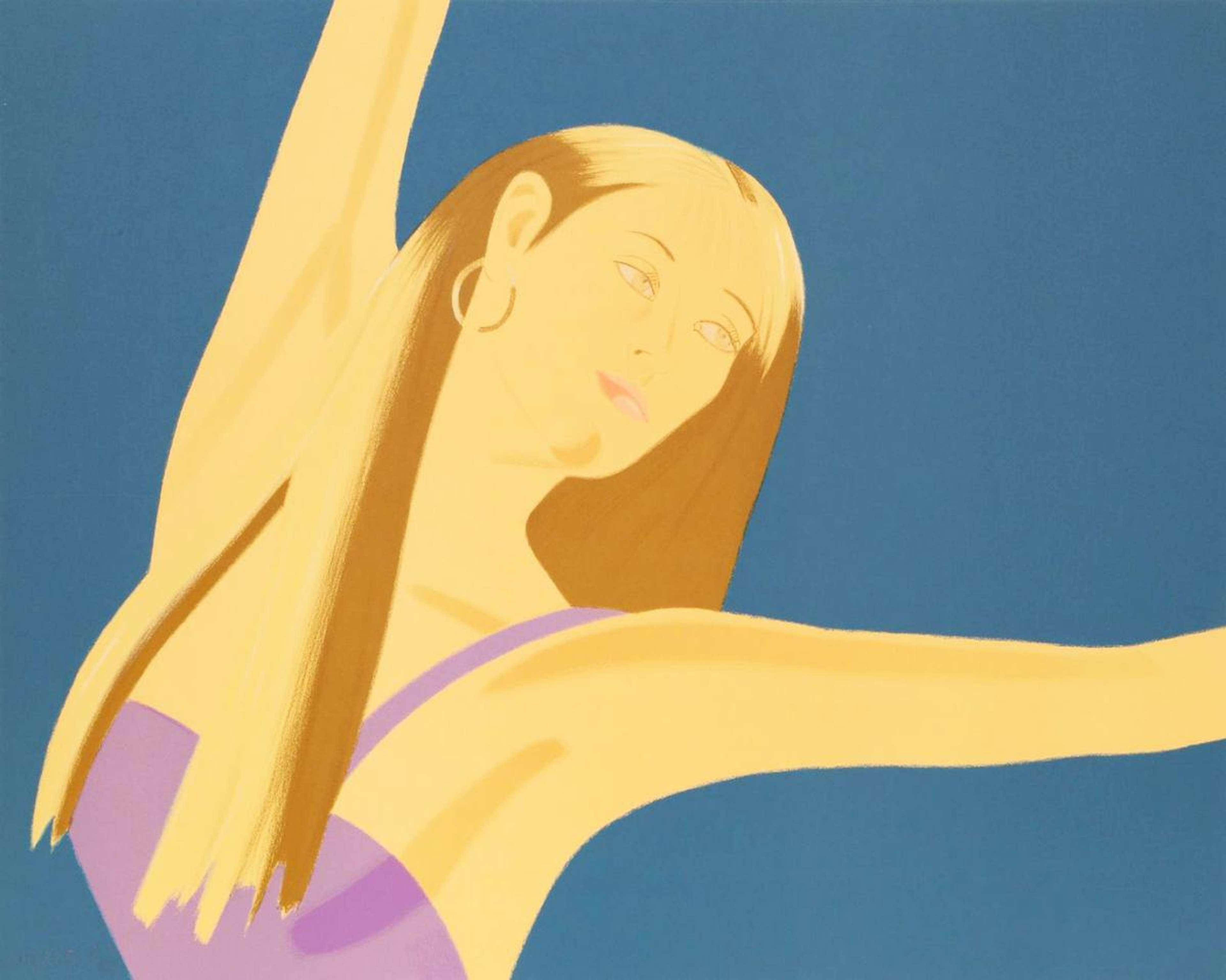
This level includes individual sheets from Ada Four Times, Night: William Dunas Dance I and some of Katz's smaller early portraits. These works provide access to established subjects and signed editions without requiring a five-figure budget.
Supply is relatively broad at this level. Buyers can afford to compare condition and price rather than acting on the first available impression. Smaller dimensions and regular auction appearances generally keep prices accessible, even where the subject is recognisable.
Alex Katz Prints From £5,000 to £15,000
This is one of the most active areas of Katz's market. Works from Brisk Day, Ada With Sunglasses and a range of individual portraits, landscapes and flowers can be found within this bracket.
These editions tend to have established auction histories and broad buyer pools. They combine recognisable Katz imagery with sufficient supply to support price comparison and eventual resale. Condition and colour strength become particularly important because buyers may be choosing between several impressions of the same work.
Alex Katz Prints From £15,000 to £30,000
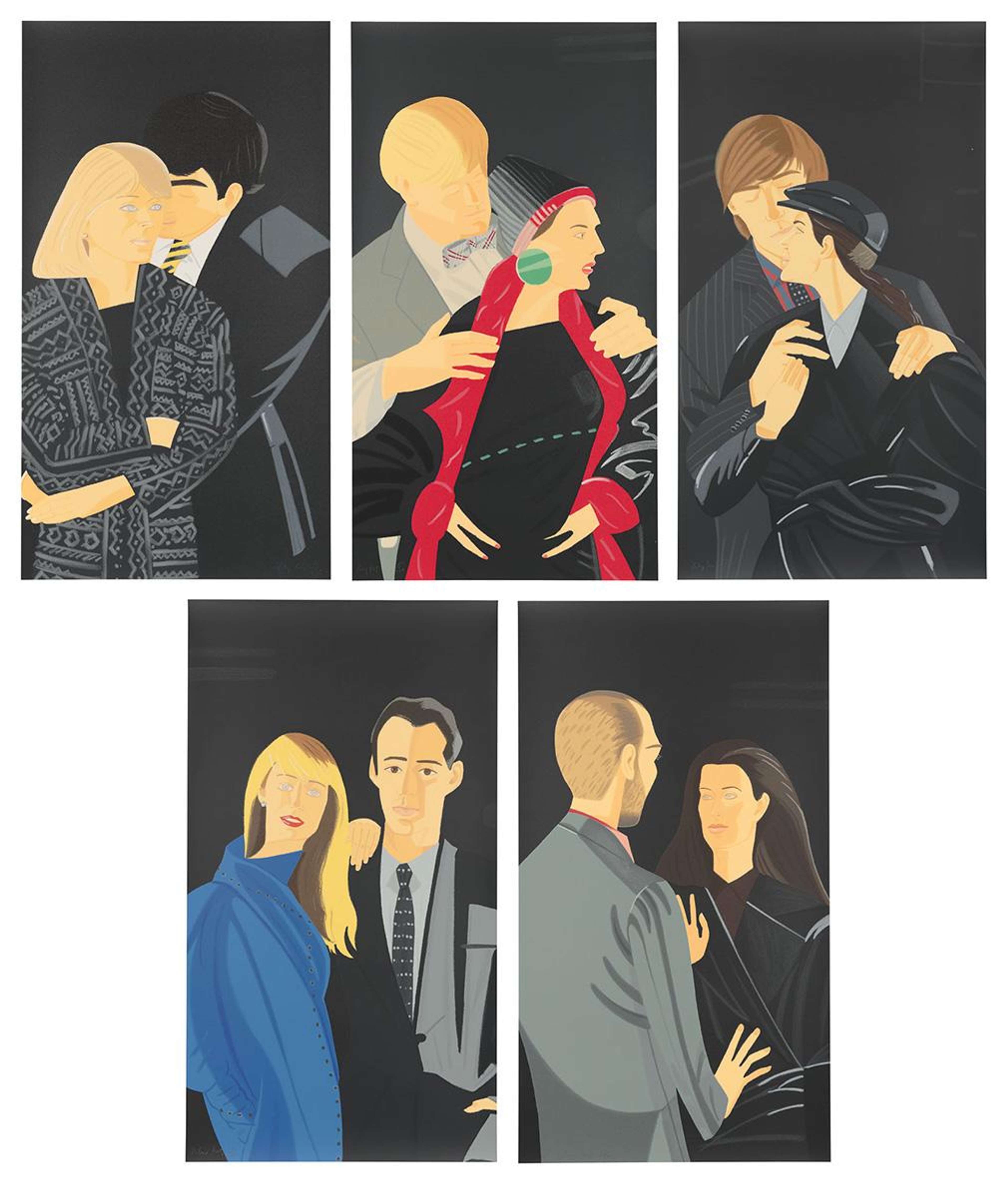
Individual Black Dress portraits, Red Coat, selected flower editions and some cut-outs occupy this level. Works in this bracket generally offer greater scale, stronger imagery or more restricted supply than Katz's more accessible editions.
Buyers should distinguish between a work that consistently trades at this level and one valued primarily against an older peak. Recent supply and the result of the last comparable impression provide a more useful indication than the strongest historic sale.
Alex Katz Prints Above £30,000
Katz's upper print market includes major large-format portraits, aluminium cut-outs and complete portfolios. Anne sold for $49,020 at Phillips in 2026, while the complete seven-part Flowers portfolio reached $64,500 that June.
Blue Umbrella II last appeared publicly in 2023, when examples achieved approximately £45,000 to £50,000 at hammer. Its value is supported by its scale and relationship to Katz's celebrated 1972 painting Blue Umbrella I, which set his auction record at £3.375 million with fees in 2019. Complete Black Dress portfolios can move higher still, although the most recent public sale occurred in 2019.
The upper market is not led by one production method. Some high-value editions are digitally produced, but the technique alone does not create the premium. Scale, completeness, limited supply and the significance of the image are more important.
Are Alex Katz Prints a Good Investment?
Katz has an active international editions market, but performance varies considerably between works. His market should not be treated as though every print will appreciate at the same rate.
Liquidity is strongest among recognisable editions with established price histories. Brisk Day and individual Black Dress portraits have substantial auction records, making their current market positions easier to assess. Smaller editions may be relatively easy to transact because of their accessible prices, while complete portfolios and major cut-outs can take longer to resell despite occupying higher-value tiers.
Katz also continues to produce new editions. These releases maintain visibility and attract new buyers, but a sold-out primary edition does not immediately have an established resale market. Buyers should distinguish between a publisher's release price and evidence of sustained secondary demand.
Condition, entry price and future supply will affect any resale outcome. It is always recommended that you buy what you like, selecting works for their artistic and collecting significance rather than relying on a general forecast for Katz's market.
Which Alex Katz Prints Show the Strongest Buyer Demand?
Katz's most expensive prints are not necessarily his most actively sought or frequently traded. Current buyer interest is spread across several price levels, with some accessible editions producing deeper markets than scarcer works at the top.
Brisk Day II
Among the three Brisk Day compositions, Brisk Day II has attracted particularly strong current interest. It combines Ada, Katz's defining subject, with a price accessible to a broader collector base than his monumental portraits.
The work also appears regularly enough for buyers to assess its market with confidence. Further impressions are likely to become available, although strong colour and condition can distinguish the best examples.
Black Dress (Yvonne)
Black Dress (Yvonne) has one of the more established individual markets within the nine-part portfolio. Its life-size format gives it the presence associated with the complete group without requiring the cost or display space of all nine portraits.
Its market also demonstrates that collectors distinguish between the individual Black Dress compositions. The portfolio's reputation supports demand, but the sitter, pose and condition of the particular sheet still affect buyer preference.
Night: William Dunas Dance I
Night: William Dunas Dance I is one of Katz's most regularly traded individual editions. Its market is driven less by scarcity than by a relatively accessible price and its connection to Katz's interest in dance and the human figure.
This repeated activity supports liquidity, but it should not be mistaken for rapid price growth. The work's appeal lies in an established buyer pool and regular availability rather than a scarcity premium.
Should I Buy a Complete Alex Katz Portfolio?
A complete Katz portfolio can offer greater scarcity and collecting significance than an individual sheet. Many also remain comparatively affordable beside complete portfolios by other blue chip artists. Pas de Deux, for example, occupies an accessible market, while intact Black Dress portfolios are much scarcer and require a substantially larger budget.
Before buying, confirm that every sheet belongs to the correct edition and that the set retains any original box, title page, colophon and publisher documentation. Matching edition numbers can strengthen the coherence of a portfolio. A group assembled later from separately sourced sheets should be described as such and may not carry the same market value as a set retained together.
How Do I Authenticate an Alex Katz Print Before Buying?
Katz's editions are documented in the dedicated print catalogue raisonné Alex Katz: The Complete Prints. The revised edition, published by Hatje Cantz in 2023, covers his printmaking from 1947 to spring 2023. The official Alex Katz website also maintains a Print Archive and catalogue supplement recording corrections and projects completed after the book was published.
The catalogue entry should correspond with the work's title, date, dimensions, edition structure, signature position, printer and publisher. These details are especially important because Katz returned to the same sitters and compositions across different editions. A familiar image is not enough to identify the work.
Katz sometimes signed and numbered editions on the reverse to avoid interrupting the image. Buyers should therefore inspect both sides rather than treating the absence of a signature on the front as a warning sign. Publisher stamps, copyright marks, blind stamps and labels should also agree with the information recorded for the edition.
Established Katz publishers include Lococo Fine Art, Peter Blum Edition and, for recent projects, Avant Arte. An unfamiliar publisher attribution should be checked rather than accepted from a dealer description alone.
Catalogue inclusion establishes that the edition is recognised, but does not authenticate the individual impression. Gallery or publisher invoices, previous auction records, labels and an uninterrupted ownership history provide additional support. A generic certificate issued by the seller should not replace this evidence.
How Can I Spot a Fake Alex Katz Print?
A forged signature is only one possible warning sign. Incorrect dimensions, an edition number outside the documented run, a signature in the wrong location, missing publisher marks or a printing format that does not correspond with the catalogue entry can all indicate that further investigation is required.
Buyers should also be cautious where a seller uses the title of a well-known painting to describe a different edition, cannot provide photographs of the reverse or offers a supposedly rare print substantially below its established market level. Printed reproductions, posters and unauthorised images may carry genuine Katz imagery without belonging to a recognised limited edition. For higher-value purchases, it is always recommended to have a print specialist examine the work before the transaction is completed.
How Do I Check the Condition of an Alex Katz Print?
Colour is central to Katz's print market and one of its most important condition risks. His flat, vivid areas of red, purple, blue and yellow can lose intensity through prolonged light exposure, which can materially alter both the appearance and value of the work.
Red and purple are particularly vulnerable. Buyers should compare the impression with trusted archival images or another verified example where possible, while allowing for differences in photography and screen display. Uneven fading may be visible where part of the sheet was previously covered by a mount.
Katz's large areas of flat colour also make scuffing, abrasions and surface disruption difficult to conceal. High-resolution photographs should show the work under even light and, where necessary, raking light. Images that are heavily edited, excessively bright or photographed only behind reflective glazing may not provide a reliable view of the surface.
For works on paper, inspect the entire sheet, including the reverse, margins and corners. Foxing, staining, creasing, paper discolouration, trimming and damage from hinges or adhesives can all affect value. Large-format prints are particularly vulnerable to edge damage, undulation and handling creases because of their size.
Many of Katz's later pigment prints extend to or close to the edge of the sheet, making corner damage and surface marks especially visible. Earlier works may show natural paper ageing, but strong discolouration or colour loss should be reflected in the price.
Aluminium cut-outs require a different assessment. The printed or coated surface should be checked for scratches and abrasions, while the support should be inspected for dents, bends and damage around the edges. Original bases, wall mounts and fixings form part of the work and should be present.
For complete portfolios, every sheet and all accompanying materials should be examined. Buyers should also request details of any restoration. Undocumented cleaning, retouching, flattening or paper repair may affect value even where the work appears visually improved.
Where Can I Buy Alex Katz Prints?
Katz prints can be purchased through auction houses, galleries, publishers, specialist dealers and private-sale platforms. Buyers should compare not only the asking price, but also the work's condition, documentation, availability and the additional costs attached to each route.
Buying Alex Katz Prints at Auction
Auction offers access to a broad range of Katz editions and a public record of the price paid. It can be particularly useful when a scarce portfolio, large portrait or cut-out comes to market.
The hammer price is not the final acquisition cost. Buyer's premium, taxes, delivery and possible reframing can add substantially to the winning bid. Before bidding, request the condition report and establish whether the work has been inspected outside its frame. For cut-outs and portfolios, confirm that every original component is included.
Auction estimates are intended to encourage bidding and do not guarantee value. Competition around a recognisable image can push the final price above recent results, so buyers should establish a maximum total cost before the sale.
Buying Alex Katz Prints Through Private Sale
Private sale provides negotiated pricing and access to works that may not be publicly advertised. A buyer can specify a title, series, budget and condition requirements while a specialist approaches relevant collectors.
This route is useful when searching for a particular Black Dress portrait, a complete portfolio or a cut-out retaining its original fittings. It also allows more time to review provenance, authentication and condition than may be available during an auction timetable.
Buying Alex Katz Prints From Galleries and Publishers
Galleries and specialist print dealers may offer documented works at fixed asking prices. Buyers should establish whether the gallery owns the work, is selling it on consignment or is offering a newly published edition on the primary market.
A primary release provides the opportunity to acquire an edition directly from its publisher, but a sell-out does not guarantee that the work will command the same or a higher price on resale. For secondary-market works, ask what due diligence has been completed and whether framing, taxes and delivery are included.
Gallery prices may reflect condition, provenance, sourcing and service. They should therefore be compared with the total cost of buying elsewhere rather than with an auction hammer price alone.
Buy an Alex Katz Print With MyArtBroker
MyArtBroker’s live Trading Floor allows you to explore Alex Katz prints currently available and register interest in editions you would like to acquire. If a particular work is not listed, our specialists can approach owners across our international collector network to identify potential private-sale opportunities.
Our specialists are experts in blue chip prints and multiples. They can help you distinguish between closely related Katz editions, review condition and provenance, and explain how the asking price compares with recent public auction results and current private-market demand.
You are not restricted to an auction catalogue or timetable. This gives you flexibility to search for the right title, colourway, condition and price, whether you are ready to acquire immediately or waiting for a particular edition to become available. Our MyPortfolio collection management also allows you to track your works and wider collection after purchase.
Before a transaction is completed, we provide the available documentation and condition information and agree all costs clearly with you. Our team then manages the purchase through payment, packing and insured delivery.