
At first glance, those figures might suggest that expensive prints simply hold their value better. In reality, they point to something more important: the blue chip print market is made up of distinct value tiers, each driven by different collector behaviour and market dynamics.
Collectors often ask whether a particular print is “a good investment” or whether it is likely to hold its value over time. The better question is where that print sits within its artist’s market. Long-term value depends not only on who created the work, but on how collectors perceive that specific series, edition and impression.
Value Doesn’t Behave the Same Way Across Every Price Level
The sub-£25,000 segment is by far the most active part of the blue chip print market. More than 3,000 lots across our 19 top-performing artists – the blue chip names with the deepest and most consistent auction histories – traded within this price range during the period analysed. At this level, liquidity becomes one of the strongest contributors to long-term value.
Works in this tier often retain their value because they continue to trade regularly. Buyers remain active, collectors have confidence that another purchaser is likely to emerge when they decide to sell, and frequent transactions create a transparent and well-understood market.
That liquidity provides resilience. Rather than relying on a handful of exceptional auction results, this part of the market is supported by broad and consistent collector participation across thousands of sales.

Why Liquidity Protects Value
Damien Hirst provides one of the clearest examples of how liquidity supports long-term value. Across 2025 and through April 2026, Around 97% of his auction market sits below £25,000. While individual series have experienced periods of stronger and weaker performance, demand for the best-known Hirst editions has remained remarkably consistent. The Virtues illustrates this particularly well. Individual prints from the series have traded in every quarter across the last five consecutive quarters, with no fewer than seven lots appearing in any three-month period. Those sales were spread across 13 auction houses in London, New York, Hong Kong and beyond. Pricing has remained remarkably consistent, averaging around £9,000 per print (excluding complete sets) with little variation lot to lot. That regular trading provides a steady stream of comparable sales, giving collectors confidence that there is an active market and a transparent pricing history.
Banksy’s market demonstrates the same principle at a larger scale. Around 77% of Banksy prints sold during the same period were valued below £25,000, yet this remains one of the deepest and most active segments of the blue chip print market: 240+ lots changed hands, spanning 77 different works across 27 auction houses in 12 countries. A broad buyer base, globally recognised imagery and consistent trading activity mean collectors can enter and exit the market with relative confidence.
In this context, accessibility means more than an affordable entry price. It also describes how easily collectors can buy and sell within an active market. That depth of liquidity provides confidence, supports pricing and is one of the strongest foundations for long-term value.
Higher-Value Prints Are Driven by Different Factors
Above £25,000, different market dynamics begin to dominate. Transactions become less frequent, and value is increasingly supported by selectivity rather than liquidity. At this level, collectors place greater emphasis on the characteristics that distinguish one impression from another, including provenance, condition, series, rarity and historical significance.
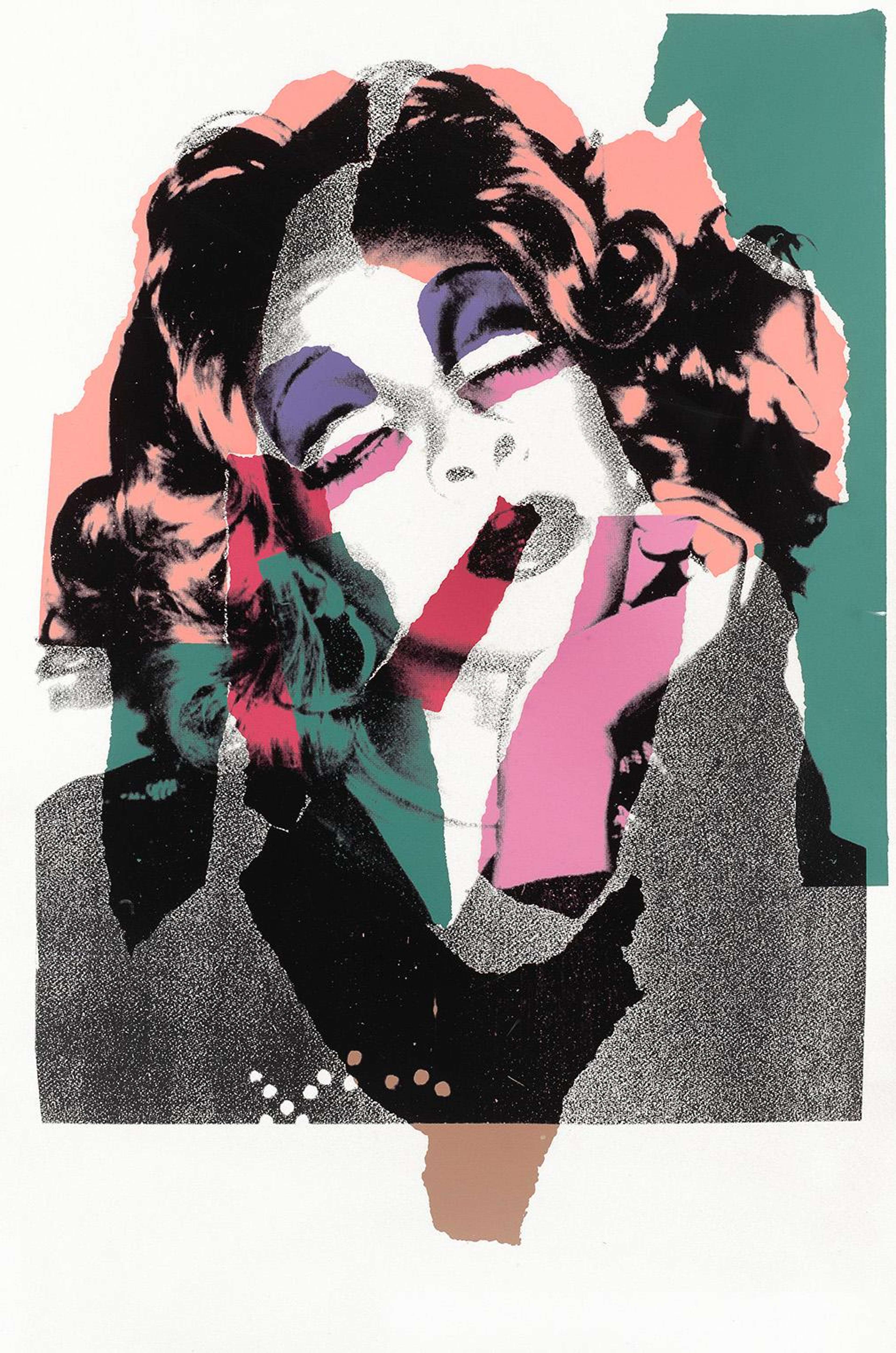
Warhol illustrates this particularly well. Almost half of his auction lots sell for more than £25,000, making his market one of the most evenly balanced across the lower and premium value tiers. Within that premium segment, collectors become increasingly discerning. A Marilyn Monroe print occupies a very different commercial position from a work in Ladies And Gentlemen, despite both belonging to the same artist.
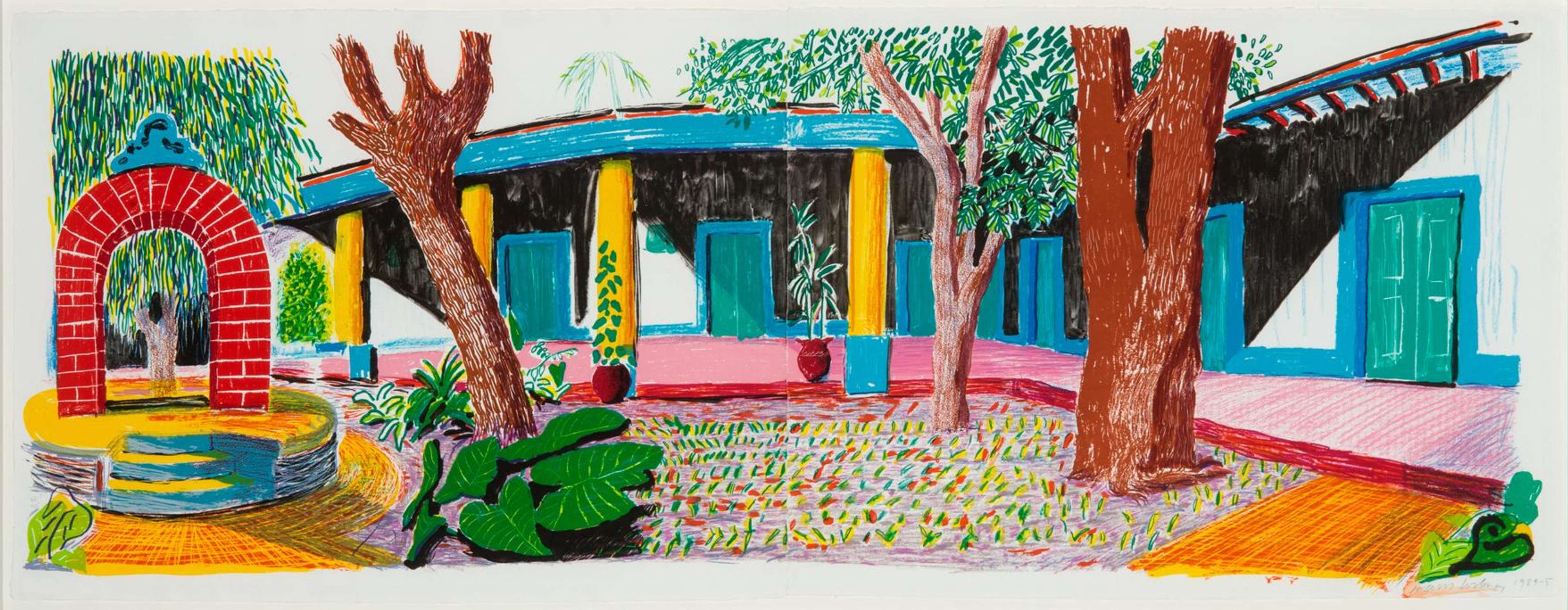
Hockney and Haring show the same dynamic in their own markets. Arrival of Spring commands a premium within Hockney’s market because it has become one of the defining print series of his later career, supported by institutional recognition and sustained collector demand. Andy Mouse occupies a similar position within Haring’s market, where rarity, historical significance and its collaboration with Andy Warhol place it in a distinct tier.
Unlike the lower tiers, where value is reinforced by liquidity and regular trading, the premium market is driven by selectivity. Collectors compete for the strongest examples within an artist’s market, making rarity, condition, provenance and series significance increasingly important to long-term value.
Value Is Concentrating At The Top
This dynamic is becoming more pronounced at the very top of the market. During 2025, 5% of auction lots achieved more than £100,000. In Q1 2026, that proportion has increased to 8%. Over the same period, the share of works selling below £5,000 has held broadly flat, at around 32%.
Rather than suggesting the market is becoming uniformly more expensive, these figures point to value becoming increasingly concentrated at the upper end while the foundation of accessible trading remains largely unchanged. Liquidity continues to support the lower tiers, while selectivity concentrates a growing share of value in the premium market.
You’re Not Just Buying a Print
Collectors are not buying an object alone. They are buying into a particular position within an artist’s market.
That position shapes how value behaves over time. Highly liquid editions tend to benefit from regular trading and broad buyer participation, while rarer works rely on exceptional competition when they appear. Neither model is inherently stronger – they are supported by different market dynamics.
Specialists look beyond the artist’s name to assess where a work sits within its market, how collectors respond to it, the depth of buyer demand and the factors that support value over time.
Understanding those market dynamics is ultimately more valuable than asking whether a print is simply expensive or affordable. Long-term resilience depends on the market that supports a work – whether that’s broad liquidity, sustained demand for an important series or the rarity of an exceptional edition. The strongest collecting decisions come from recognising which type of market you’re buying into.
Methodology: Figures in this report are drawn from auction results recorded between January 2025 and April 2026 across major international and regional auction houses in the blue chip prints and editions market. This period was chosen to reflect the most current and relevant view of market conditions.
While every effort has been made to ensure accuracy, this report may contain errors or inconsistencies. It is intended for research and informational purposes only and should not be relied upon as financial or investment advice. MyArtBroker accepts no liability for any loss or damage arising from reliance on the information contained within this report.