

Sa disparition attirera inévitablement une attention accrue sur ce marché. Elle pourrait également inciter davantage de propriétaires à vendre. La question fondamentale n'est donc pas de savoir si les prix des œuvres de Kusama grimperont immédiatement, mais comment un marché aussi vaste et déjà très actif absorbera un regain de la demande ainsi qu'une éventuelle augmentation de l'offre.
Les chiffres derrière la domination de Kusama sur le marché de l'art
Kusama est entrée sur le marché posthume avec une profondeur de transactions notable aux enchères. Entre 2019 et 2025, 2 090 estampes et séries complètes ont généré 49,3 millions de livres sterling en prix marteau.
Le marché a atteint son sommet annuel en 2022, lorsque 368 lots ont produit 11,24 millions de livres sterling, après avoir atteint 10,8 millions de livres sterling pour 370 lots en 2021. L'activité s'est ensuite contractée durant trois années consécutives. En 2025, le nombre de lots vendus était tombé à 240, pour une valeur annuelle en prix marteau de 4,91 millions de livres sterling, soit 56 % de moins que le pic de 2022.
La situation en 2026 est plus nuancée. Avant l'annonce du décès de Kusama, 130 estampes et séries avaient généré 3,30 millions de livres sterling en prix marteau. Le prix marteau moyen s'est élevé à environ 25 400 livres sterling, contre 20 400 livres sterling en 2025. Cela suggère que les œuvres atteignant les enchères bénéficiaient d'un niveau moyen plus élevé, bien que l'échantillon partiel de cette année ne permette pas encore de confirmer une reprise généralisée du marché.
Telle est la base de référence à partir de laquelle le marché posthume doit être évalué : une offre et un chiffre d'affaires inférieurs au pic de 2021-2022, mais un prix moyen plus solide en 2026. Les ventes aux enchères d'automne permettront de déterminer si l'intérêt renouvelé soutient les prix, favorise l'arrivée de nouvelles œuvres sur le marché, ou provoque ces deux phénomènes simultanément.
Pourquoi l'Asie est-elle au cœur du marché de Kusama ?
Le marché des enchères de Kusama se distingue de celui de nombreux artistes blue chip occidentaux par le fait qu'une part essentielle de sa profondeur se situe en dehors de Londres et New York.
Les maisons de ventes japonaises offrent un débouché régulier pour ses éditions, tandis que Hong Kong a soutenu nombre de ses prix les plus élevés. Les collectionneurs et les maisons de ventes sud-coréens ont par ailleurs stimulé la demande régionale. Si les salles de ventes occidentales demeurent pertinentes, notamment pour les peintures rares, les sculptures et les suites complètes d'estampes majeures, elles ne permettent pas d'appréhender la globalité de son marché.
Cette répartition géographique jouera un rôle déterminant après sa disparition. Les premiers résultats posthumes pourraient émerger au sein de plusieurs centres d'enchères plutôt que lors d'une vente concentrée à Londres ou New York. Toute évaluation fondée exclusivement sur les grandes maisons occidentales risquerait donc de passer à côté des évolutions de l'offre, des enchères et de la formation des prix à l'échelle mondiale.
Les résultats régionaux doivent néanmoins être comparés avec prudence. Les fluctuations monétaires, le format des ventes, la participation des acheteurs et la popularité de certains motifs peuvent influencer les performances. Un résultat solide à Hong Kong ou à Tokyo n'établit pas automatiquement un nouveau niveau de référence mondial pour chaque estampe représentant le même sujet.
Pourquoi le marché de Kusama prospère au-delà de l'Occident
Les éditions de Kusama attirent aussi bien les collectionneurs faisant leurs premiers pas sur son marché que les acheteurs en quête d’œuvres rares à forte valeur. Cette dynamique a engendré un marché diversifié, plutôt qu’une trajectoire de prix unique.
Les estampes individuelles offrent un accès à ses sujets les plus reconnaissables au sein d’une large gamme de prix. Les ensembles complets, quant à eux, se situent à un tout autre niveau car ils préservent l’intégrité d’une série et apparaissent beaucoup plus rarement sur le marché. Entre 2019 et 2024, seuls sept ensembles complets ont été recensés en vente publique, générant toutefois un cumul supérieur à 1 million de livres sterling.
Les résultats les plus significatifs témoignent de la valeur accordée à l’exhaustivité et à la rareté. « Amour Pour Toujours » a atteint un prix marteau de 268 001 livres sterling en tant qu’ensemble complet, tandis que « Mt. Fuji in Seven Colours » a atteint 228 512 livres sterling. Ces prix ne sauraient être extrapolés à des feuilles individuelles issues de ces mêmes séries.
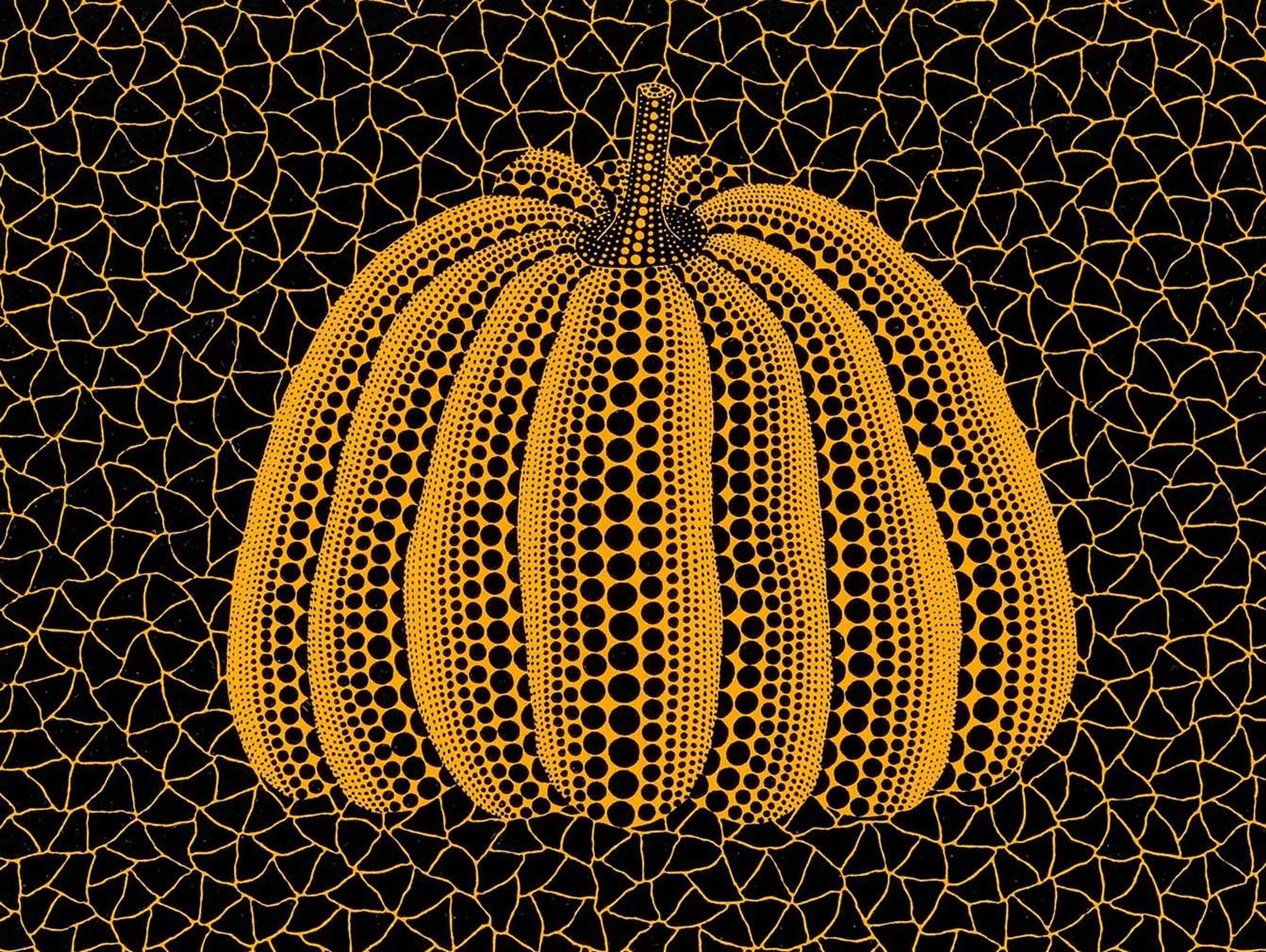
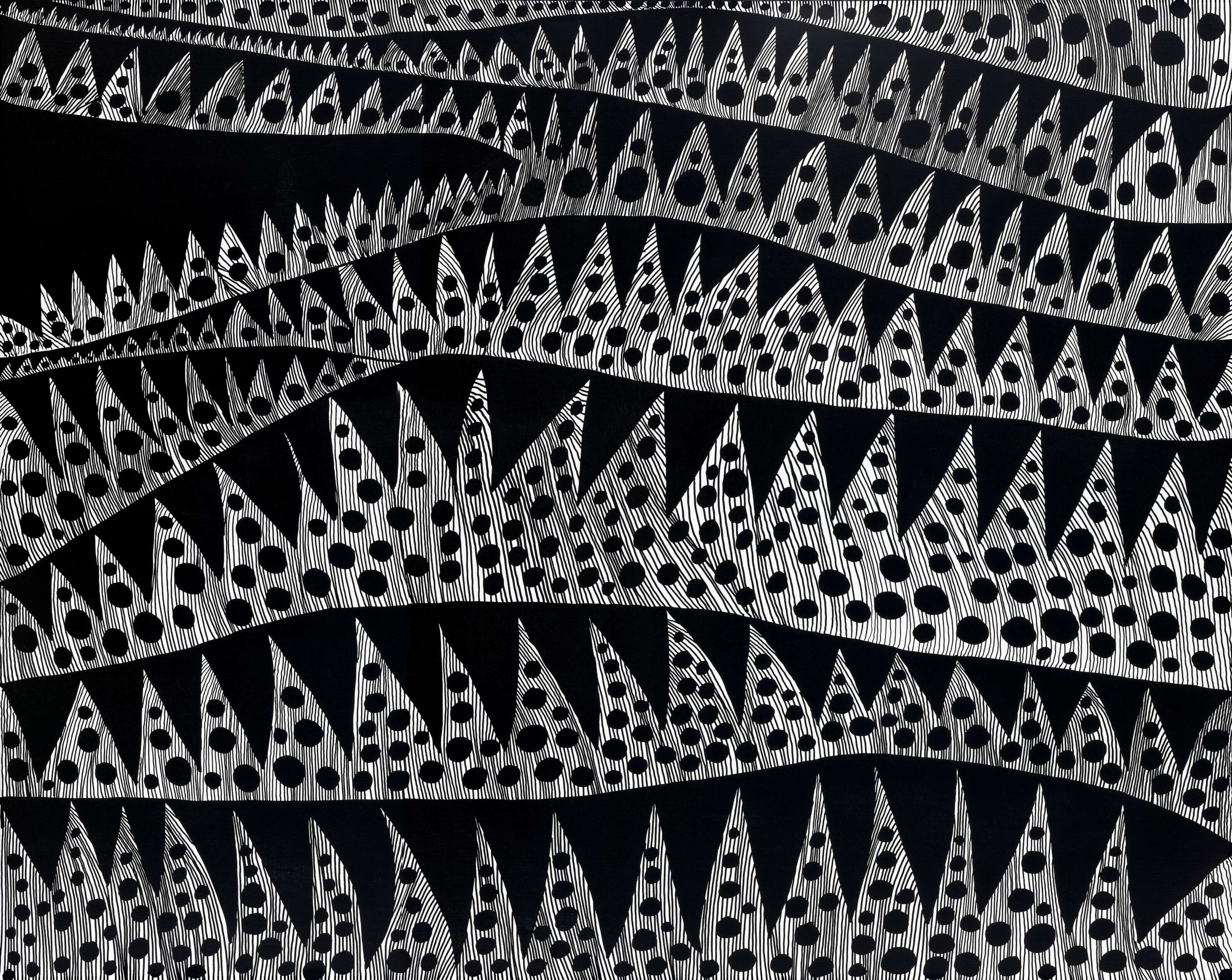
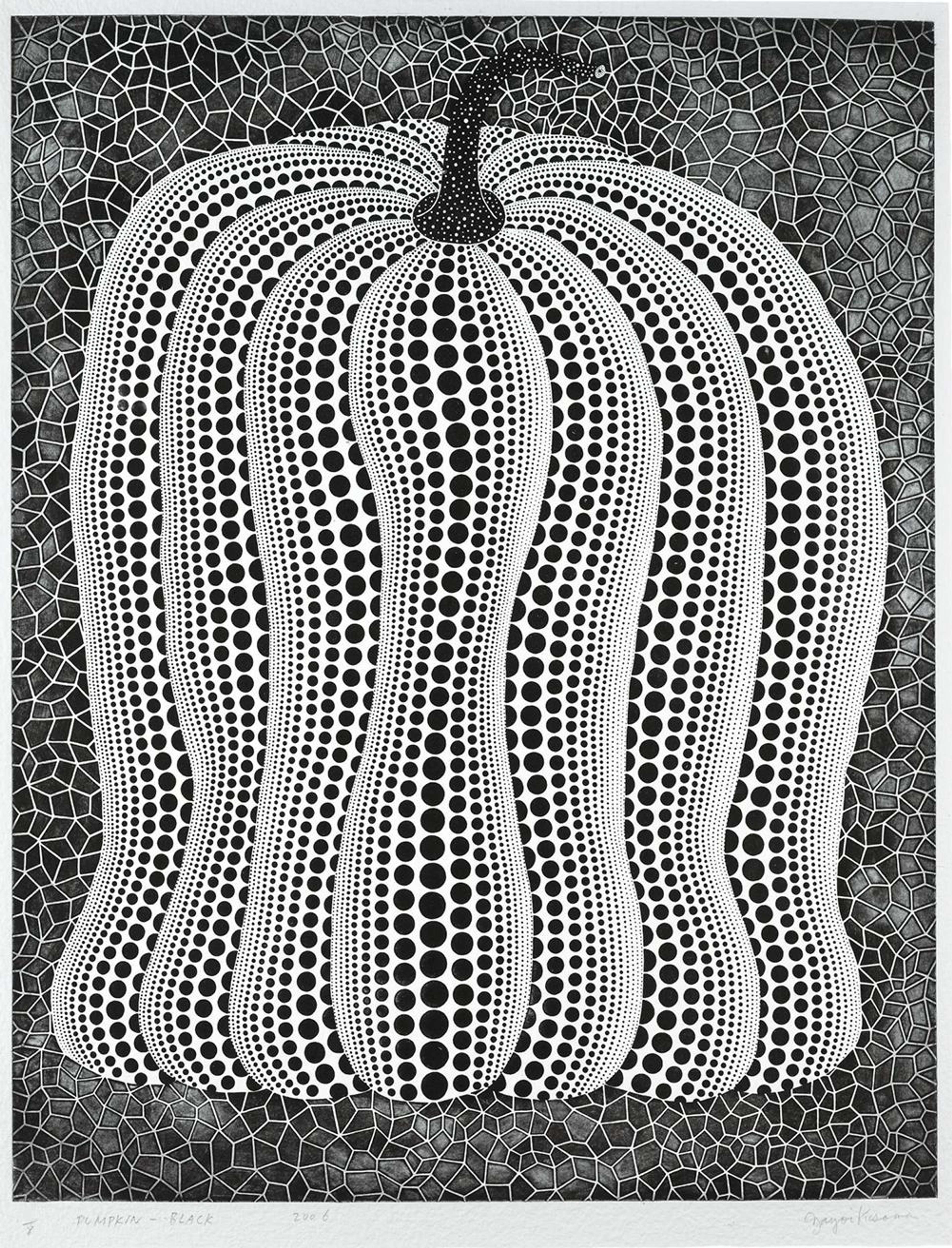
Des estampes individuelles majeures peuvent également atteindre des montants à six chiffres. « Waves (TWXZO) » a été adjugée 172 480 livres sterling chez Christie’s Hong Kong en 2022, tandis que « Pumpkin (Black) » a atteint 123 215 livres sterling en 2021. Ces deux résultats reflètent la nature spécifique de l’œuvre, sa rareté et les conditions de la vente, plutôt qu’une valeur uniforme attribuée aux catégories plus vastes des « Waves » ou des « Pumpkin ».
Pour Kusama, si un motif familier peut soutenir la demande, ce sont le titre, la couleur, la date, l'échelle, le tirage, l’état de conservation et l’offre récente qui déterminent le positionnement d’une œuvre individuelle sur le marché.
Le rôle de la rareté sur le marché des œuvres de Kusama
La rareté joue un rôle déterminant sur le marché des estampes de Kusama. Les séries complètes de ses œuvres sont extrêmement rares : seules sept d'entre elles ont été présentées aux enchères au cours des cinq dernières années. Ces quelques ventes ont toutefois généré plus d'un million de livres sterling. Les collectionneurs, conscients de l'intérêt de ces ensembles, alimentent une vive compétition dès qu'ils apparaissent sur le marché. La performance des séries « Waves » et « Pumpkin » de Kusama illustre parfaitement comment la rareté soutient la vigueur du marché. Waves (TWXZO) a établi le record de l'estampe individuelle de Kusama la plus chère, atteignant 172 480 livres sterling chez Christie's Hong Kong en 2022, tandis que Pumpkin (black), une eau-forte produite en édition très limitée, a atteint 123 215 livres sterling en 2021.
Contrairement aux artistes occidentaux dont les œuvres inondent le marché, la production sélective d'estampes de Kusama garantit une demande qui surpasse toujours l'offre. Cette rareté stratégique a cimenté son statut parmi les investissements « blue chip » les plus fiables de l'art contemporain.
Quelle est l'incidence du décès de Yayoi Kusama sur son marché ?
La disparition de Kusama modifie le contexte dans lequel ses œuvres seront désormais négociées, sans pour autant bouleverser la hiérarchie déjà établie sur son marché.
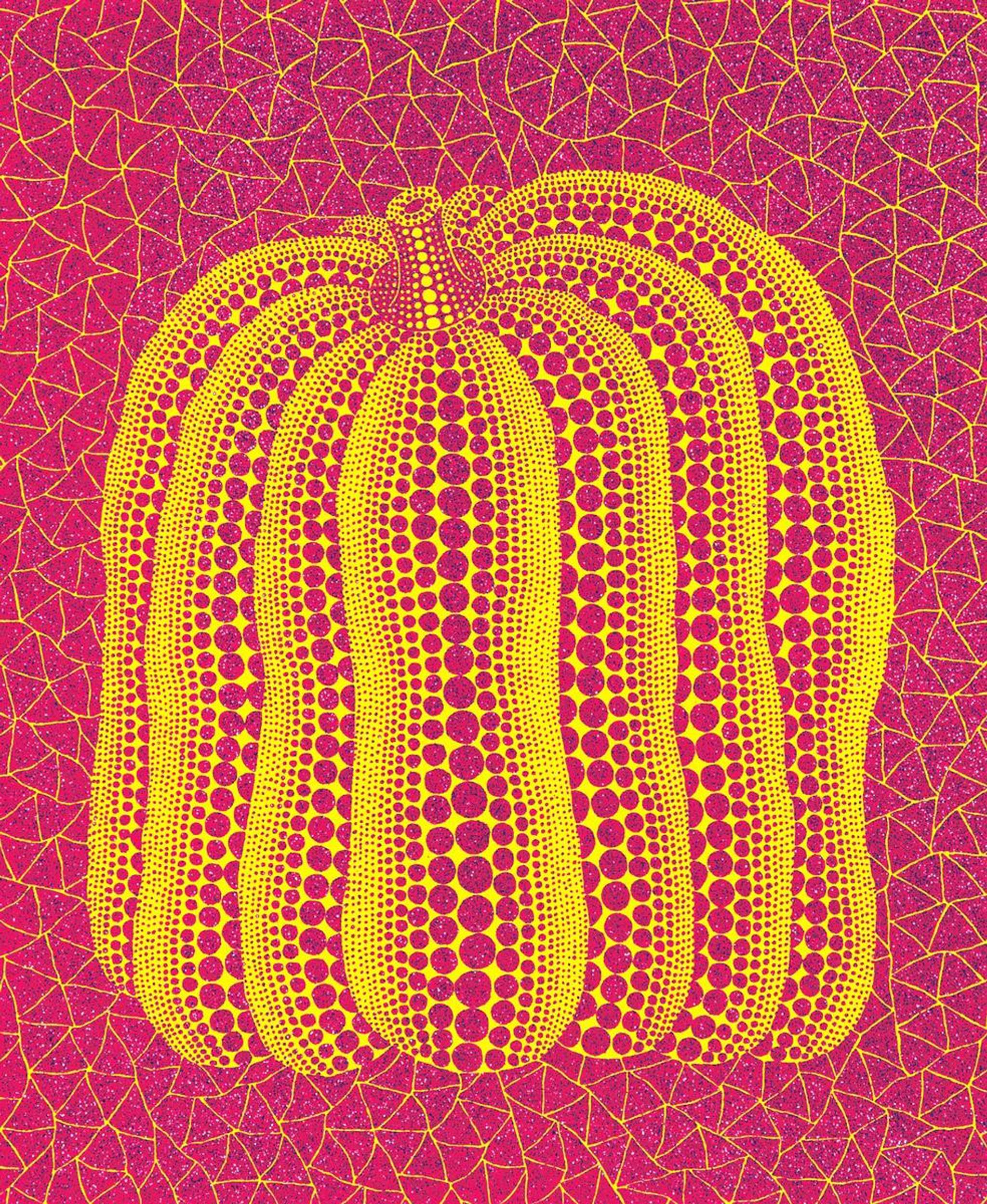
Ses motifs les plus emblématiques feront probablement l'objet d'une attention immédiate. Les citrouilles, les réseaux, les fleurs et les pièces liées à ses réflexions sur l'infini offrent aux acquéreurs des points de repère clairs au sein de son corpus. Les estampes rares ainsi que les suites complètes pourraient également tirer parti d'une réévaluation de l'offre par les collectionneurs, maintenant que sa production de son vivant est close.
Il convient toutefois de ne pas présumer d'une plus-value posthume automatique. Le marché de Kusama était déjà parfaitement lisible, commercialement mature et soutenu par un volume important d'œuvres. Contrairement à un artiste méconnu dont la cote et la réputation ne se cristallisent qu'après sa disparition, Kusama a abordé cette période forte d'une reconnaissance institutionnelle étendue, d'une représentation internationale par de grandes galeries et d'un marché secondaire profondément ancré.
Son décès pourrait intensifier la demande, mais il risque également de mettre en lumière des disparités qui étaient moins perceptibles lors de la phase de croissance globale du marché. Les œuvres fortes et en bon état de conservation devraient demeurer les plus résilientes. Les éditions plus courantes pourraient en revanche se heurter à une résistance des prix si les consignations posthumes augmentent plus rapidement que le bassin d'acquéreurs.
Le rôle futur du studio, des musées et de la fondation Kusama sera également déterminant. Les collectionneurs suivront avec attention la manière dont ses œuvres seront cataloguées, exposées et contextualisées, bien qu'il soit prématuré de déduire la stratégie à long terme de ces institutions des premières annonces suivant son décès.
Quel avenir pour le marché des œuvres de Kusama ?
Les ventes aux enchères de l'automne 2026 offriront une première indication de la manière dont les acheteurs et les vendeurs réagissent, mais elles doivent être considérées comme un test préliminaire plutôt que comme un verdict définitif.
Les points de comparaison les plus utiles seront les reventes des mêmes éditions. Des résultats supérieurs aux estimations signifieront peu de chose si ces dernières étaient prudentes ou si l'œuvre avait atteint un prix plus élevé par le passé. Le taux de lots vendus, l'intensité des enchères et le volume d'œuvres comparables proposées fourniront une mesure plus précise d'un éventuel renforcement réel de la demande.
La base de collectionneurs géographiquement diversifiée de Kusama pourrait aider son marché à absorber l'offre supplémentaire plus efficacement que ne le ferait un artiste dépendant d'un seul centre de vente aux enchères. Cela demeure l'une des forces principales de son marché. Cela signifie également que le portrait posthume devra être reconstitué à partir des ventes de Tokyo, Hong Kong, Séoul, Londres, New York et des ventes régionales, plutôt qu'à travers une unique semaine de ventes prestigieuses.
Kusama était déjà une puissance du marché avant son décès. La suite ne sera pas déterminée par la seule attention médiatique, mais par la capacité des collectionneurs à continuer de distinguer ses œuvres les plus marquantes du volume considérable d'estampes reprenant ses motifs les plus familiers.
Le test posthume ne consiste donc pas à savoir si une estampe de Kusama établira un record, mais si son marché mondial pourra conserver sa profondeur tout en absorbant l'attention – et potentiellement l'offre – qui en découle.