
On the consumption side, the picture is bleak. Bain & Company's 24th annual study with Altagamma puts the 2025 personal luxury goods market at €358 billion – broadly flat after a 2% contraction in 2024, the first decline since the Great Recession excluding the pandemic year. The global luxury consumer base has shrunk from around 400 million in 2022 to roughly 330 million in 2025 – a loss of 70 million buyers in three years – driven in part by aggressive pricing: in Europe, average prices for personal luxury goods have risen 52% since 2019, according to HSBC.
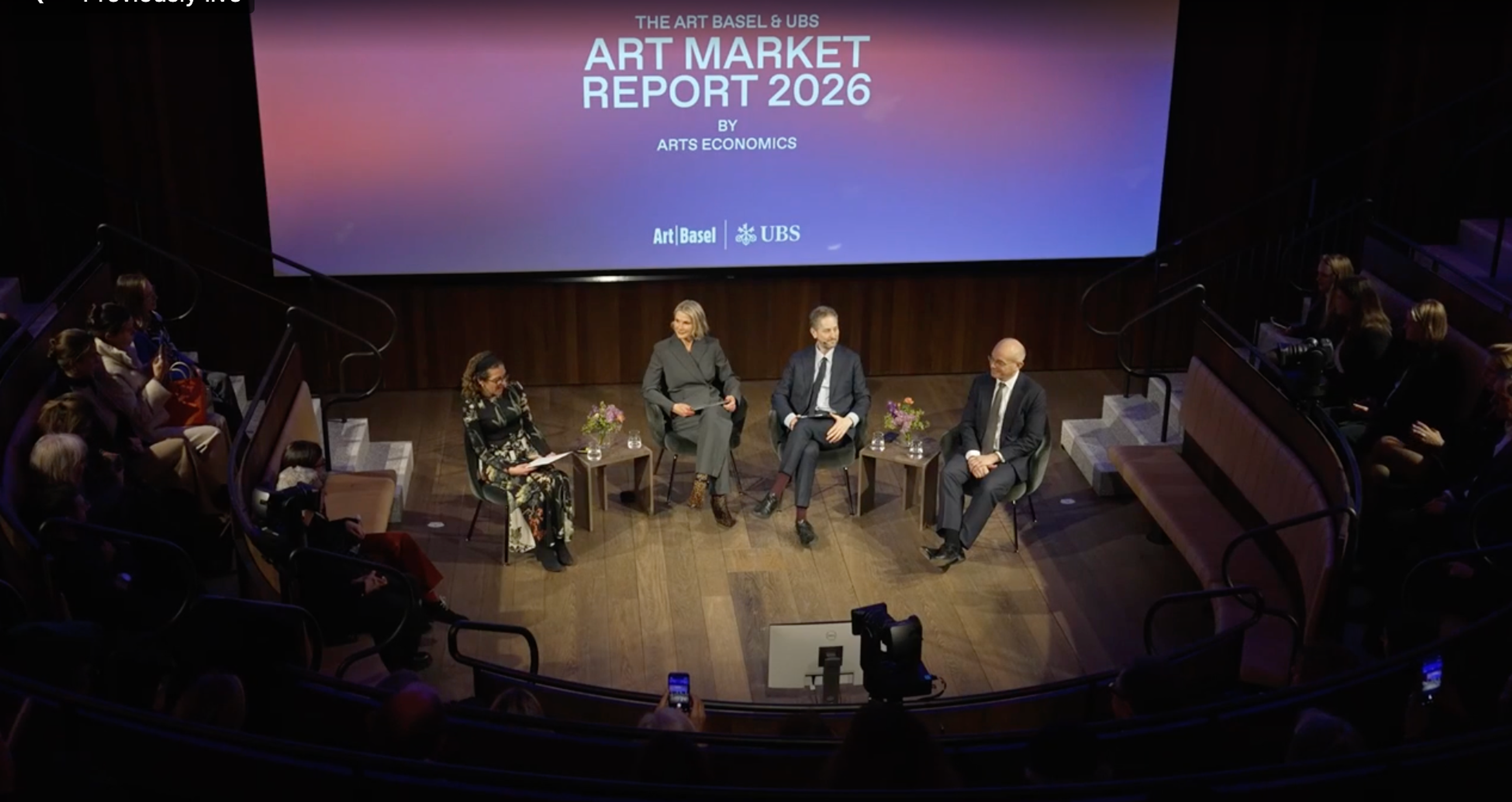
But while the market for luxury goods contracts, luxury collectibles and art are heading in the opposite direction. The Art Basel and UBS Global Art Market Report recorded global art sales rising 4% to US$59.6 billion in 2025, with US auction sales up 23% year on year – the first annual growth since 2022. And across the wider collectibles market, Knight Frank's Luxury Investment Index (KFLII) – which tracks what the firm calls “investments of passion,” from watches, wine and classic cars to diamonds, art and, now, prints – stabilised after two years of sustained losses, closing 2025 down just 0.4%.
Within that landscape, prints and editions have crossed a threshold – and the characteristics that got them there are exactly what the wider luxury market is now rewarding.
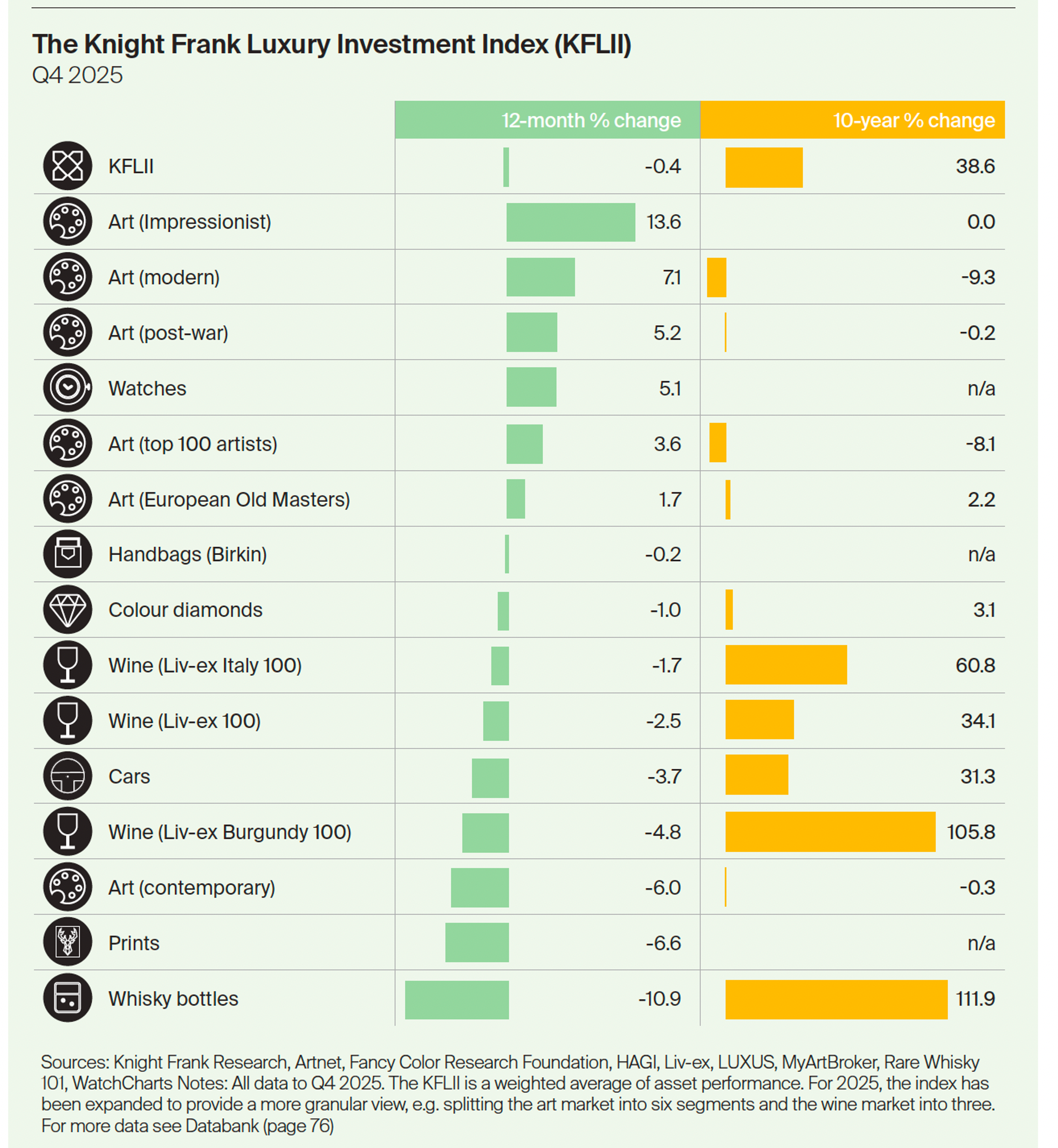
KFLII 2025: Divergence Across Luxury Collectibles
The KFLII's near-flat result masks significant divergence – and a clear pattern. Impressionist art surged 13.6%, but not on broad-based optimism: the gains were concentrated in extraordinary consignments, led by the US$236.4 million Klimt from the Lauder Collection. Watches climbed 5.1%, selectively, in the models with the deepest cultural resonance and tightest supply. Contemporary art dropped 6.0% for a fourth consecutive year. Across every category, buyers are rewarding rarity, provenance and relative value over momentum.
MyArtBroker's MAB100's -6.6% needs context. The index tracks directional price movement across the blue chip print market, and between 2020 and 2022 it experienced significant growth. It has been normalising from that peak since, and even after three consecutive years of correction remains 40% above its 2020 baseline. This is a market settling after a boom, not a market in distress.
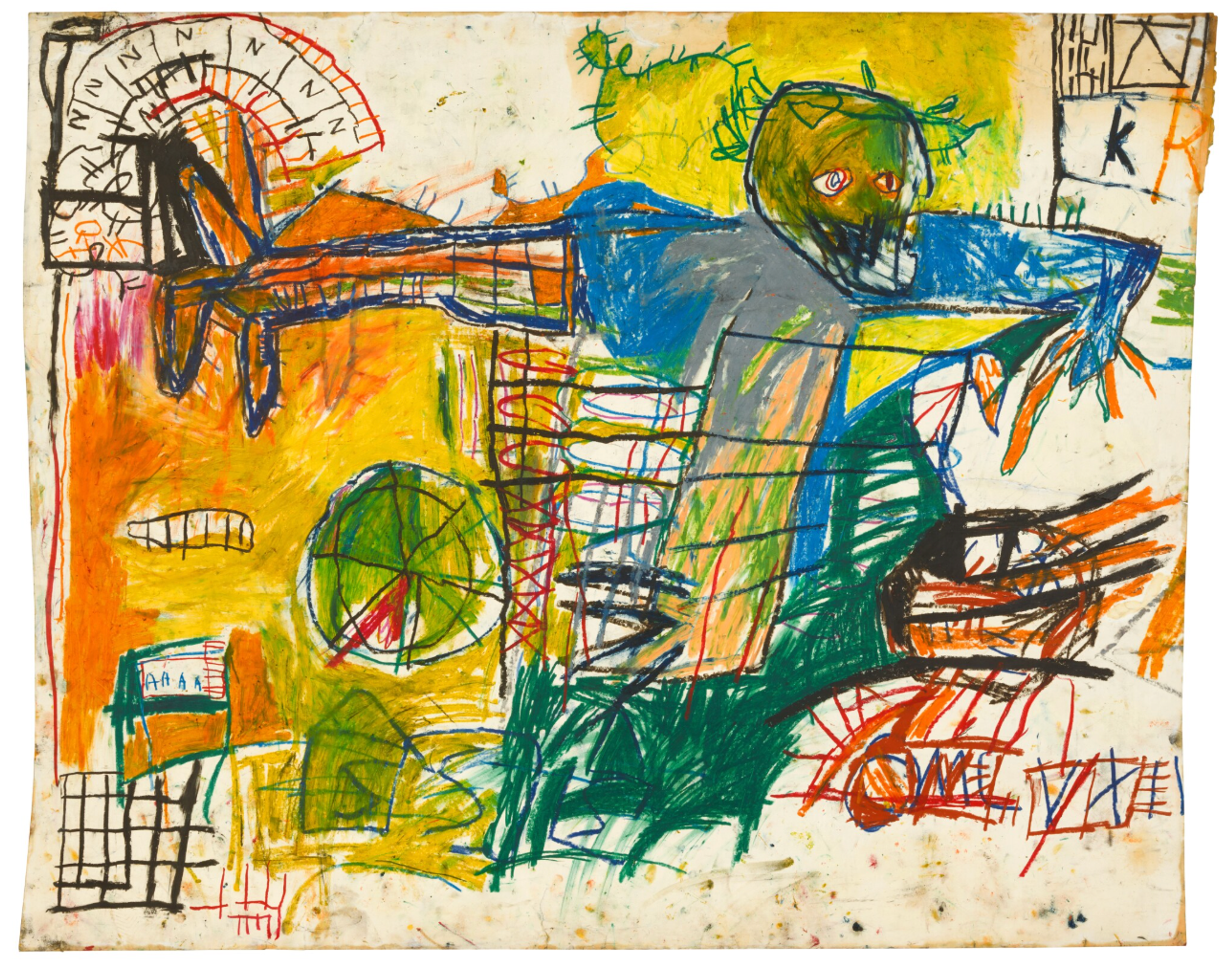
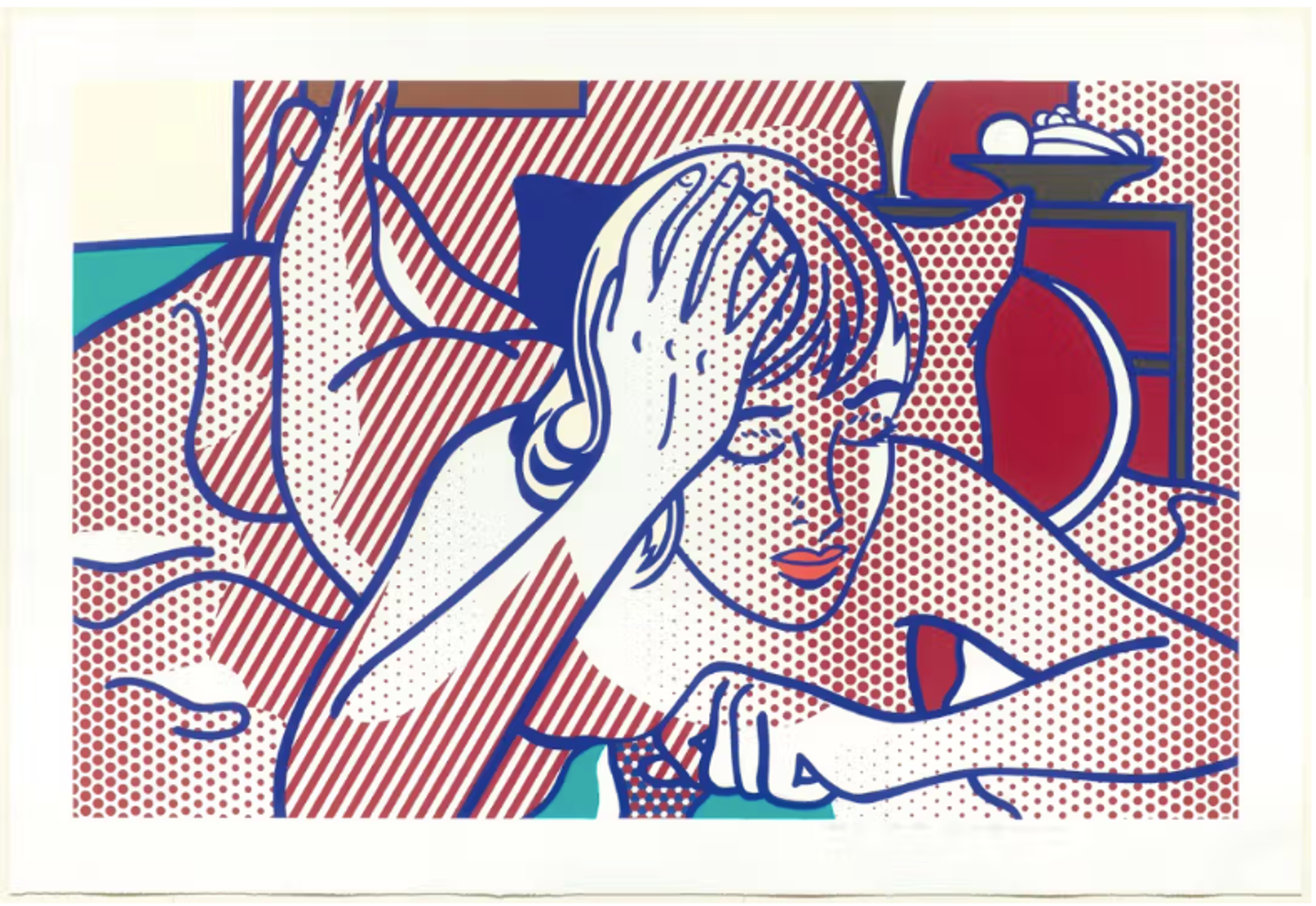
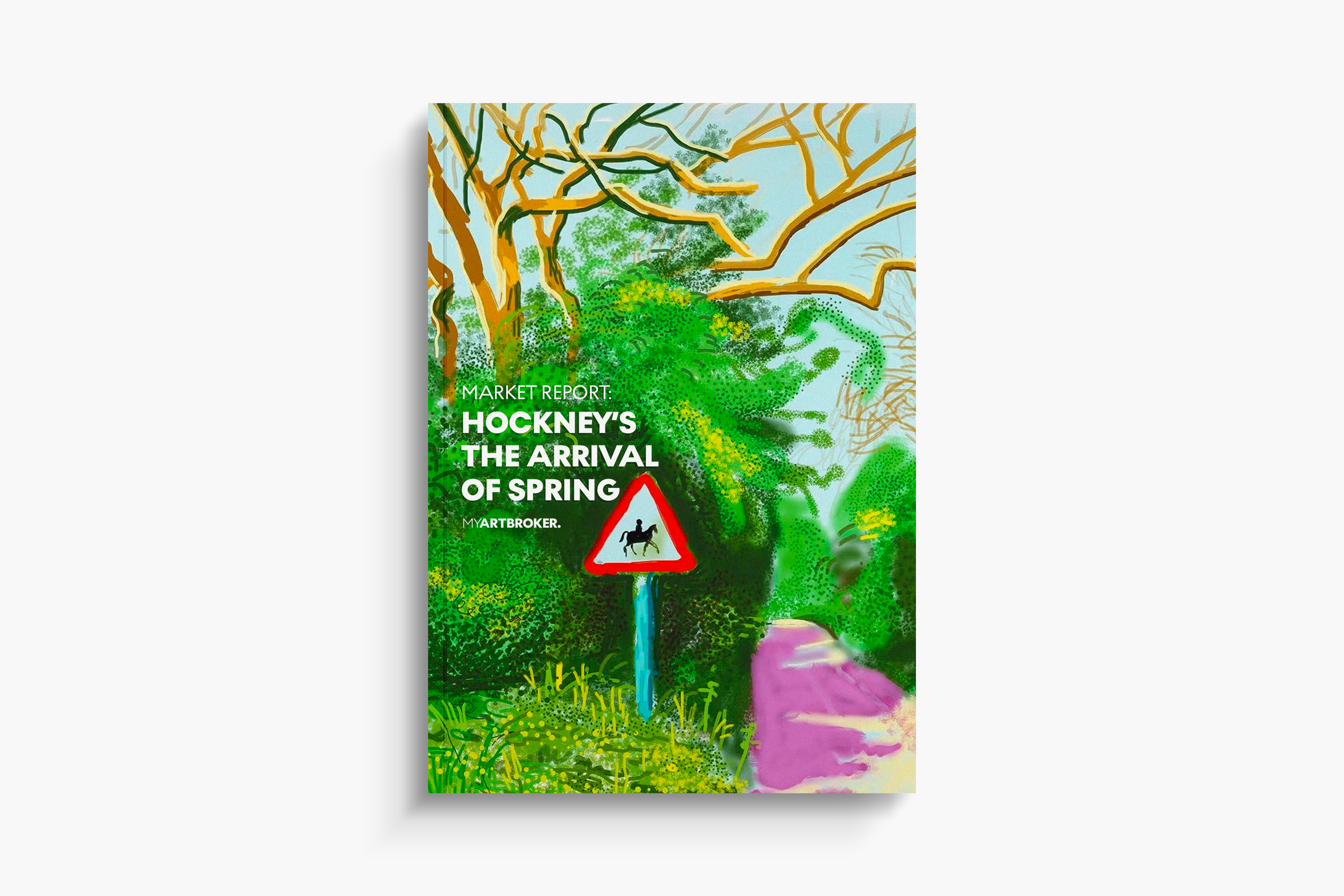
And the sales data tells a complementary story. The major blue chip print artists – Warhol, Haring, Basquiat and Banksy – all saw overall growth in sales value in 2025, reflecting sustained demand and liquidity across the market's most actively traded names. Hockney and Lichtenstein saw particularly strong growth. When Sotheby's opened its October evening sale with 17 works from Hockney's Arrival of Spring series, every lot sold, totalling US$8.3 million and resetting benchmarks. A second release in March 2026 cleared US$4.7 million, 136% above the low estimate. And when Sotheby's anchored its May day sale with Lichtenstein editions from the Roy and Dorothy collection, bidding was more intense than for many of the seven-figure paintings in the evening session.
The energy in the room was not in the trophy lots. It was in the editions.
Prints and editions in the Knight Frank Luxury Investment Index
There is a reason for that. Across the luxury collectibles landscape, attention is shifting from the traditional top-tier product toward alternatives with genuine substance. US tariffs have halved American purchase value in fine wine, yet Tuscan wines are outperforming Burgundy and Champagne in the Knight Frank index because they deliver comparable quality at a fraction of the price. Pre-owned Birkin bags are outselling pristine examples because collectors want the object, not the box it came in. Lab-grown supply has repriced the colourless diamond market, but fancy colour stones – genuinely rare, impossible to replicate – hold firm. In classic cars, poster supercars such as the BMW E30 M3 and Lamborghini Countach are leading the recovery on limited supply and cultural resonance. Tariffs and macroeconomic pressures explain part of this, but not all of it – there is a broader shift in collector behaviour, a renewed appetite for different mediums, different products, different entry points. Prints and editions are part of that shift. Return to Sotheby's positioning of Hockney Arrival Of Spring editions as a dedicated sale and opening session of the October London sales – that was not a curatorial afterthought. It was a strategic bet on where collector attention is heading.
Knight Frank's inclusion of prints in the KFLII – tracked alongside watches, wine, diamonds, classic cars and fine art – formalises what the market has been signalling for some time. The report names them among the “next wave of luxury collectibles.”
Luxury Collectibles Outlook 2026: What Holds Value
The luxury market is repricing around a single question: what holds value, and why? Seventy million consumers have walked away from luxury goods that no longer justify their price. On the collectibles side, the assets gaining ground share common characteristics: transparent pricing, finite supply and deep secondary markets. Knight Frank's decision to track prints alongside watches, wine and diamonds reflects a market that has been building this depth for years. The 2026 Wealth Report is not conferring status on prints – it is catching up with where collectors already are.
Myportfolio
Lire toutes nos histoires et articles est gratuit, vous devez juste vous inscrire.
Devenir membre est toujours gratuit et vous donne accès à des données et articles illimités, nous devons juste vérifier votre compte.
- Suivez les ésultats de vente de votre collection auprès de plus de 400 maisons de vente.
- Demandez des estimations gratuites à notre équipe spécialisée.
- Parcourez toutes les données, histoires et articles de façon illimitée.

Jess Bromovsky
Senior Director

Louisa Earl
Sales Director

Jasper Tordoff
Specialist

Joey Syer
Co-Founder & Specialist