
Demand Is Becoming More Concentrated
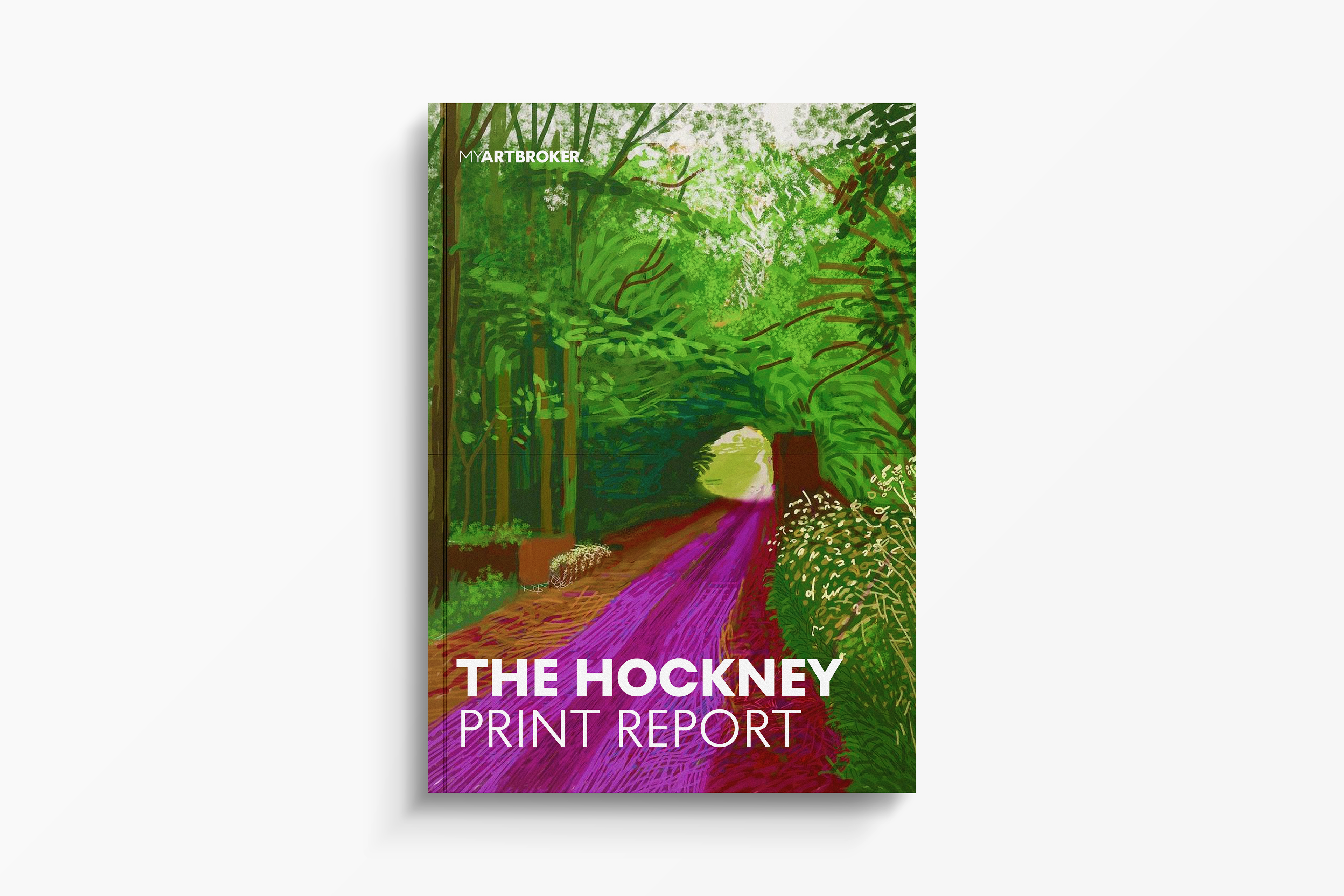
Hockney remains the dominant force in the British contemporary print market. By H1 2026, his editions had already generated more than £9.5 million at public auction, while the average hammer price had climbed to approximately £85,000 - more than double the average recorded across 2025. More than 30 works had already achieved six-figure hammer prices, underlining the depth of demand for his strongest editions.
The figures, however, tell a broader story than rising prices alone. Demand continues to concentrate around Hockney’s best-known bodies of work, particularly the Swimming Pools and Arrival of Spring series. While Arrival of Spring prints have appeared with relative frequency, values have continued to strengthen, suggesting collectors remain willing to compete for the artist’s defining editions despite increased availability. At the same time, outstanding Swimming Pool prints remain tightly held, with comparatively few examples returning to the market.
That concentration raises an interesting question for the second half of 2026. As flagship works become increasingly difficult – or expensive – to acquire, collectors may begin looking more closely at other significant areas of Hockney’s printmaking, including the Weather Series, Moving Focus, and Yosemite Suite. Whether that shift happens immediately or over a longer period, Hockney’s market still offers considerable depth beyond the works that currently dominate the headlines.
Scarcity Is Creating A Premium Tier Beyond Signed And Unsigned Prints
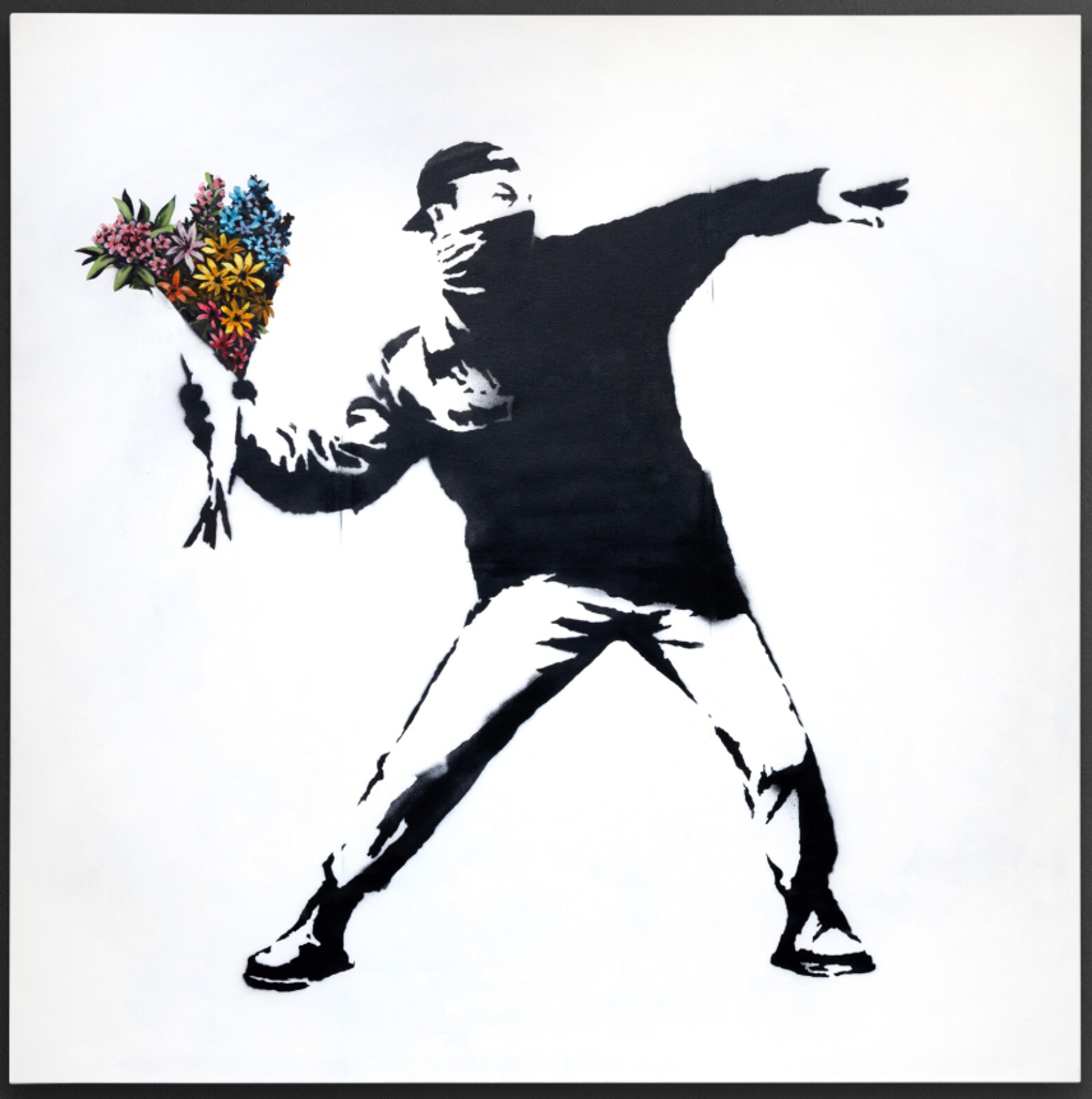
Banksy’s market has been defined by scarcity in the first half of 2026. Rather than broad-based price growth, the year’s strongest results have come from exceptionally rare works appearing at auction for the first time. These sales are a reminder of just how broad Banksy’s editions market is. More than two decades after many of these prints were published, previously unseen artist’s proofs and rare variants are still emerging from private collections, with each appearance offering collectors a fresh opportunity to establish market value.
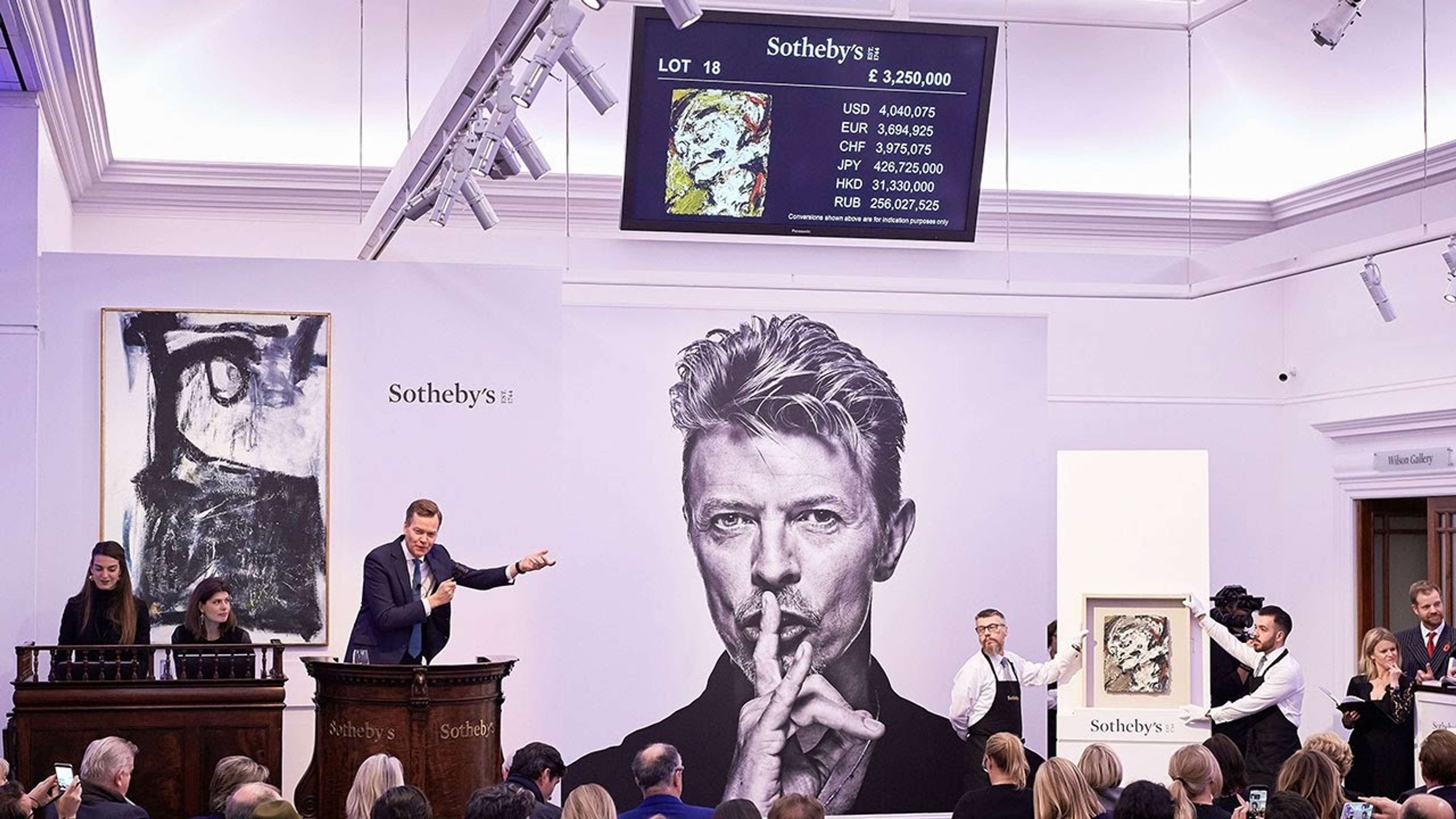
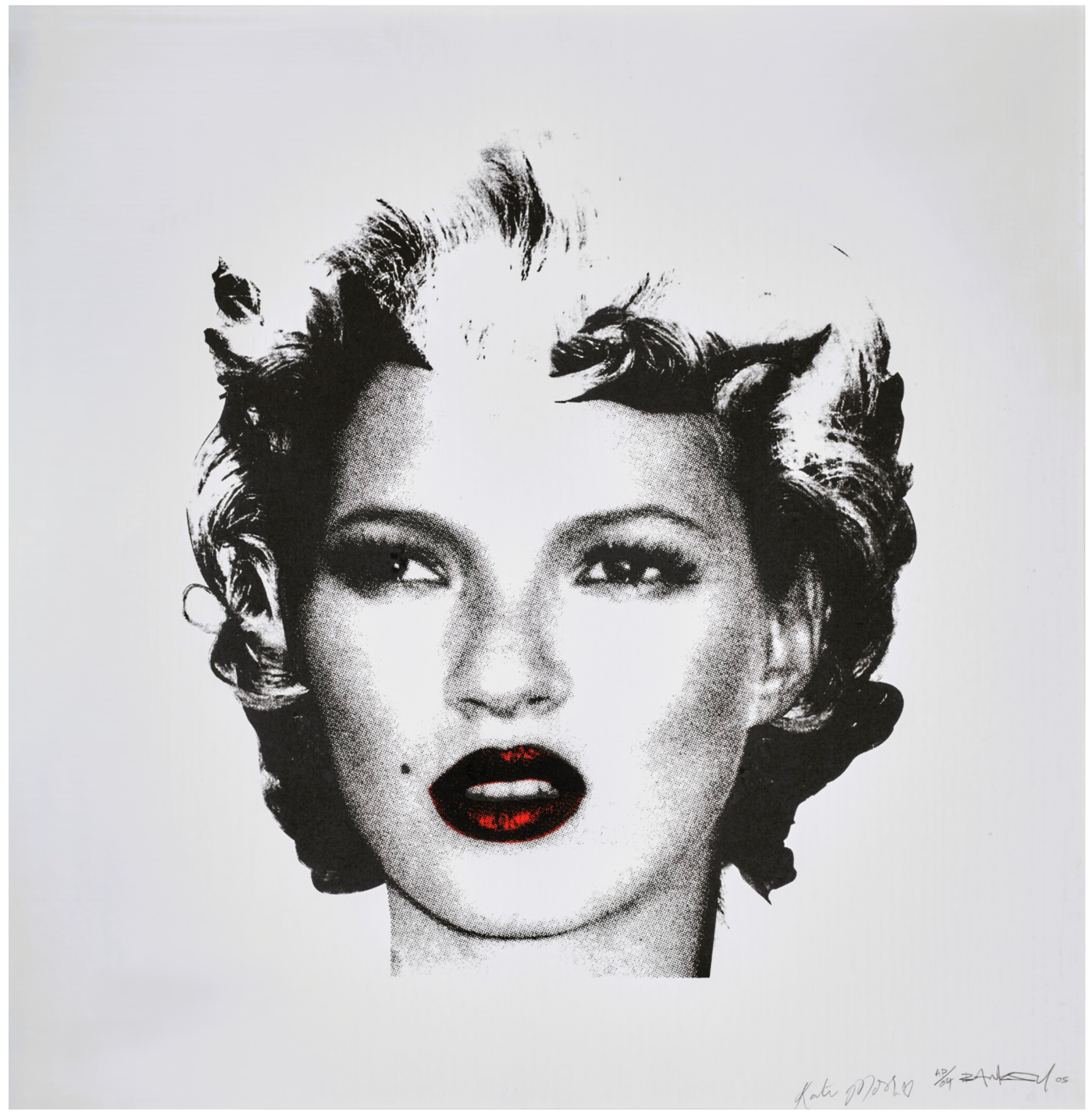
Sotheby’s offered the dual-signed Kate Moss artist’s proof at auction for the first time, where it achieved £179,200 with fees. Earlier in the month, Phillips sold a never-before-seen artist’s proof of Gangsta Rat (Dark Grey) for £116,100 with fees. Both results illustrate the level of competition that exceptional rarity continues to generate whenever these works surface.
At the same time, Banksy’s best-known signed editions have continued to demonstrate remarkable consistency. Signed impressions of Girl With Balloon again achieved hammer prices above £100,000 during the first half of 2026, reinforcing its position as one of the artist’s most stable and strongest blue chip prints.
Taken together, these results suggest Banksy’s print market is no longer defined solely by the distinction between signed and unsigned editions. As previously unseen artist’s proofs and rare variants continue to emerge, they are establishing a premium tier of works with their own pricing dynamics. For collectors, understanding where an edition sits within that hierarchy is becoming an increasingly important part of assessing value.
Long-Term Confidence Still Rewards Established Markets
Not every successful market has been defined by headline prices. Bridget Riley and Damien Hirst demonstrate that sustained collector confidence remains one of the strongest indicators of market health.
Riley’s print market has continued to perform with remarkable consistency. The average hammer price increased from approximately £7,900 in 2025 to more than £9,200 in the first half of 2026, while top auction results remained broadly in line with recent years. Rather than relying on record prices, her market continues to be supported by collectors drawn to her significance within post-war abstraction and Op Art. That institutional confidence has produced one of the most stable markets in British printmaking.
Hirst’s market has shown a different form of selectivity. Tetrahydrocannabinol established a new auction record of more than £90,000 with fees in January, showing that demand remains concentrated around his most recognised series such as Spots and The Virtues. Although Hirst continues to produce new editions and bodies of work, collector demand has remained firmly anchored to his earliest and most recognisable themes. In that sense, his market continues to look backwards rather than forwards, rewarding the works that built his reputation rather than those that have expanded it.
Where Collector Demand Could Move Next In H2 2026
The first half of 2026 has reinforced that Britain’s strongest print markets continue to reward different types of collector behaviour. As the market moves into the second half of the year, collectors should be asking different questions. Rather than simply identifying the strongest artist’s market, the more valuable exercise is understanding why certain works continue to outperform. Is demand concentrating around a defining series? Is rarity creating a premium? Or is sustained collector confidence continuing to underpin value?
Those answers are likely to shape the next opportunities. The strongest markets have already established themselves; the advantage increasingly lies in recognising where demand is deepening within them, and which bodies of work have yet to receive the same level of collector attention.