
Douze mois plus tard, l’accent mis par le marché sur la visibilité, la validation sociale et l’expérience s’est cristallisé en un réel changement de comportement. La génération Z a influencé la formation de la demande, non pas par impulsion, mais par une évaluation opportune : une confiance accrue envers les indicateurs visuels et sociaux, une recherche plus approfondie et une préférence pour des formats compréhensibles – et validables – avant tout engagement. Parallèlement, le besoin d’expansion mondiale, longtemps débattu, est passé du stade de concept à celui d’exécution. Le Moyen-Orient ne représente plus une opportunité future ; il constitue désormais une priorité stratégique, les acteurs majeurs y consacrant des infrastructures et des capitaux conséquents.
À quoi ressemble la confiance sur le marché de l'art en 2026
Pourtant, l'humeur en ce mois de janvier semble différente.
J'ai été sincèrement satisfait de la manière dont le marché a su maintenir sa cohésion en 2025. Non pas qu'il ait connu un rebond spectaculaire – je ne le crois pas – mais parce qu'il a prouvé sa capacité à fonctionner sous pression. Dans un contexte marqué par l'incertitude géopolitique, la fatigue liée à l'inflation et l'évolution des comportements des collectionneurs, le marché s'est adapté. La question, en 2026, n'est plus de savoir si le marché de l'art peut se redresser, mais à quoi ressemble la confiance lorsque l'incertitude est devenue structurelle plutôt que temporaire.
Une année de biennales révèle les zones de tension préexistantes
2026 est une année de biennale majeure, articulée autour de la Biennale de Venise mais renforcée par un calendrier élargi d’expositions institutionnelles d’envergure. Les années de biennale ont tendance à concentrer l’attention, l’intérêt des institutions et les débats culturels sur un cycle plus restreint. En 2026, cependant, cette pression est déjà palpable.
Aux États-Unis en particulier, les débats culturels entourant les musées, l’identité et l’autorité artistique se sont durcis. Les institutions sont de plus en plus prises en étau entre les attentes du public, les pressions politiques et des visions divergentes en matière d’accès, de représentation et de légitimité. Il ne s’agit plus d’une tension latente, mais d’une condition opérationnelle.
Ce qui complique davantage la situation, c’est le rééquilibrage géographique du marché. Alors que les capitaux et l’attention institutionnelle se tournent vers le Moyen-Orient — une région aux contraintes bien documentées en matière d’expression, notamment concernant les droits LGBTQ+ —, la question n’est plus de savoir si le débat culturel va s’intensifier, mais comment différents systèmes l’absorberont. Paradoxalement, malgré ses limites, la région du Golfe offre sans doute un niveau de stabilité structurelle et financière que l’écosystème artistique américain ne peut, à l’heure actuelle, revendiquer.
Les biennales comme tests de résistance, non comme catalyseurs
Dans ce contexte, les biennales ne sont pas à l’origine des tensions culturelles ; elles les exposent. Comme l’a soutenu Ben Luke de The Art Newspaper, la peinture contemporaine souffre moins d’hostilité que de confort — un climat de « tout est permis » où le médium n’est plus contraint de se justifier. Historiquement, certaines des peintures les plus rigoureuses sont apparues lorsque les artistes se sentaient assiégés, lorsque le doute et la résistance aiguisaient leurs idées plutôt que de les lisser.
En théorie, les biennales sont les espaces institutionnels conçus pour générer cette pression. Mais dans un climat où le débat culturel s’est durci, la pression ne se traduit pas toujours par une confrontation productive. Elle peut, au contraire, encourager la prudence, l’autocensure et le consensus. Si l’on prend du recul et que l’on applique l’argument de Luke au-delà de la peinture, les années de biennale fonctionnent moins comme des moteurs de disruption artistique que comme des tests de résistance, révélant quelles pratiques sont encore capables de supporter l’examen critique et lesquelles dépendent de — ou tirent profit de — l’affirmation institutionnelle pour survivre.
Les ventes aux enchères de janvier signalent un regain de vigueur pour l'art américain
Dans ce contexte culturel tendu, les premières données de vente offrent un signal clair, bien que contenu. Les enchères de janvier sont traditionnellement dominées par le design, les arts décoratifs et des catégories spécialisées. Cette année, les œuvres américaines se sont distinguées, portées principalement par plusieurs collections privées. Tous les chiffres suivants reflètent le prix marteau.
La vente « The William L. Koch Collection » chez Christie’s, ancrée dans l'histoire, l'identité et les récits de la conquête de l'Ouest américains, a été la vente phare du mois, atteignant 56,2 millions de dollars, soit environ 30 % au-dessus de l'estimation basse. La vente de jour associée a rapporté 11,6 millions de dollars supplémentaires, dépassant les attentes de près de 50 %. Cette vigueur a trouvé un écho lors de la dispersion de « The Max N. Berry Collection » et de la vente « We the People: American Art at 250 », qui ont toutes deux surpassé les prévisions. Chez Sotheby’s, la vente « Art of the Americas » a suivi la même tendance, dépassant son estimation basse de plus de 30 %.
Dans l'ensemble, le mois de janvier a été indéniablement solide pour l'art américain. Ce qui rend ces résultats notables, c'est leur calendrier. À un moment où les États-Unis sont politiquement et culturellement divisés, les œuvres américaines attirent un regain d'attention et de capitaux.
Par ailleurs, cette vigueur ne semble pas être portée par des œuvres traitant directement des tensions contemporaines. Une grande partie du matériel ayant enregistré de bonnes performances se tourne vers le passé plutôt que vers l'introspection, privilégiant des récits nationaux familiers et rassurants. Pour l'heure, l'art américain témoigne moins d'une confiance totale du marché que d'un signal — un signal en tension avec le climat culturel ambiant, et qu'il conviendra de suivre au fil de l'année.
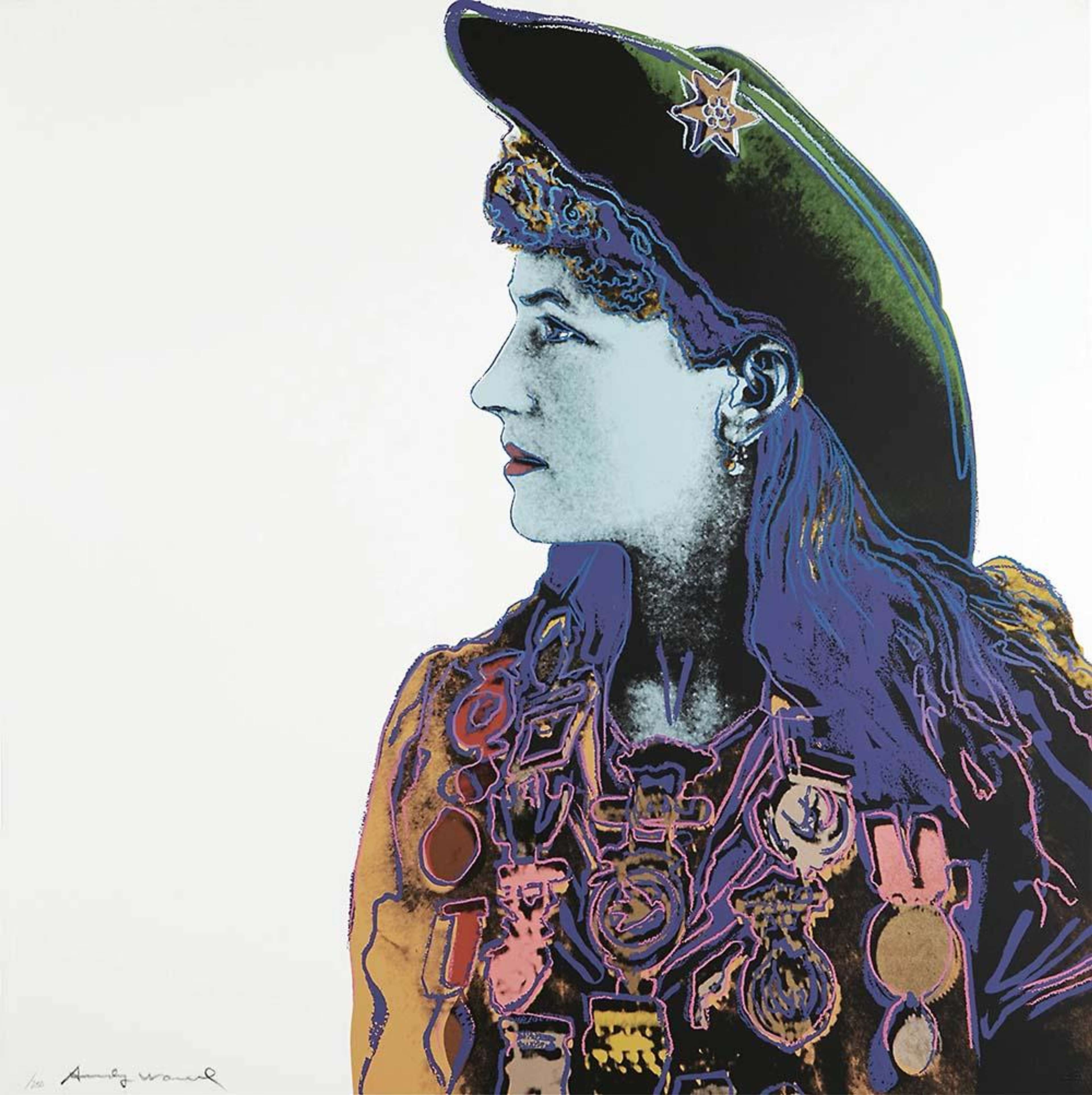
Cette confiance sélective est également perceptible sur le marché des estampes. La série « Cowboys and Indians » d'Andy Warhol a atteint en 2025 sa valeur moyenne la plus élevée jamais enregistrée, marquant la troisième année consécutive de croissance et affichant un score de confiance des collections de 55/60, ce qui la place dans la catégorie des performances exceptionnelles.
Ce que les données nous révèlent sur la structure du marché de l'art
Les résultats des ventes aux enchères du mois de janvier s'alignent étroitement sur les signaux envoyés par l'ensemble des données sectorielles.
Le dernier Global Art Market Outlook 2026 d'ArtTactic indique que les ventes aux enchères mondiales d'œuvres d'art ont progressé de 11 % sur un an, une croissance largement portée par les œuvres trophées et les collections privées. En d'autres termes, le segment haut de gamme a (enfin) joué son rôle. Les œuvres à forte conviction, présentées selon des formats maîtrisés, ont continué d'attirer capitaux et attention.
Toutefois, selon ce même rapport, cette reprise demeure inégale.
Sur le segment inférieur du marché, l'activité est restée stable, soutenue par des œuvres abordables et des points d'entrée tarifaires où les acquéreurs restent présents et la tolérance au risque plus limitée. Ce qui reste en suspens, c'est le marché intermédiaire : là où, actuellement, moins d'acheteurs sont prêts à consentir des efforts financiers, à monter en gamme ou à absorber l'incertitude. Tout ce que j'ai soutenu l'année dernière se concentrait sur ce point : la liquidité n'a pas disparu, elle est devenue plus sélective. Selon les rapports, les capitaux se sont orientés vers le bas, vers des segments abordables, et vers le haut, vers les œuvres trophées, tout en hésitant sur le marché intermédiaire.
Pourquoi le marché intermédiaire demeure le segment le plus sensible
C'est ici, toutefois, que les choses deviennent particulièrement intéressantes.
Le dernier cadre de référence Deloitte Art & Finance a identifié le marché intermédiaire comme le segment doté du plus fort potentiel de croissance à long terme : suffisamment vaste pour être mis à l'échelle, assez large pour permettre la diversification et suffisamment accessible pour intégrer de nouveaux participants à l'écosystème. Il s'agit pourtant également de la partie du marché la plus sensible aux évolutions (positives) en matière de confiance, de transparence et de clarté des prix.
Pourquoi le marché de l'estampe à la fois complique et clarifie la situation
Les estampes se situent en grande partie dans cette tranche intermédiaire, et pourtant elles constituent l'un des rares segments à afficher une croissance mesurable. À la fin du troisième trimestre 2025, ArtTactic rapportait également que le marché des estampes et multiples avait progressé de 16 % sur un an, et cet élan continue de se manifester dans les résultats du début d'année 2026.
Comme je l'ai soutenu en 2025, cette croissance n'est portée ni par la spéculation, ni par un effet de mode. Elle est alimentée par la reproductibilité : des séries connues, des historiques de prix visibles et la capacité de comparer des œuvres comparables au fil du temps. En d'autres termes, le marché de l'estampe parvient à faire ce que le segment intermédiaire peine actuellement à accomplir : transformer l'intérêt en acquisition.
La vente Editions de janvier chez Phillips comme indicateur de confiance
La vente Editions de janvier chez Phillips à Londres en est une illustration claire. La vente a totalisé 2,28 millions de livres sterling (prix marteau), soit plus de 50 % au-dessus de l'estimation basse, avec plus de la moitié des lots adjugés au-dessus de leur estimation, et un résultat en hausse de 10 % par rapport à la vente équivalente de l'an dernier.
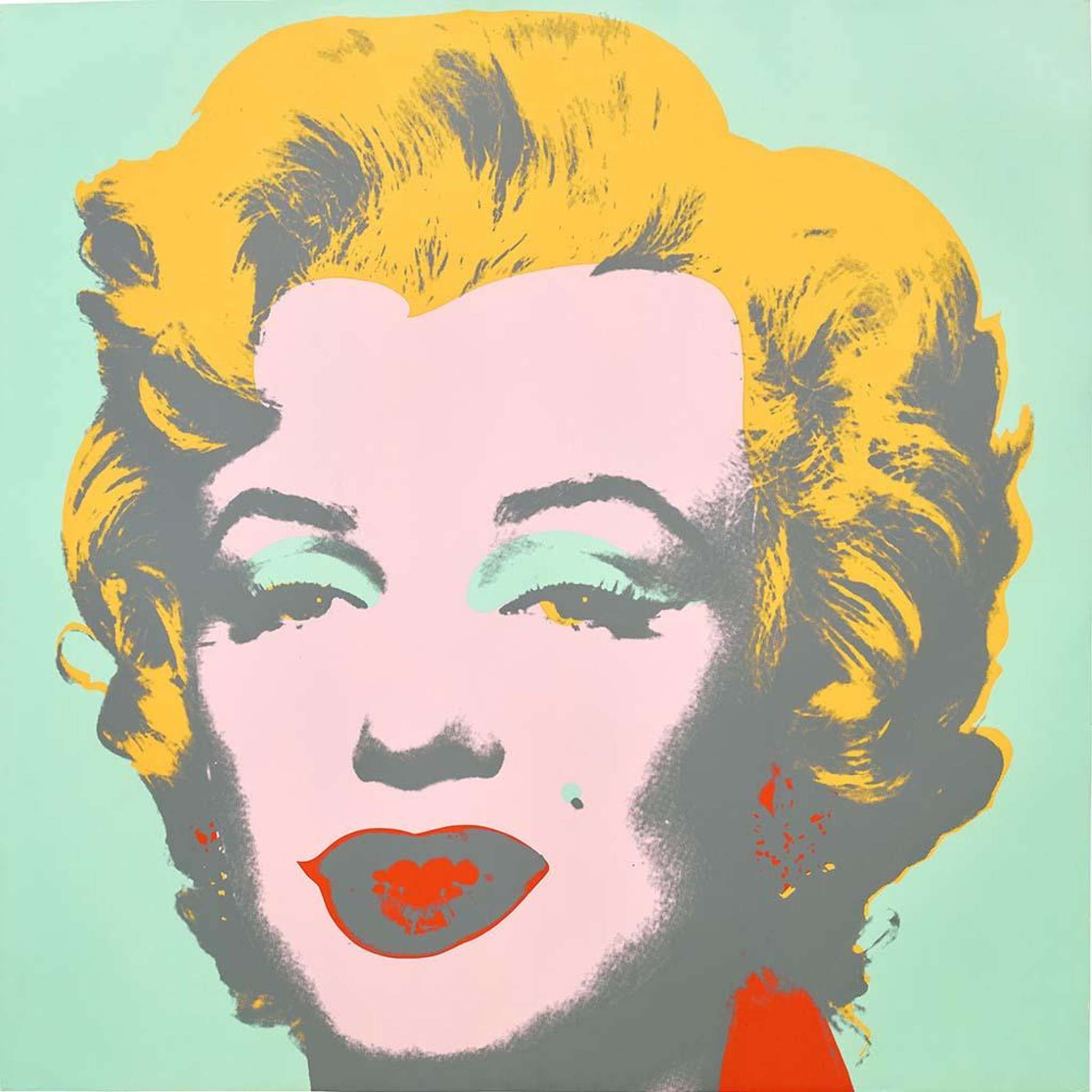
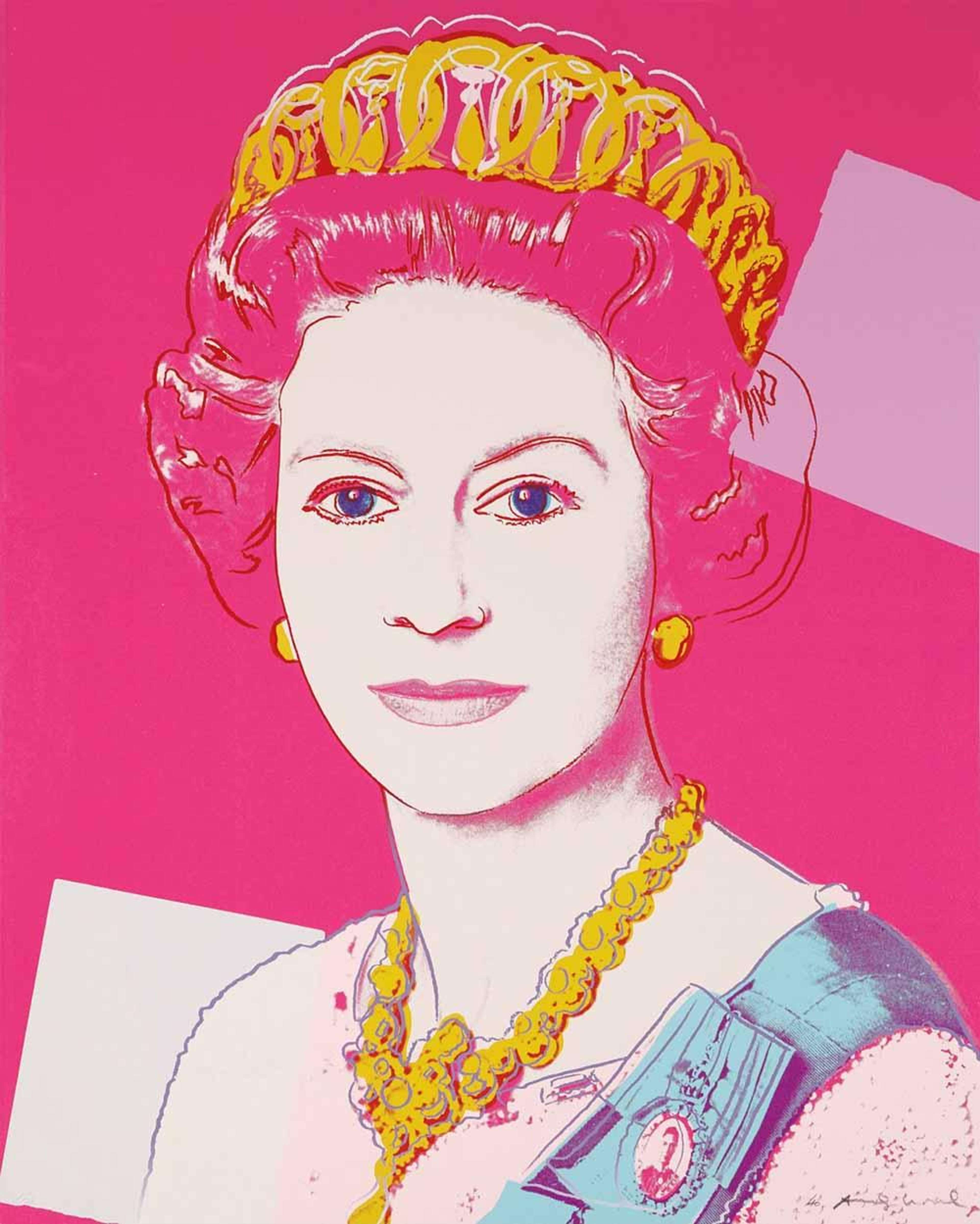
La pièce maîtresse fut « Queen Elizabeth II » d'Andy Warhol en rose vif, adjugée 180 000 livres sterling contre une estimation haute de 150 000 livres sterling. Après une période de ralentissement en volume et en valeur depuis le pic de 2022, cela marque la performance la plus solide pour le quatuor « Elizabeth » depuis 2024.
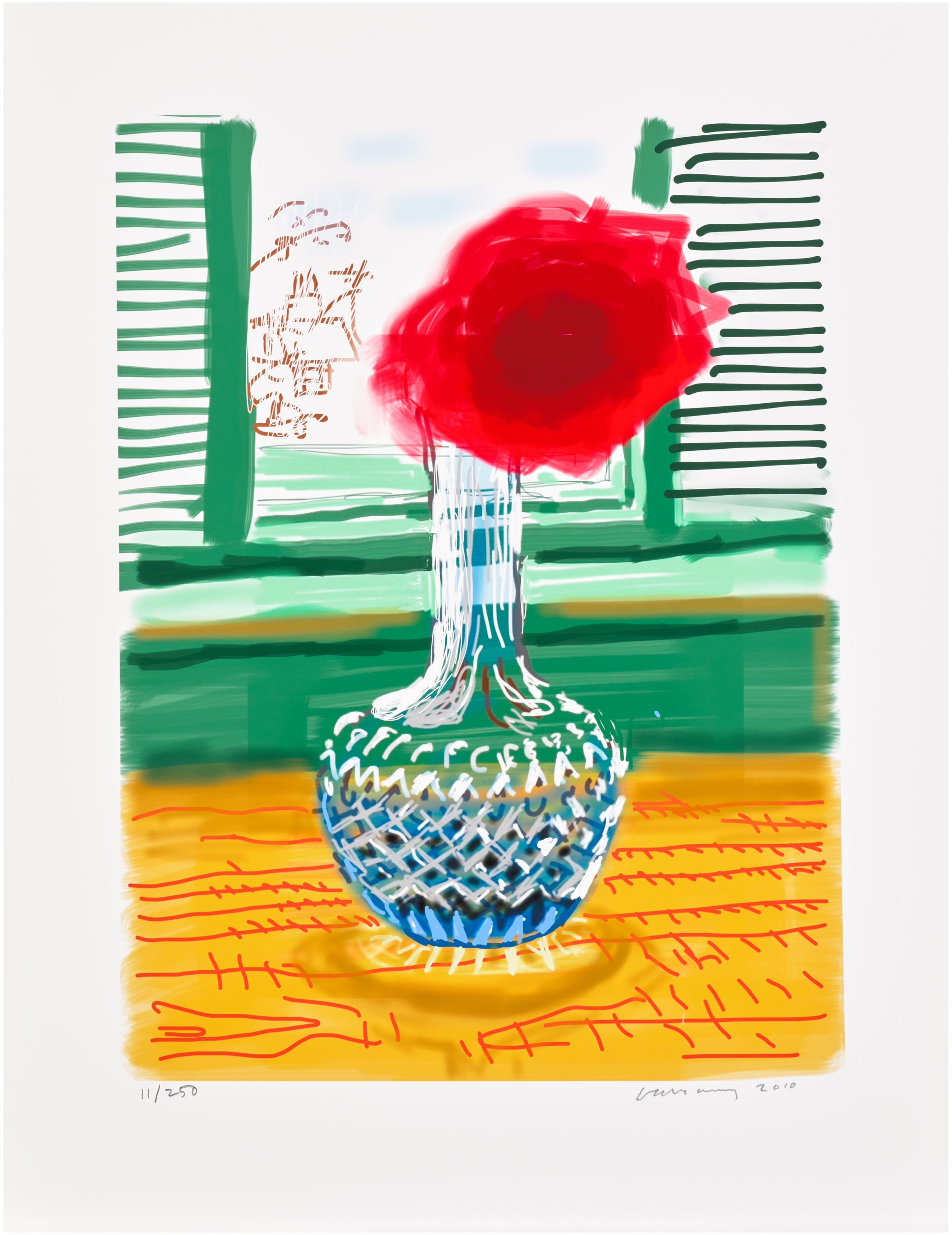
L'œuvre « Arrival of Spring, 26th April » de David Hockney mérite également l'attention. C'était la deuxième fois que cette édition précise apparaissait aux enchères, après une première vente en 2018 pour 32 000 livres sterling. En janvier, elle a atteint 160 000 livres sterling au marteau, se situant exactement dans la fourchette estimative et multipliant presque par cinq son prix d'achat initial. Intervenant si peu de temps après les résultats exceptionnels de Sotheby's à Londres en octobre, ce moment aurait pu être celui d'un refroidissement. Au lieu de cela, il a renforcé la résilience de la série.
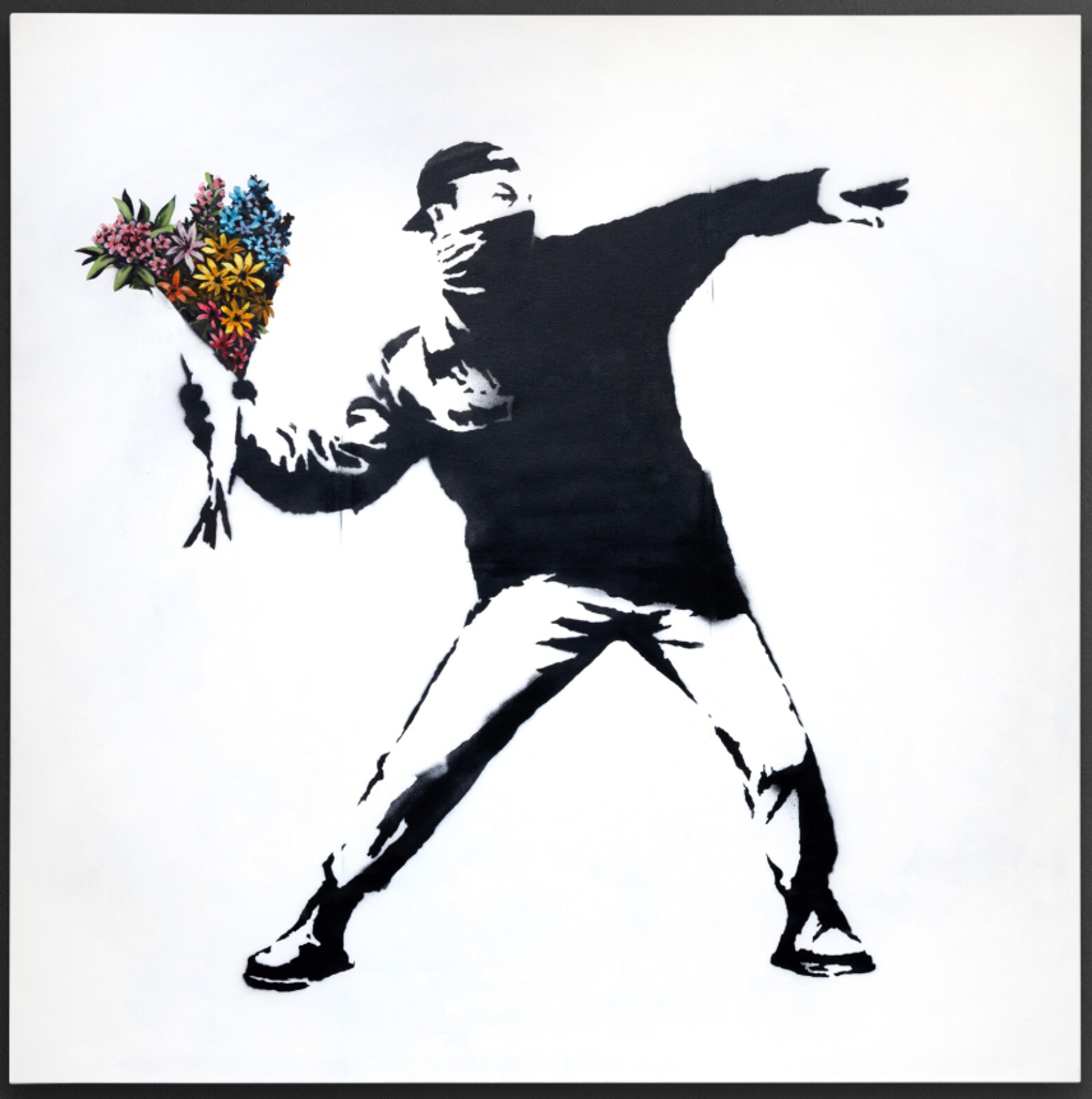
La vente de Phillips a également offert des performances crédibles pour les œuvres sur iPad de David Hockney, ainsi que pour Banksy, Julian Opie, Gerhard Richter, Takashi Murakami et Damien Hirst, dont les œuvres ont toutes dépassé leurs estimations, confirmant ainsi une dynamique positive dès le début de l'année.
Ce que les premières semaines de 2026 révèlent sur la confiance du marché de l'art
Pour le reste de l'année, j'observerai avec une attention particulière les segments du marché capables d'absorber les pressions. Les résultats les plus solides en ce début d'année se concentrent là où le risque peut être externalisé plutôt qu'internalisé. Sur le marché des estampes, cette logique est manifeste : la visibilité, les comparables et les ventes répétées continuent de mettre à l'épreuve et de renforcer la confiance.
La vigueur récente de l'art américain témoigne d'une dynamique différente. Plutôt que de confronter directement les tensions contemporaines, une grande partie des œuvres performantes puise dans la nostalgie et des récits nationaux familiers, offrant une stabilité en une période de frictions politiques et institutionnelles. Si l'on met ces éléments en parallèle avec l'argument de Luke sur la sécurité croissante de la peinture contemporaine, une question plus incisive se pose pour 2026 : où se situe le risque dans un marché qui valorise avant tout la réassurance ? En cette année de Biennale, la capacité des récits plus exigeants à susciter une confiance équivalente déterminera l'évolution de ce marché.