
Gerhard Richter is among the world’s most valuable living artists. His editions span early signed lithographs, photographs, colour charts, digital abstractions and monumental installations. Works that share an image or title can belong to entirely different editions, and command substantially different prices.
Richter’s editions market is exceptionally broad, with value shaped by medium, signature status, publisher, date, format and the precise identity of the work. It is also one of the most meticulously catalogued. Correctly identifying an edition is therefore crucial to establishing its position within the market. This is particularly important for works from the Cage, Strip and Kerze groups, where closely related editions can have very different specifications, auction histories and values.
The current market is selective. Major Richter editions can achieve six-figure prices, while more widely available works trade for several thousand pounds. A recognisable image or small edition may support demand, but neither guarantees a premium. Understanding where a work sits within Richter’s market today – and selecting the right timing, price and route to market – is central to achieving the best possible result.
How Much Is a Gerhard Richter Print Worth?
Gerhard Richter prints and editions currently range in value from the low thousands to more than £500,000. This breadth reflects the diversity of his editioned practice, with prices shaped by format, scarcity, image, condition and the depth of demand for the particular work.
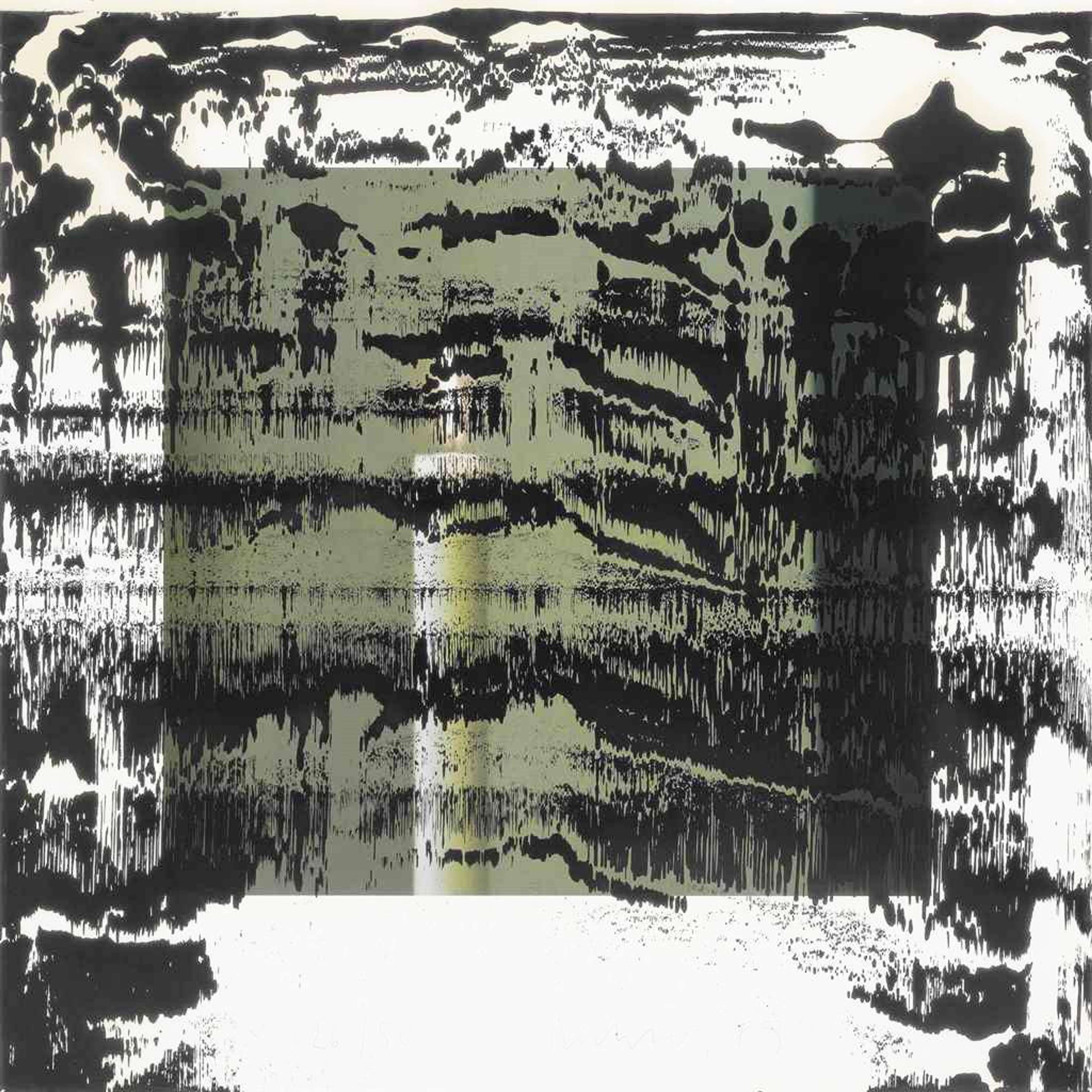
At the top of the current market is Cage Grid I, a complete installation of 16 panels. An example realised £512,000, including fees, at Sotheby’s London in March 2026. Its scale, scarcity and presence distinguish it from both the separately issued Cage Grid panels and Richter’s later HENI Cage editions, which belong to different markets and should not be used as direct comparables.
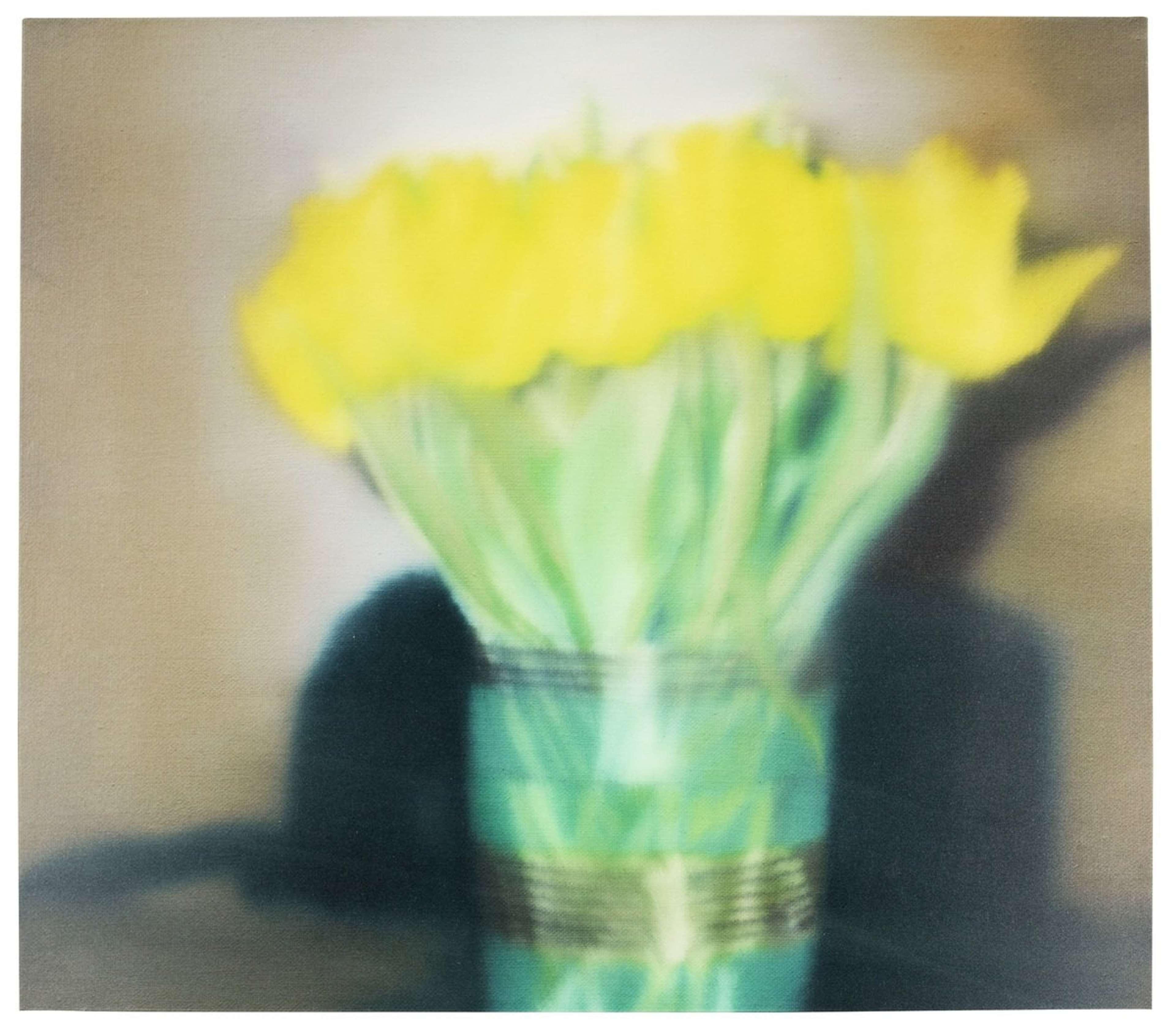
The six HENI P19 Cage works show how widely prices can vary even within a closely related series. In early 2026, individual examples achieved hammer prices ranging from £5,000 for P19-5 to £16,000 for P19-3, while P19-1 reached £7,500 and P19-4 made £6,500. The precise image therefore matters, even where the works share a publisher, format and edition size.
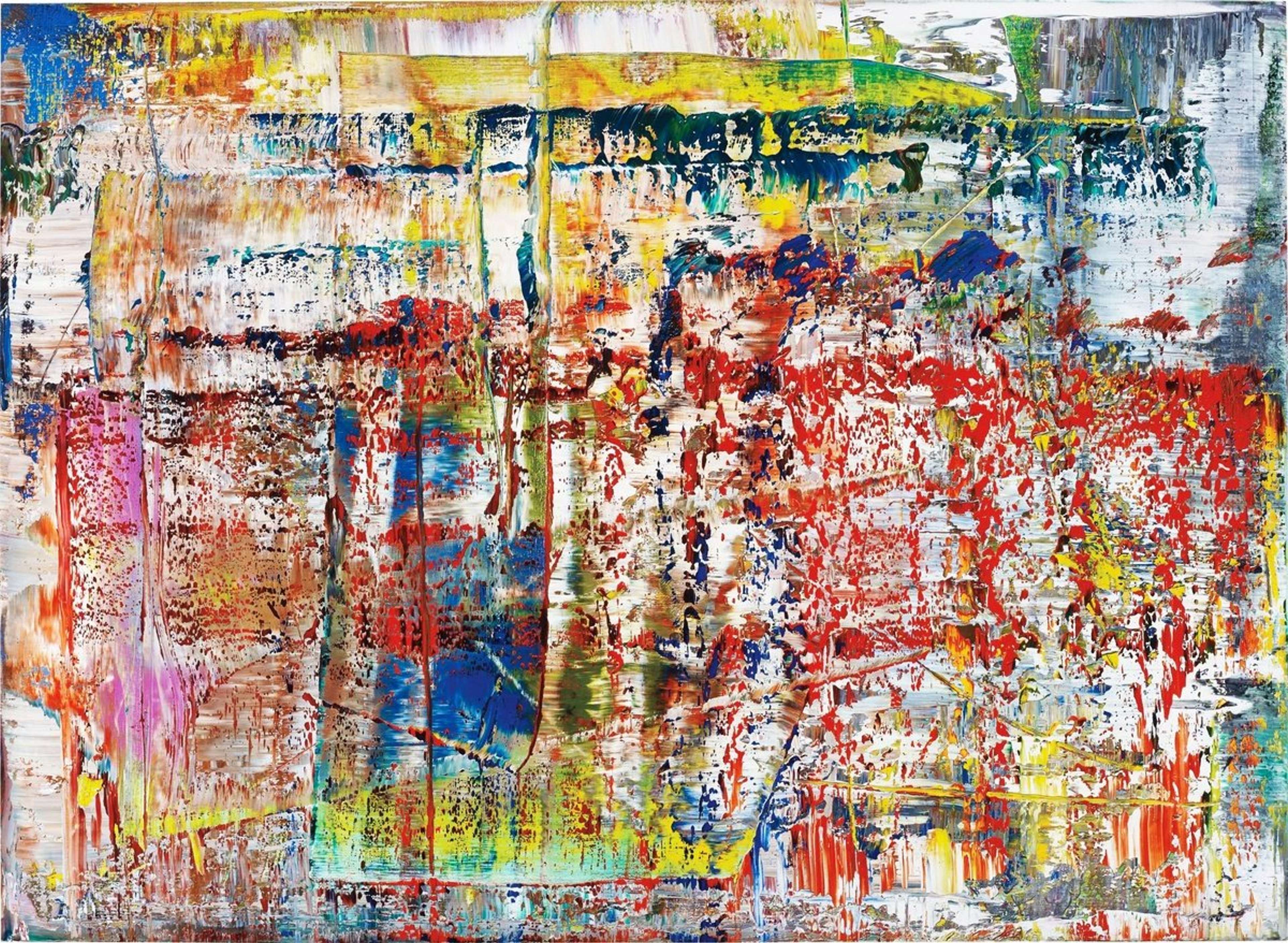
Price variation is also visible between repeat sales. Abstraktes Bild P1 realised £44,450, including fees, at Christie’s London in March 2026, followed by a result of $25,000 at Phillips New York in June. Differences of this kind can reflect condition, presentation, estimate, location and competition within the sale, rather than a straightforward change in the work’s underlying value.
Richter’s extensive editioned output has created markets at several price levels, from accessible interpretations of major paintings to scarce works with the scale and presence of unique art. Regular auction appearances provide sellers with useful evidence, but the range of results makes exact identification and like-for-like comparison essential to an accurate valuation.
Which Gerhard Richter Prints Are Most Valuable?
Richter’s most valuable editions tend to combine limited supply with one or more additional qualities: substantial scale, a strong relationship to an important painting, a recognisable image or a format that gives the edition the presence of a major wall-based work.
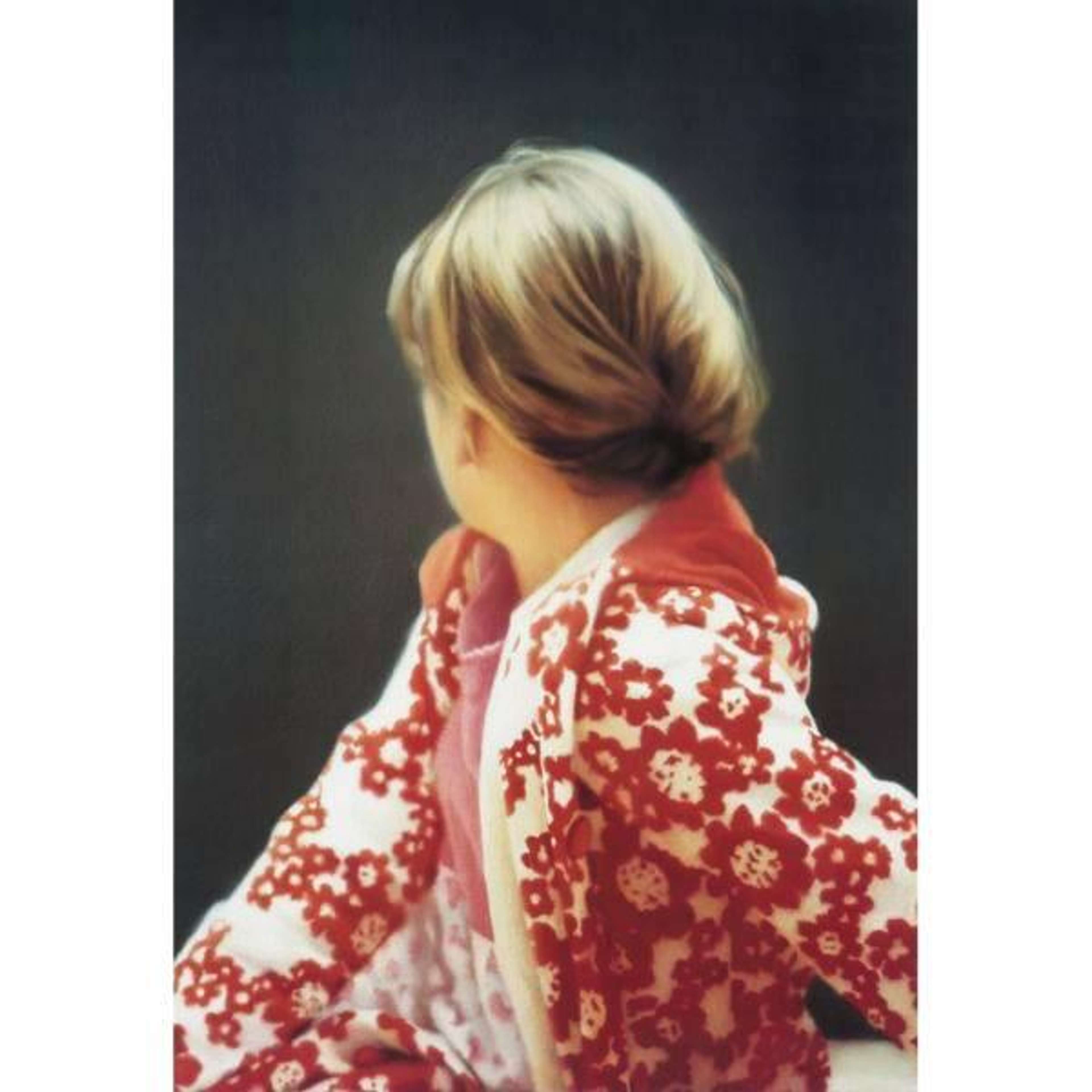
Cage Grid I represents the monumental end of the market. Its 16-part structure distinguishes it from the individual Cage Grid panels and from the later P19 editions. Scarce figurative works such as
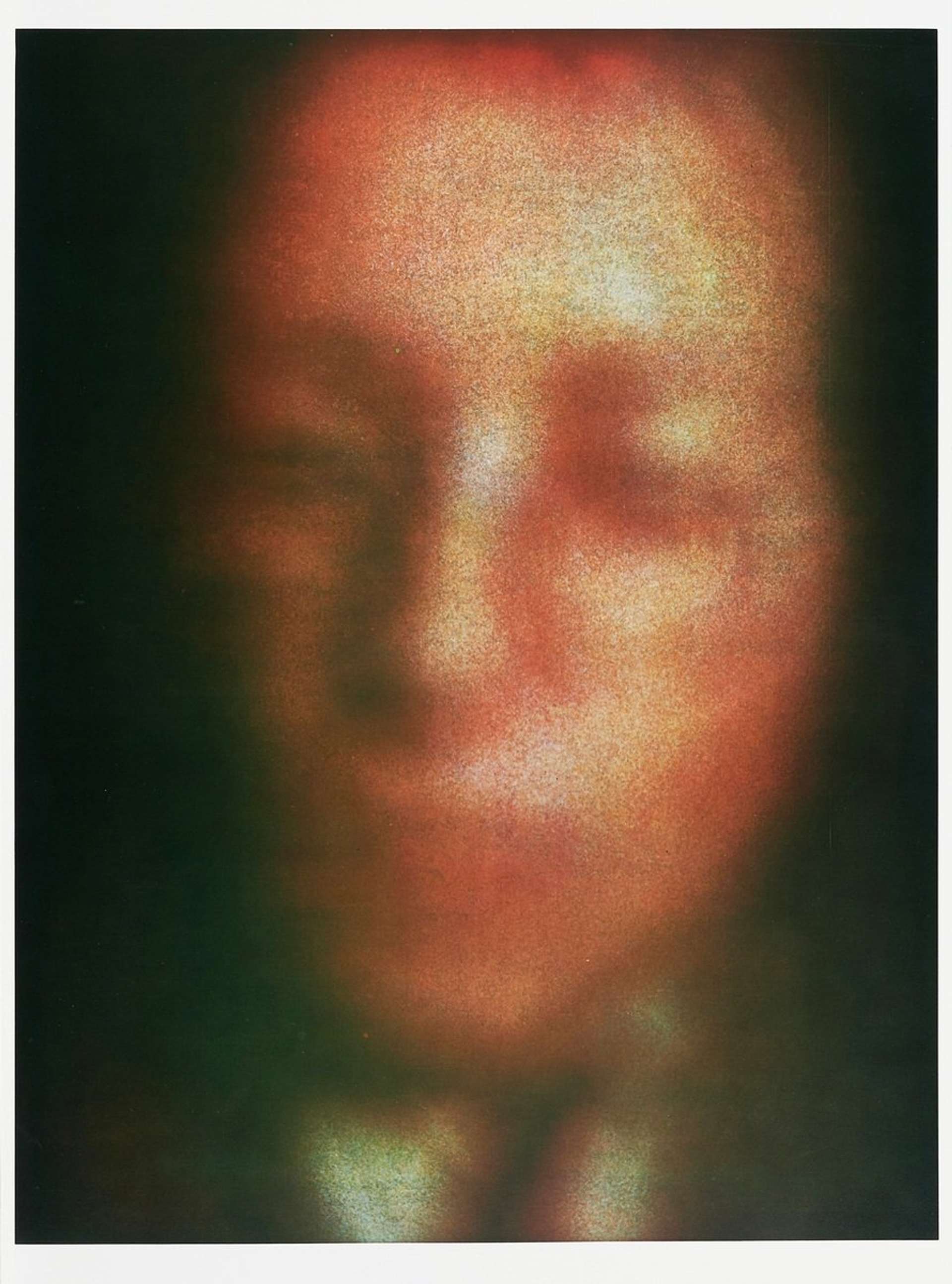
Betty occupy a different part of Richter’s upper market. Their appeal rests on the status of the image within his wider practice, not simply the small number produced. The 1991 signed edition comprises 25 signed impressions plus five artist’s proofs, but the image also appears in exhibition posters and later proofs that differ in format, finish and scarcity. The principal edition has appeared only eight times at auction since 2003, although two examples reached the market in 2025 and produced hammer prices between approximately £105,000 and £174,000.
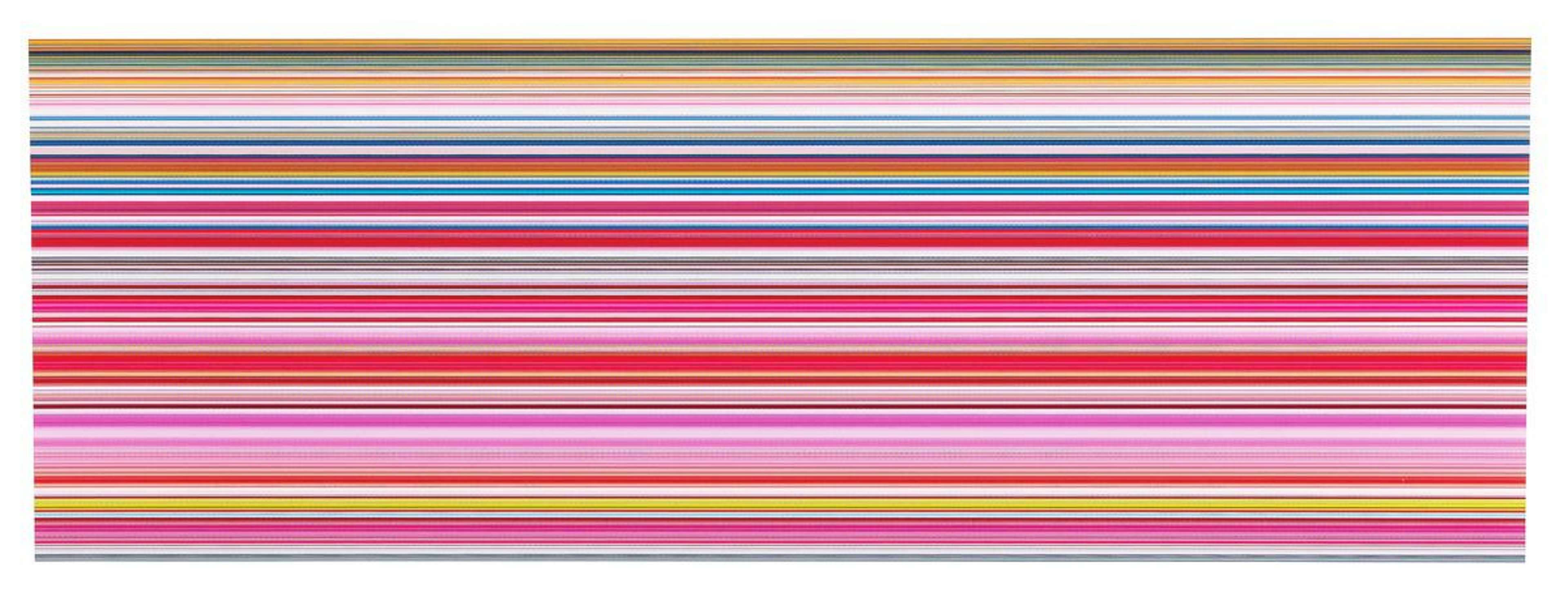
Strip also belongs within the upper section of Richter’s editions market. It is a large, signed work with a limited auction history and a format closely associated with one of the artist’s most important digital investigations. These works are exceptionally scarce. Since 2014, only around six have appeared at public auction, with recent hammer prices ranging from approximately £55,000 to £58,000.
How Do I Identify a Gerhard Richter Cage Print?
Richter produced several distinct edition projects associated with his 2006 Cage paintings.
Cage Grid I is a complete 16-part installation. Individual Cage Grid panels were also issued separately in extremely small editions, but they are distinct works rather than components removed from a complete Cage Grid I set. They cannot therefore be assembled to create Cage Grid I. Forming a complete group of the separately issued panels would also be exceptionally difficult because each was produced in very limited numbers and appears infrequently at auction.
The HENI P19 Cage editions are a later group comprising six images, P19-1 to P19-6. They are unsigned, individually numbered works from substantially larger editions. They occupy a more accessible and more frequently traded market than Cage Grid.
How Should I Value a Gerhard Richter Strip Print?
Richter’s signed Strip works from 2011 are unique editions within a series of 72. Each has an individual composition derived from Richter’s digital reworking of Abstraktes Bild (724-4), rather than repeating one identical image across the edition.
Their scarcity, technical ambition and association with one of Richter’s most important abstract paintings support their position in the upper editions market. Because every work in the series is unique, values can vary according to buyer preference for the individual composition, as well as availability and the timing of the sale. Previous results establish a range for Strip, but no two works provide an exact comparison.
The title, dimensions and catalogue details should also be checked carefully. Richter produced other Strip works in different scales and formats, including unique large-scale works and proofs outside the series of 72.
How Should I Value a Gerhard Richter Kerze Print?
Richter’s candle imagery is among the most immediately recognisable areas of his practice, but the different Kerze editions occupy distinct price levels.
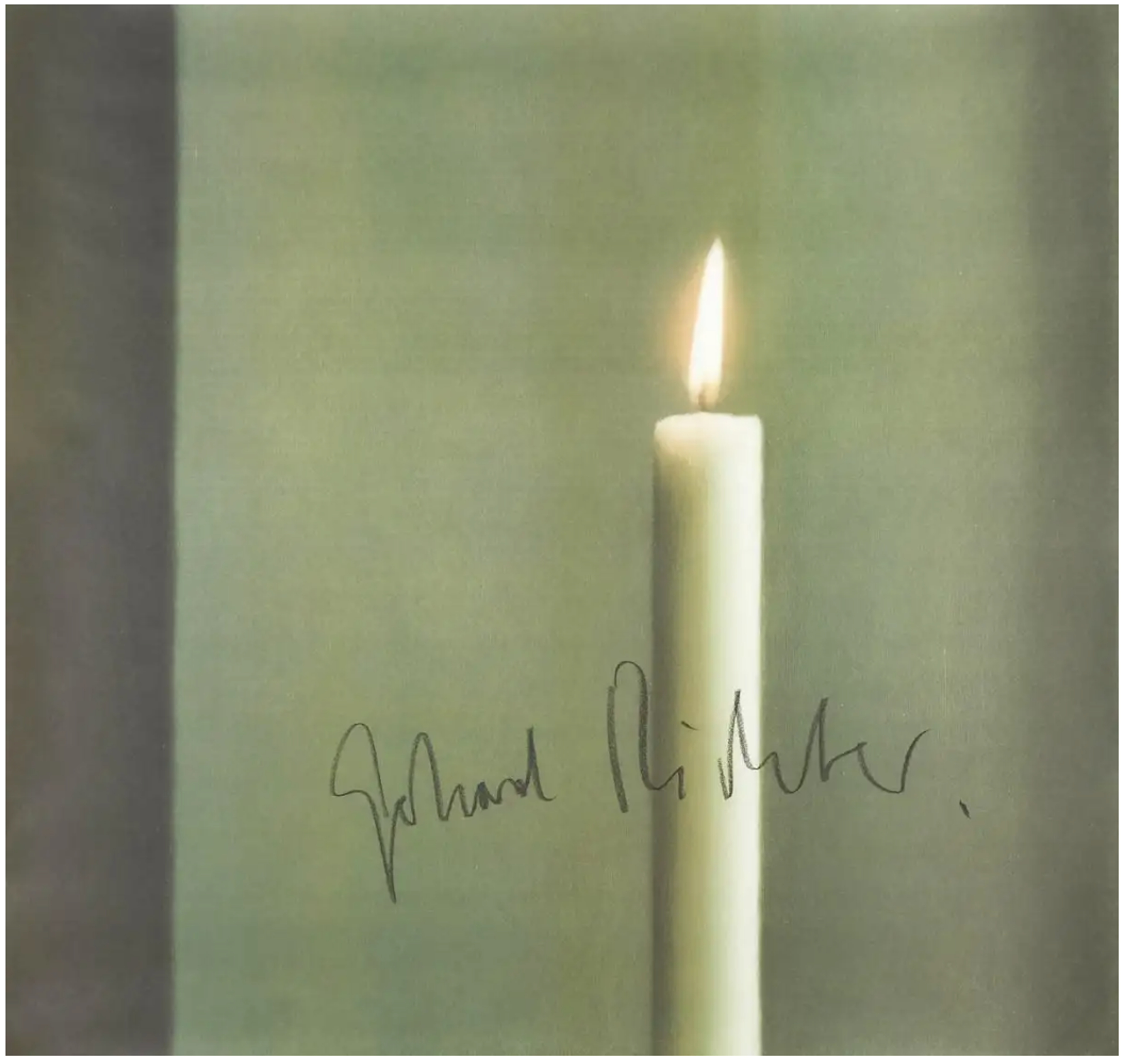
Kerze I is a signed offset print based on Richter’s celebrated candle painting. The most recent publicly recorded example realised €19,500, including fees, at Dorotheum in December 2025.
Kerze II belongs to a smaller and more complex market. The standard edition combines offset printing with black oil hand-finishing, adding a unique variation to each impression. Trial proofs of Kerze II were produced without the black oil hand-finishing. Although scarcer in edition format, they do not offer the same element of uniqueness as the standard edition. The most recent sale realised €17,160, including fees, at Van Ham in December 2025.
Are Gerhard Richter HENI Editions Valuable?
Richter’s collaborations with HENI created a broad market for editions closely connected with his abstract paintings. These editions were published unsigned and span several formats, scales and price levels.
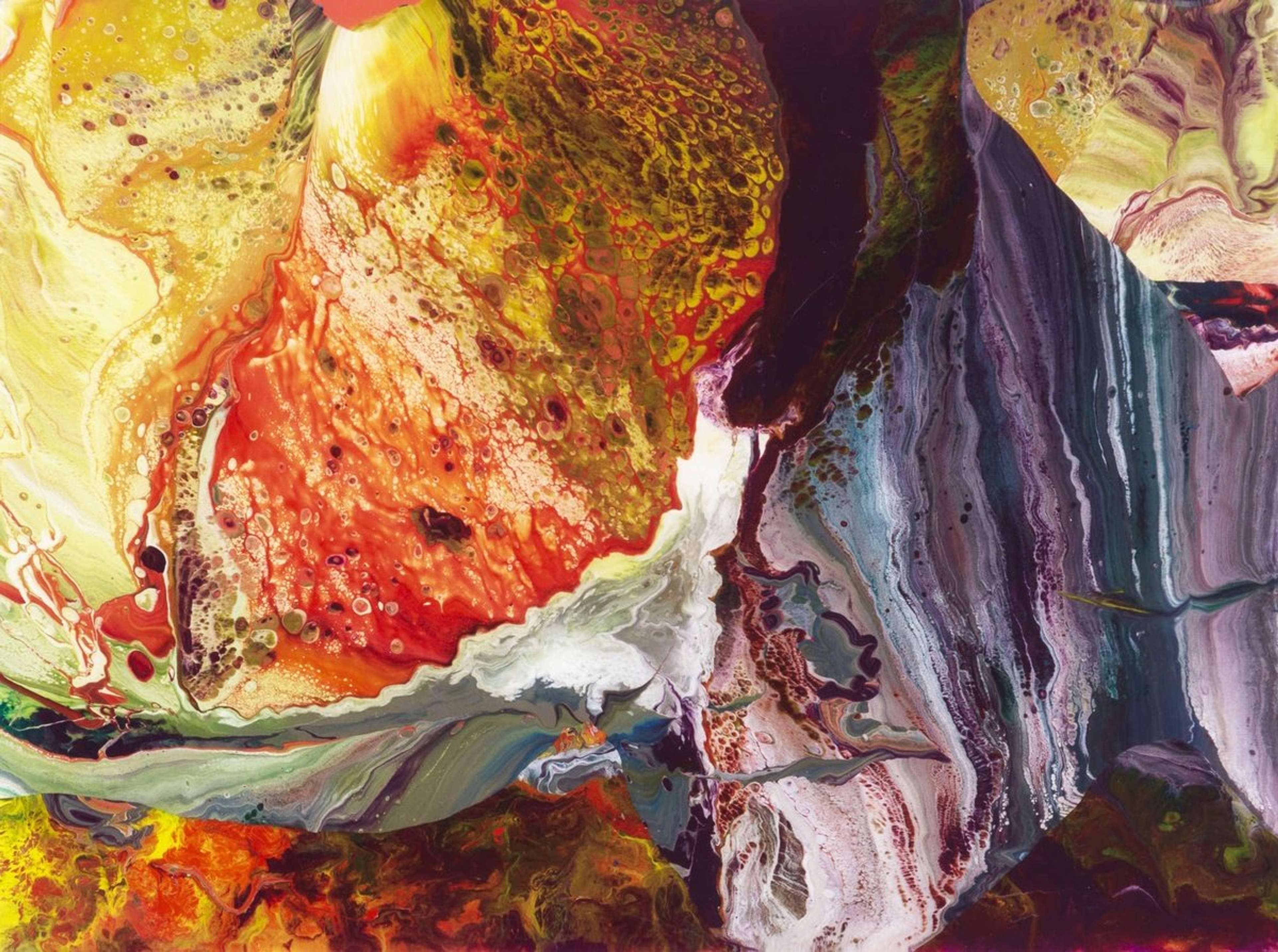
Flow sits within the more accessible and frequently traded part of the market, while the larger P19 Cage works tend to command higher prices. Abstraktes Bild P1 has reached a higher level again, despite its comparatively large edition.
Values across Richter’s HENI editions depend on the specific work. Scale, edition size, composition, connection to an important painting and the amount of supply appearing on the secondary market all contribute to the differences between them.
Do Signatures & Artist Proofs Increase the Value of a Gerhard Richter Print?
A signature can support the value of a Richter print when it forms part of the published edition, but it is not a reliable measure of value on its own. An earlier date, signature and smaller edition do not necessarily make a work more valuable than a later unsigned print.
Many of Richter’s early landscapes, seascapes and photographic editions were produced on paper using established print processes and in relatively conventional formats. Although they attract established demand, they generally lack the scale, complex fabrication and object-like presence that support higher prices for certain later editions. Seestück I, for example, is a signed print from 1969, yet an impression achieved £4,500 at hammer in December 2025.
Richter’s colour charts can occupy a higher price level because of their central place within his investigation of colour, order and chance. 1260 Farben reached £14,000 at hammer in December 2025. The contrast demonstrates that date and signature status are less important than the particular work’s scale, subject and position within Richter’s wider practice.
Proof status can add value where the work is scarcer, visually distinct or has particularly strong provenance. However, artist’s proofs, trial proofs and printer’s proofs do not command a fixed premium across Richter’s market. Their value depends on the characteristics of the proof and the available sales evidence for that specific work.
How Does Condition Affect the Value of a Gerhard Richter Print?
Condition can determine whether a Richter edition sells near the upper end of its comparable range or struggles to attract a buyer.
For works on paper, creasing, staining, fading, foxing, handling marks, abrasions and damage to the margins can all affect value. Previous mounting is also important, particularly where hinges, adhesives or backing materials have altered the sheet.
Richter’s mounted and face-mounted editions present different risks. Scratches, chips, separation, pressure marks or damage to aluminium and acrylic components may be difficult to remedy. The construction of the work must therefore be considered before it is removed from its frame, packed or transported.
With Strip, colour accuracy is particularly important because the individual composition distinguishes one work from another. The tonal delicacy of Kerze can make surface damage especially conspicuous, while every component of a multi-part work should be documented.
A professional condition report should be prepared before the work is offered. Restoration should not be commissioned automatically, as an unnecessary or poorly documented intervention may reduce buyer confidence rather than improve the sale.
How Do I Authenticate a Gerhard Richter Print?
The principal published reference for Richter’s prints is Gerhard Richter: Editions 1965–2013, the 2014 catalogue raisonné by Hubertus Butin, Stefan Gronert and Thomas Olbricht. It updates earlier catalogues covering his editions to 1993 and 2004. Richter’s official website also provides a searchable record of editions, including catalogue numbers, dimensions, production details and publishers.
Authentication begins by matching the work with the correct catalogue entry. Its title, year, dimensions, medium, signature, numbering and publisher should correspond with the recorded edition. Labels, invoices, certificates, correspondence and previous auction records can then help establish provenance.
Photographs should show the complete front and reverse, signature, edition number, labels, frame and any visible condition issues. Every panel of a multi-part work should be documented, while original packaging and publisher information can be particularly useful for later editions.
A catalogue reference confirms how an edition was produced but does not authenticate an individual impression on its own. Closely related versions, proofs and later editions can be difficult to distinguish, so specialist examination is recommended before a work is valued or offered for sale.
When Is the Best Time to Sell a Gerhard Richter Print?
The current market follows a period of significant institutional and commercial visibility. The Fondation Louis Vuitton’s retrospective, staged from October 2025 to March 2026, brought together approximately 270 works spanning six decades. In May, Christie’s offered seven paintings from Marian Goodman’s private collection, all acquired directly from Richter, with Kerze achieving $35.1 million.
This attention provides a strong backdrop for Richter’s wider market, particularly for editions connected with his most recognisable paintings and series. It does not, however, raise the value of every print equally. Condition, recent supply and demand for the exact edition remain more useful indicators of how readily a work can be sold.
Visibility can also encourage more owners to consign. If several impressions of the same edition reach the market within a short period, buyers have greater choice and may become more price-sensitive. The best time to sell therefore depends on balancing current interest in Richter with the availability, condition and price level of the particular work.
Should I Sell My Gerhard Richter Print at Auction or Privately?
Auction can generate competition for recognisable Richter editions with recent comparable sales and sufficient market activity to support a credible estimate. It also produces a public result that can help establish the work’s position within the secondary market.
This visibility carries risk. The seller commits to a fixed timetable and reserve, and an unsold lot creates a public auction history that may affect later negotiations. Seller’s commission, insurance, transport, storage, illustration and withdrawal charges can also reduce the final proceeds.
Private sale provides greater control over timing, price and disclosure. It can suit high-value or infrequently traded editions where the relevant collectors may need to be approached individually. Negotiations can continue over a longer period without exposing the work to a public buy-in.
The most appropriate route depends on demand for the exact edition. A frequently traded P19 Cage work presents a different market from a unique Strip, a hand-finished Kerze II or a complete Cage Grid I. Recent supply, condition, value and the number of likely buyers should determine the sales strategy.
Why Sell Your Gerhard Richter Print With MyArtBroker?
Start With an Instant Valuation
If you want an immediate indication of what your Richter print may be worth, use our free Instant Valuation tool. The result draws on public auction histories, private sales data and current market demand, with no obligation to sell.
Speak to a Gerhard Richter Specialist
Richter’s editions can be difficult to identify and compare, particularly across Cage, Strip, Kerze and HENI works. Our specialists assess the exact edition, condition, provenance and recent sales evidence before providing a confidential valuation and advising on the best route to market.
Track Supply and Demand
Our Trading Floor shows which Richter editions are currently for sale, wanted or held within our network. You can also add your work to MyPortfolio to review its auction history, track its value, monitor demand and request a specialist valuation when you are ready.
Pay 0% Seller’s Commission
MyArtBroker charges sellers 0% commission. Our fee is agreed with the buyer, allowing you to agree your net return with your specialist before the work is offered.
A Fully Managed Private Sale
Once you decide to sell, your specialist introduces the work directly to relevant collectors and manages the transaction from beginning to end. This includes offers, contracts, condition guidance, insurance, shipping and payment, providing a discreet alternative to public auction.