

Points clés
- Le marché des estampes de Richter couvre des prix allant d'environ 1 000 £ à plus d'un million de livres sterling.
- Atlas reste l'un des domaines les plus activement échangés sur le marché des éditions de Richter.
- La série The Strip a produit les prix d'adjudication les plus élevés, y compris le record actuel des ventes aux enchères d'estampes.
- Cage Grid combine de petites tailles d'édition avec certaines des valeurs de ventes de niveau collection les plus solides du marché.
- Les éditions offset récentes offrent un point d'entrée accessible pour les nouveaux collectionneurs.
Richter's print market spans one of the widest price ranges in the blue-chip editions market. Entry-level offset works can be acquired for a few thousand pounds, while rare examples from the Strip and Cage Grid series have achieved six-figure and even seven-figure results at auction.
Whether you're buying your first Richter print or considering a significant acquisition, understanding how the market is structured – from pricing and authentication to condition and collector demand – is essential to making an informed decision.
Why Collect Gerhard Richter Prints?
Born in Dresden in 1932, Richter is widely regarded as one of the most influential artists of the post-war era. Few artists have moved as fluidly between photorealism, abstraction, conceptual art, landscape painting, and printmaking, creating a body of work that continues to attract museum collections, institutional buyers, and private collectors worldwide.
Richter’s editions offer collectors access to many of the same ideas and visual languages that define his wider practice. From the blurred photographic imagery of the Atlas works and the systematic colour experiments of Farbfelder to the digitally generated compositions of the Strip series, his print market reflects the breadth of a career that has continually challenged the boundaries between image-making techniques.
Gerhard Richter Print Market Performance in 2025–2026
Richter’s print market remains one of the most active and diverse sectors of the contemporary editions market. Over the past decade, annual sales volumes have consistently exceeded 100 lots. While annual turnover has fluctuated between approximately £1.2 million and £3.3 million, collector participation has remained relatively stable throughout the period.
Part of what distinguishes Richter’s market is its complexity. Unlike many print markets built around a handful of signature works, Richter’s editions span multiple decades, mediums, formats, and publishing approaches. Some works were produced in larger edition sizes, while others exist in exceptionally small numbers or as unique editioned works. As a result, values can range from a few thousand pounds to well over £1 million, depending on rarity, format, and provenance.
Several developments helped maintain visibility around Richter’s work in 2025 and 2026. The Fondation Louis Vuitton retrospective in Paris brought renewed institutional attention to his career, while Christie’s May 2026 sale of seven works from the Marian Goodman collection generated $78.8 million. Although these events centred on paintings rather than prints, they reinforced Richter’s position within the upper tier of the contemporary art market.
For buyers, the significance of today’s market lies in its depth. Richter’s editions market offers multiple entry points, collecting strategies, and price levels, all supported by one of the most thoroughly documented catalogues in contemporary art.
Which Gerhard Richter Prints Should You Buy?
Richter’s print market offers several distinct collecting routes, each appealing to different types of buyers. Some collectors focus on his photographic works, while others are drawn to abstraction, rarity, or more recent editions.
Richter’s Photographic Works
Some of Richter’s most recognisable editions originate from photographs and photographic source material. Works such as Betty, Mao, Elisabeth II, Pyramide, and Wolke reflect his long-standing interest in the relationship between photography and painting. These editions remain popular with collectors because they are closely connected to some of the most iconic images in his wider body of work.
Richter’s Abstract Editions and Abstraktes Bild Prints
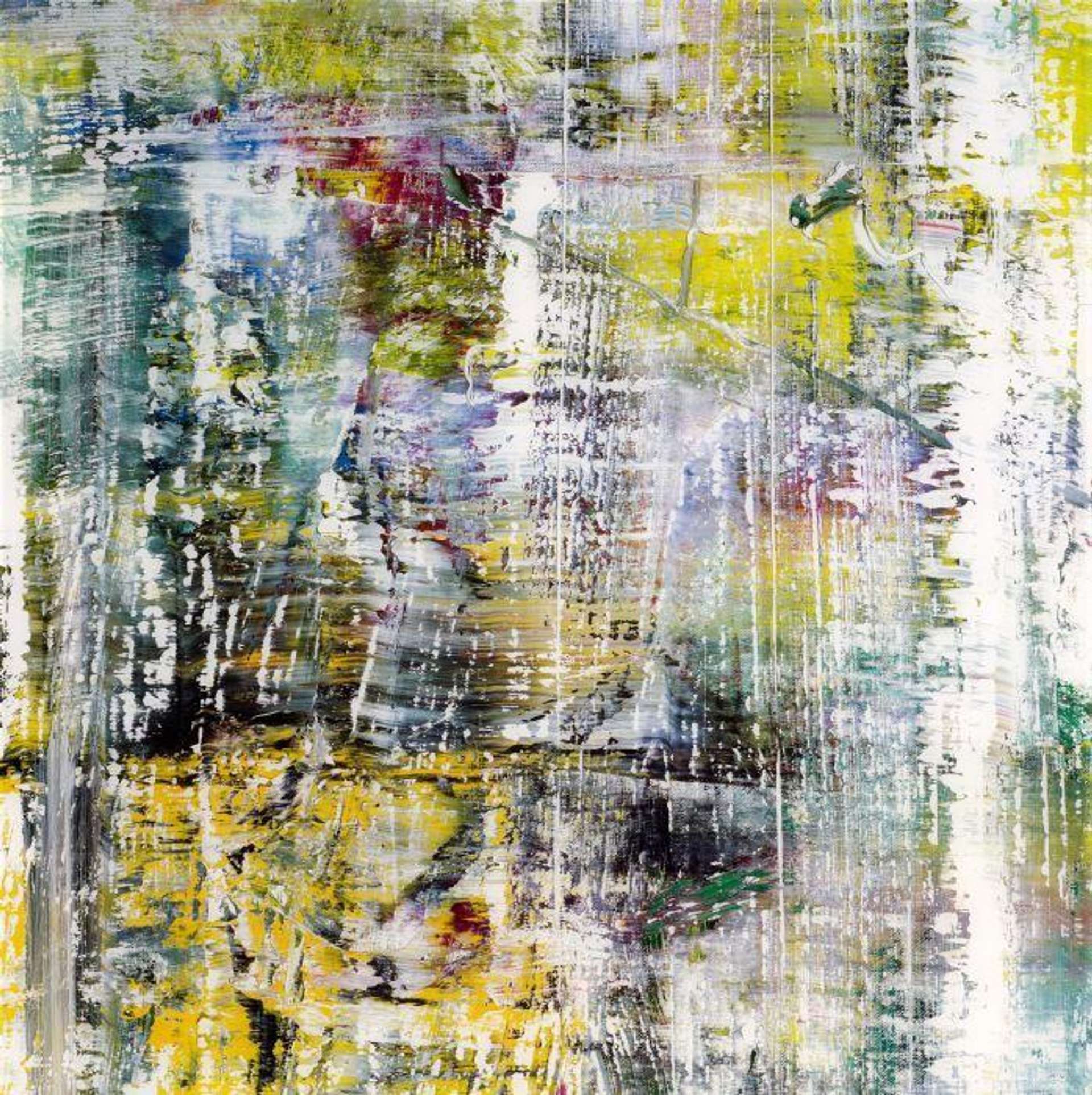
Richter’s abstract editions encompass a broad range of works, from colour studies and screenprints to editions derived from his celebrated abstract paintings. This area of the market appeals to collectors who are drawn to the visual language of Richter’s abstraction and want access to one of the defining themes of his career.
Richter’s Strip and Cage Grid
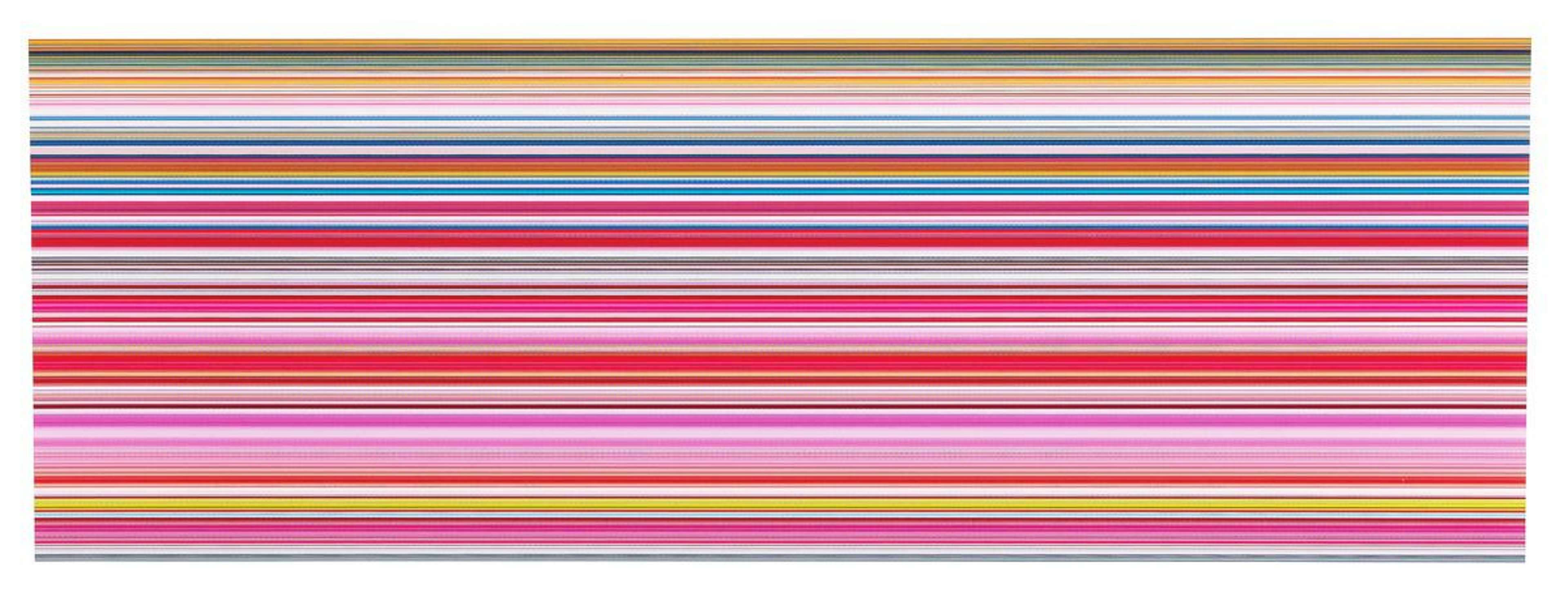
For collectors seeking rarity, innovation, and some of the highest-value works in Richter’s print market, the Strip and Cage Grid series remain key areas of interest. Both demonstrate Richter’s experimental approach to image-making and occupy the upper end of the editions market, attracting strong interest whenever examples appear publicly.
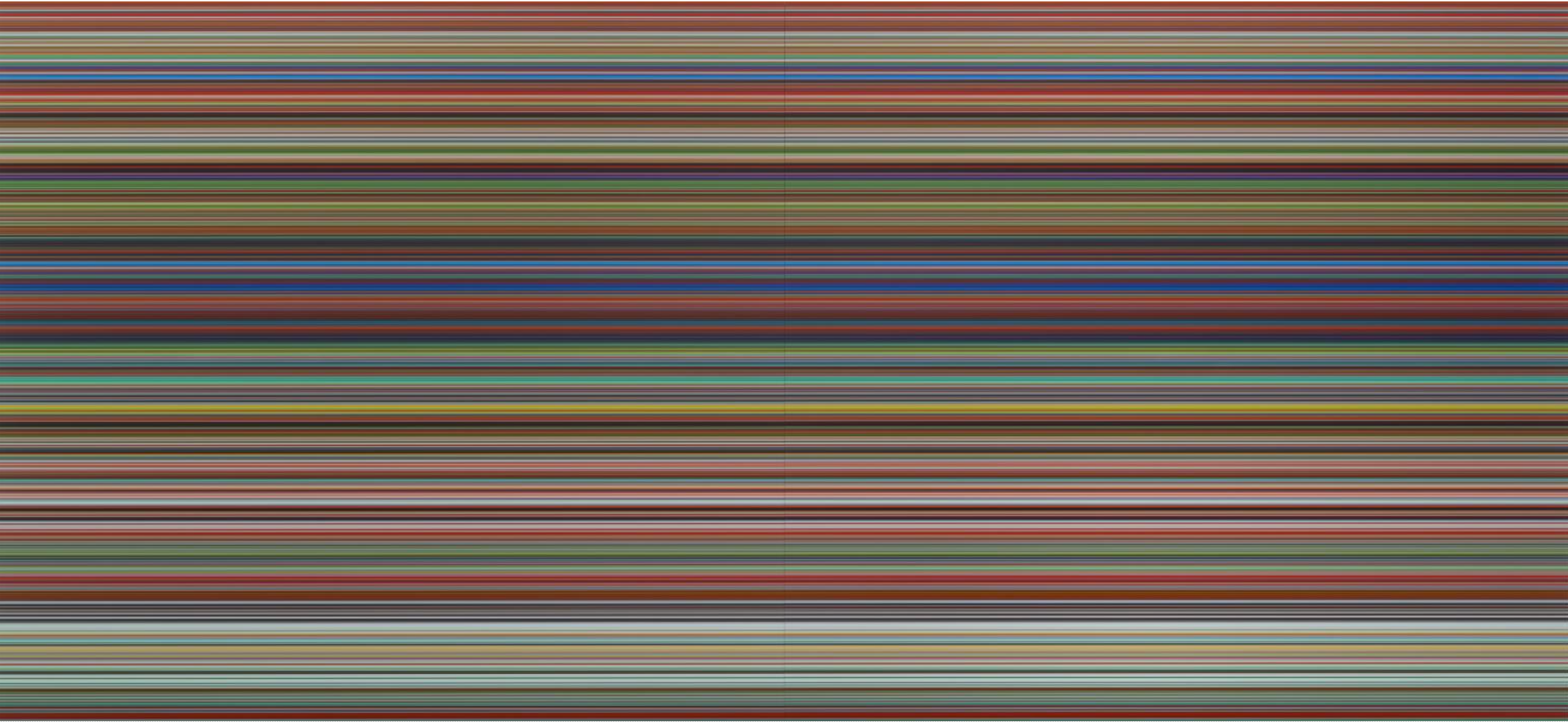
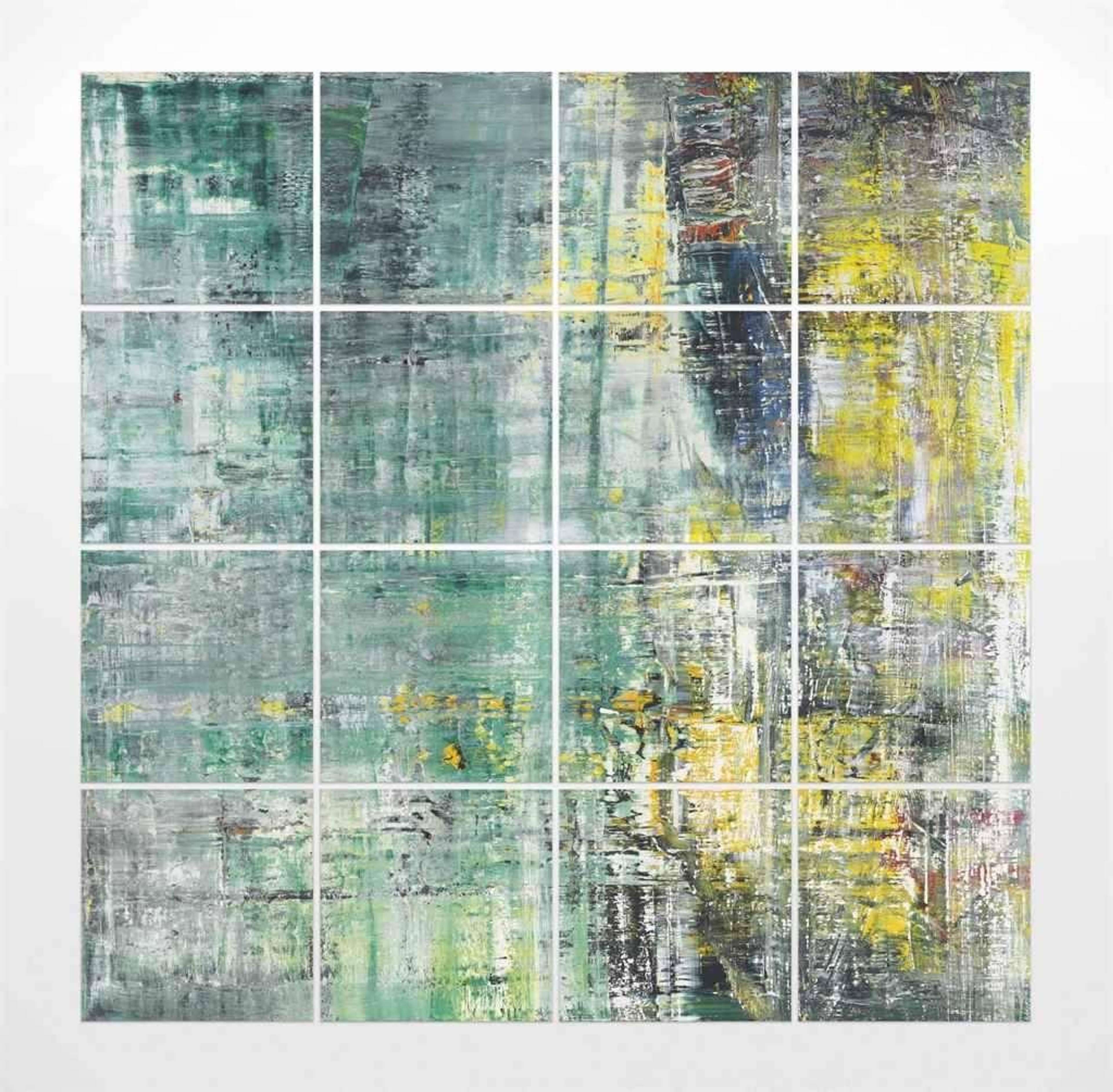
Many Strip works were produced as unique editioned compositions, while Cage Grid is known for its exceptionally limited edition size and complete-set format. The strength of collector demand was demonstrated in 2026 when a Strip work achieved a new auction record for a Richter print at Christie’s New York, selling for $1.7 million, while a complete Cage Grid set achieved a record £684,495 at Sotheby’s in March.
Richter’s Recent Editions
More recent releases, including editions such as Seestück, Tiger, Küchenstuhl, and Landschaft mit Wolke. These editions typically sit at more accessible price points and provide a straightforward entry point into one of the most important contemporary art markets.
Some collectors are drawn to the historical significance of his photographic images, while others focus on abstraction, rarity, or accessibility. The breadth of Richter’s editions market means there is no single route into collecting his work.
Is Buying a Gerhard Richter Print a Good Investment?
Richter’s print market is best understood as a collection of distinct sub-markets rather than a single category. Performance varies significantly between collections, edition formats, and price points. Over the past decade, the strongest results have typically come from rare, signed works with limited supply, particularly examples from the Strip, Cage Grid, and Cage series.
| Market Segment | Typical Range | Examples |
|---|---|---|
| Entry-level editions | £1,000–£20,000 | Recent offset editions, smaller photographic works, some Seestück, Tiger, and Küchenstuhl editions |
| Established collector market | £20,000–£75,000 | Cage editions, Swiss Alps, selected abstract works, signed photographic editions |
| Premium editions and sets | £75,000–£250,000 | Kerze II, Farbfelder complete sets, individual Cage Grid works, higher-value abstract editions |
| Trophy works and rare complete sets | £250,000+ | Complete Cage Grid sets, major Strip works, unique editioned compositions |
Most Sought-After Gerhard Richter Prints
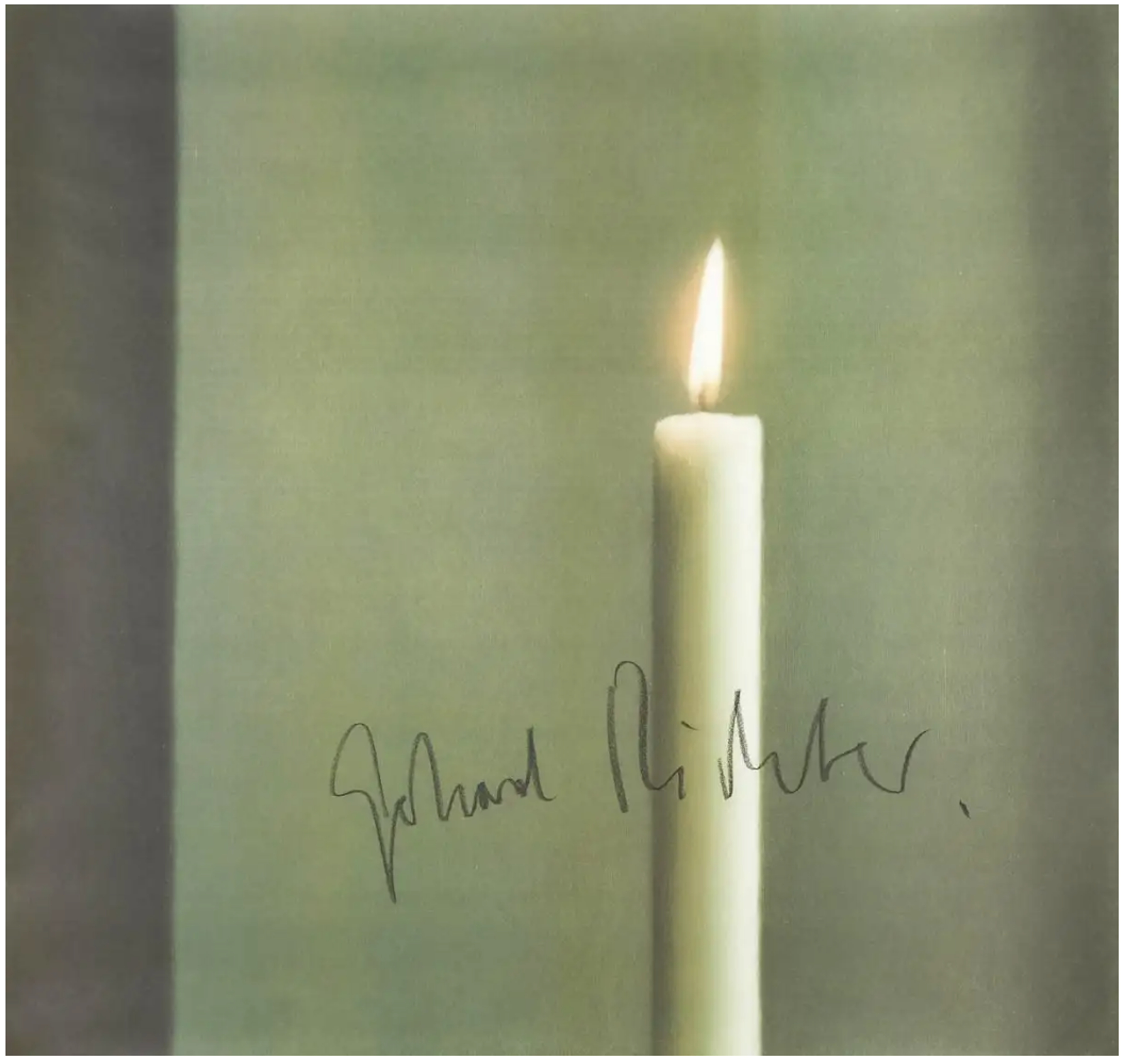
Kerze I and Kerze II
Among Richter’s most recognisable images, Kerze occupies a unique position within his market. Based on the artist’s celebrated candle paintings, the editions combine the photographic realism and quiet introspection that helped establish Richter’s reputation internationally. Their appeal extends beyond the art market, with the image becoming widely known through its association with Sonic Youth’s Daydream Nation album cover.
Interest in the series received renewed attention in 2026 when the original painting Kerze (1982) sold for $35.1 million at Christie’s New York reinforcing the significance of one of Richter’s most iconic motifs. Examples of Kerze I and Kerze II rarely appear publicly, contributing to their continued desirability among collectors.
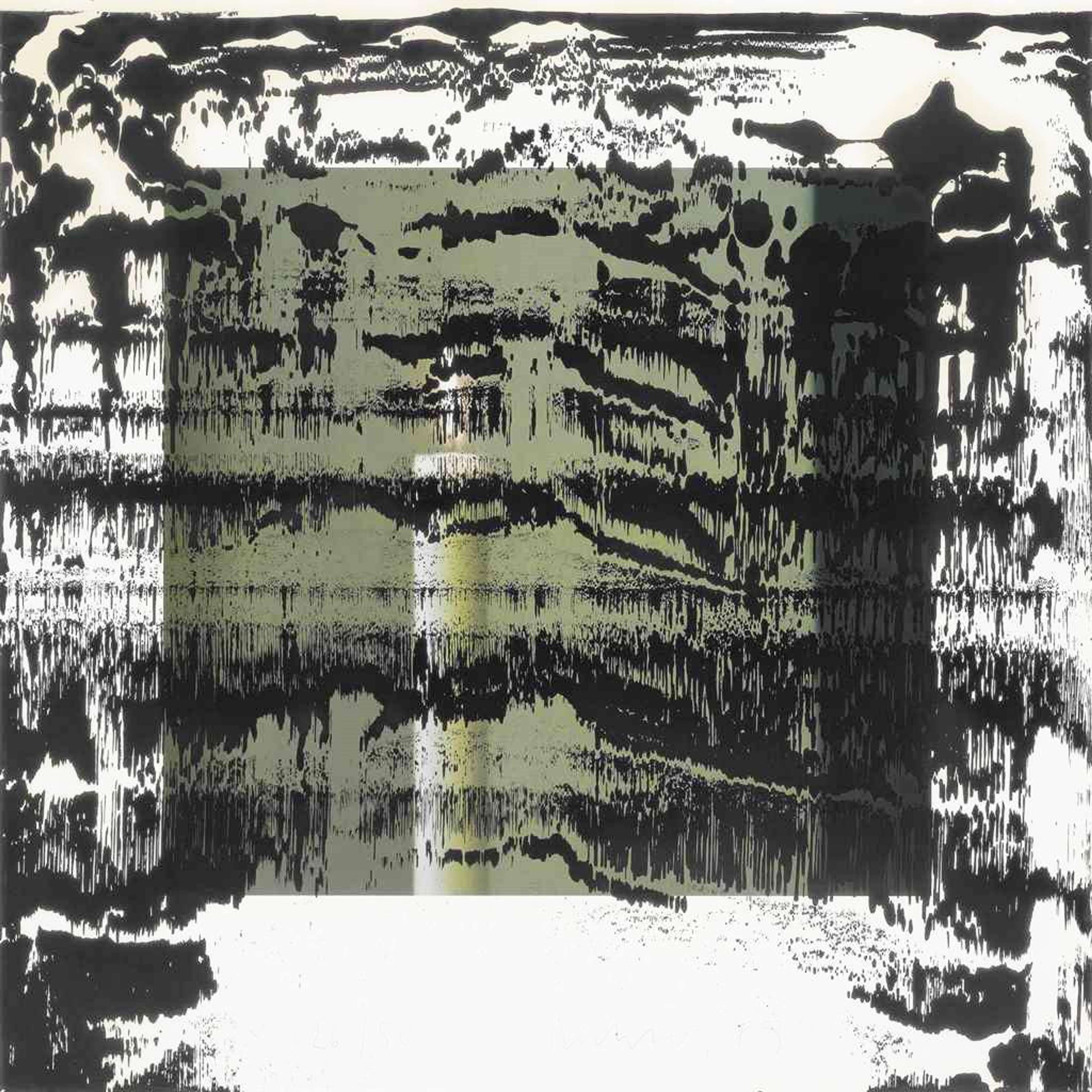
Cage Grid I
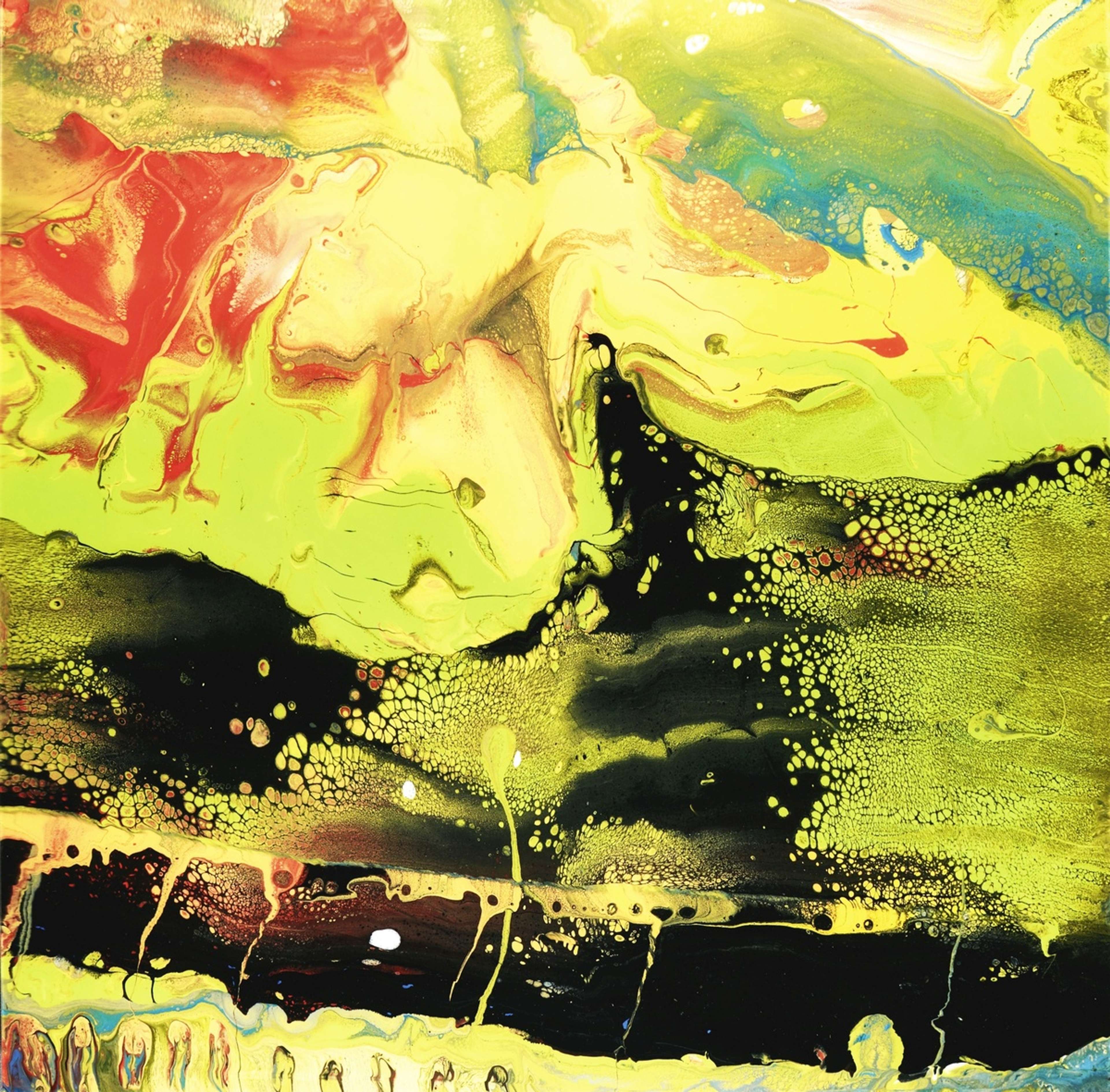
For collectors focused on rarity, Cage Grid I remains one of the most distinctive works in Richter’s editions market. Based on Cage 6 (2006), the work divides the original painting into sixteen separate sections, each published individually in editions of just 16, plus four artist’s proofs.
The collection has become one of the strongest-performing areas of Richter’s print market, collected both as individual panels and complete sets. Its exceptionally low edition size and limited availability continue to drive collector demand.
Farbfelder
Few editions better represent Richter’s interest in systems, chance, and colour than Farbfelder (Colour Charts). Originally conceived as a large-scale exploration of colour relationships, the project occupies an important position within Richter’s abstract practice and remains one of the most recognisable bodies of work in his editions market.
Collectors are often drawn to Farbfelder for its complete-set format and its significance within Richter’s wider exploration of colour theory. Complete portfolios have achieved prices in excess of £150,000, reflecting continued demand for one of the artist’s most conceptually important print projects.
How to Authenticate a Gerhard Richter Print
Authenticating a Richter print begins with documentation. Richter is known for rigorously cataloguing and editing his own oeuvre, and his work is supported by one of the most comprehensive archives in contemporary art. Collectors can reference the multi-volume catalogue raisonné edited by Dietmar Elger, Director of the Gerhard Richter Archive in Dresden, alongside the artist’s official website, which provides a searchable database of thousands of works.
These resources make Richter’s market unusually transparent, but not necessarily straightforward. Across more than six decades, Richter produced editions in a wide variety of formats, ranging from offset prints and screenprints to unique editioned works, complete portfolios, and highly limited projects. Understanding how a particular work fits within that broader context can be just as important as verifying its authenticity.
For this reason, collectors should always carry out thorough due diligence and, where possible, work with a trusted specialist. Professional guidance can help verify provenance, assess condition, and ensure a work is correctly identified within Richter’s extensive and highly nuanced market.
Assessing the Condition of a Gerhard Richter Print
Condition plays an important role in determining value across Richter’s editions market. However, because his prints span a wide range of formats and materials, the issues collectors should look for can vary significantly from one work to another.
Earlier photographic and paper-based editions may show signs of age, including discolouration, foxing, handling marks, or framing-related damage. By contrast, works from series such as Strip incorporate materials including aluminium and Perspex, making them more susceptible to scratching, surface wear, and mounting issues. Complete portfolios and multi-part works should also be assessed for completeness and consistency of condition across all components.
Given the breadth and complexity of Richter’s editions market, a professional condition report should always form part of the due diligence process before purchase. Even minor condition issues can have a significant impact on value, particularly for rare works, complete sets, and high-value editions.
Where to Buy a Gerhard Richter Print in 2026
Richter prints can be acquired through auction houses, galleries, dealers, and private sales. Each route offers different advantages depending on the type of work being sought and the level of support required.
Auction houses regularly offer Richter editions ranging from recent releases to rare complete sets. Galleries and dealers can provide access to works outside the auction cycle, particularly for collectors seeking specific editions or series.
Increasingly, private sales have become a favoured route for collectors purchasing higher-value works. Private transactions can offer greater discretion, more time for due diligence, and access to works that may never reach the public market. This is especially important in a market as complex as Richter’s, where edition structures, publication history, provenance, and collection context can all influence both authenticity and value.
Regardless of the route chosen, collectors should ensure that any purchase is supported by appropriate documentation, provenance research, and a professional condition report.
Buying With MyArtBroker
Whether you’re making your first Richter purchase or expanding an established collection, MyArtBroker offers a range of tools and specialist services designed to help collectors navigate the market with confidence
Browse available Richter prints and connect with a global network of collectors, dealers, and sellers through MyArtBroker’s Trading Floor. The platform provides access to works across multiple collections, including editions that may never reach the public auction market.
Research current market values using MyArtBroker’s Instant Valuation tool. Drawing on auction and private-market data, Instant Valuation provides an indication of where a print may sit within today’s market.
Track and manage your collection with MyPortfolio. Collectors can monitor valuations, follow market movements, and build a clearer picture of how individual works fit within their wider portfolio.
Specialist Guidance
Richter’s market is one of the most diverse and complex in contemporary printmaking. Our specialists can assist with sourcing specific editions, assessing market value, reviewing provenance, and navigating private-sale opportunities.