
According to ArtTactic, Christie’s and Sotheby’s both recorded sales increases of approximately 71% against H1 2025, while Phillips rose by 59%. These are substantial gains, although they follow an unusually weak first half of 2025, when collectors remained reluctant to release major works. More important than the percentages is the material that produced them.
The recovery was powered by named collections, fresh supply and provenance capable of making already important works feel exceptional. Christie’s Newhouse sales in May and Sotheby’s £296.3 million Lewis Collection in June returned long-held works to auction within tightly constructed sale environments. Many of the Lewis works had remained in the same collection for around 30 years; nine sold for more than £10 million.
The model was already clear in November 2025, when New York’s auctions generated approximately $2.2 billion – the strongest November season in three years. According to PieEx, Private collections contributed around 45% of the total, and six sales were white-glove. As I wrote at the time, the market had been quietly reorganising itself for 18 months.
H1 2026 showed what that reorganisation looked like in practice. Pent-up supply met concentrated demand, but largely where provenance, rarity and careful presentation gave buyers a clear reason to compete.
A Stronger Market – But Not a Broadly Stronger One
The market has acquired several competing shapes. Anders Petterson has discussed a K-shaped recovery, an I-shaped market was discussed on an episode of The Baer Faxt Podcast , while Charlotte Stewart has used the barbell strategy: activity at either end, with pressure through the centre.
The terminology varies, but the diagnosis is similar. Transaction activity remained concentrated at lower price points, while value growth at the top was carried by a relatively small number of exceptional works. Accoring to the most recent UBS Art Basel Report, fine-art sales above $10 million increased by 30% in 2025, even though the number of lots in that category rose by only 9%.
The middle did not participate to the same degree. As I argued in The Art Market’s Biggest Opportunity Is Also Its Most Stalled Segment, the problem was not an absence of buyers or transactions. This part of the market lacked the confidence mechanisms supporting either end. At the top, provenance, rarity and concentrated presentation justified conviction. In between, buyers required clearer evidence of value and position within an artist’s market.
This is the principal difference between 2025 and H1 2026. Last year proved that buyers were still transacting. This year showed where they were willing to deploy substantially more capital.
Prints Went on Defence – Then Moved Up the Hierarchy
During the wider contraction of 2023 and 2024 – and the cautious conditions that persisted through much of 2025 – prints went on defence. Their accessible price points, visible auction histories and relatively transparent edition structures helped sustain liquidity.
In H1 2026, that defensive role remained, but the market developed a second gear. Selected prints were no longer functioning simply as lower-risk alternatives to paintings. They were being treated as major works within their artists’ markets.
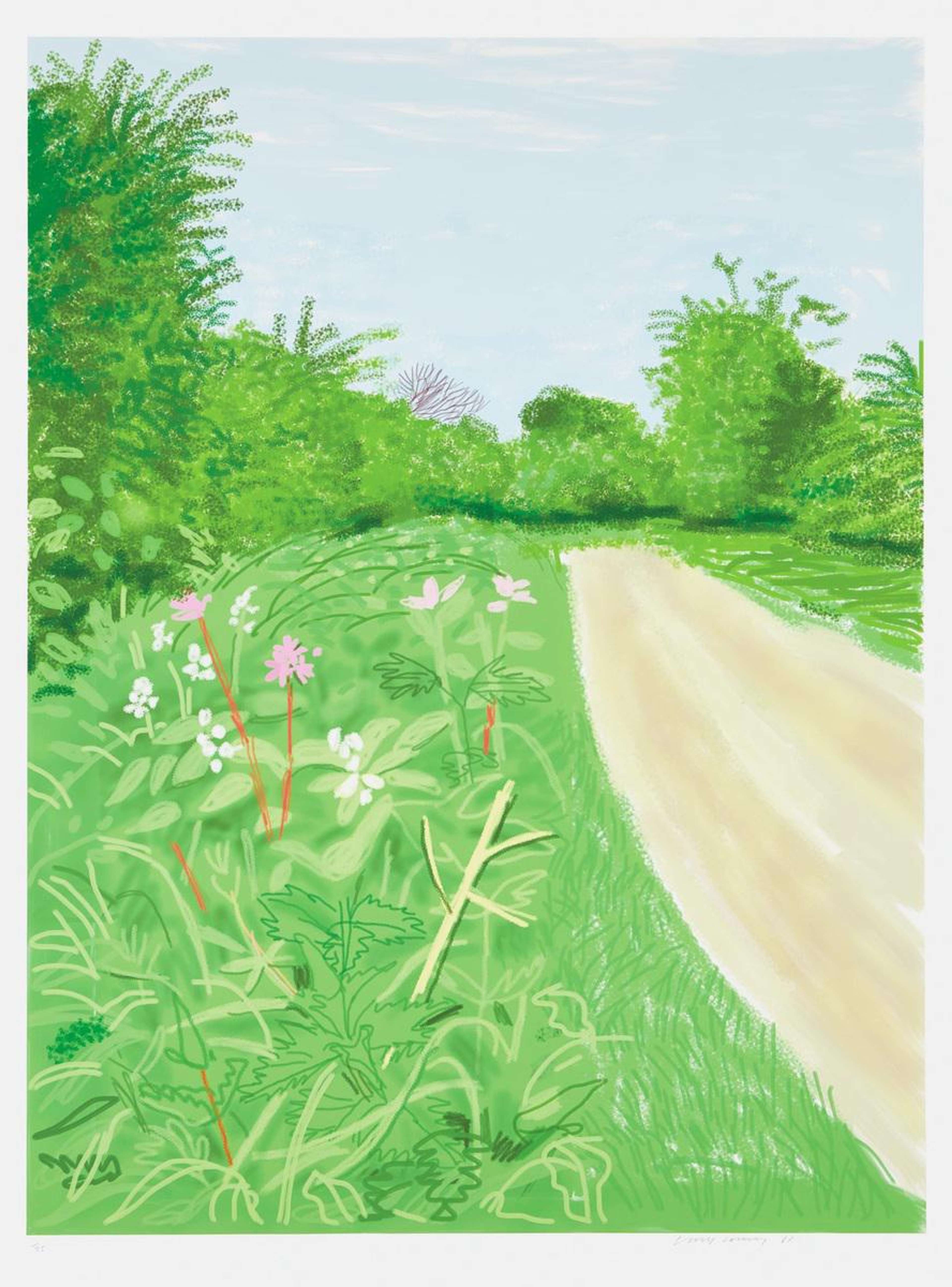
The million-dollar individual prints I examined in February were the clearest expression of that shift. For Lichtenstein, Sotheby’s measured release of works from the artist’s estate helped move the Nudes into a new price tier. Hockney provided a parallel example in March, when 16 Arrival of Spring works from one private collection generated £3.5 million at hammer. Every lot sold and 13 resale works established new records.
The significance lay in how the collection was constructed. Matching edition numbers and fresh-to-market compositions gave the group coherence, while the resale works provided visible evidence of price development. Individual editions became part of a larger collecting event.
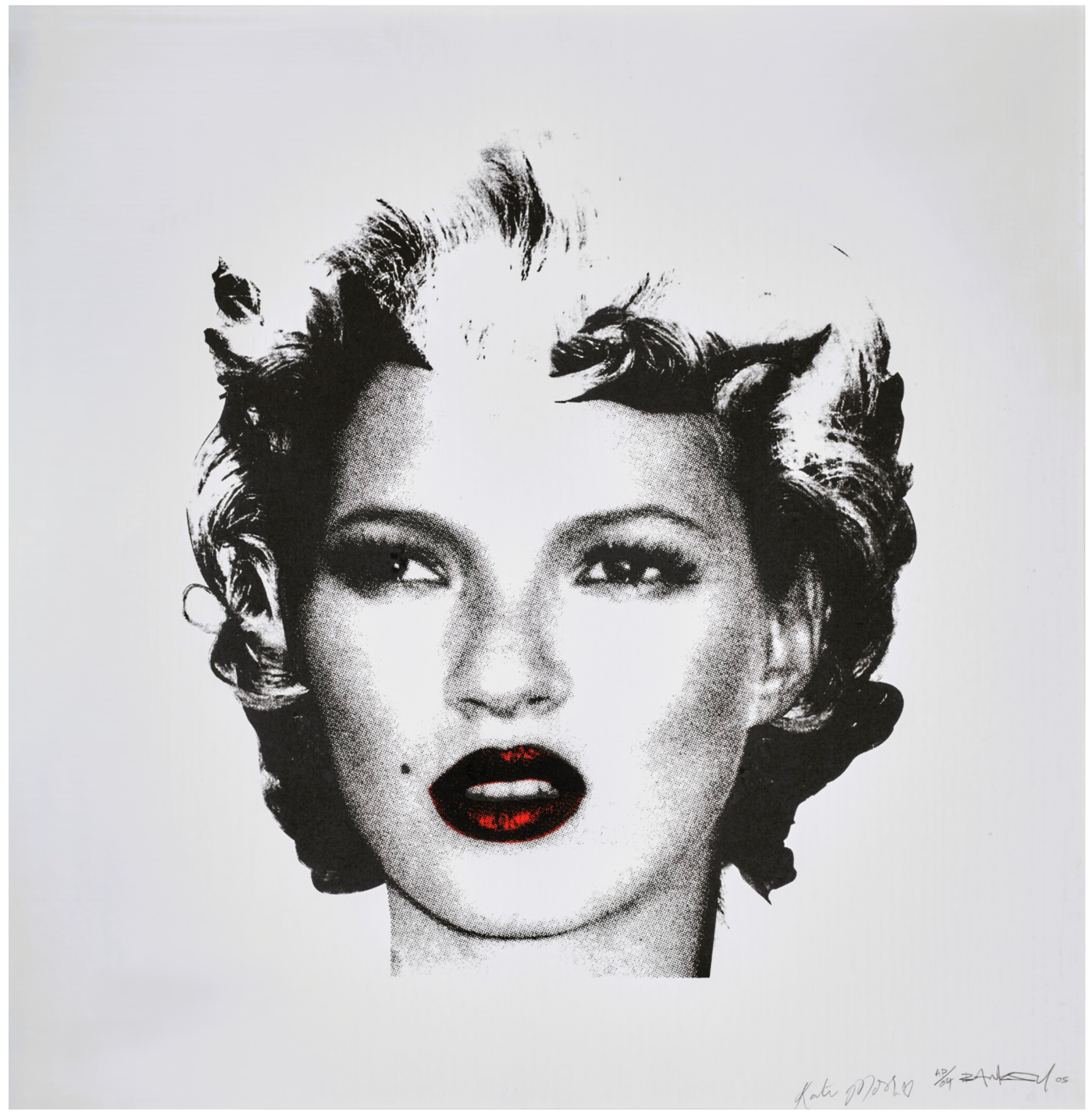
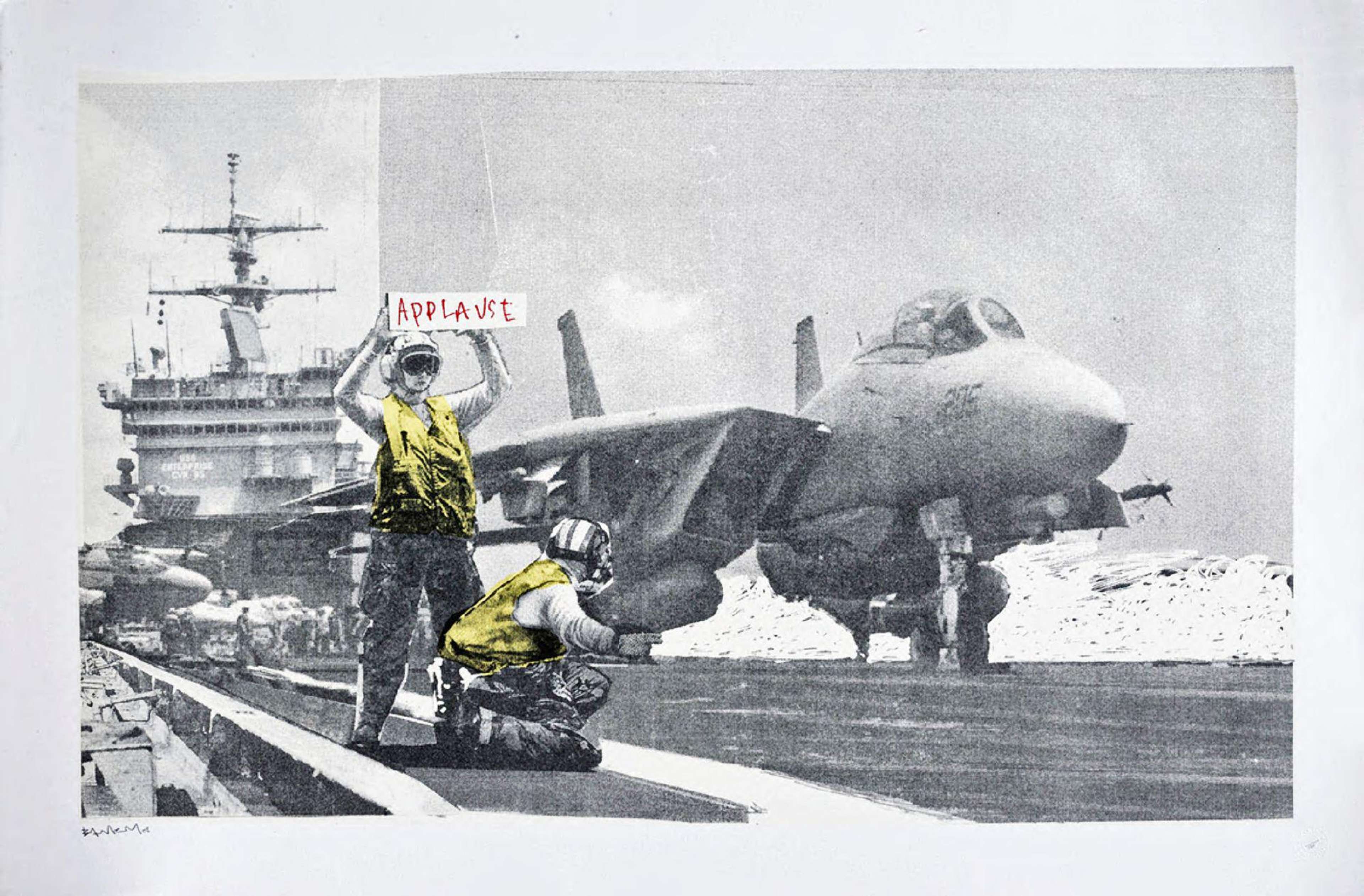
But H1 did not lift prints as one category. March produced conspicuous competition for Banksy and Haring, including Applause at £96,000 and Growing at £150,000. In the same sale, Warhol’s Marilyn (Black) and Sunset failed to sell, while Chanel hammered below estimate. Demand for Warhol did not automatically support every work at a six-figure threshold.
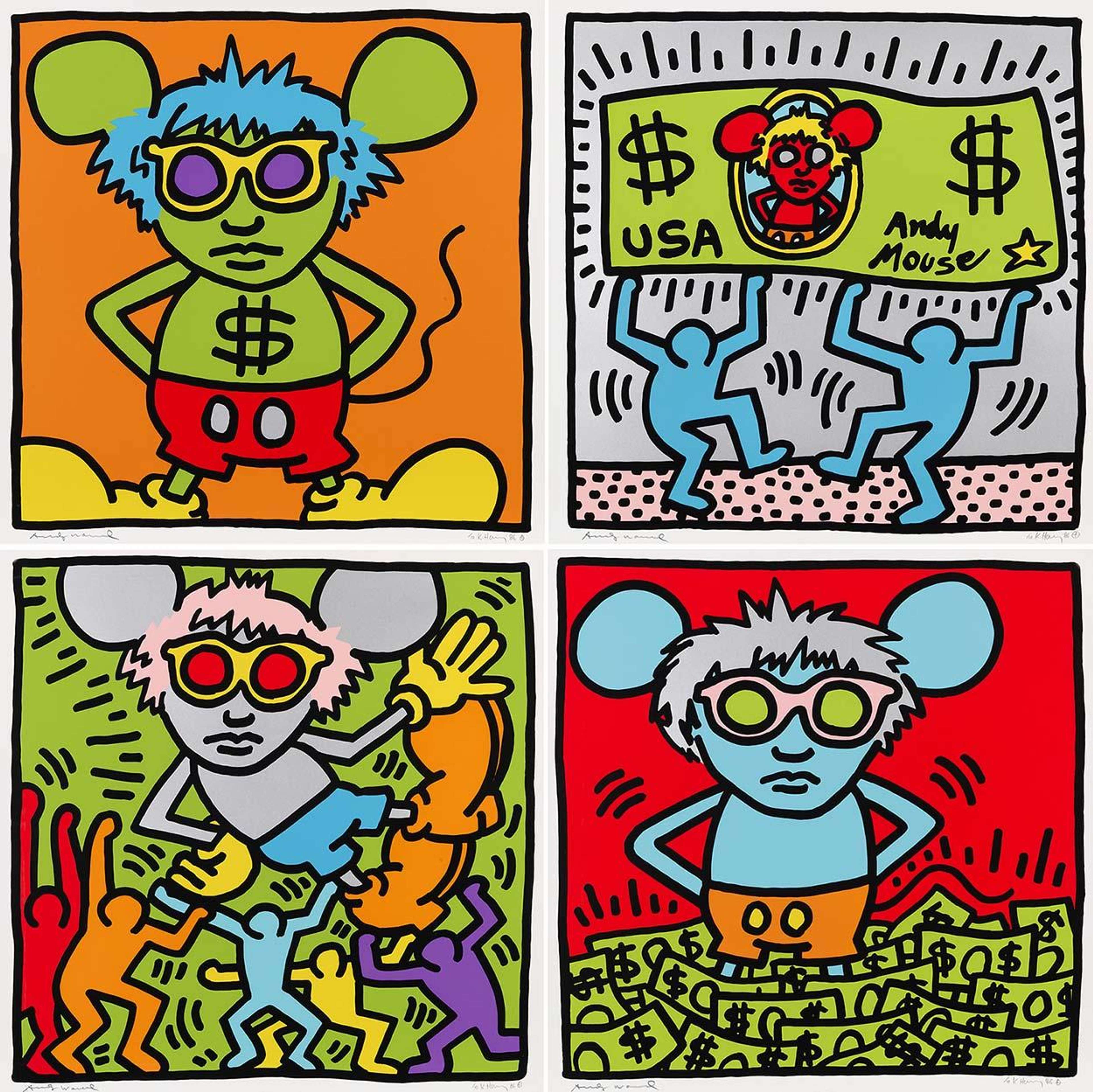
April sharpened the divide. Warhol’s Silverspot Butterfly and Marilyn (II.26), alongside Haring’s Andy Mouse, established records. Yet three Campbell’s Soup Cans, and a complete Ruscha Gas Station set went unsold. These buy-ins may also indicate which works are more likely to move through private sales. Rarity and art-historical importance did not remove price sensitivity.
By May, the question was becoming less “Is this a print?” and more “Where does this work sit within the artist’s wider market?” Familiar editions sustained transaction volume, while a small group of provenance-rich, tightly supplied works moved closer to trophy territory. Between them, important prints still met resistance when their estimates demanded more conviction than buyers were prepared to show.
The print market reproduced the shape of the wider market: activity at accessible levels, concentrated confidence at the top and a difficult middle.
What the Auction Data Adds
The principal recurring editions auctions support that reading, although they do not show a uniform recovery.
Christie’s March London Prints and Multiples sale rose 28% year-on-year to £1.94 million, with almost the same number of lots offered. Its April New York sale generated $7.69 million, up 13% from 2025 and almost level with 2024, although sell-through weakened.
Phillips’ June results were more revealing. Its London evening and online editions auctions generated a combined £1.98 million, almost exactly level with 2025, but from fewer lots and with stronger sell-through. In New York, its June sale rose 8% to $1.12 million despite the lots offered contracting from 238 to 157 lots.
The houses have also adjusted how they organise these auctions. Sotheby’s combined prints and photographs in its principal New York live sale while moving additional prints into an online second part. Phillips separated its June London material into evening and online auctions, while Contemporary Edition sales have become more visible around the core calendar.
These are relatively small changes, but they point towards greater segmentation by value, audience and sale format. They also make headline totals harder to compare. A larger result produced by a broader multiple part sale is not necessarily evidence of stronger performance from equivalent material.
The data does not show prints rising uniformly. It shows auction houses editing and positioning supply more deliberately – and buyers responding selectively to those decisions.
What Autumn Will Test
I expect the same divisions to define the remainder of 2026.
The strongest blue chip prints should continue to attract competition, but freshness, proof status, condition, provenance and image hierarchy will matter more than the artist’s signature alone. The changing auction formats will also be worth watching: not only how much each sale makes, but what material is placed live, online or within a focused collection.
Hockney will provide the first major test. His death in June will inevitably intensify attention, but it should not be used to explain momentum that was already well established. The institutional build-up, Arrival of Spring results and narrowing price gap between the editions of 10 and 25 all predated his death.
Phillips’ dedicated auction on 19 September will be the first concentrated test of his editions market since then. Its 2025 sale achieved £667,500 at hammer, with 36 of 38 lots sold and 30 exceeding high estimate. Yet several estimates were conservative against recent comparables, meaning above-estimate results did not always represent appreciation.
The 2026 preview already contains exact repeat works. Snow retains its £30,000–£50,000 estimate after hammering at £55,000 last year, while Tyler Dining Room remains at £40,000–£60,000 after reaching £70,000.
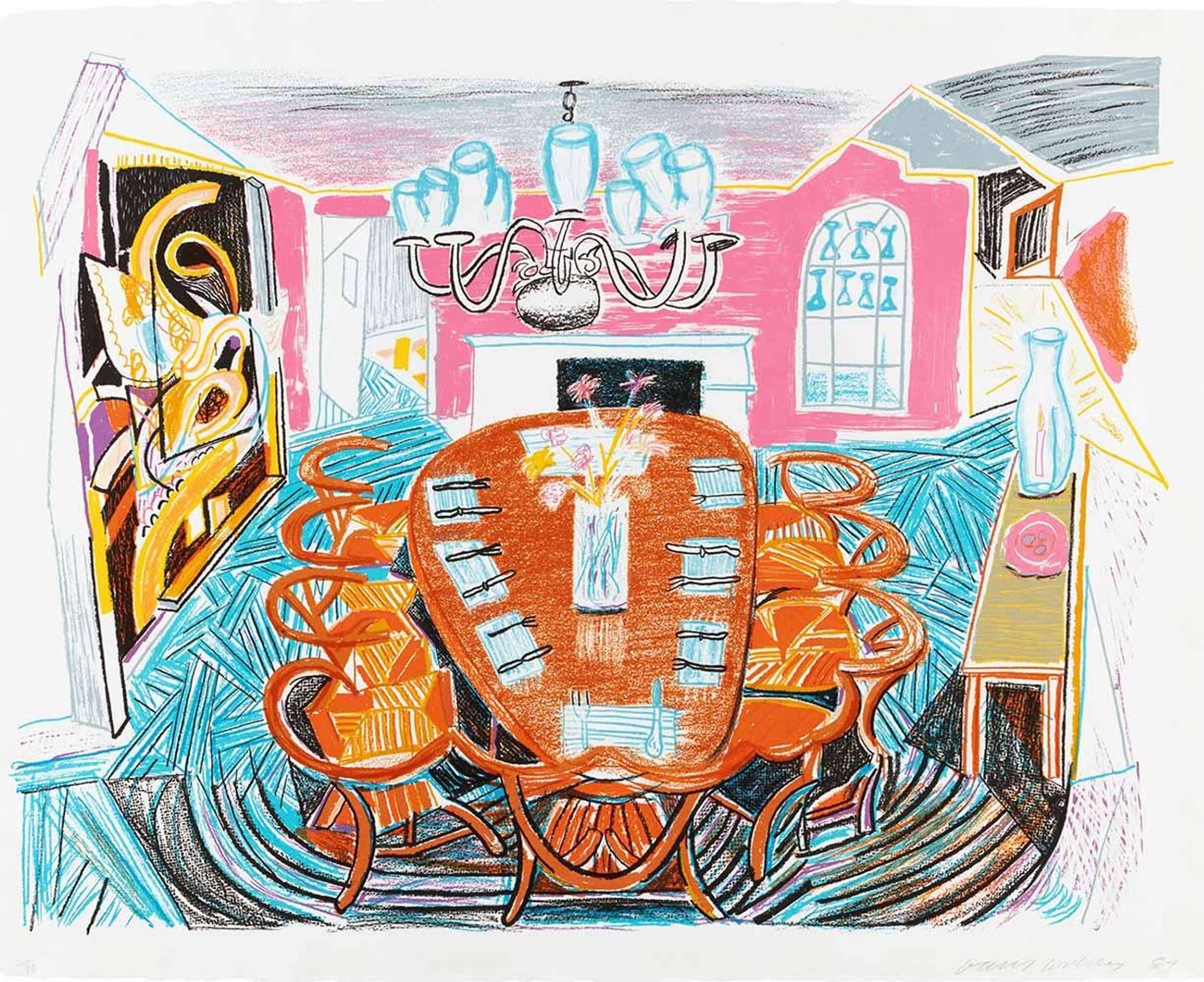
That makes the comparison useful. Exceeding estimate will not be enough to prove a posthumous premium. The significant question is whether repeat works improve on their 2025 hammer prices – and whether additional supply can be absorbed without weakening sell-through.
October’s auctions will provide the broader test. I expect further divergence between Warhol’s strongest images and routine supply, and between rare or estate-backed Lichtenstein works and examples without equivalent provenance.
Frieze London and Frieze Masters will offer a different signal. At Frieze London, publishers including Borch Editions, Knust Kunz Gallery Editions and Paragon will continue to position editions as routes into artists and primary-market collecting. At Frieze Masters, blue chip prints are more likely to appear selectively alongside important paintings and works on paper.
I do not expect prints to dominate either fair. The more revealing question is whether dealers bring scarce editions capable of carrying the same standards of provenance, quality and significance that defined H1’s strongest auctions.
Art Basel in June provided the model. Gray Gallery sold Hockney’s Studio Interior #2 for $8.5 million alongside an Arrival of Spring edition for $650,000. The print was not presented merely as a less expensive work by a major artist. It was positioned as an important example within one of the defining bodies of work from his later career.
That is what I expect to see more clearly this autumn. Not a wholesale elevation of prints, but sharper distinctions between editions functioning as accessible entry points and those being presented as major works in their own right.
What changed in 2026 was not that buyers became less selective. It was that, when the right work appeared with the right provenance and within the right structure, they became willing to pay substantially more. Autumn will test whether the market can repeat that performance without relying on the exceptional collections that powered the first half.